
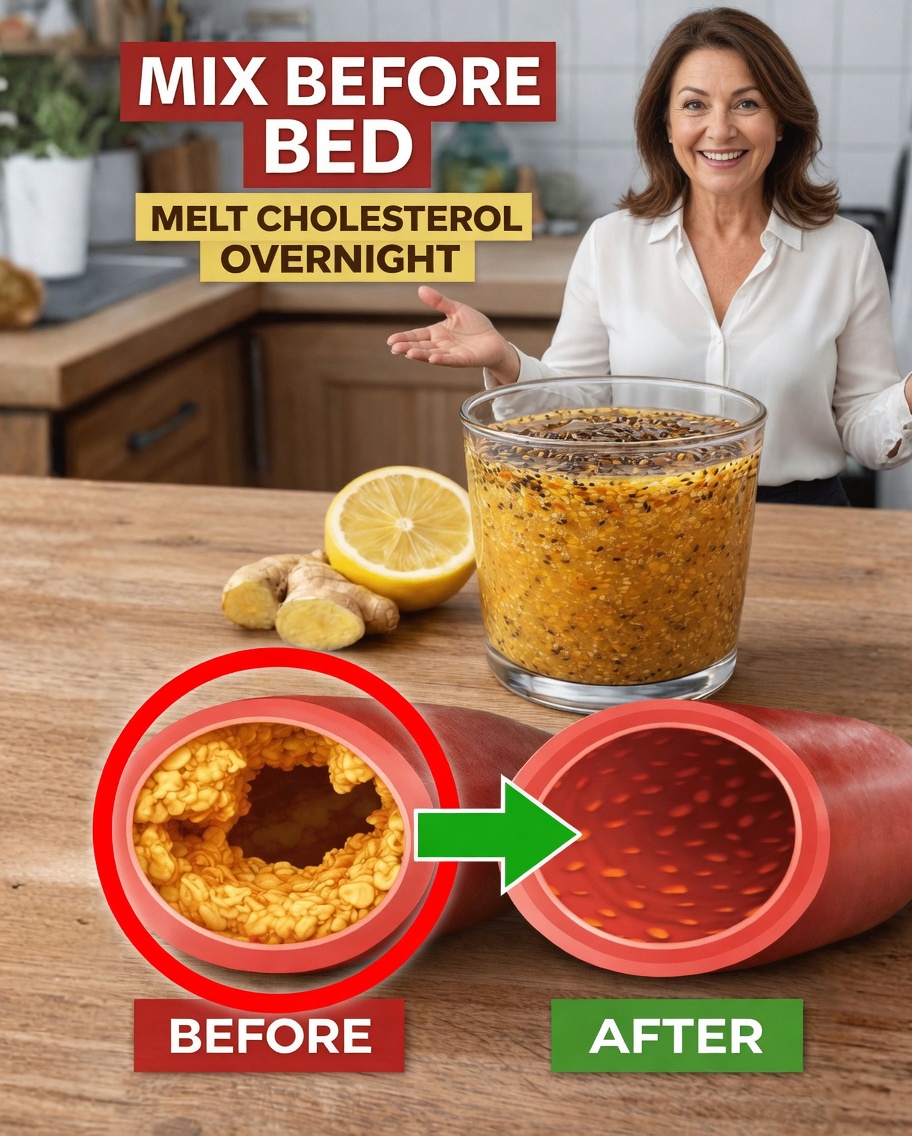
A growing bedtime wellness habit involves blending three familiar ingredients—fresh lemon, ginger, and chia seeds—into a calming drink. While it’s simple, this combination can be a smart addition to a balanced, heart-conscious lifestyle, especially for people looking for gentle, food-based support.
When cholesterol numbers run high, it’s normal to feel uneasy about long-term heart health, daily energy, and overall comfort. The encouraging part is that small, consistent choices—like adding fiber-rich and antioxidant-dense foods to an evening routine—may help support healthy cholesterol levels over time. Research suggests that certain plant foods can positively influence lipid markers when used regularly as part of a nutritious diet. Below, you’ll learn what makes this trio popular, how to prepare it safely, and what current science suggests about each ingredient.
Why Lemon, Ginger, and Chia Seeds Work Well Together
Each ingredient contributes distinct nutrients, and together they create a balanced, low-effort drink that many people find easy to maintain.
- Lemon is valued for its vitamin C and a range of antioxidants. It also adds a bright flavor that can make hydration more appealing.
- Ginger brings warming compounds—most notably gingerol—which are associated with digestive comfort and anti-inflammatory activity in research.
- Chia seeds are especially notable for their soluble fiber, plant-based omega-3s (ALA), and micronutrients. Soluble fiber forms a gel in the digestive tract, which may help bind certain dietary components and support a healthier lipid balance.
How This Nighttime Drink May Support Heart Health
No drink can “erase cholesterol” overnight, but the nutrients in this mix align well with dietary patterns often recommended for cardiovascular wellness.
Chia seeds and lipid support
Research on chia points to benefits that may matter for cholesterol management:
- Soluble fiber effects: Laboratory models indicate that chia’s gel-like mucilage can reduce the bioaccessibility of cholesterol and lipids during digestion—meaning less may be available for absorption.
- Human data and reviews: Regular chia intake has been associated in some studies and meta-analyses with improvements in lipid markers, including lower LDL (“bad”) cholesterol and triglycerides, while helping support HDL (“good”) cholesterol in certain groups—particularly among people managing metabolic risk factors.
Lemon and ginger as supportive additions
- Lemon antioxidants help counter oxidative stress, a factor often discussed in relation to long-term heart health.
- Ginger’s bioactive compounds may support circulation, inflammation balance, and digestion, complementing a fiber-focused drink.
Together, lemon, ginger, and chia provide a practical combination of fiber, omega-3s, and antioxidants—nutrients commonly emphasized in heart-supportive eating habits. Many people also enjoy the relaxing ritual, which can reinforce healthier nighttime routines.
Key Nutrients in a Typical Serving
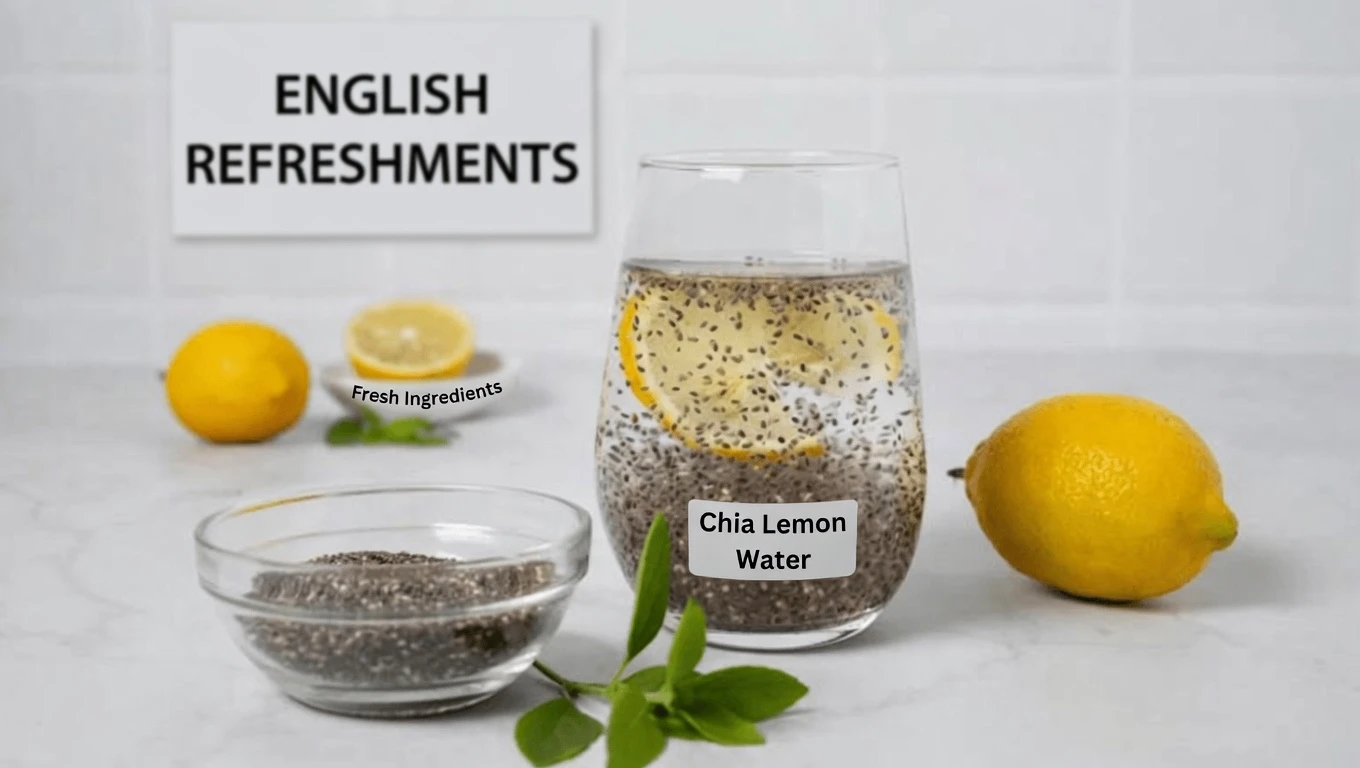
A common preparation (about 1–2 tablespoons chia, juice of half a lemon, and a small piece of ginger) provides:
- Soluble fiber (chia): Supports fullness and may help maintain healthier cholesterol balance.
- Omega-3 ALA (chia): Plant-based fatty acid linked to cardiovascular support.
- Vitamin C (lemon): Helps support immune function and antioxidant defenses.
- Gingerol (ginger): Associated with digestive comfort and anti-inflammatory activity.
This is a whole-food approach where nutrients work best alongside an overall healthy diet.
How to Make Lemon Ginger Chia Water at Night (Step-by-Step)
Make it safely and consistently with these simple steps:
- Add 1–2 tablespoons of chia seeds (black or white) to a glass.
- Grate or finely chop about 1 inch of fresh ginger.
- Squeeze half a fresh lemon (remove seeds).
- Add 8–10 oz (240–300 ml) of warm or room-temperature water.
- Stir thoroughly, then let it sit 10–15 minutes so the chia can gel.
- Stir again and sip slowly 30–60 minutes before bed.
Tips for a better experience
- Choose fresh lemon and fresh ginger for stronger flavor and nutrient quality.
- If you’re new to chia, start with 1 tablespoon to allow your digestion to adjust.
- Stay hydrated throughout the day—fiber works best with enough fluids.
With regular use, some people notice improved fullness at night and subtle digestive support within a week or two.
Does Timing Matter? Why People Prefer It Before Bed
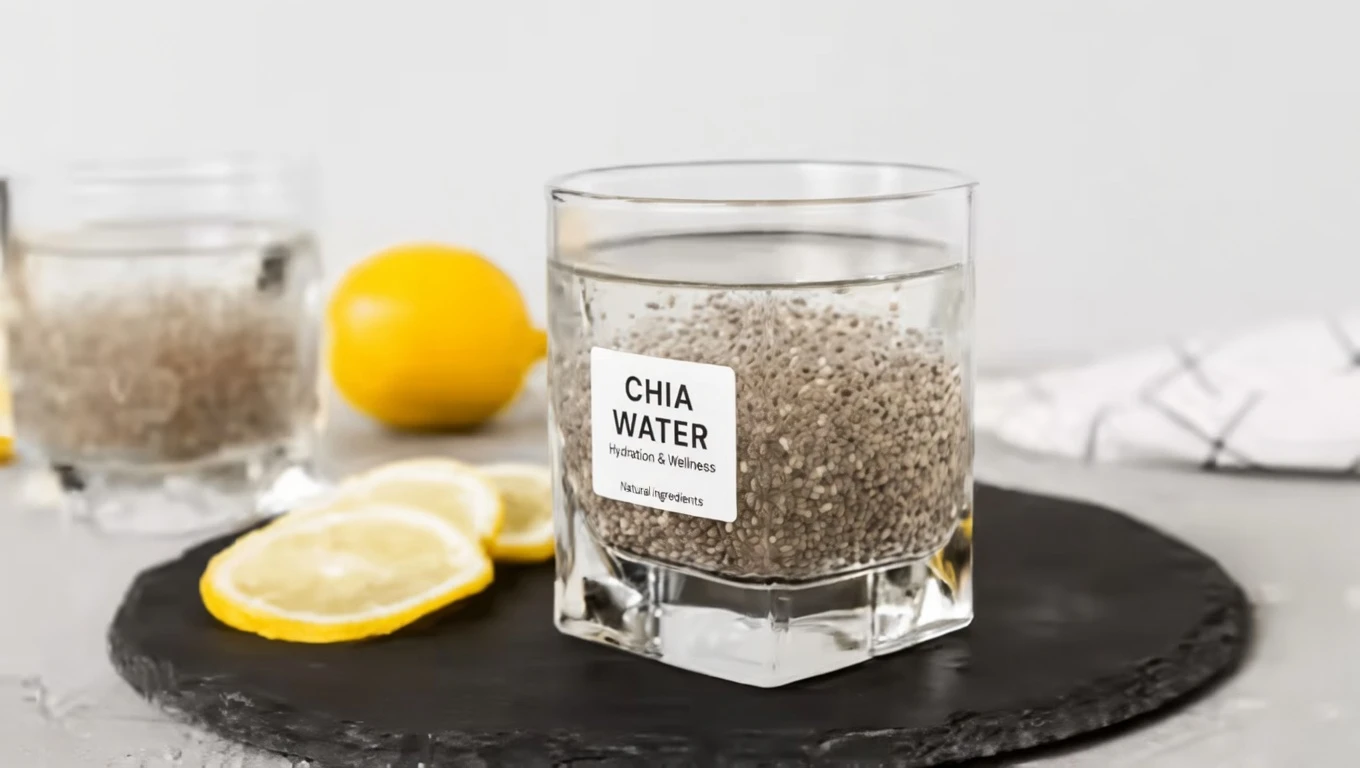
Some drink this mixture in the evening because nighttime routines encourage consistency, and digestion naturally slows—allowing fiber to work gently. Ginger’s warmth can also signal “wind-down time,” reinforcing better sleep hygiene. Any lipid-related improvements are typically gradual and depend on long-term patterns (weeks to months), not single servings.
Quick ingredient benefit snapshot
- Chia seeds: Fiber + omega-3s → satiety and potential lipid support
- Lemon: Vitamin C + flavonoids → antioxidant lift and refreshing taste
- Ginger: Bioactives → digestive comfort and warming effect
Practical Ways to Make This Habit Easier to Maintain
- Prep ahead: Mix the dry chia and grated ginger earlier, then add lemon and water at night.
- Adjust flavor carefully: If needed, add a small touch of honey—keep it minimal.
- Observe changes gently: Track how you feel after a few weeks without obsessing over daily differences.
- Combine with the basics: Balanced meals, regular movement, and stress management amplify results more than any single drink.
Summary
Adding lemon, ginger, and chia seeds to your nighttime routine is a simple, enjoyable way to increase intake of heart-friendly fiber, omega-3s, and antioxidants. Results vary by person, and this is not a replacement for medical care, but it can be a positive step toward more supportive daily habits.
FAQ
Can I drink lemon ginger chia water every night?
Most people can tolerate it daily as part of a varied diet. If you’re sensitive to fiber, start with a smaller amount of chia and increase gradually.
What if I dislike the texture of chia gel?
Use less chia at first, stir more thoroughly, or blend it for a smoother consistency. Many people find the texture becomes less noticeable over time.
Is this drink safe for everyone?
It’s generally considered safe for healthy adults, but check with a healthcare professional if you:
- Have acid reflux or a sensitive stomach (lemon and ginger may aggravate symptoms)
- Use blood thinners or have bleeding concerns (ginger may not be ideal for everyone)
- Take medications or manage a chronic condition
Disclaimer
This article is for informational purposes only and does not provide medical advice. Individual responses vary. Consult a doctor or qualified healthcare professional before changing your diet—especially if you have high cholesterol, heart-related concerns, digestive conditions, or take prescription medications. This drink supports general wellness but does not diagnose, treat, cure, or prevent any disease.