
Feeling exhausted before noon has become routine for many people. The usual fix—sugary beverages or high-caffeine energy drinks—often leads to jitters, mental haze, and that familiar afternoon crash that makes both work and workouts feel harder. These rapid spikes and sudden drops can be discouraging and make you question your endurance.
A natural energy tonic offers a calmer, more consistent approach to daily vitality—one that prioritizes hydration and nutrients instead of shock-level stimulation. By the end of this guide, you’ll also learn a small but powerful adjustment most people miss when they mix their own tonic.

What Is a Natural Energy Tonic—and Why Are People Switching?
A natural energy tonic is a drink made with minimally processed ingredients that gently supports alertness while improving hydration. Instead of relying on artificial stimulants and refined sugar, it typically uses combinations like:
- Fruit juices
- Herbal infusions
- Coconut water
- Mineral-rich add-ins
If standard energy drinks make you feel shaky, wired, or anxious, you’re not imagining it. Many people choose a natural energy tonic because they want energy without the uncomfortable “buzz.” And importantly, feeling energized isn’t only about caffeine—hydration, electrolytes, and micronutrients strongly influence how awake and steady you feel.
Research also suggests that even mild dehydration can contribute to tiredness and reduced focus. That’s why a natural energy tonic often makes a noticeable difference: it supports hydration first, stimulation second.
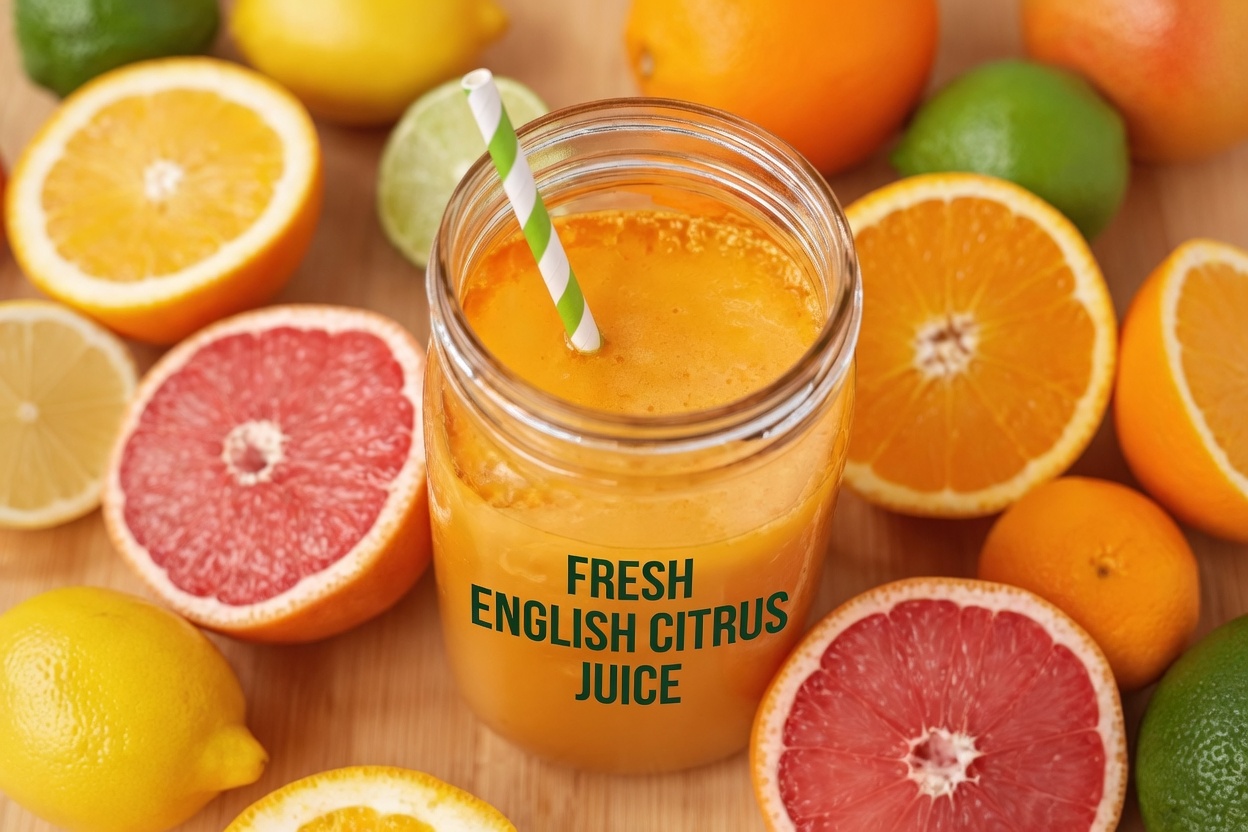
How a Natural Energy Tonic Delivers Steady Energy (Without the Crash)
Unlike many commercial products designed for intensity, a natural energy tonic supports energy in layers, helping you feel more balanced.
1) Hydration First, Stimulation Second
Many recipes begin with coconut water or mineral water. Electrolytes such as potassium and sodium help regulate fluid balance—important for normal muscle function, nerve signaling, and overall stamina.
2) Gentle Caffeine Options
When it includes green tea or yerba mate, a natural energy tonic provides moderate caffeine plus beneficial antioxidants. Evidence suggests that caffeine paired with compounds such as L-theanine (naturally found in green tea) may support smoother focus than caffeine alone.
3) Natural Carbs for Light Fuel
Ingredients like honey or maple syrup can add small amounts of carbohydrates—useful when energy dips between meals—without the extreme sugar surge typical of many energy drinks.
The point is simple: a natural energy tonic aims for balance, not overload.
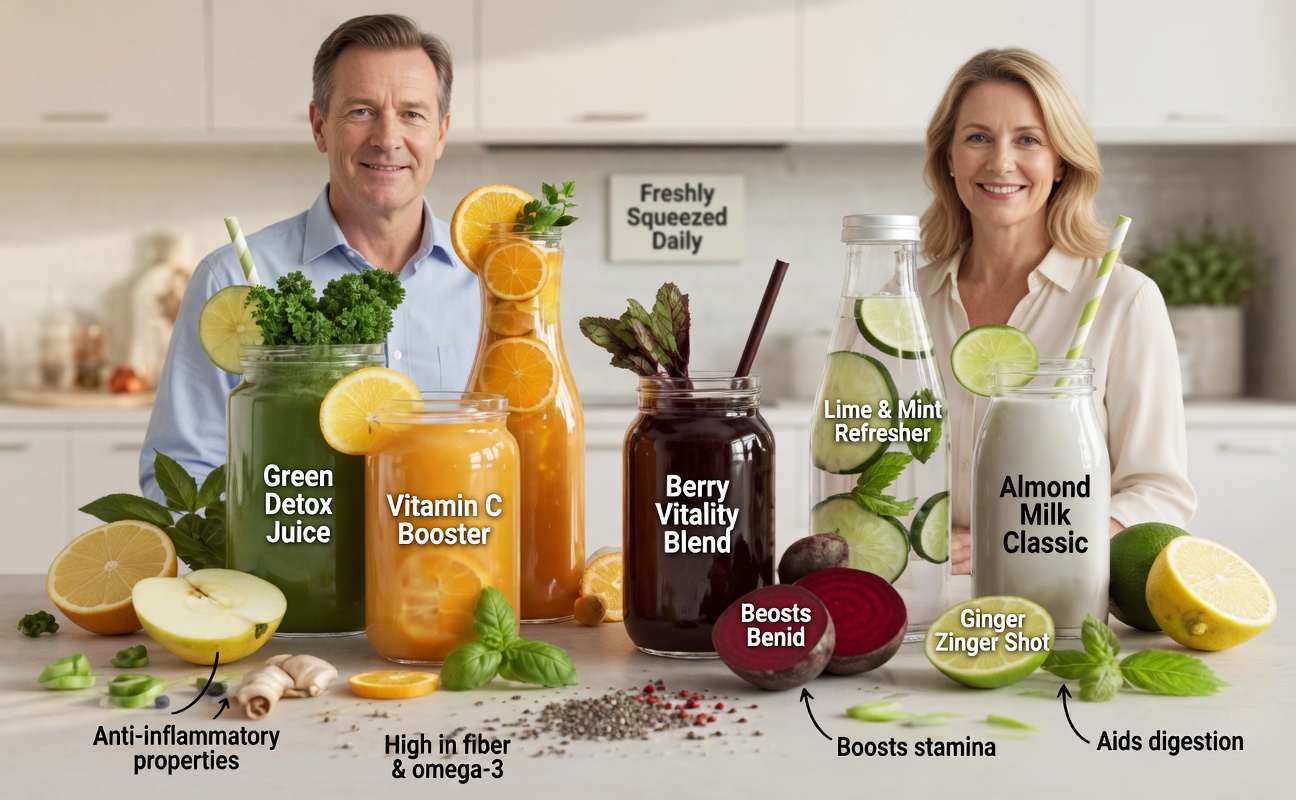
Key Ingredients That Make a Natural Energy Tonic Work
Ingredient choice can turn a decent drink into a truly effective natural energy tonic. If you’ve made something that tasted great but didn’t improve your energy, the issue may have been missing ingredient synergy.
Common ingredients include:
- Citrus juices (lemon, orange) – Bright flavor and vitamin C
- Coconut water – Potassium and naturally occurring electrolytes
- Raw honey or maple syrup – Gentle sweetness plus trace minerals
- Green tea or yerba mate – Moderate caffeine and antioxidants
- Panax ginseng – Traditionally used to support stamina and vitality
- Sea salt (a pinch) – Helps replace sodium lost through sweat
Some studies indicate ginseng may improve perceived energy and aspects of mental performance in certain people, though results vary. It tends to work best as one piece of a healthy lifestyle rather than a standalone fix.
A helpful takeaway: combining hydration (coconut water), mild stimulation (tea), and a small fuel source (honey) can feel steadier than relying on any single ingredient.
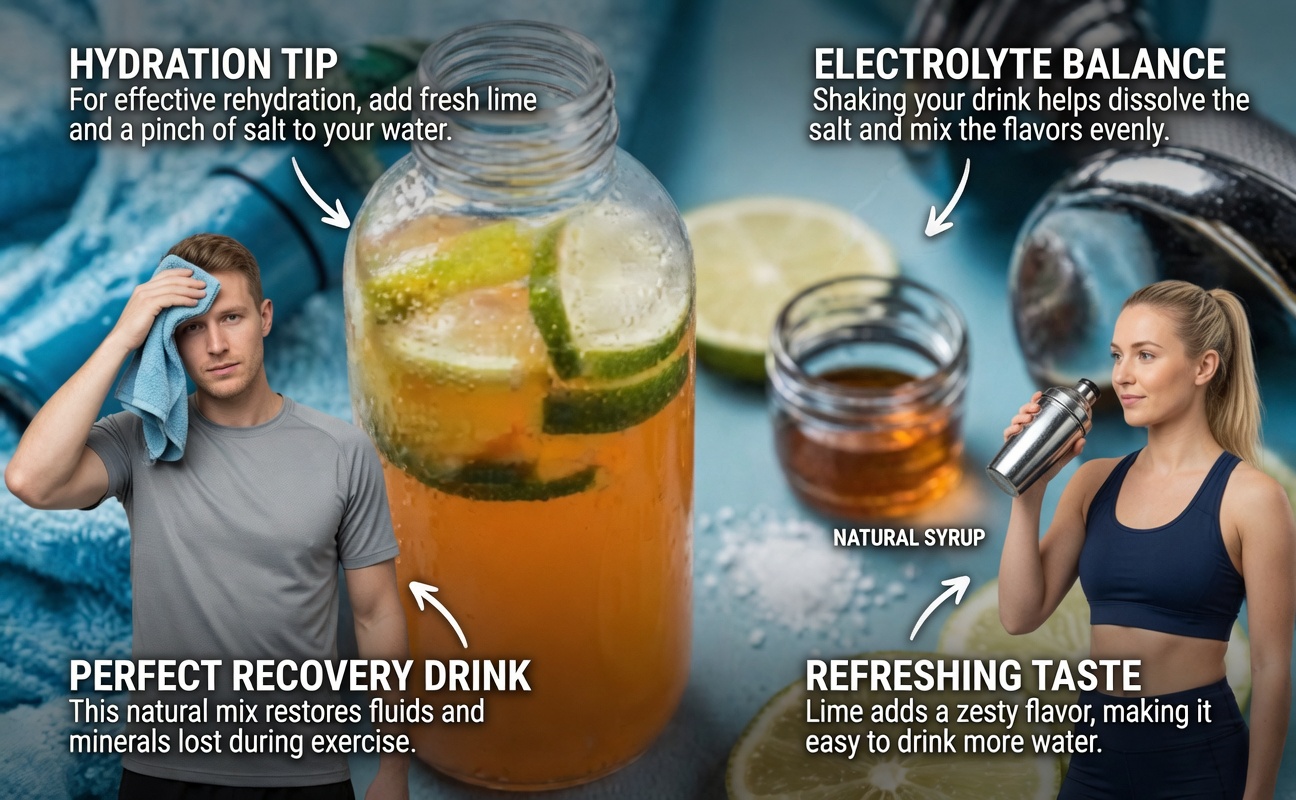
DIY Natural Energy Tonic Recipes You Can Make Today
Making a natural energy tonic at home is straightforward. Try one of these options based on what your day demands.
Citrus Honey Hydration Tonic
Ingredients
- 2 cups coconut water
- Juice of 1 orange
- Juice of 1/2 lemon
- 1–2 tbsp honey
- Pinch of sea salt
Instructions
- Combine and stir until fully mixed.
- Chill before drinking.
This is a great natural energy tonic for feeling run down after long workdays or light training. Citrus supports a refreshing lift, electrolytes support hydration, and honey provides a small, steady fuel source.
Green Tea & Citrus Energizer
Ingredients
- 1–2 green tea bags
- 1 cup hot water
- 1 tsp lemon juice
- 1 tsp honey or agave
Instructions
- Brew the green tea and let it cool.
- Stir in lemon and sweetener.
- Serve over ice.
This natural energy tonic works well when mid-morning mental fatigue sets in. The caffeine level is typically moderate, which may help reduce jitteriness compared with stronger stimulant drinks.
Watermelon–Cherry Ginseng Booster
Ingredients
- 500 g diced watermelon
- 100 g cherries (pitted)
- 1 tsp panax ginseng powder (optional)
Instructions
- Blend until smooth.
- Strain if you prefer a lighter texture.
- Serve chilled.
Ideal for warm weather, this natural energy tonic leans heavily into hydration. Watermelon helps with fluids, cherries add natural sweetness, and ginseng provides a traditional herbal boost.
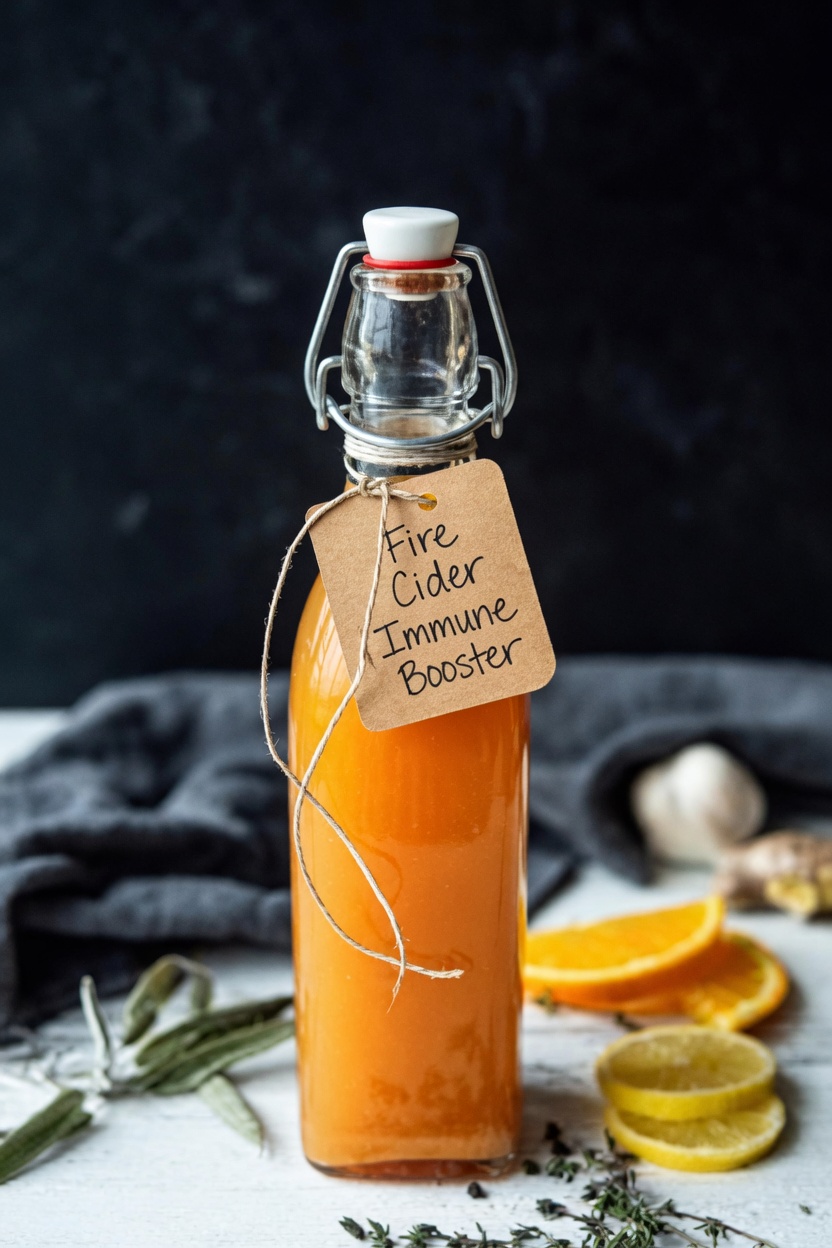
Natural Energy Tonic vs. Commercial Energy Drinks
-
Sweetener
- Natural energy tonic: honey or fruit-based
- Typical energy drink: refined sugar or syrups
-
Caffeine
- Natural energy tonic: mild to moderate
- Typical energy drink: often high
-
Additives
- Natural energy tonic: minimal
- Typical energy drink: artificial flavors, colors, and other additives
-
Hydration focus
- Natural energy tonic: electrolyte-forward
- Typical energy drink: hydration often secondary
-
Crash risk
- Natural energy tonic: generally lower (depends on recipe)
- Typical energy drink: common with high-sugar options
If you regularly experience energy crashes, this comparison alone can change how you think about “energy.” A natural energy tonic is built for steadiness, not extremes.
The Science Principles Behind a Natural Energy Tonic
A well-designed natural energy tonic supports several research-backed fundamentals:
- Hydration influences cognitive performance and concentration
- Moderate caffeine can improve alertness
- Antioxidants help reduce oxidative stress
- More stable blood sugar supports sustained energy
People respond differently to ingredients, though. For best results, pair your natural energy tonic with adequate sleep, balanced meals, and regular movement.
Action Steps to Build Your Ideal Natural Energy Tonic (The Overlooked Tweak)
If you want an effect you can genuinely feel, follow this practical formula:
- Choose a hydrating base: coconut water or filtered water
- Add citrus: lemon or orange for freshness and flavor
- Optional mild stimulant: green tea or yerba mate
- Keep sweetness light: use small amounts of honey (less is often better)
- Add minerals: a pinch of sea salt improves electrolyte balance
- Time it right: sip mid-morning rather than late afternoon to protect sleep
The overlooked tweak is often mineral balance (that small pinch of salt) and not over-sweetening. Both can help reduce the chance of an energy dip later.
Best Times to Drink a Natural Energy Tonic
Timing can make your natural energy tonic noticeably more effective. Common “best use” moments include:
- Mid-morning when focus typically drops
- Before light to moderate exercise
- During long work sessions
- After sweating to support rehydration
Avoid drinking a caffeinated natural energy tonic too late in the day. Poor sleep can intensify fatigue the next morning—creating the exact cycle you’re trying to escape.
Lifestyle Habits That Make Your Natural Energy Tonic Work Better
A natural energy tonic can support your routine, but it can’t replace the fundamentals. If you’re consistently under-sleeping or skipping meals, no drink will fully compensate.
To amplify results:
- Aim for 7–9 hours of sleep
- Eat balanced meals with protein and fiber
- Hydrate consistently throughout the day
- Take short movement breaks during work
A natural energy tonic is most effective as a complement to healthy habits, not a substitute.
Final Thoughts on Choosing a Natural Energy Tonic
A natural energy tonic is a practical alternative to highly processed energy drinks. By combining hydration, gentle stimulation, and naturally sourced nutrients, it supports more stable energy without dramatic highs and lows.
If you’re tired of the sugar-and-caffeine loop, try a simple recipe, keep the sweetness modest, don’t skip the electrolytes—and pay attention to timing for the steadiest results.