
Breathe Easier and Strengthen Immunity Naturally
In a world where wellness is a daily priority, keeping your lungs clear and your immune system resilient matters more than ever. Seasonal allergies, common colds, and environmental triggers can all challenge your breathing and overall health. The good news: a few simple, natural approaches can help support respiratory health, reduce inflammation, and reinforce immune defenses.
One popular traditional remedy—made with ginger, garlic, onion, and lemon—is often used to ease congestion and support the body’s natural protection. Below is a practical guide to how this blend may help, plus additional evidence-informed habits for stronger lungs and immunity.
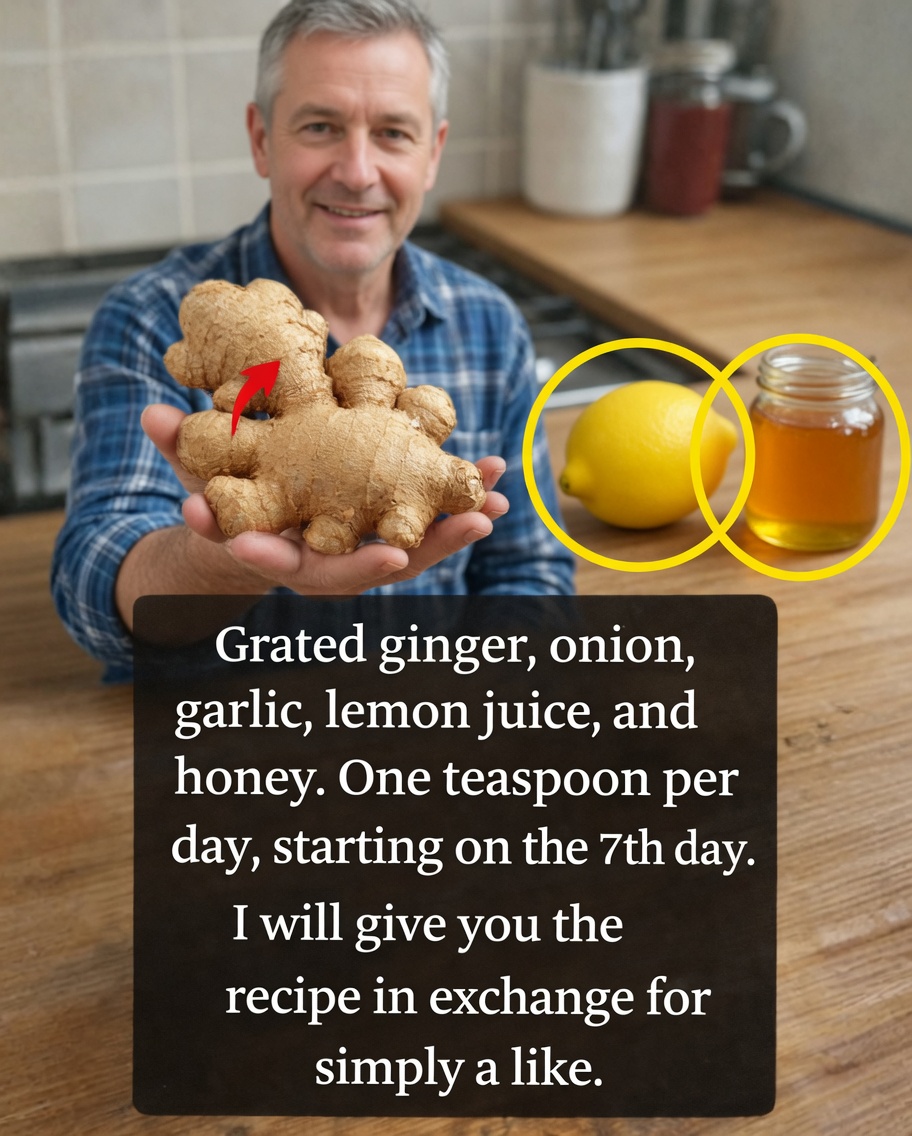
Natural Respiratory Support Blend: Ginger, Garlic, Onion & Lemon
This classic combination is widely used in home wellness routines because each ingredient brings compounds linked to immune support and respiratory comfort:
- Ginger: Known for anti-inflammatory constituents that may calm irritation in the airways and throat.
- Garlic: Contains allicin, commonly associated with antibacterial, antiviral, and immune-supporting activity.
- Onion: Provides quercetin, an antioxidant flavonoid that may help manage inflammation and mucus-related discomfort.
- Lemon: A reliable source of vitamin C, supporting immune response and overall recovery.
How to prepare and use it
A simple version can be made by combining:
- Grated ginger
- Crushed garlic
- Chopped onion
- Freshly squeezed lemon juice
- Warm water
Many people take a spoonful daily, and some also use the warm mixture’s vapor for gentle relief (especially during congestion). While it’s not a medical treatment, it can be a supportive addition to a healthy routine.
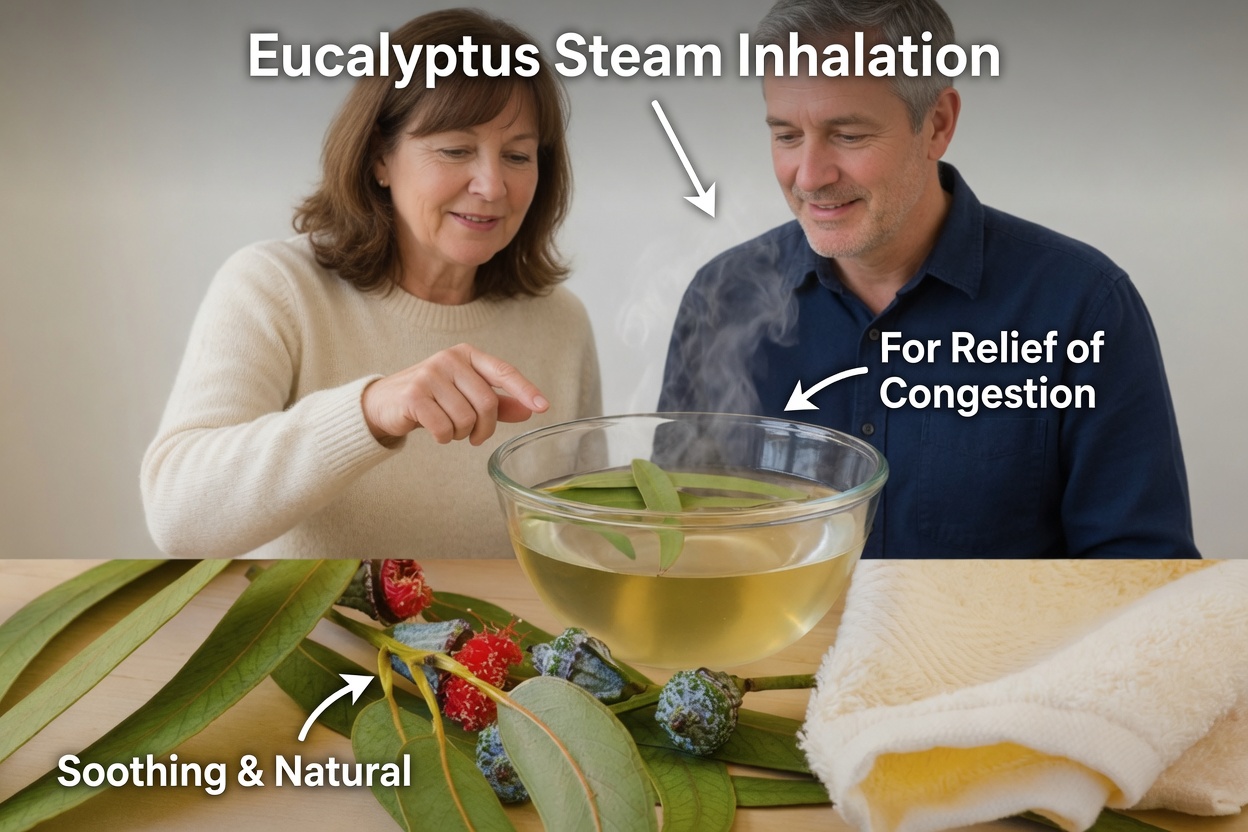
Steam Inhalation to Ease Congestion and Open Airways
Steam inhalation is a straightforward method to help loosen mucus in the nose and chest, making breathing feel easier. It can be especially comforting during colds, dry air exposure, or temporary respiratory discomfort.
- How to do it:
- Boil water and pour it into a heat-safe bowl.
- Lean over the bowl at a comfortable distance.
- Drape a towel over your head to trap the steam.
- Inhale gently for several minutes.
For added soothing effects, some people include herbs or aromas such as eucalyptus or mint (often via a small amount of essential oil). If you use essential oils, use minimal quantities and avoid direct skin contact.
Eat for Lung Health and a Strong Immune System
Nutrition plays a major role in maintaining healthy airways and immune readiness. A diet rich in protective nutrients may help the body handle inflammation and support recovery.
Focus on these food groups:
- Fruits and vegetables: Packed with antioxidants and key nutrients like vitamin C and beta-carotene. Great options include citrus, berries, and leafy greens.
- Healthy fats: Foods rich in omega-3 fatty acids (such as fish, nuts, and seeds) may help support a balanced inflammatory response.
- Herbs and spices: Staples like ginger, turmeric, and garlic provide natural compounds often linked with anti-inflammatory benefits.
Building meals around these foods can support both respiratory wellness and immune function year-round.

Exercise and Breathing Practices for Better Respiratory Function
Movement supports health in multiple ways: it improves circulation, helps immune cells circulate efficiently, and can strengthen breathing capacity over time. You don’t need intense workouts to benefit—consistent, moderate activity is often enough.
Good options include:
- Walking
- Swimming
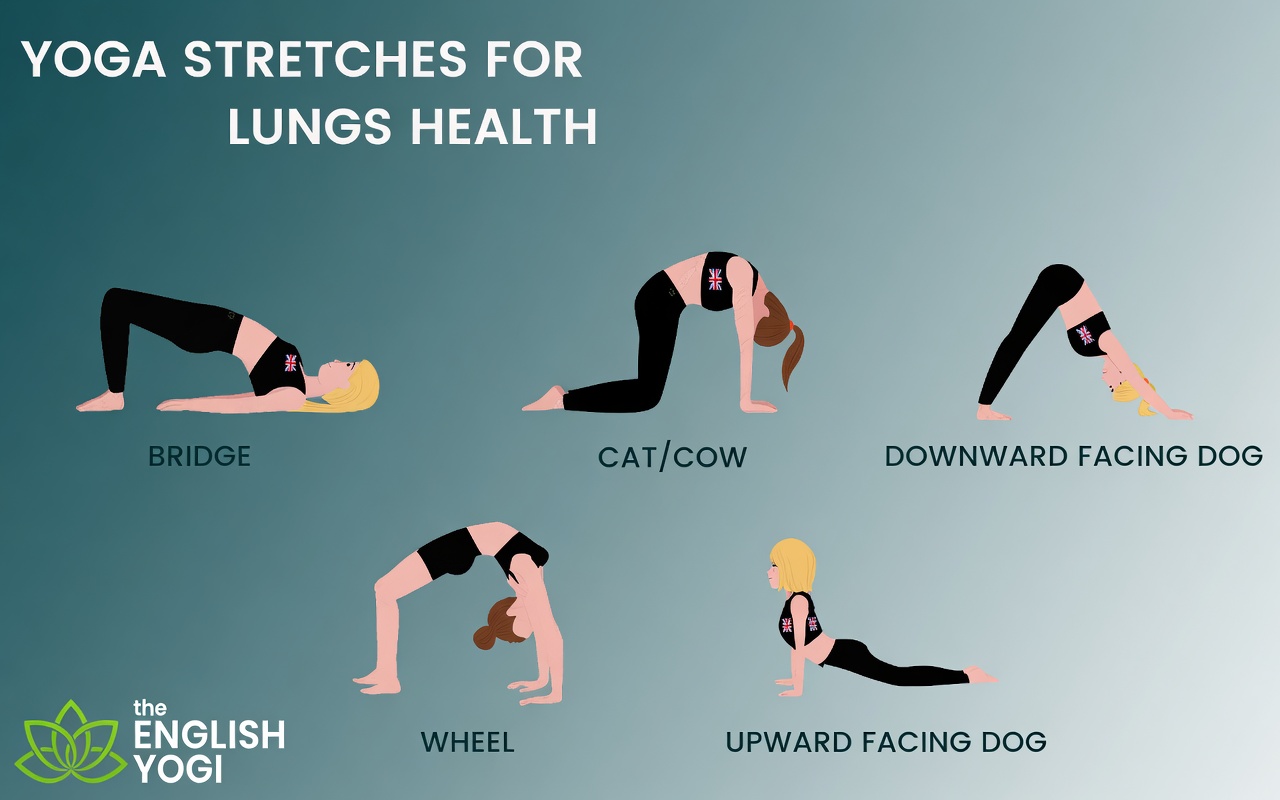
- Yoga
- Light cardio
In addition, breath work (such as deep breathing practices used in yoga and meditation) may help improve breathing efficiency and encourage fuller lung expansion. Adding a few minutes of controlled breathing to your daily routine can be a simple way to support lung function.
Sleep and Stress Management: Often Overlooked, Always Essential
Quality sleep and stress control are key pillars of immune and respiratory health. During sleep, the body performs repair processes, regulates inflammation, and produces proteins involved in fighting infections.
Prioritize:
- 7–9 hours of sleep per night for most adults
- Stress reduction through relaxation strategies such as meditation, gentle exercise, or deep breathing
Chronic stress may weaken immune defenses and aggravate respiratory symptoms, so managing stress is a practical form of prevention.
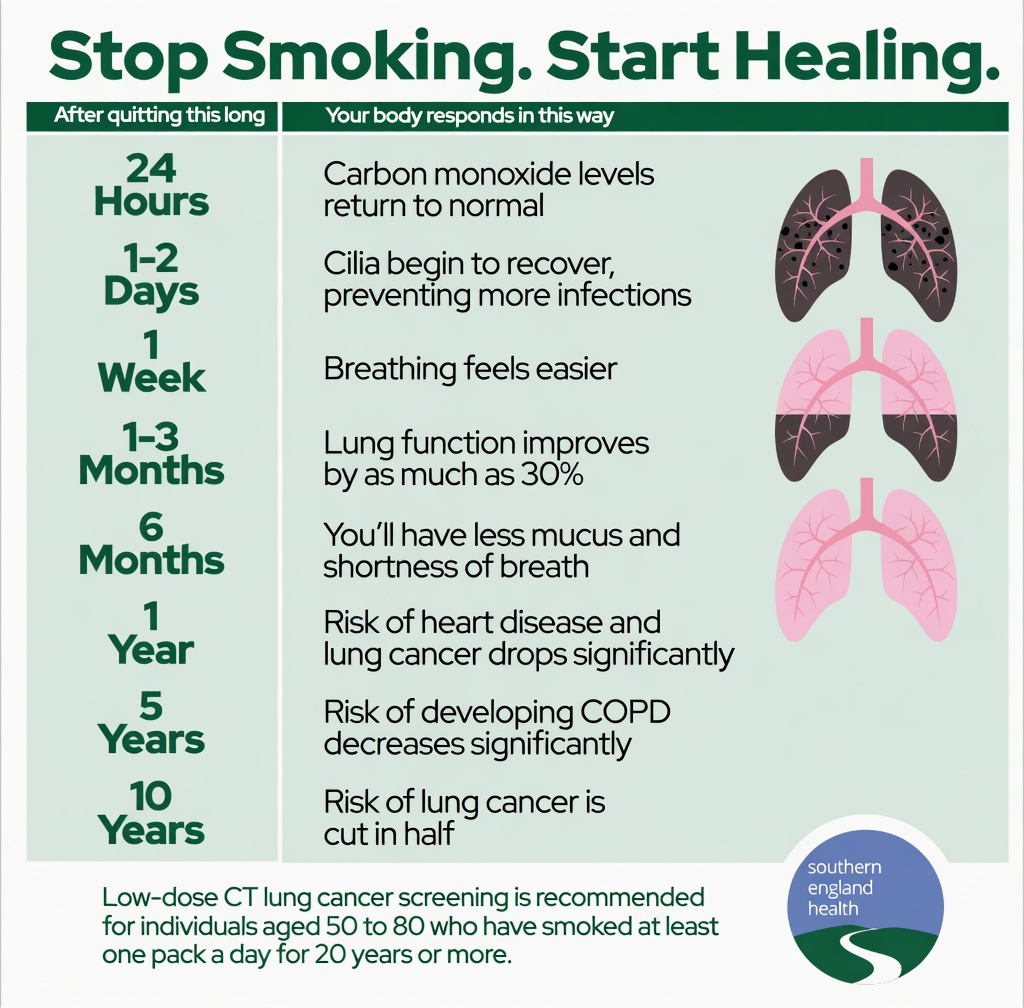
Avoid Irritants That Strain Your Lungs
Protecting your lungs from everyday irritants can significantly improve long-term respiratory health.
Key steps include:
- Stop smoking: Smoking damages lung tissue, raises infection risk, and undermines immune response.
- Avoid secondhand smoke: Even passive exposure can negatively affect lung function.
- Reduce exposure to air pollution: Limit time in heavily polluted areas and consider a mask when necessary.
Small environmental changes can reduce the overall burden on your lungs and immune system.
Final Thoughts
Supporting your respiratory system and immunity doesn’t require complicated protocols. A traditional blend like ginger, garlic, onion, and lemon can complement the fundamentals: nutrient-rich meals, regular movement, effective breathing exercises, and consistent sleep. Together, these habits create a strong baseline for clearer breathing, reduced inflammation, and stronger immune resilience.
Always consult a healthcare professional before starting a new health routine—especially if you have a chronic condition, are pregnant, or take prescription medications.
Frequently Asked Questions (FAQ)
-
Can steam inhalation help with asthma symptoms?
Steam may provide temporary comfort for congestion, but asthma requires a personalized medical plan. Speak with a clinician for safe asthma management. -
How often can I take the ginger-garlic-onion-lemon mixture?
Many people use it once daily. If you have underlying health conditions or take medications, check with a healthcare provider first. -
Are there side effects from natural respiratory remedies?
Some individuals may react to ingredients like garlic or lemon (for example, stomach irritation or sensitivity). Start with small amounts and stop if you notice adverse effects.
Disclaimer
This content is for informational purposes only and does not replace professional medical advice, diagnosis, or treatment. Always consult a qualified healthcare provider before changing your health routine.