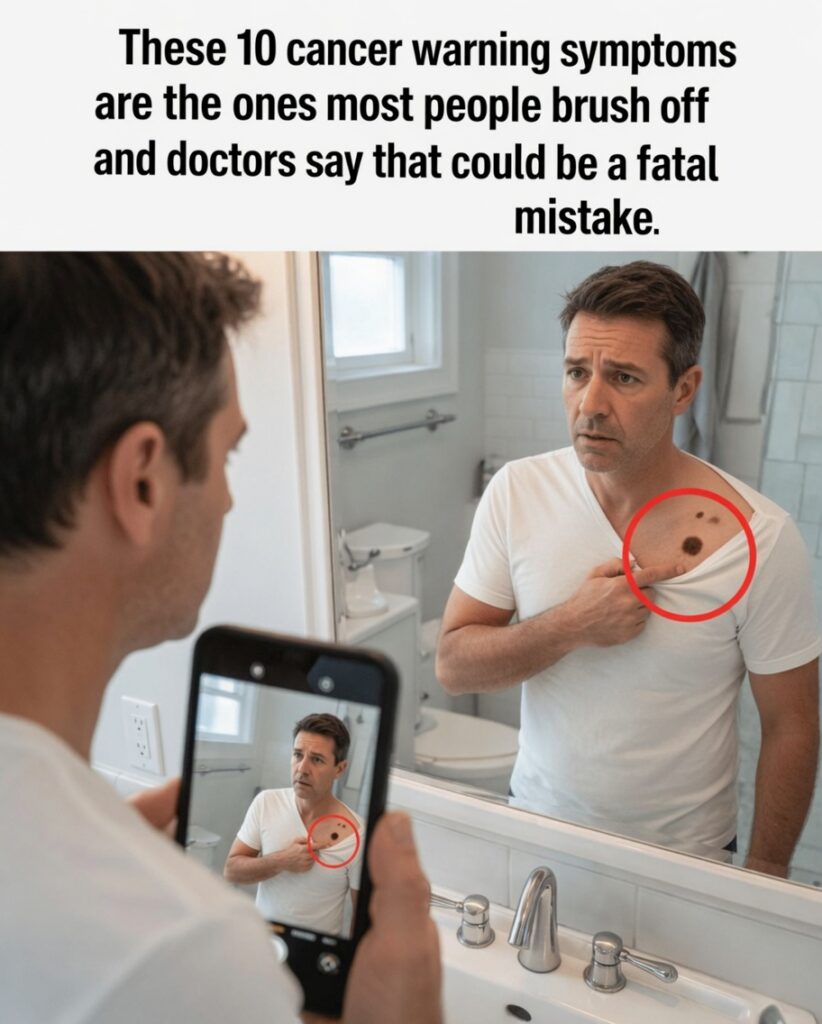
Don’t Ignore Persistent Symptoms: What Doctors Consider Cancer “Red Flags”
Every day, patients sit across from a doctor describing a symptom they’ve lived with for weeks—or even months. Often, they’ve delayed getting checked because it “probably isn’t serious.” Sometimes that’s true. But sometimes it isn’t. And in cancer care, timing matters: spotting a problem early can completely change what happens next.
This isn’t about fear. It’s about clarity. You deserve to understand what clinicians are trained to look for when certain symptoms appear—and when those symptoms need urgent assessment.
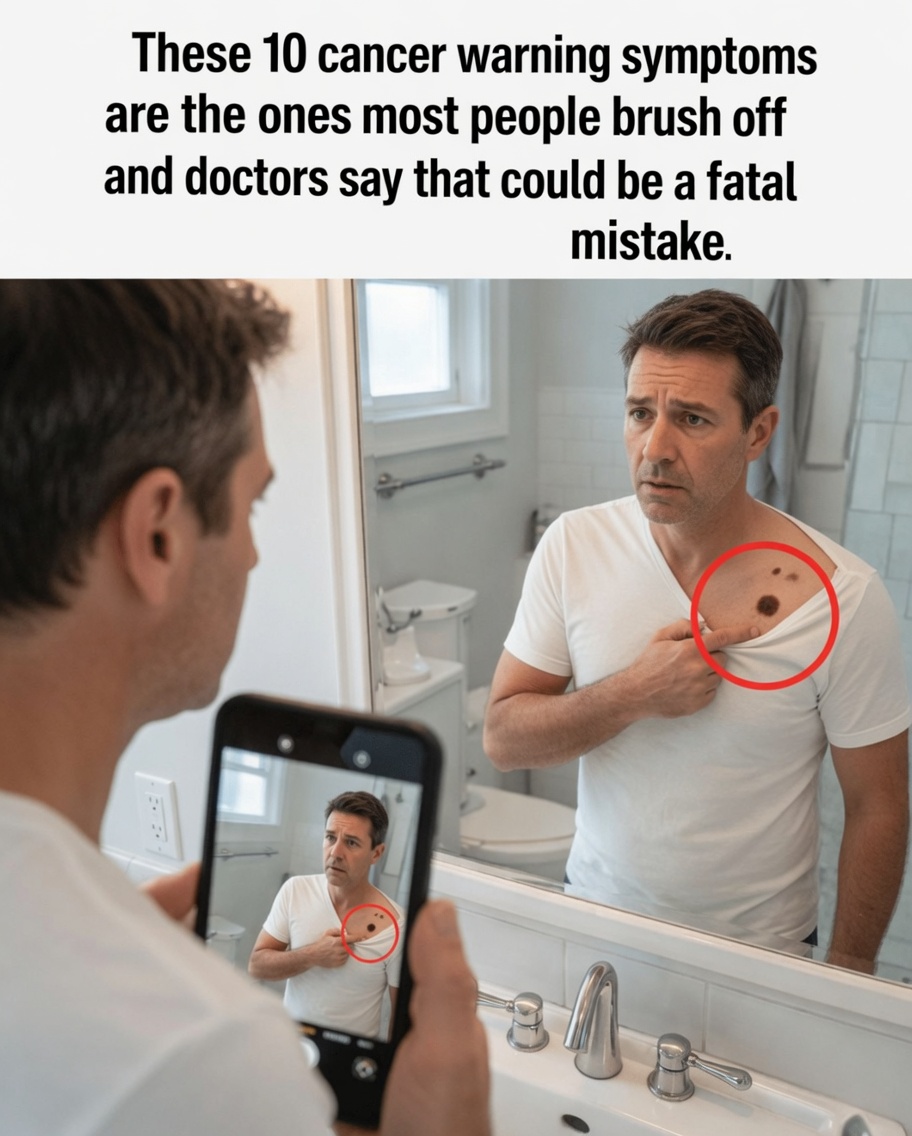
Having spent years working in high-pressure emergency departments, I’ve seen how easily important warning signs can be missed—especially when symptoms start quietly. I’ve also seen how quickly things can move once the right red flags are recognized. The guidance below is based on the NICE (National Institute for Health and Care Excellence) recommendations used widely across the UK to support clinical decisions and referrals.
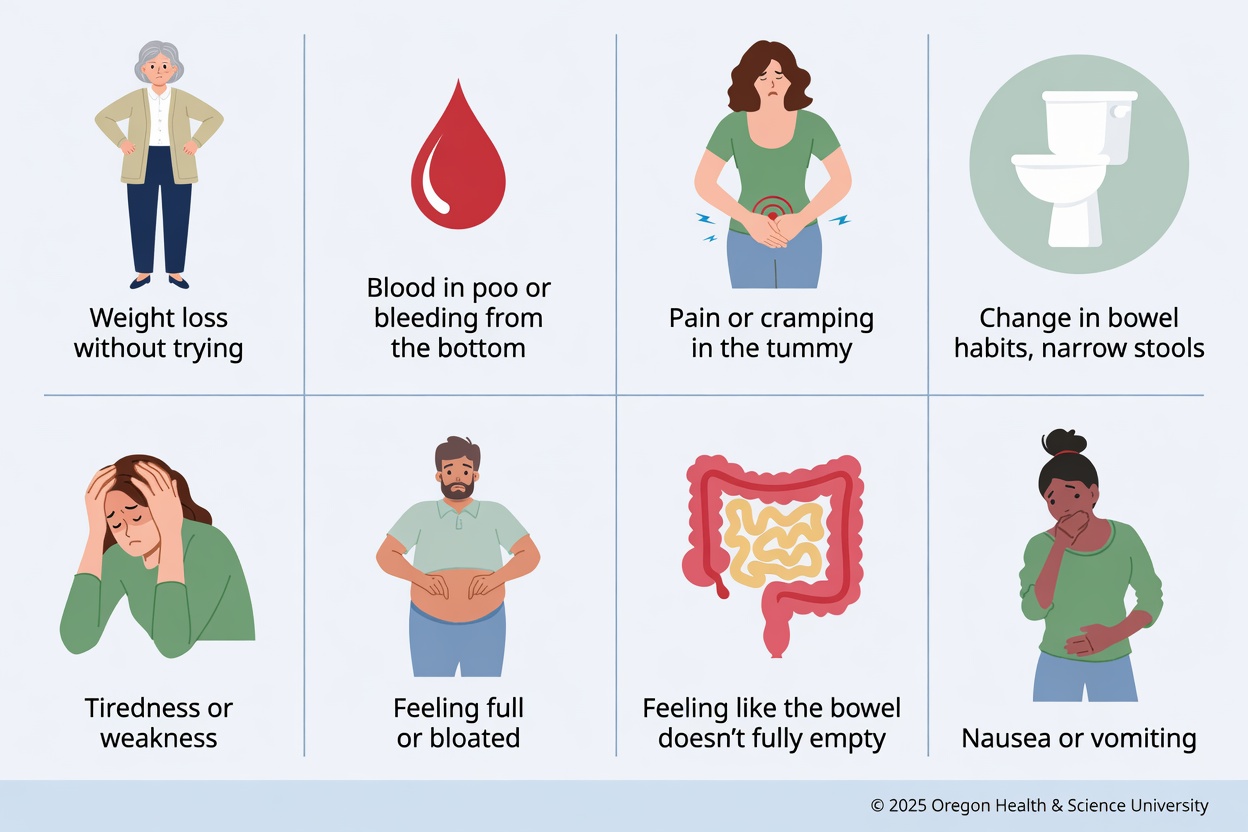
1) Colorectal (Bowel) Cancer Warning Signs
Colorectal cancer is among the most common cancers, and early symptoms can be mild or easy to dismiss. The key is age plus symptom patterns—especially when symptoms persist or appear together.
Doctors take urgent action when they see combinations such as:
- Age 40+ with unexplained weight loss and abdominal pain
- Age 50+ with unexplained rectal bleeding
- Age 60+ with:
- Iron-deficiency anemia, or
- A persistent change in bowel habits (going more or less often than usual, or noticeable changes in stool consistency)
If any of these apply, don’t “wait and see.” These are the kinds of signs that typically trigger urgent investigation.
2) Lung Cancer Red Flags
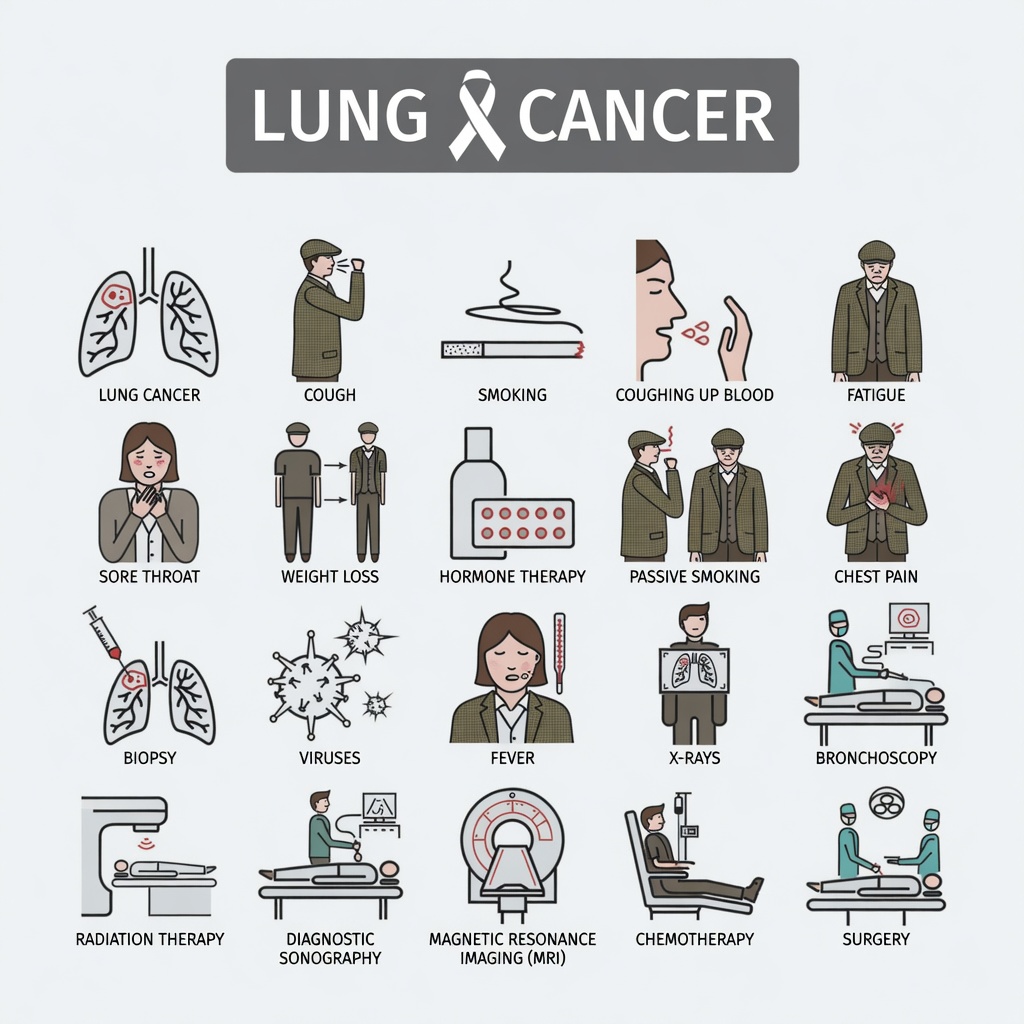
Smoking is the strongest risk factor, but lung cancer can also affect people who have never smoked. The symptoms are often similar in both groups, which is why persistent changes should be evaluated.
Key warning signs include:
- A cough lasting longer than 3–6 weeks
- Coughing up blood (hemoptysis)
- Ongoing, unexplained:
- Shortness of breath
- Fatigue
- Weight loss
- Chest pain
When these symptoms raise concern, a GP will typically arrange a chest X-ray within two weeks.
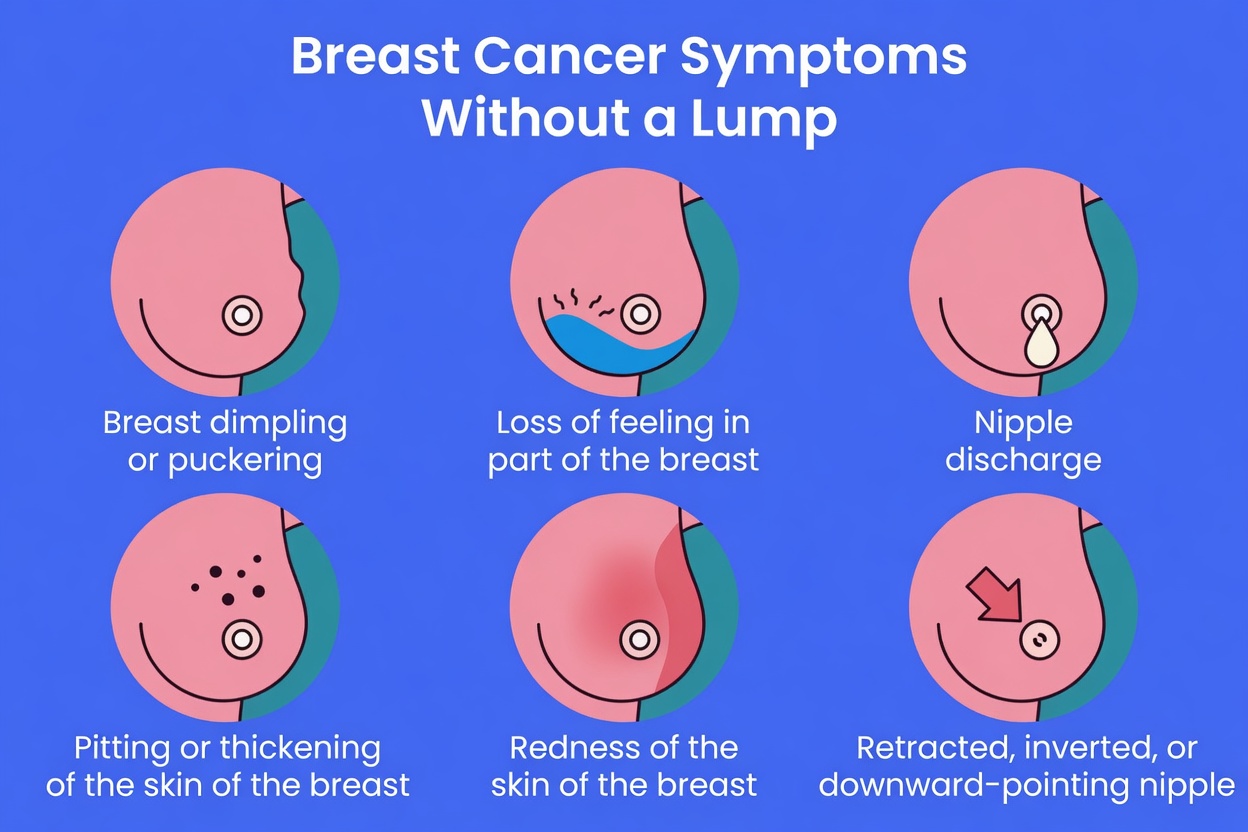
3) Breast Cancer Symptoms to Take Seriously
Breast cancer is the most common cancer overall and can affect both women and men. The most important warning sign is straightforward: a new, unexplained breast lump.
Other changes that matter include:
- Skin changes such as dimpling, puckering, redness, or an orange-peel texture
- Nipple changes, including:
- Inversion (new turning inward)
- Unexplained discharge
If you notice a breast or nipple change that doesn’t settle by your next menstrual cycle (if applicable), book a medical review. Regular breast self-checks help you notice what’s new or changing.
4) Ovarian Cancer: Subtle Symptoms That Persist
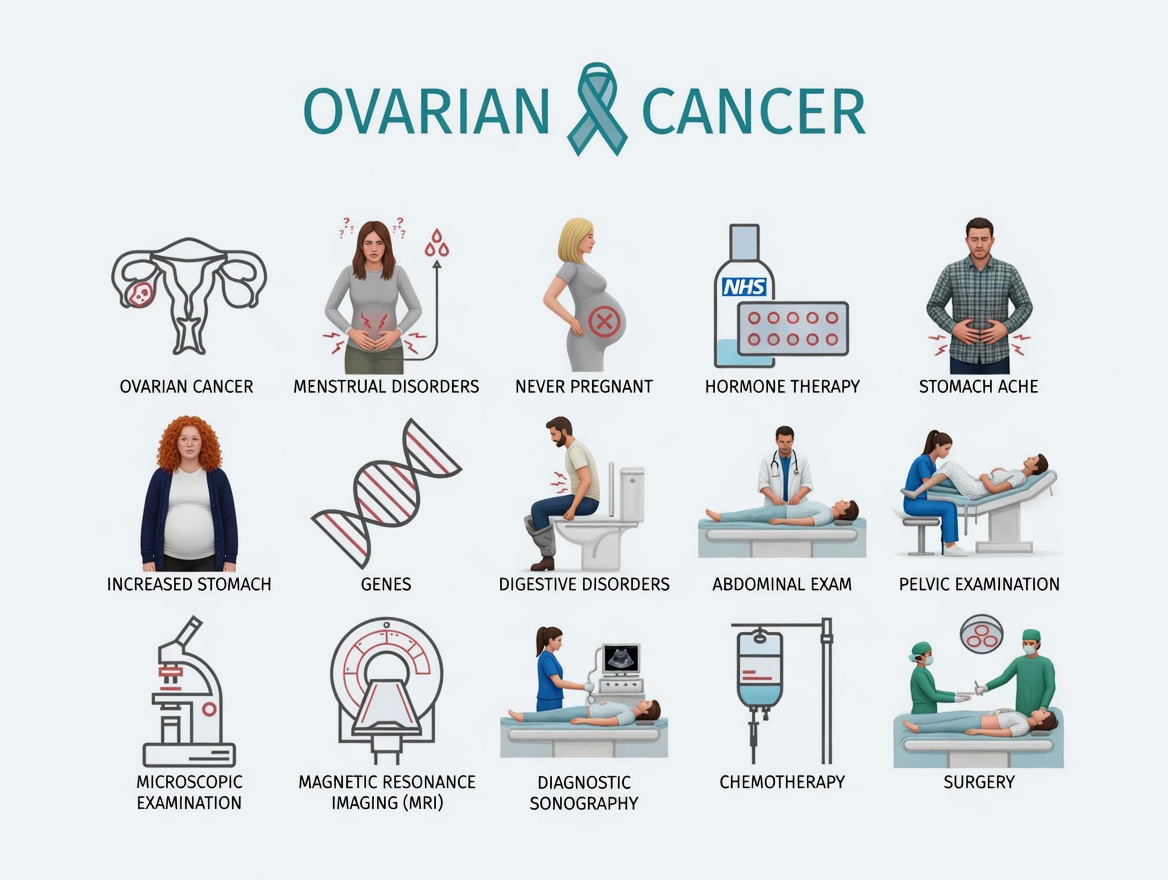
Ovarian cancer is sometimes called a “silent killer” because symptoms can resemble everyday digestive or stress-related issues. What makes the difference is persistence and frequency, especially if the symptoms are new for you.
Symptoms that deserve evaluation include:
- Persistent bloating
- Feeling full quickly or loss of appetite
- Pelvic or lower abdominal pain
- Urinary changes such as urgency or needing to go more often
A useful threshold: if these symptoms happen more than 12 times a month and are new, they should be discussed with a doctor. Risk rises notably after age 50, but younger people can be affected as well.
5) Bladder and Other Urological Cancers
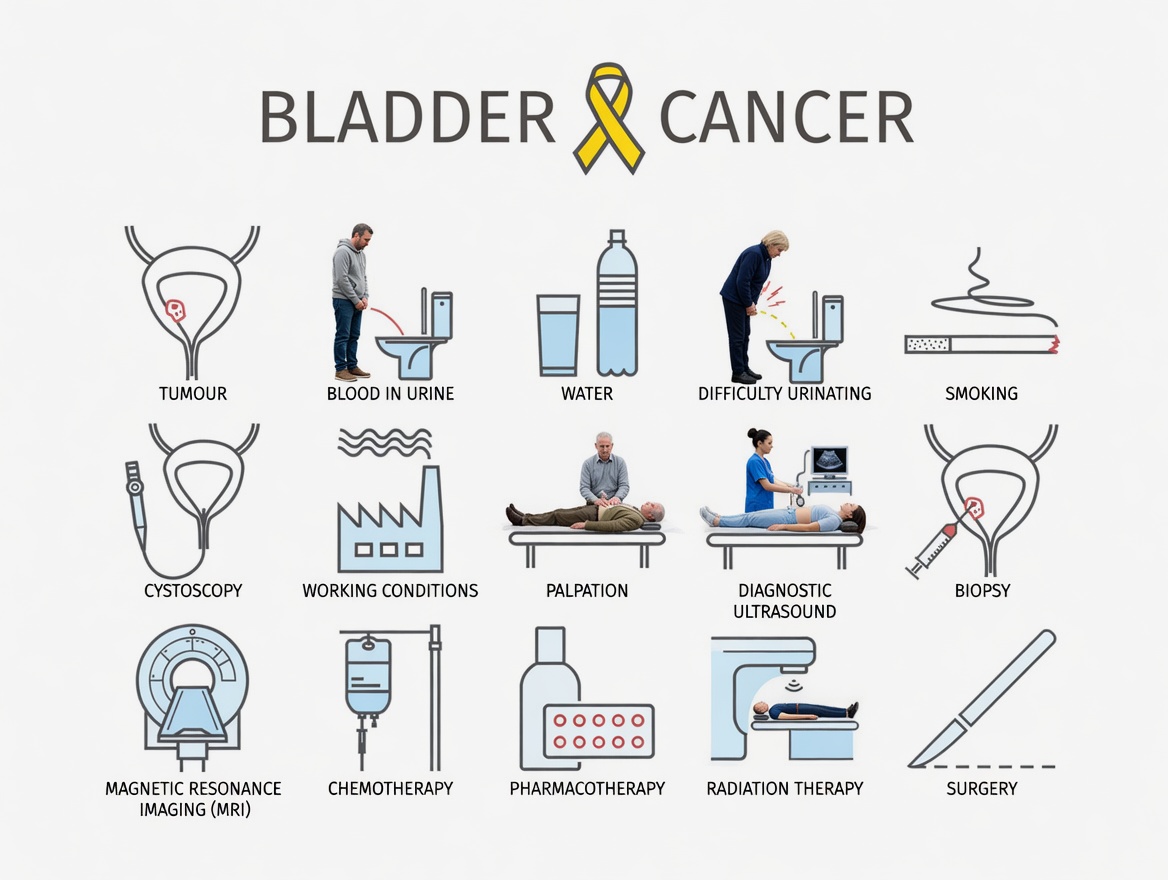
One symptom stands out here: blood in the urine.
If you ever notice blood (even a small amount), it needs prompt assessment. Hematuria should not be ignored, even if it comes and goes or you feel otherwise well.
Other signs that may require evaluation include:
- Changes in urinary flow
- Increased frequency of urination
Risk factors such as smoking are especially important because they significantly increase the risk of bladder cancer.
6) Skin Cancer and Melanoma: The ABCDE Rule
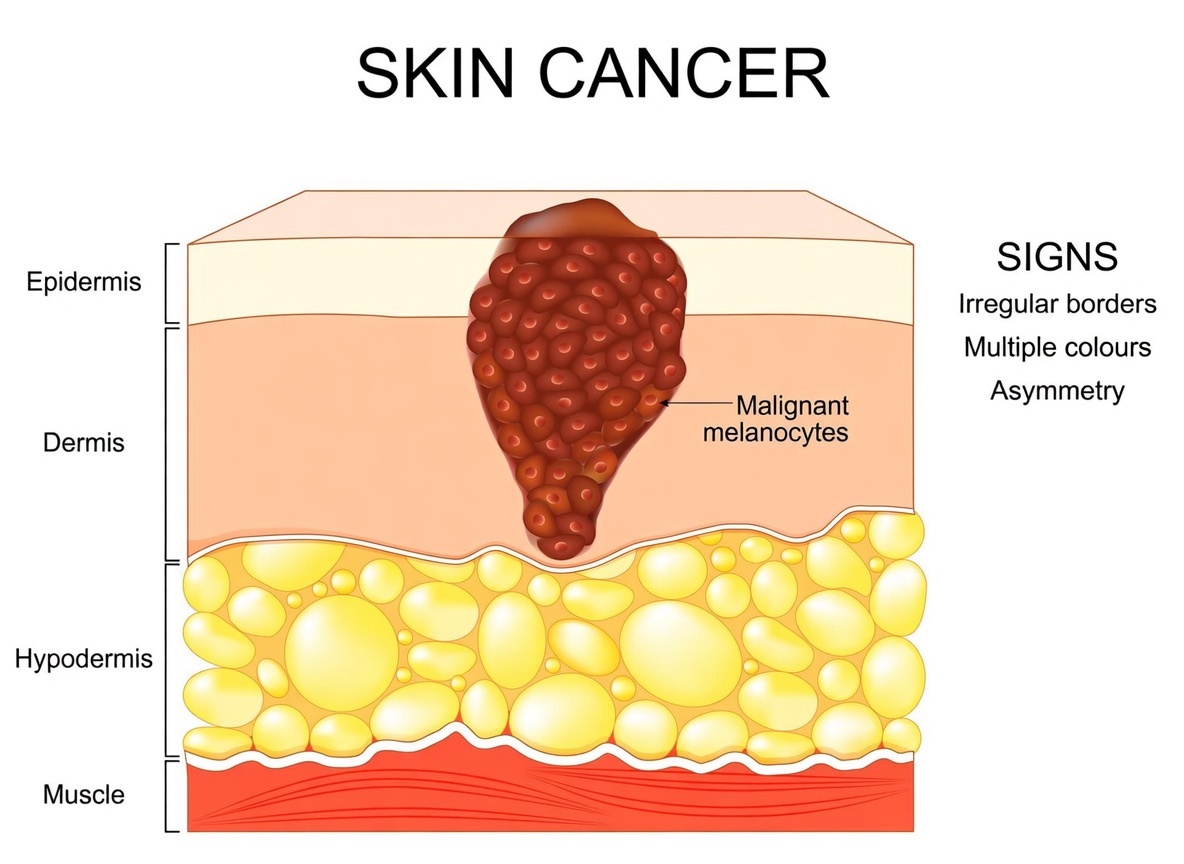
Melanoma is the most dangerous type of skin cancer because it can spread quickly. Early detection makes a major difference, and many clinicians use the ABCDE rule to assess suspicious moles:
- A — Asymmetry
- B — Border irregularity
- C — Color variation
- D — Diameter increasing
- E — Evolving (changing size, shape, color, or behavior)
Any new or changing mole, or a sore that won’t heal—especially in areas frequently exposed to sun—should be checked without delay.
Frequently Asked Questions (FAQ)
1) How do I know when it’s time to see a doctor?
If a symptom lasts more than a few weeks with no clear explanation, it’s worth booking an appointment. Doctors also pay close attention to clusters of symptoms and changes from your normal baseline health.
2) Can cancer really be found early?
Yes. Many cancers can be detected earlier when warning signs are recognized and investigated promptly. Early diagnosis often means more treatment options and better outcomes.
3) What can I do to lower my cancer risk?
A healthier lifestyle can reduce risk, including:
- Eating a balanced diet
- Getting regular physical activity
- Avoiding or reducing known risks like smoking and excess alcohol
Disclaimer
This article is for educational purposes only and is not a substitute for professional medical advice, diagnosis, or treatment. If you’re concerned about symptoms or changes in your health, contact a qualified healthcare professional.