
Why Bedtime Habits Matter More After 60
As we get older, many of our nighttime routines feel familiar—and harmless. Yet simple choices like how you sleep, what you drink, or when you eat can quietly raise the risk of serious problems, including falls, heart strain, and even stroke-related complications. If you’re over 60, a few common bedtime habits may be shortening your healthspan without obvious warning signs.

What looks like a minor routine can cause real trouble at night. Picture waking up disoriented, feeling lightheaded, or shuffling to the bathroom in the dark. These “small” moments are a major reason many older adults experience dangerous nighttime falls, emergency visits, and long recoveries.

The upside: once you understand these hidden risks, you can make small, practical changes that support your heart, brain, balance, and sleep quality—often immediately.
The Hidden Nighttime Risks for Seniors
With age, the body reacts differently to everyday behaviors:
- The heart can be more sensitive to stress and oxygen changes
- Breathing patterns during sleep may shift
- The nervous system may respond more slowly, affecting balance and coordination
Sleep medicine research links poor nighttime routines to sleep fragmentation, blood pressure swings, and extra strain on the cardiovascular system. For adults over 60, these effects can matter more than you’d expect.

The reassuring truth is that many of these risks don’t come only from illness—they often come from modifiable daily habits. Below are some of the most common bedtime mistakes and safer alternatives.
Drinking Too Much Water Right Before Bed
Hydration supports digestion, kidney function, and joint comfort. However, timing becomes especially important as we age.
As bladder sensitivity increases and kidney function changes over time, drinking a lot of fluids late in the evening often triggers multiple bathroom trips overnight—and that’s where the danger begins.

Nighttime bathroom visits commonly happen when you’re half-asleep and less steady on your feet. Fall-prevention research shows a significant share of senior falls occur during these late-night trips.
Interrupted sleep can also create additional health issues:
- Next-day brain fog and poorer focus
- Long-term weakening of immune function
- Less stable blood pressure regulation overnight
Smarter Hydration Habits
- Drink a full glass of water in the morning
- Sip consistently throughout the day
- Gradually reduce fluids in the late evening
- Stop most liquids about 2 hours before bed
- If thirsty, take small sips only
- Use night lights to brighten the route to the bathroom
These small shifts can reduce sleep disruption and lower fall risk.
Eating Dinner Too Late at Night
Retirement often changes schedules, and late dinners can become routine. But eating close to bedtime can interfere with the body’s natural nighttime recovery.
A heavy late meal keeps the digestive system working when your body should be resting. Instead of focusing on repair, your system is still processing food—raising the chance of:
- Indigestion and discomfort
- Acid reflux
- Lighter, more restless sleep
- Overnight blood pressure changes
Studies commonly associate earlier dinners with more stable sleep rhythms and healthier overnight metabolism.
A Healthier Evening Eating Routine
- Aim to finish dinner at least 3 hours before bedtime
- Choose lighter options like vegetable soup, fish, or steamed vegetables
- Avoid heavy fried, sugary, or very spicy foods late at night
- If needed, pick a small snack such as yogurt or fruit
This gives your body the chance to enter deeper rest.
Sleeping in a Position That Disrupts Breathing
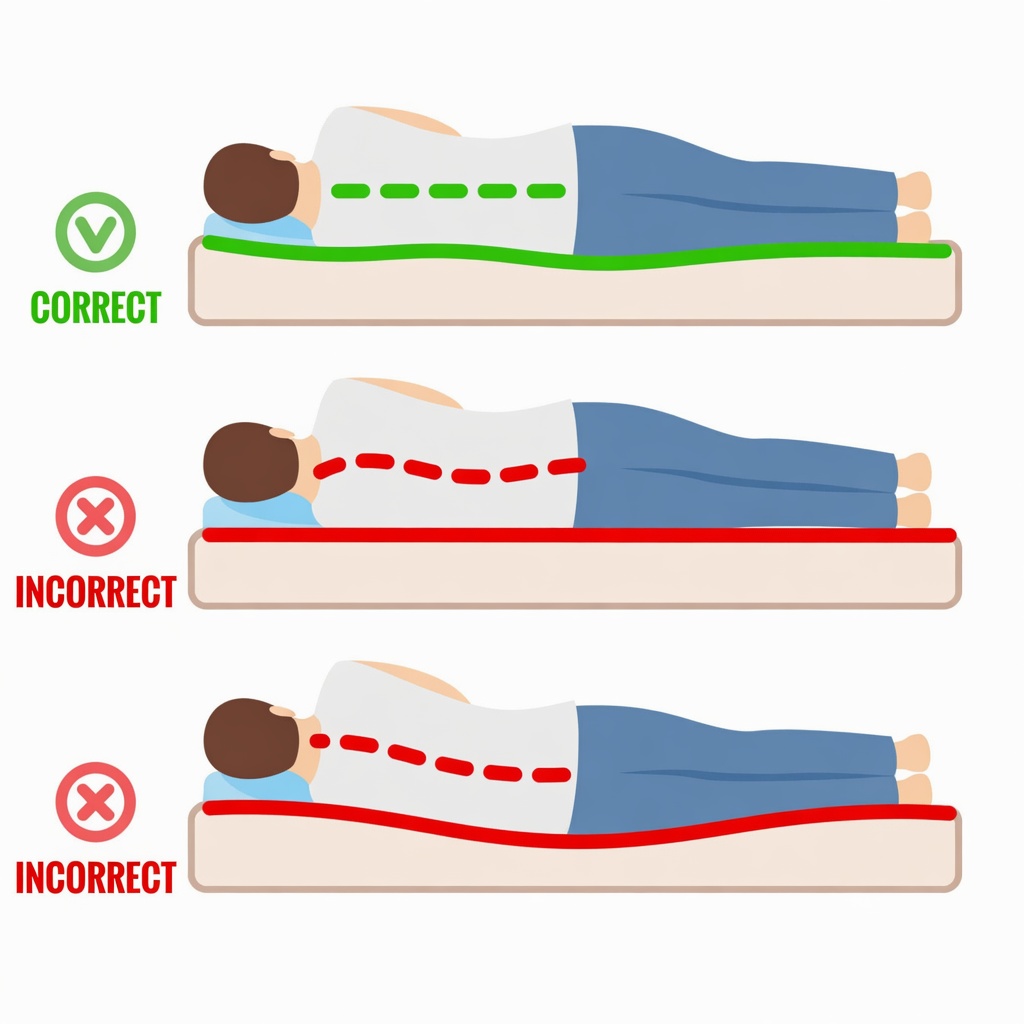
Most people never reconsider their sleep posture—but sleeping position can affect breathing, circulation, and spinal comfort.
For some adults, sleeping flat on the back can narrow the airway, especially if there’s snoring or brief breathing interruptions. When airflow is restricted, oxygen levels may fluctuate and the heart works harder.
Stomach sleeping can also be problematic because it often twists the neck and spine for hours, contributing to stiffness and restless sleep.

Sleep specialists frequently recommend side sleeping for easier breathing and better alignment.
Better Sleep Position Tips
- Try sleeping on your side when possible
- Place a pillow between your knees for hip and spine support
- Use a supportive neck pillow
- Avoid overly high pillows that push the head forward
Comfortable alignment helps your body stay relaxed through the night.
Keeping the Bedroom Too Warm
A cozy room may feel comforting, but excessive warmth can sabotage deep sleep. The body is designed to cool down slightly at night, signaling the brain that it’s time for restorative rest.
If the room is too hot, the body struggles to release heat—keeping the nervous system more active and making sleep lighter and more fragmented.
Common signs the room is too warm include:
- Frequent awakenings
- Night sweating
- Feeling unrefreshed in the morning
- Restlessness

Ideal Bedroom Temperature Tips
- Keep the room around 64–68°F (18–20°C)
- Use breathable cotton bedding
- Wear lightweight sleep clothing
- Layer blankets instead of using one heavy blanket
- Allow gentle airflow (fan or a slightly open window)
A cooler sleep environment often improves sleep depth significantly.
Standing Up Too Fast During the Night
If you’ve ever jumped out of bed at night and felt dizzy, you’re not alone. This can happen when blood pressure briefly drops as the body shifts from lying down to standing—often called orthostatic blood pressure changes.
For older adults, even a few seconds of imbalance can increase the risk of falls and injury.

Safer Steps for Nighttime Movement
- Sit up slowly and pause on the edge of the bed
- Move your feet gently to activate circulation
- Take a few calm breaths
- Stand up gradually only when you feel steady
These steps give your body time to stabilize.
Don’t Ignore Loud Snoring or Breathing Pauses
Snoring is often dismissed as a nuisance, but in some cases it may signal a sleep-related breathing disorder such as sleep apnea. With sleep apnea, the airway can narrow and cause brief breathing pauses many times per night.
When breathing stops even briefly, oxygen drops and the heart must work harder to restore normal breathing—adding strain over time.
Seek medical guidance if you notice:
- Very loud, persistent snoring
- Gasping or choking during sleep
- Morning headaches
- Severe daytime tiredness
A sleep specialist can evaluate symptoms and suggest solutions, including monitoring, lifestyle changes, or targeted treatment.
Conclusion: Small Nighttime Changes, Big Health Benefits
After 60, bedtime habits aren’t just about comfort—they can influence heart health, brain function, balance, and sleep quality. By adjusting hydration timing, eating dinner earlier, improving sleep position, keeping the bedroom cool, and moving more carefully at night, you can reduce hidden risks and sleep more safely.