When Numbness and Tingling Disrupt Your Day
Waking up with a persistent “pins and needles” feeling in your fingers can be unsettling. Numb feet can make walking feel awkward and uncertain, and that constant prickly sensation may even interfere with sleep and everyday comfort. When numbness and tingling linger, it’s natural to wonder what’s happening—and what you can do about it.
For many people, these sensations are connected to nerve function, and nutrient shortfalls may be one contributing factor. The good news: targeted vitamins and minerals can sometimes support healthier nerve signaling, especially when a deficiency is involved.
What Can Trigger Numbness and Tingling?
Numbness and tingling (often called paresthesia) happens when nerves struggle to transmit messages effectively to the brain. As a result, hands and feet may feel “asleep,” prickly, or strangely numb—making simple tasks harder than they should be.
Common contributors include:
- Diabetes and blood sugar-related nerve changes
- Aging and wear-and-tear on the nervous system
- Repetitive strain or pressure on nerves (such as from posture or overuse)
- Nutrient deficiencies that weaken nerve support systems
Beyond being annoying, these sensations can affect balance, confidence in movement, and sleep quality. Supporting nerve health through nutrition may help reduce how often this discomfort interrupts your life.

Vitamins and Nutrients That May Help Support Nerve Health
Certain nutrients are closely tied to how nerves maintain their structure, generate energy, and send signals. If numbness and tingling are limiting your routine, addressing possible nutritional gaps can be a practical starting point—especially alongside medical guidance.

Vitamin B12: Helps Maintain the Nerve’s Protective Covering
Vitamin B12 is essential for maintaining myelin, the protective layer around nerves. When B12 is low, tingling and numbness—especially in hands and feet—may become more noticeable and persistent. Research suggests that correcting a B12 deficiency can reduce these symptoms for many individuals.
Good dietary sources include:
- Fish (such as salmon)
- Eggs
- Dairy products
- Fortified foods (some cereals and plant milks)
If you suspect low B12, it’s worth discussing testing with a healthcare professional, especially if symptoms are frequent.
Vitamin B1 (Thiamine): Supports Nerve Energy and Signal Strength
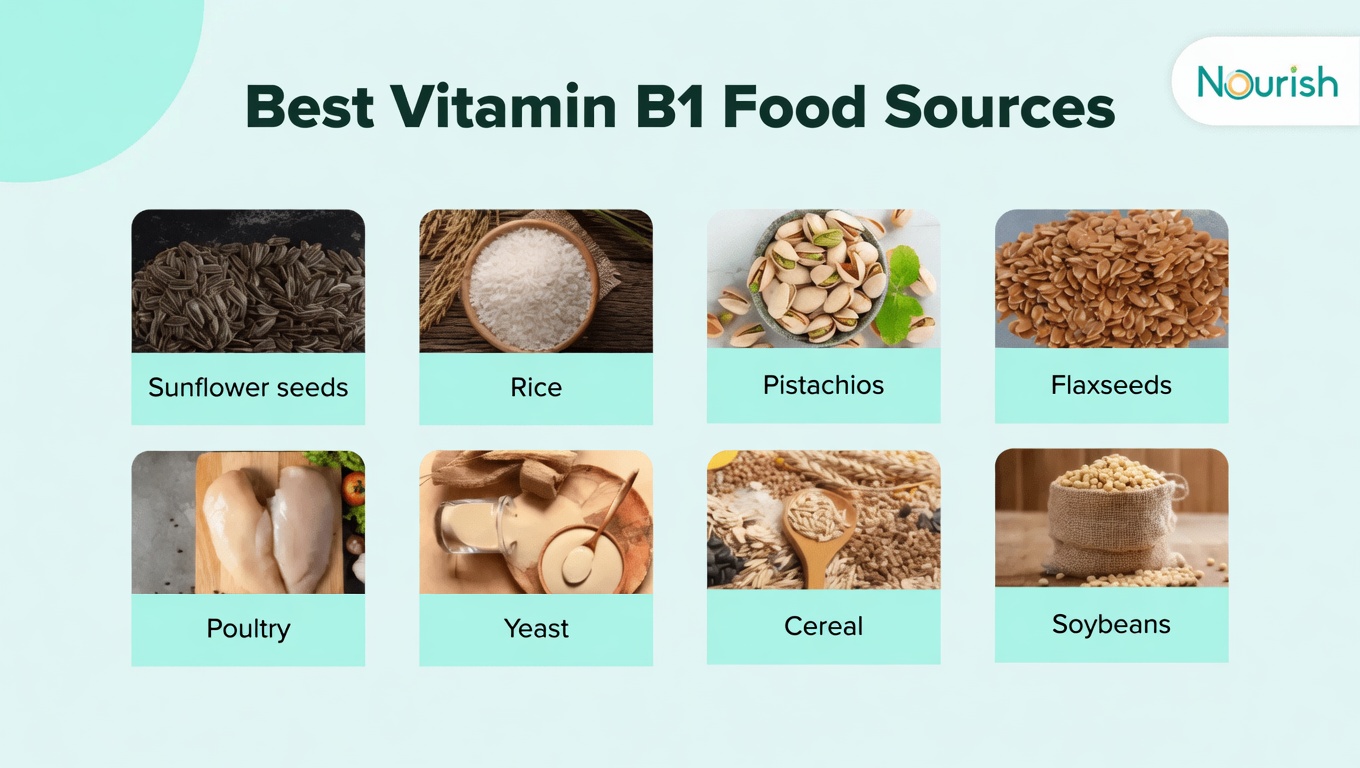
Vitamin B1 helps nerves produce the energy required to function smoothly. Without enough thiamine, people may experience tingling, weakness, or fatigue that makes everyday activity feel harder than normal. Evidence suggests adequate B1 supports clearer nerve communication in some cases.
Food sources to consider:
- Whole grains
- Nuts
- Seeds
- Legumes
Improving thiamine intake through meals is often an easy, low-risk way to support nerve metabolism.

Vitamin D: Linked to Nerve Comfort and Protection
Low vitamin D is widespread and has been associated with increased nerve discomfort, including numbness and tingling in the extremities. Vitamin D plays a broader role in the body than bone health—it also supports overall nerve function, and adequate levels may improve comfort for some people.
Ways to increase vitamin D:
- Sensible sun exposure
- Fortified foods
- Fatty fish (like sardines or salmon)
If you live in a low-sunlight climate or spend most time indoors, checking your vitamin D status may be particularly useful.
Vitamin B6: Helps Keep Nerve Signaling Balanced
Vitamin B6 is involved in neurotransmitter activity and nerve communication. Both too little and too much B6 can create nerve-related issues, so balance matters. When levels are appropriate, B6 may support steadier nerve signaling and reduce overly “irritable” sensations in some individuals.
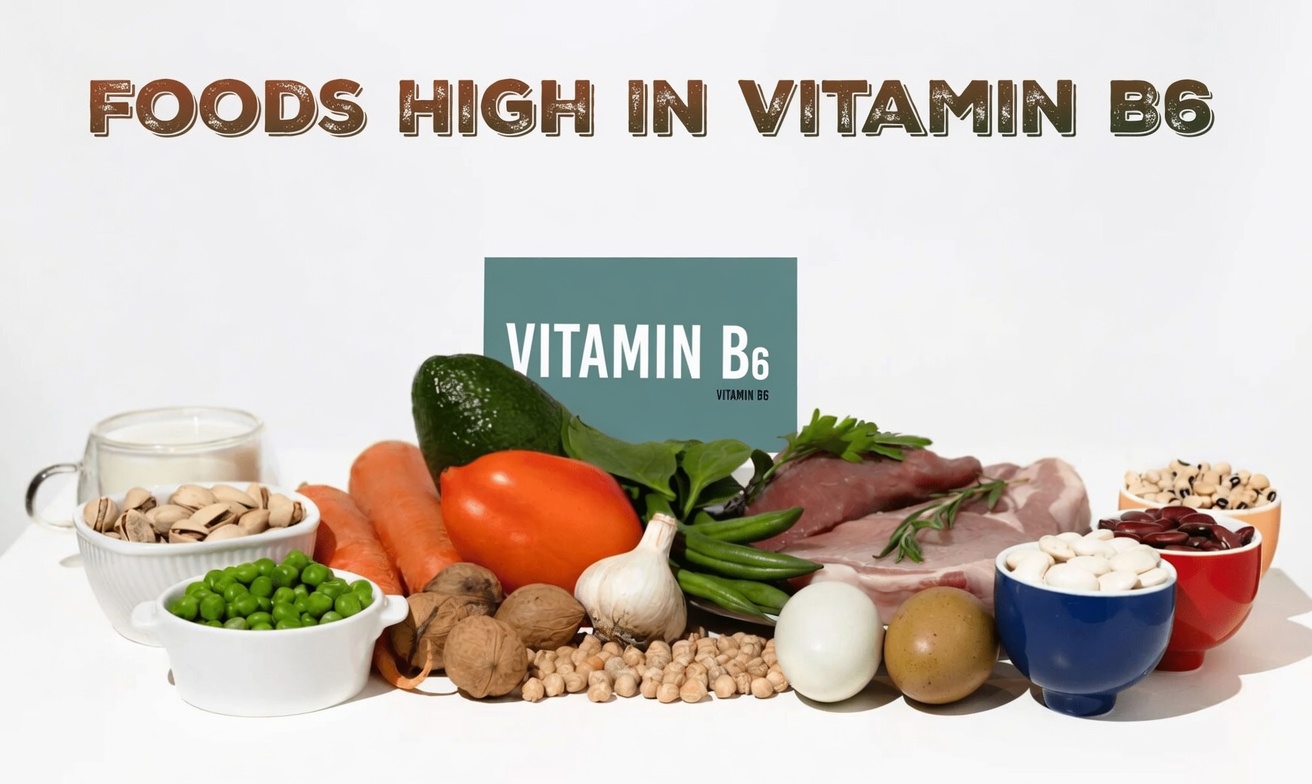
Food sources include:
- Poultry
- Bananas
- Chickpeas
- Potatoes
If you use supplements, avoid high doses unless guided by a clinician, since excessive B6 can also contribute to nerve symptoms.
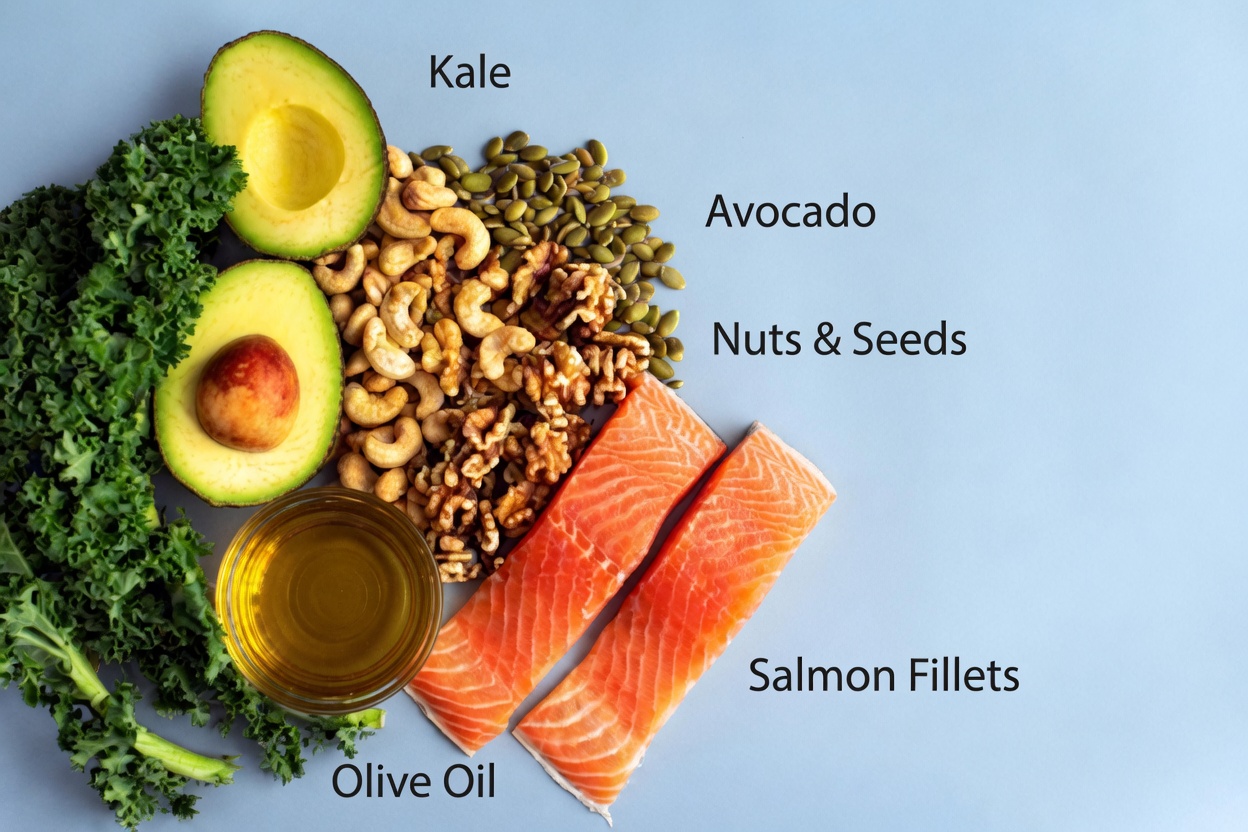
Magnesium: Supports Calmer Nerve and Muscle Activity
Magnesium helps regulate nerve impulses and muscle responses. When magnesium is low, tingling may feel worse, and some people also notice twitching, restlessness, or nighttime discomfort. Research suggests magnesium can support nerve and muscle relaxation in certain cases.
Magnesium-rich foods:
- Spinach and other leafy greens
- Almonds
- Avocados
- Beans
Increasing magnesium through diet is often a gentle first step.
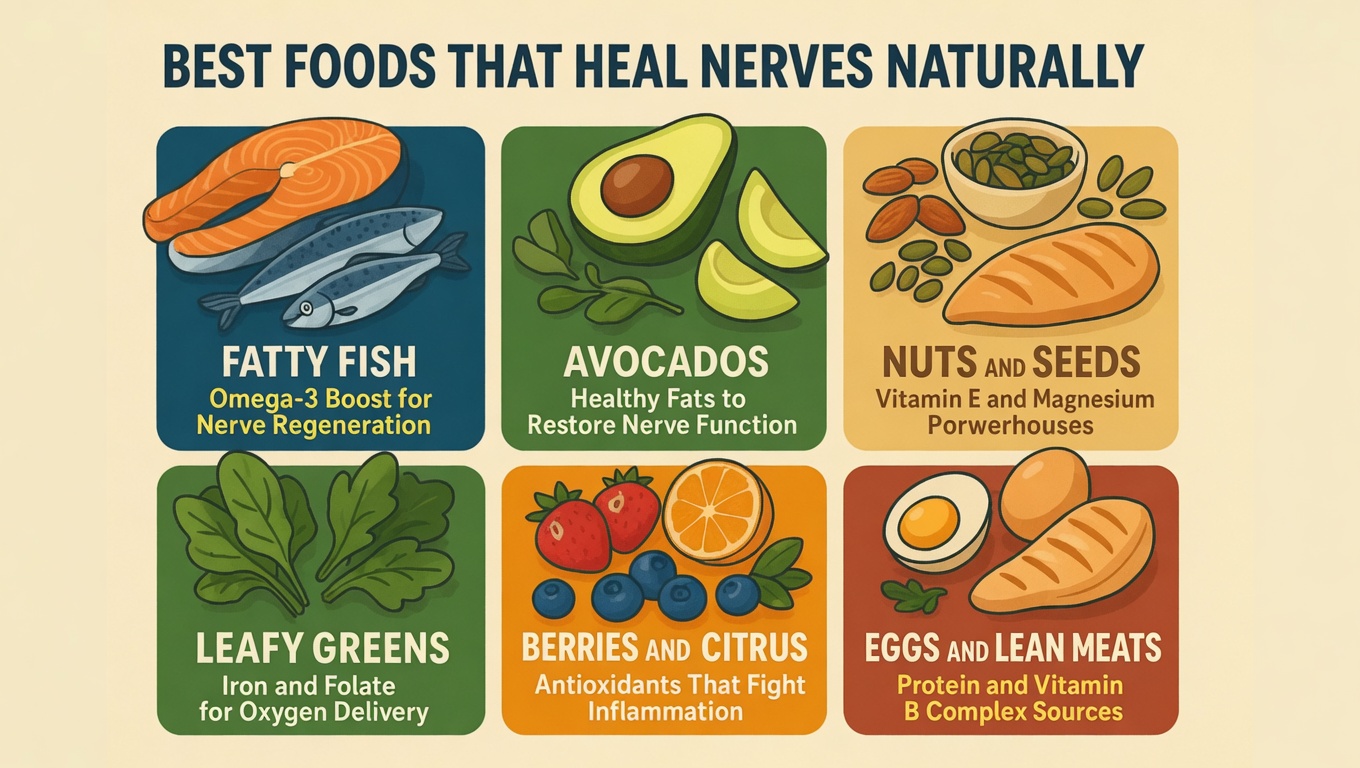
Alpha-Lipoic Acid (ALA): Antioxidant Support for Nerves
Alpha-lipoic acid (ALA) is an antioxidant studied for its role in protecting nerves from oxidative stress, which can contribute to nerve discomfort. Some studies suggest ALA may help improve symptoms in people dealing with nerve challenges, including tingling sensations.
You can find small amounts in:
- Spinach
- Broccoli
- Other vegetables
ALA is also available as a supplement, but it’s best considered with professional guidance—especially if you have medical conditions or take medications.
Quick Comparison: Nutrients Commonly Linked to Nerve Support
-
Vitamin B12: Supports myelin maintenance
- Low-level clues: persistent numbness/tingling, fatigue
- Foods: salmon, eggs, dairy, fortified foods
-
Vitamin B1 (Thiamine): Helps nerves produce energy
- Low-level clues: tingling, weakness
- Foods: whole grains, nuts, seeds
-
Vitamin D: Supports nerve protection and comfort
- Low-level clues: increased extremity discomfort
- Sources: sunlight, fortified milk, fatty fish
-
Vitamin B6: Helps regulate nerve signaling
- Low-level clues: irritation, overly intense sensations
- Foods: poultry, bananas, chickpeas
-
Magnesium: Calms nerve and muscle activity
- Low-level clues: twitching with tingling or numbness
- Foods: spinach, almonds, avocado
-
Alpha-Lipoic Acid (ALA): Antioxidant support for nerves
- Low-level clues: higher oxidative stress burden
- Foods: spinach, broccoli (supplement forms also exist)
Safer Ways to Add These Nutrients to Your Routine
If you’re dealing with numbness and tingling, gradual changes are usually the most sustainable. Food-first strategies can be a smart foundation.
- Review your daily diet and add B12-rich items (for example, eggs at breakfast).
- Aim for short daily sun exposure (about 10–15 minutes, depending on skin type and location) to support vitamin D.
- Choose magnesium-friendly snacks, like a small handful of almonds.
- Ask your clinician about a blood test to check key levels (such as B12 and vitamin D).
- If you supplement, start cautiously and monitor your response—especially with B6, which can cause issues at high doses.
If symptoms persist, worsen, or appear suddenly, seek medical care to rule out underlying conditions.
Moving Toward Greater Comfort
Numbness and tingling don’t have to control your day. By focusing on nerve-supporting nutrients—especially if a deficiency is present—many people find a path toward steadier sensations and fewer disruptions. Start with small nutrition upgrades and combine them with professional guidance for the safest, most effective plan.
- Try today: Add a spinach salad with nuts to support magnesium and antioxidant intake.
- Reflect: What would change in your routine if tingling episodes became less frequent?
- Share: Someone else may benefit from learning about nutrient-related nerve support.
Frequently Asked Questions
-
Can vitamins completely stop numbness and tingling?
Not always. These symptoms have many possible causes. However, correcting a deficiency may reduce symptoms and support healthier nerve function for some people. -
How long does it take to notice improvement?
It varies. Some people notice changes in weeks, while others need a few months, depending on baseline levels, consistency, and the root cause. -
Are supplements safe for everyone with tingling sensations?
Not necessarily. Supplements may interact with medications or health conditions, and certain nutrients (such as B6) can be harmful in high doses. Consult a healthcare provider for personalized advice.
Disclaimer: This content is for informational purposes only and does not replace professional medical advice. If you have concerns about numbness, tingling, or nerve health, consult a qualified healthcare professional.