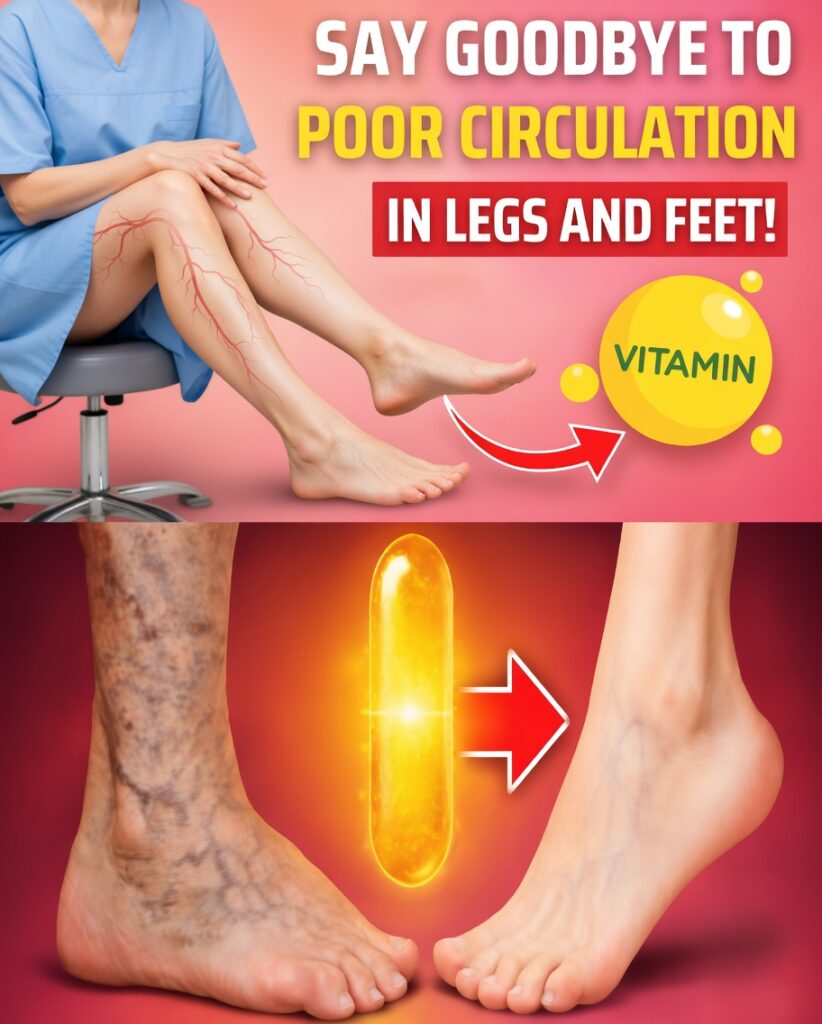
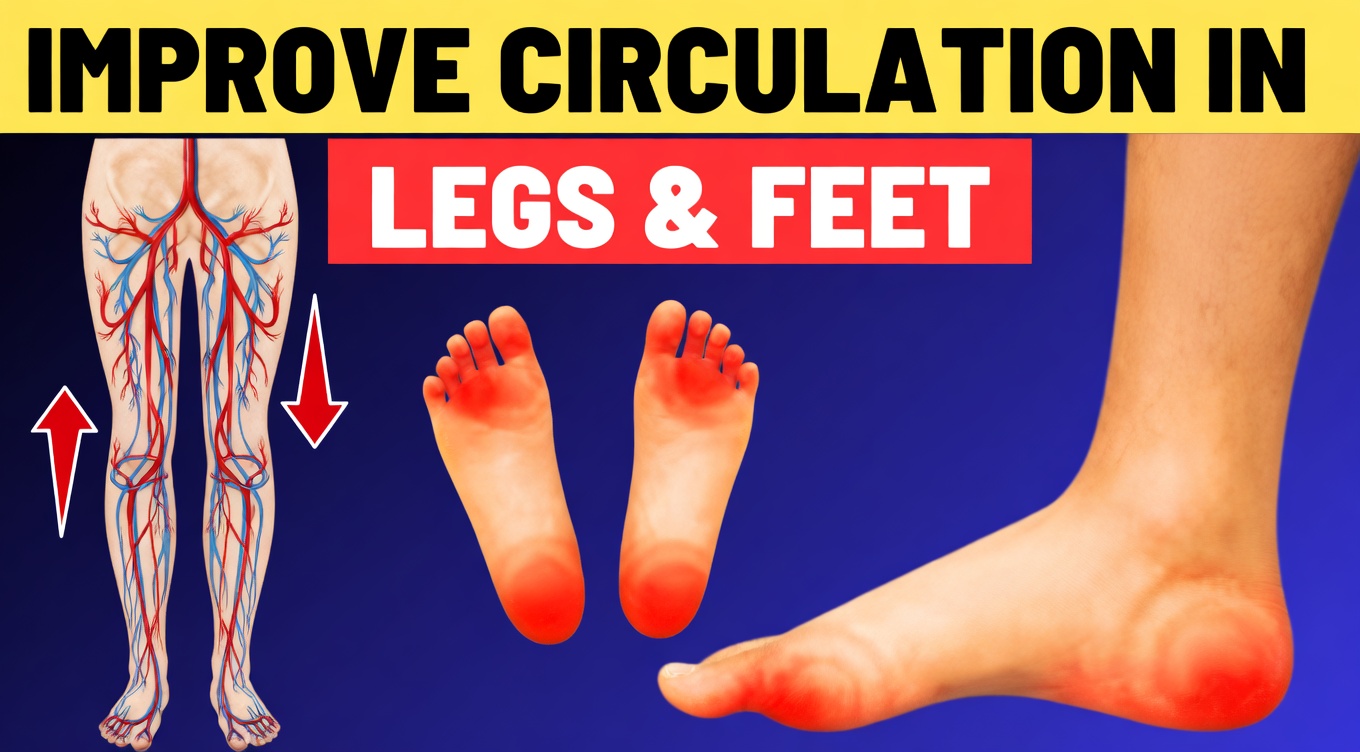
That heavy, achy feeling in your legs after a short walk, the icy feet that never warm up under blankets, or the irritating tingles and night-time cramps — all of these can be signs that blood is not circulating well to your lower body. For many people over 50, these changes appear gradually and are dismissed as “just aging” or “sitting too much.” In reality, they often indicate that blood vessels are struggling to deliver enough oxygen-rich blood to your legs and feet.
There is no single nutrient that completely fixes poor circulation overnight. However, one vitamin is consistently highlighted for its potential to support vascular health and enhance blood flow: niacin, also known as vitamin B3. This often-overlooked vitamin may be a simple, natural addition to your daily routine — and the way it works might surprise you.
The One Vitamin That May Help Improve Poor Circulation in Legs and Feet
Niacin (vitamin B3) is frequently discussed when it comes to supporting circulation, especially in the legs and feet. It plays a key role in:
- Helping blood vessels relax and widen (vasodilation)
- Supporting healthy cholesterol levels
- Promoting overall vascular function
For many people who struggle with heavy, cold, or easily fatigued legs, increasing niacin intake through diet or guided supplementation is one way to help the body maintain better blood flow to the extremities.
Why Poor Leg and Foot Circulation Becomes More Common With Age
As you get older, several changes can gradually interfere with smooth blood flow to your lower body:
- Blood vessels may become stiffer and less elastic
- Plaque can slowly accumulate in artery walls
- Low-grade inflammation can interfere with circulation
These shifts can leave your legs and feet feeling:
- Heavy or weak after minimal activity
- Numb, tingly, or prone to “pins and needles”
- Uncomfortably cold, even in warm environments
Women may notice these symptoms more around menopause or during hormonal shifts, while men often connect them to long hours of sitting or a history of smoking. Everyday tasks such as walking through a store, climbing stairs, or gardening can start to feel surprisingly draining.
Supporting circulation naturally begins with habits and nutrients that protect blood vessels. Among these, vitamin B3 stands out for its specific effects on vessel relaxation and blood flow.
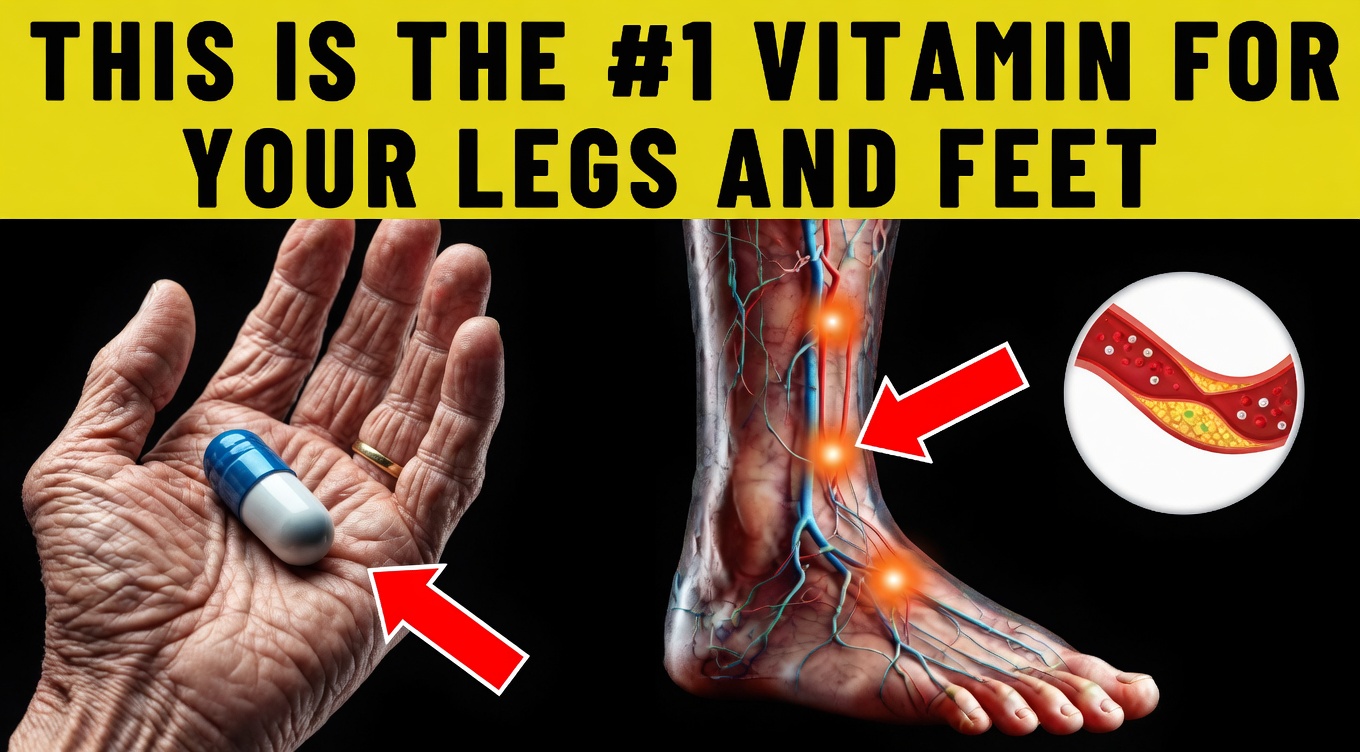
The Circulation-Supporting Vitamin: Niacin (Vitamin B3)
Niacin is a water-soluble B vitamin involved in hundreds of metabolic reactions in the body, including energy production and fat metabolism. When it comes to circulation, its most notable action is vasodilation — helping blood vessels widen and relax.
When blood vessels open up more easily, it becomes simpler for warm, oxygenated blood to reach your calves, ankles, and toes. This can:
- Reduce that “heavy leg” sensation
- Ease feelings of coldness in the feet
- Support better endurance when you walk or stand
Niacin is also known for helping manage cholesterol by:
- Reducing “bad” LDL cholesterol and triglycerides
- Supporting “good” HDL cholesterol
Over time, healthier cholesterol patterns can reduce the likelihood of plaque buildup that narrows arteries and restricts blood flow — a key issue in poor leg and foot circulation.
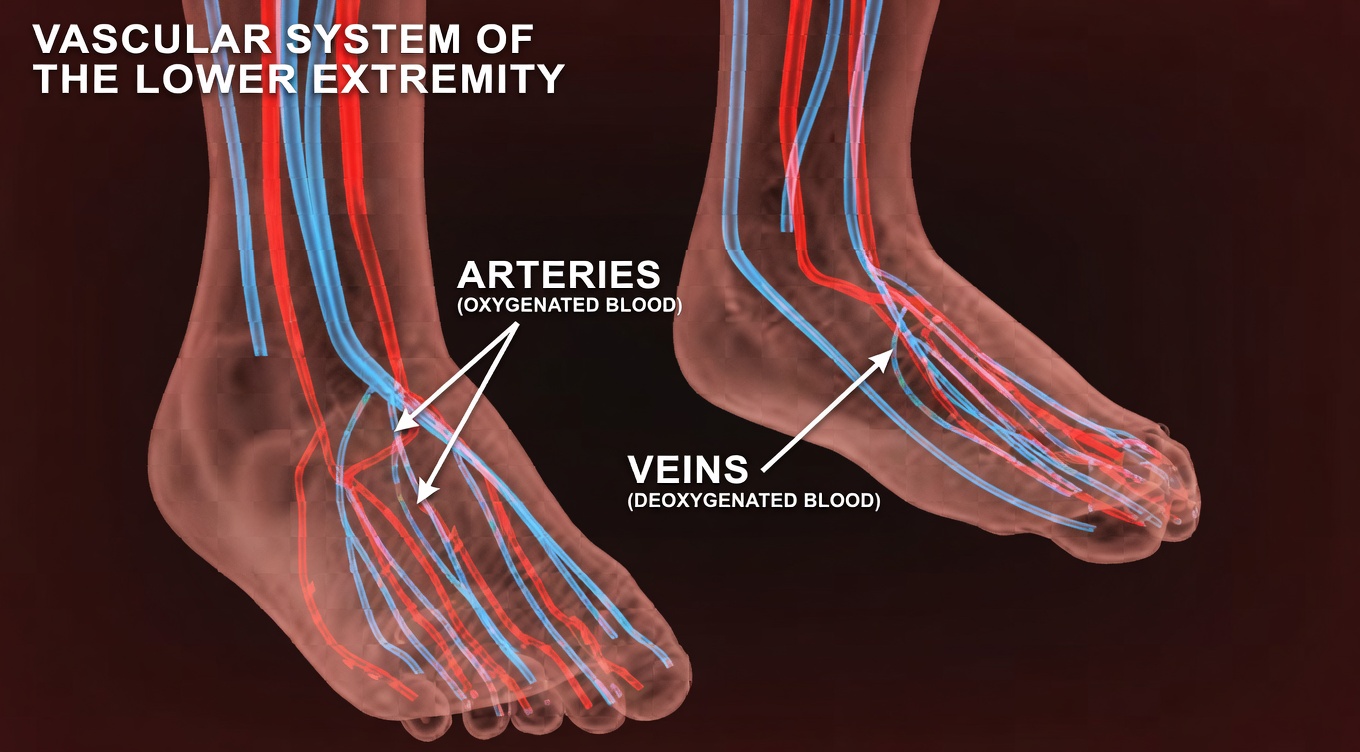
How Niacin May Improve Blood Flow to Legs and Feet
If you experience calf cramps when walking, burning or tingling in your feet, or fatigue after short distances, blood flow to your lower limbs may be part of the problem. Niacin may help in several practical ways:
-
Vasodilation of peripheral vessels
Niacin can trigger the release of compounds such as prostaglandins that encourage blood vessels to widen. This can increase circulation to the extremities and sometimes creates a warm, flushed feeling on the skin. -
Support for healthier arteries
By aiding cholesterol balance, niacin may lower the risk of fatty deposits that harden and narrow arteries supplying the legs and feet. -
Improved oxygen and nutrient delivery
With better flow, muscles in your legs get more oxygen and nutrients during activity, which can translate into less fatigue and fewer cramps.
Many people who focus on niacin intake through food or carefully supervised supplements report subtle changes, such as:
- Less intense leg heaviness after walking
- A warmer sensation in cold feet
- More comfortable standing and moving throughout the day
Results differ from person to person, and niacin is not a cure-all. Still, its influence on vessel dilation makes it a noteworthy tool for supporting lower-body circulation.
What Research Suggests About Niacin and Peripheral Circulation
That “leaden” feeling in your legs after only a short walk is often linked to reduced blood flow in the smaller vessels of the lower limbs, a situation sometimes referred to as peripheral vascular or peripheral artery issues.
Research has explored different forms of vitamin B3 and their impact on circulation:
-
Nicotinamide riboside (a form of B3)
Some clinical studies have found that this form of B3 may improve walking performance and endurance in individuals with peripheral artery problems, suggesting better lower-limb function. -
Endothelial function and inflammation
Niacin is frequently mentioned for its ability to support the endothelium — the inner lining of blood vessels — and to reduce certain inflammatory processes. Healthy endothelial function is crucial for proper vessel dilation and smooth blood flow.
While niacin is not a stand-alone treatment for serious vascular disease, these findings help explain why many experts regard vitamin B3 as a valuable nutrient for circulation, especially in the legs and feet. It is best viewed as part of a broader plan that includes lifestyle, medical guidance, and other nutrients.
How Niacin Compares With Other Vitamins for Circulation
Several vitamins and nutrients are often discussed for supporting circulation to the legs and feet. Here’s how they generally compare:
| Vitamin / Nutrient | Main Circulation Support Role | Best For Legs/Feet? | Common Food Sources | Notes |
|---|---|---|---|---|
| Niacin (B3) | Vasodilation, cholesterol balance | Frequently highlighted for peripheral flow | Poultry, fish, peanuts, whole grains, mushrooms | May cause temporary flushing; supports vessel widening |
| Vitamin E | Antioxidant, helps limit platelet clumping | Broad vascular protection | Nuts, seeds, vegetable oils, spinach | Protects against oxidative damage in blood vessels |
| Vitamin C | Collagen production, antioxidant | Supports strong, flexible vein walls | Citrus fruits, berries, peppers, broccoli | Low levels linked to worse vascular function |
| B6 & B12 | Red blood cell health, homocysteine regulation | Supports oxygen transport to tissues | Meat, fish, eggs, dairy, leafy greens | Helps prevent anemia-related circulation problems |
Among these, niacin is particularly notable for the “warmth and ease” many people describe in their legs and feet, largely due to its direct influence on vessel dilation and blood flow.
Easy Ways to Get More Niacin Each Day
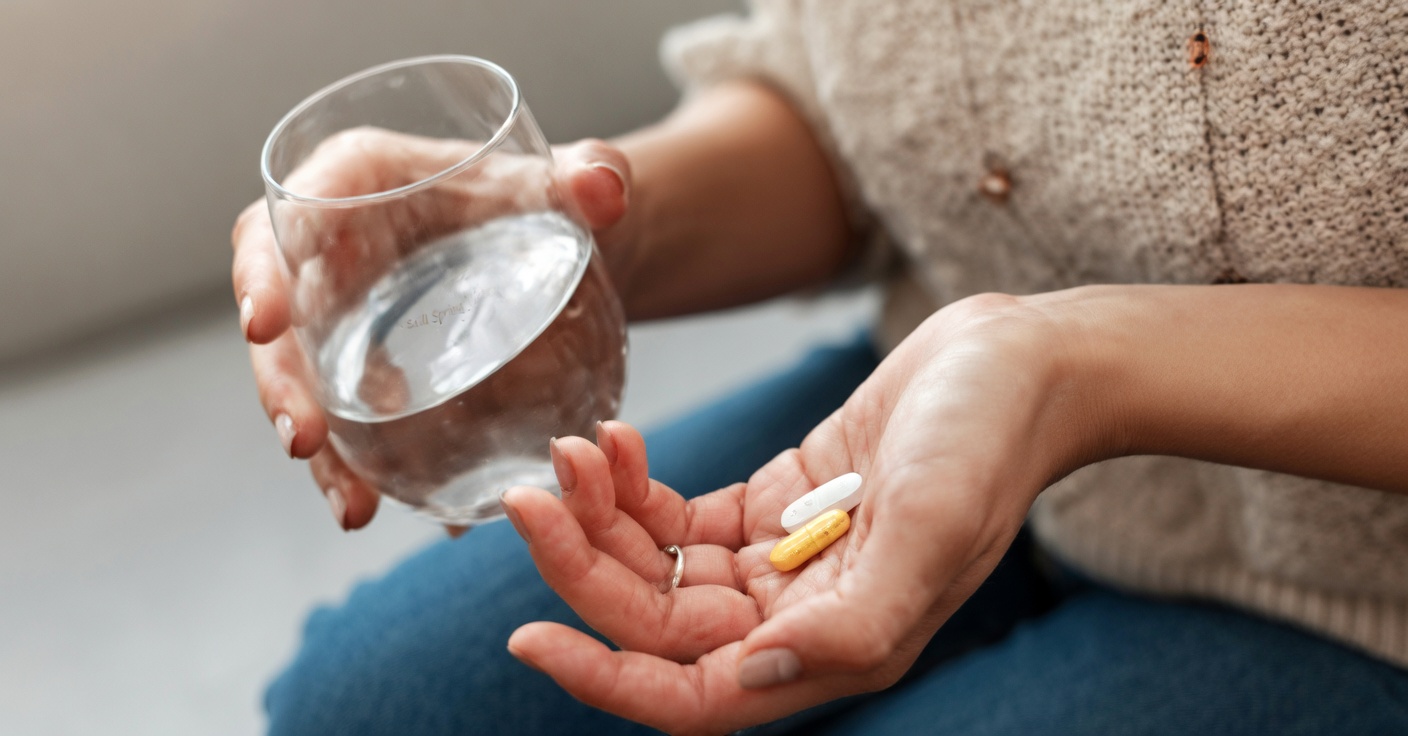
If your circulation feels sluggish, focusing on daily niacin intake is a practical starting point. Here are simple ways to do that:
-
Add niacin-rich foods to your meals
Include one or more of these regularly:- Turkey, chicken, or other poultry
- Salmon, tuna, and other fatty fish
- Peanuts and peanut butter
- Mushrooms
- Whole grains (such as brown rice or whole wheat)
-
Observe how your legs and feet respond
Over 4–6 weeks, note any changes in:- Coldness in your feet
- Frequency of cramps or tingling
- How tired your legs feel after walking
-
Consider a B-complex supplement
If your diet is limited, a balanced B-complex that includes niacin may help. Many people start with a lower dose to minimize the common “niacin flush” — a temporary warmth, redness, or tingling of the skin. -
Combine nutrients with gentle movement
Short walks, ankle circles, and occasionally elevating your legs can enhance the impact of any circulation-supporting nutrient. -
Check with your healthcare provider first
This is especially important if you have diabetes, liver conditions, cardiovascular disease, or take medications such as cholesterol-lowering drugs. Your provider can:- Review your current vitamins and medicines
- Help determine appropriate doses
- Monitor for potential side effects
Lifestyle Habits That Enhance Circulation Alongside Niacin
Niacin works best as part of an overall circulation-supporting lifestyle. Consider pairing it with these daily habits:
-
Move regularly
Aim for short walks throughout the day rather than long periods of sitting. Even 5–10 minutes of walking every hour can help. -
Avoid prolonged sitting or standing in one position
Change positions, stretch your calves, and flex your ankles to keep blood moving. -
Elevate your legs when resting
Raising your feet slightly above heart level for brief periods can assist venous return from the lower legs. -
Stay hydrated
Adequate fluid intake supports healthy blood volume and circulation. -
Use comfort aids when needed
Warm foot baths, compression socks (if recommended by your doctor), and comfortable footwear can ease symptoms of cold or swollen feet.
These steady, moderate steps — combined with niacin-rich nutrition — can work together to help your legs feel lighter and more comfortable over time.
Frequently Asked Questions
Is niacin the only vitamin I need for better leg circulation?
No. Niacin is valuable because it helps blood vessels widen and supports cholesterol balance, but it is not the only nutrient involved. Vitamins C and E, as well as other B vitamins like B6 and B12, also contribute to healthy blood vessels, red blood cell function, and oxygen delivery. A balanced diet that includes multiple circulation-supporting nutrients is most effective.
Can I take niacin supplements safely?
Many people tolerate niacin well at typical dietary levels and modest supplement doses. However, higher doses can cause:
- Flushing (redness, warmth, and tingling of the skin)
- Itching
- Digestive upset
- In some cases, effects on liver function
Because of this, you should always speak with your healthcare provider before starting niacin supplements, especially if you:
- Have liver disease, gout, or diabetes
- Take cholesterol medications or blood pressure drugs
- Are pregnant or breastfeeding
Your provider can help you choose the most appropriate form and dose.
How long might it take to notice changes in leg and foot circulation?
People’s experiences vary widely. Some report:
- A gentle warmth in their feet
- Less heaviness in the legs
- Improved walking comfort
after several weeks of consistent niacin intake and supportive lifestyle changes. For others, improvements may be slower or more subtle. Tracking your symptoms over time and working with a healthcare professional can help you understand what is working for you.
This information is for educational purposes only and is not intended to diagnose, treat, cure, or prevent any disease. Poor circulation in the legs and feet can be a sign of underlying medical conditions, including serious vascular problems. Always consult your healthcare provider before starting supplements or making major changes to your diet or activity level, particularly if you have existing health issues or take prescription medications. Early professional evaluation and guidance are essential for the best outcomes.