
Onion and Cinnamon Tea for Period Cramps: What It May Do (and What Evidence Actually Says)
Period cramps can make even an ordinary day feel overwhelming—tight, aching pain low in the abdomen that may spread to the back or thighs, plus the drained, heavy feeling that often comes with your cycle. Many people rely on common options like over-the-counter pain relievers or heating pads, but interest has grown in gentler, home-style remedies. One of the most talked-about ideas online is a simple warm drink made by simmering onion and cinnamon in water.
This tea isn’t a guaranteed cure, and it won’t work the same for everyone. Still, the blend is rooted in traditional use and supported—at least partly—by research on its individual ingredients. Below is a practical, evidence-informed look at why people try it, how to make it, and what to keep in mind.

What Causes Period Cramps?
Menstrual cramps (also called dysmenorrhea) happen because the uterus contracts to shed its lining. These contractions are influenced by prostaglandins, hormone-like compounds that help trigger the process. When prostaglandin levels are higher, contractions can be stronger and more painful.
Common symptoms include:
- Cramping or sharp pain in the lower abdomen
- Pain that radiates to the lower back or upper thighs
- A heavy, pressured, or “full” pelvic sensation
- Sometimes nausea, headache, fatigue, or general discomfort
Because cramps are tied to muscle contractions and inflammation, many people look for options that may help calm the body—warmth, rest, movement, and supportive drinks included.
Why Onion Is Included in This Tea
Onions contain multiple plant compounds with potential health benefits. A frequently discussed one is quercetin, a flavonoid known for antioxidant and anti-inflammatory activity.
Some findings from laboratory and animal research suggest quercetin may influence inflammation pathways and may help reduce certain types of muscle contraction, including contractions affected by prostaglandins (which are closely linked to cramping). Traditional practices in different cultures also use onion-based preparations for a warming, circulation-supporting effect.
When onion is simmered in water, a portion of its water-soluble compounds moves into the liquid, producing a mild infusion. However, it’s important to be clear: direct human studies specifically testing onion tea for menstrual cramps are limited, so most support here is indirect (based on broader research and traditional use).
Why Cinnamon Gets More Attention for Menstrual Pain
Compared with onion, cinnamon has stronger clinical interest in the context of period discomfort. Several small randomized controlled trials (including double-blind studies) have evaluated cinnamon for primary dysmenorrhea.
Across studies, cinnamon—often given in amounts around 1–3 grams per day—has been associated with:
- Lower pain intensity
- Reduced nausea (in some participants)
- Sometimes shorter duration of pain
Broader reviews and meta-analyses that examine herbal approaches often list cinnamon as a promising option, likely due to its anti-inflammatory and smooth-muscle relaxing properties. A key compound, cinnamaldehyde, is frequently mentioned for its role in inflammation modulation and muscle relaxation—relevant because cramps involve uterine muscle spasms.
Traditional wellness systems also describe cinnamon as a “warming” spice that may support circulation and ease tension-related discomfort.
Why Combine Onion and Cinnamon?
The idea behind combining onion and cinnamon is simple: it aims to bring together potentially complementary effects, such as:
- Onion: antioxidant and anti-inflammatory compounds (including quercetin)
- Cinnamon: possible antispasmodic effects and inflammation support
In theory, less inflammation + less spasm could mean a more comfortable cycle.
There’s also another practical factor: drinking something warm can be soothing on its own. A hot beverage often encourages the body to relax and can create a comforting routine that makes cramps feel more manageable.
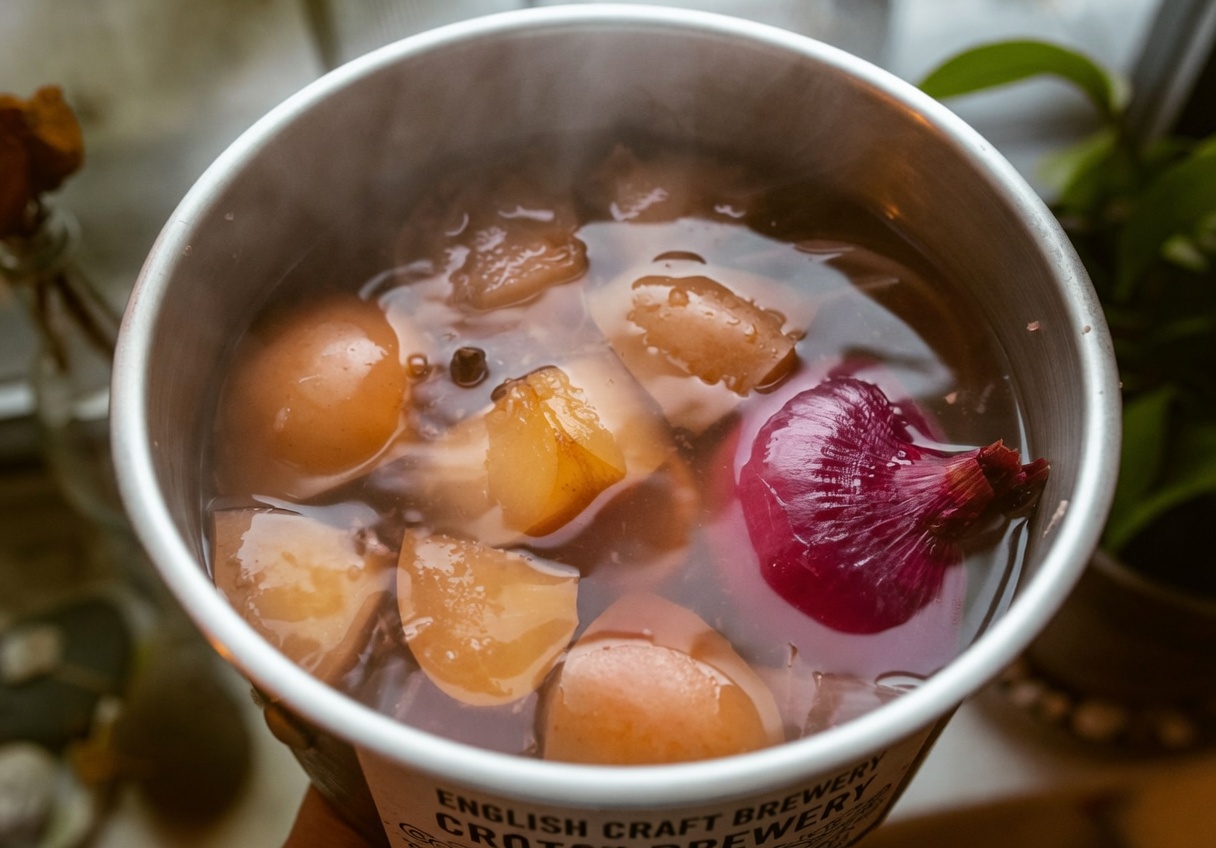
How to Make Onion and Cinnamon Tea
If you want to try this drink as a supportive self-care option, here’s a common preparation method:
- Slice ½ to 1 medium onion (peel on or off; if using the skin, wash thoroughly).
- Add 1 small cinnamon stick, or use about ½ teaspoon ground cinnamon (sticks are usually milder).
- Combine with 2–3 cups of water in a pot.
- Bring to a gentle boil, then reduce heat.
- Simmer for 10–15 minutes.
- Strain into a cup, let it cool slightly, and sip slowly.
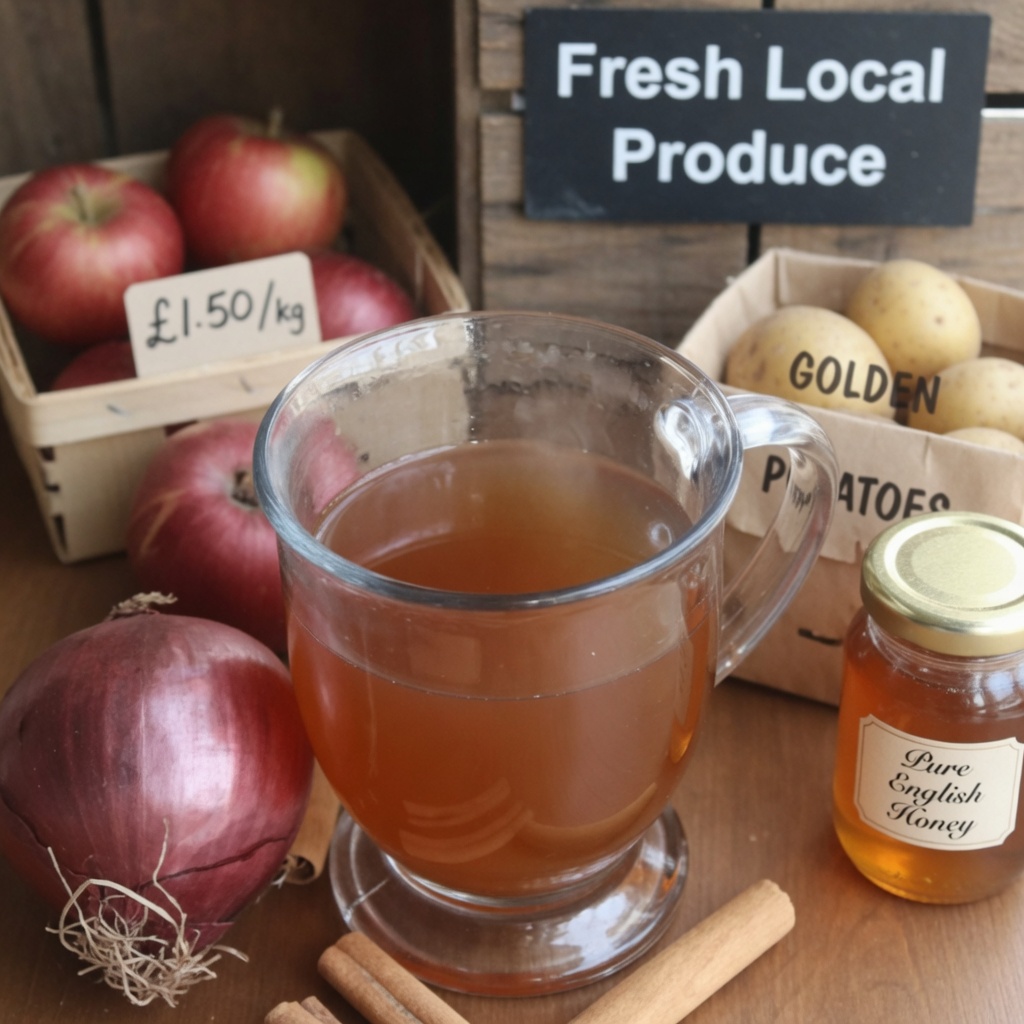
- Optional: add a small amount of honey if the flavor is too strong.
Typical use is about 1 cup per day during the first days of your period, but start with a smaller amount if you’re sensitive to new foods or strong flavors.
Does Onion and Cinnamon Tea Actually Work? A Balanced View
This tea should not be viewed as a cure-all. Menstrual pain varies widely, and severe or worsening cramps can signal a medical issue that needs evaluation.
What the evidence suggests:
- Cinnamon has the more consistent research support for helping reduce period pain and related symptoms in some people.
- Onion offers plausible anti-inflammatory support and strong traditional appeal, but direct human evidence for onion tea (or the onion-cinnamon combination) is limited.
- Many people may feel better partly because the drink is warm, calming, and encourages rest, which can matter a lot during cramps.
So, for some, the benefit may be a mix of ingredient effects and the comfort of a warm routine.
Safety Notes and Who Should Avoid It
“Natural” does not automatically mean risk-free. Keep these cautions in mind:
- Cinnamon type matters: Cassia cinnamon contains more coumarin, which at very high, frequent doses over time may stress the liver. Food-level amounts are generally well tolerated, but moderation is still wise.
- Avoid cinnamon if you have a known allergy, and be cautious if you have acid reflux, since spices can irritate symptoms in some people.
- If you take blood thinners or have a bleeding disorder, ask a healthcare professional before using cinnamon regularly.
Seek medical advice if cramps are:
- Severe enough to disrupt daily life
- Increasing over time
- Associated with very heavy bleeding, faintness, unusual discharge, or irregular cycles
This drink is meant to support comfort—not replace medical assessment or proven treatments.
Other Gentle, Evidence-Supported Ways to Reduce Period Discomfort
Many people get the best results by combining multiple small strategies rather than relying on one remedy:
- Use a heating pad on the lower abdomen for 15–20 minutes
- Try light movement like walking, gentle stretching, or yoga (e.g., child’s pose)
- Stay hydrated, ideally with warm fluids
- Prioritize sleep and stress reduction
- Choose balanced meals with anti-inflammatory foods (fruits, vegetables, omega-3 sources)
Consistency matters—small habits often add up over time.
Key Takeaway
Onion and cinnamon tea is a simple, traditional-style drink that may offer mild support during menstruation. Cinnamon has the strongest research connection to reduced menstrual pain, while onion contributes antioxidant potential and cultural tradition, though direct evidence for onion tea specifically is limited.
Consider it one gentle tool in a broader self-care routine, especially alongside warmth, rest, and light movement. If menstrual pain is intense or persistent, professional guidance is the safest next step.
FAQ
Is onion and cinnamon tea safe to drink daily during my period?
For most people, one cup per day in moderate strength is usually reasonable. If possible, consider Ceylon cinnamon to reduce coumarin exposure, and avoid excessive amounts.
How quickly could it help?
Some people notice relaxation or comfort from the warmth right away. In studies, cinnamon’s effects were often assessed over several days or across cycles, so results may not be immediate.
Can this replace pain medication?
No. It may be supportive, but it should not replace evidence-based options like NSAIDs or medical advice—especially for moderate to severe pain.
Disclaimer
This content is for informational purposes only and does not substitute for professional medical advice. Consult a qualified healthcare provider before trying new remedies, especially if you have underlying health conditions or take medications.