
Steadier Energy After 60: Why Blood Sugar Swings Feel Stronger
After 60, it’s common for energy to feel less predictable. A meal that once kept you satisfied can now be followed by unexpected fatigue, irritability, or the classic mid-afternoon crash. For many people, these shifts are closely tied to how the body handles blood sugar after eating—and even how it regulates glucose overnight.
The encouraging part is that small, realistic dietary choices may help support a more even daily rhythm. One simple kitchen staple has drawn ongoing interest from researchers: cinnamon. When used thoughtfully, it may gently support healthier blood sugar responses over time.
Why Blood Sugar Balance Often Gets Harder With Age
Aging can affect metabolism and insulin sensitivity, making blood sugar levels more likely to rise and fall—especially after carbohydrate-heavy meals. These ups and downs may show up as:
- Feeling tired sooner than expected
- Mood changes or irritability
- Stronger cravings later in the day
- Worry about long-term metabolic health
Lifestyle habits (food choices, movement, sleep, stress) remain the biggest drivers. Still, many people also look for natural, low-effort additions that can support better stability. Research suggests cinnamon is one option worth considering because of its active plant compounds.
What Makes Cinnamon Different From Other Spices?
Cinnamon contains bioactive components—especially cinnamaldehyde and polyphenols—that studies have linked to improved metabolic responses. Lab research and human trials suggest cinnamon may help by:
- Supporting insulin sensitivity (helping cells respond better to insulin)
- Slowing aspects of carbohydrate breakdown and absorption
Clinical trial reviews often show modest improvements, not dramatic overnight changes. But consistency appears to matter, and the type of cinnamon you choose can make a major difference.
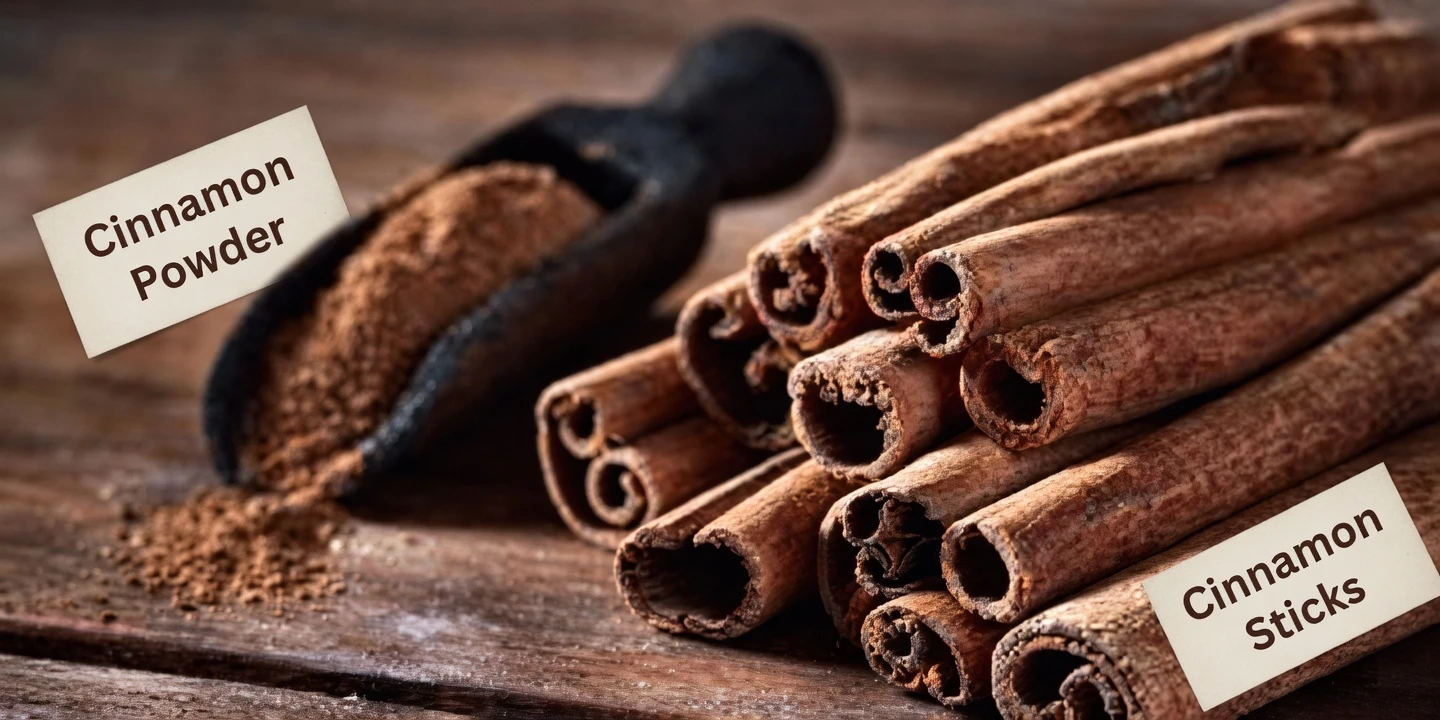
Ceylon vs. Cassia Cinnamon: The Key Safety Difference
Not all cinnamon is the same. The two most common types are Ceylon (“true cinnamon”) and Cassia (more common in many supermarkets). The biggest concern is coumarin, a naturally occurring compound that can be high in cassia and may be risky in larger long-term intakes.
Quick comparison
- Coumarin content
- Ceylon: low (generally better for regular use)
- Cassia: higher (best kept moderate)
- Taste
- Ceylon: mild, slightly sweet
- Cassia: stronger, spicier
- Long-term routine fit
- Ceylon: often preferred for daily habits
- Cassia: used in many studies but with more caution about dose
If you’re planning a daily routine, many people choose Ceylon cinnamon specifically for its low coumarin levels.
How Cinnamon May Support Post-Meal Blood Sugar Stability
One of the most frustrating patterns after 60 is that “meal → slump” effect. Research suggests cinnamon may help reduce how sharply blood sugar rises after eating by supporting slower carbohydrate processing—essentially acting like a gentle moderator rather than a stimulant.
Reviews of multiple studies report potential reductions in post-meal glucose spikes, though results depend on dose, meal composition, and the individual.

Possible Support for Morning and Fasting Blood Sugar
Some trials looking at regular cinnamon intake also report modest improvements in fasting glucose, meaning blood sugar levels measured after not eating overnight. For certain groups, changes become noticeable over several weeks of consistent use.
Results are not identical across all studies, but patterns suggest cinnamon may help support overnight regulation in a gradual, cumulative way—especially when paired with overall healthy routines.
A Gentle “Insulin-Like” Effect (Supportive, Not a Replacement)
Researchers are also interested in cinnamon because it may support glucose uptake into cells—an effect that resembles insulin’s role, but in a mild, complementary way. Systematic reviews often describe modest improvements in insulin sensitivity rather than dramatic shifts.
Important: cinnamon is not a substitute for medical treatment. Think of it as a possible supportive habit, not a replacement strategy.
Antioxidant Support: A Metabolic “Protection Layer”
Oxidative stress is one factor associated with worsening insulin resistance over time. Cinnamon’s polyphenols have antioxidant properties that may help reduce oxidative stress, potentially supporting broader metabolic balance.
This antioxidant angle is one reason cinnamon continues to show up in wellness research—not only for glucose, but for overall metabolic health markers.
Bonus Potential: Cholesterol and Triglyceride Markers
Some clinical trials also report improvements in lipid markers such as:
- Triglycerides
- LDL (“bad”) cholesterol
These effects don’t appear in every study, and individual outcomes vary, but the possibility of broader cardiometabolic support is part of cinnamon’s appeal—especially later in life.

What You Might Notice in the First Week
Some people report feeling steadier within the first week—particularly when cinnamon is taken with meals. Research suggests the compounds can build with consistency, and timing it around larger meals may help maximize its post-meal impact.
A common routine range is around 1 teaspoon per day (about 2–3 grams), often started lower to assess tolerance.
Why Ceylon Cinnamon Is Often the Best Choice for Daily Use
For ongoing daily use, Ceylon cinnamon is widely viewed as the safer option because it contains much less coumarin than cassia. If you plan to use cinnamon regularly, check labels for:
- “Ceylon”
- “True cinnamon”
Its milder flavor also makes it easy to mix into sweet or savory meals without overpowering the dish.
Small Habit, Meaningful Payoff: Supporting Daily Vitality
The potential benefits of cinnamon appear to come from multiple gentle mechanisms working together—supporting digestion speed, insulin sensitivity, antioxidant status, and possibly lipid markers. For many adults over 60, that combination can translate into a smoother daily energy experience.
Even when changes are subtle, feeling more in control of energy and cravings can be a meaningful quality-of-life win.
Everyday Examples: Simple Changes People Stick With
Many older adults find cinnamon easiest to maintain when it’s attached to an existing habit. Common examples include:
- Yogurt with a sprinkle of cinnamon in the afternoon to reduce the “snack spiral”
- Cinnamon on oatmeal in the morning to feel more satisfied and steady
These stories are not medical proof—but they match what studies often suggest: small, consistent changes may add up.
How to Add Cinnamon Safely: A Practical Step-by-Step Guide
- Choose the right type
- Prefer Ceylon cinnamon powder for regular use (especially if using it daily).
- Start with a small dose
- Begin with ½ teaspoon daily, then increase toward 1 teaspoon (2–3 grams) if tolerated.
- Use it with meals
- Add it to your largest meal to support post-meal balance:
- oatmeal, yogurt, coffee, smoothies, applesauce, roasted vegetables
- Add it to your largest meal to support post-meal balance:
- Track how you feel
- Notice energy, cravings, and mood.
- If you monitor glucose, watch trends—but do not change medications on your own.
- Prioritize safety
- Allergies are rare but possible.
- Speak with a healthcare professional first if you use:
- diabetes medications (cinnamon may enhance glucose-lowering effects)
- blood thinners
- other long-term treatments
Ready to Try a Daily Cinnamon Sprinkle?
A small daily amount of Ceylon cinnamon can be an easy, warming addition that may support steadier energy and smoother blood sugar responses for many people over 60. The best approach is simple: choose the right cinnamon, start low, take it with meals, and look for subtle improvements over the next week or two.
P.S. Many people find cinnamon works even better when meals include protein and fiber, which can improve satisfaction and reduce post-meal swings.
Frequently Asked Questions
How much cinnamon do studies commonly use for blood sugar support?
Many studies explore roughly 1–6 grams per day (about ½ to 2 teaspoons). Benefits often appear over weeks to months, not overnight. Start with a lower amount and get professional guidance if you take medications.
Is Ceylon cinnamon different from typical supermarket cinnamon?
Often, yes. Many “cinnamon” products are cassia, which can be higher in coumarin. Ceylon cinnamon is milder and typically much lower in coumarin, making it a more common choice for regular use.
Can cinnamon replace diabetes medication?
No. Cinnamon may be a supportive dietary addition, but it does not replace prescribed treatment. Never stop or change medications without guidance from your healthcare provider.