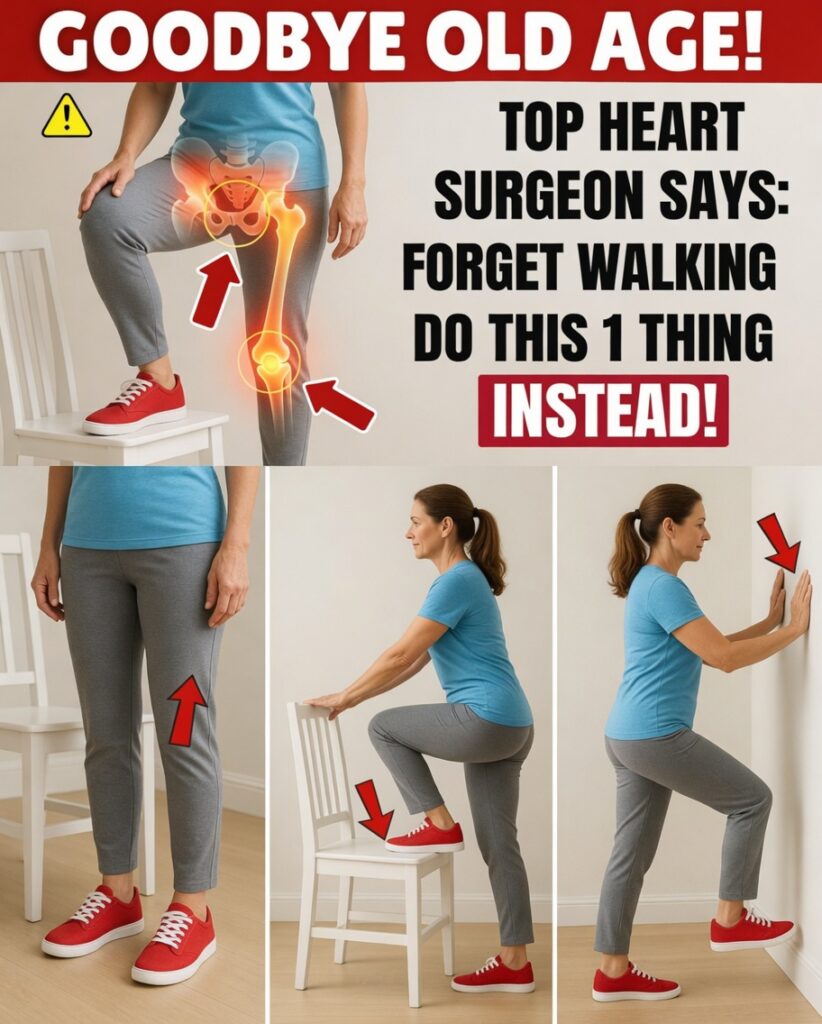
Walking After 75: Helpful, But Not the Whole Answer
You’ve probably heard it many times: keep walking, hit your daily steps, and you’ll stay strong. That advice can feel comforting—especially when movement starts to feel less predictable. However, for many adults over 75, walking alone can leave important strength and balance gaps. Those quiet weaknesses may build over time, increasing the risk of a sudden misstep and making independence feel more fragile.
The reality is that normal age-related changes after 75 can make everyday tasks tougher—even if you walk regularly. The good news is that a small set of targeted strength and balance exercises for seniors over 75 can make a noticeable difference, and they’re far simpler than most people expect. Below are five expert-recommended, equipment-free moves you can start using right away.
Why Walking Isn’t Always Enough for Strength and Balance After 75
Walking is excellent for heart health, circulation, and gentle daily movement. But research also shows that after age 75, muscle strength can decline at a meaningful rate each year, impacting the muscles and quick reactions needed to stay steady.
For seniors over 75, walking mainly trains forward movement. It often doesn’t fully address:
- Side-to-side stability (crucial for avoiding sideways falls)
- Fast-twitch muscle fibers (needed to catch yourself quickly)
- Hip stabilizers and core control (key for turning, stepping, and regaining balance)
Studies in older adults suggest these missing pieces contribute to higher fall risk, which can reduce confidence and limit daily freedom. That’s why strength and balance exercises for seniors over 75 are so valuable—they directly train what walking tends to miss, in a safe and practical way.
The 5 Best Strength and Balance Exercises for Seniors Over 75 (No Equipment)
These movements reflect guidance commonly shared by experienced orthopedic and mobility professionals and align with findings from studies on older adults. They’re designed to be low-risk, time-efficient, and highly functional. Start slowly, use support when needed, and build consistency.
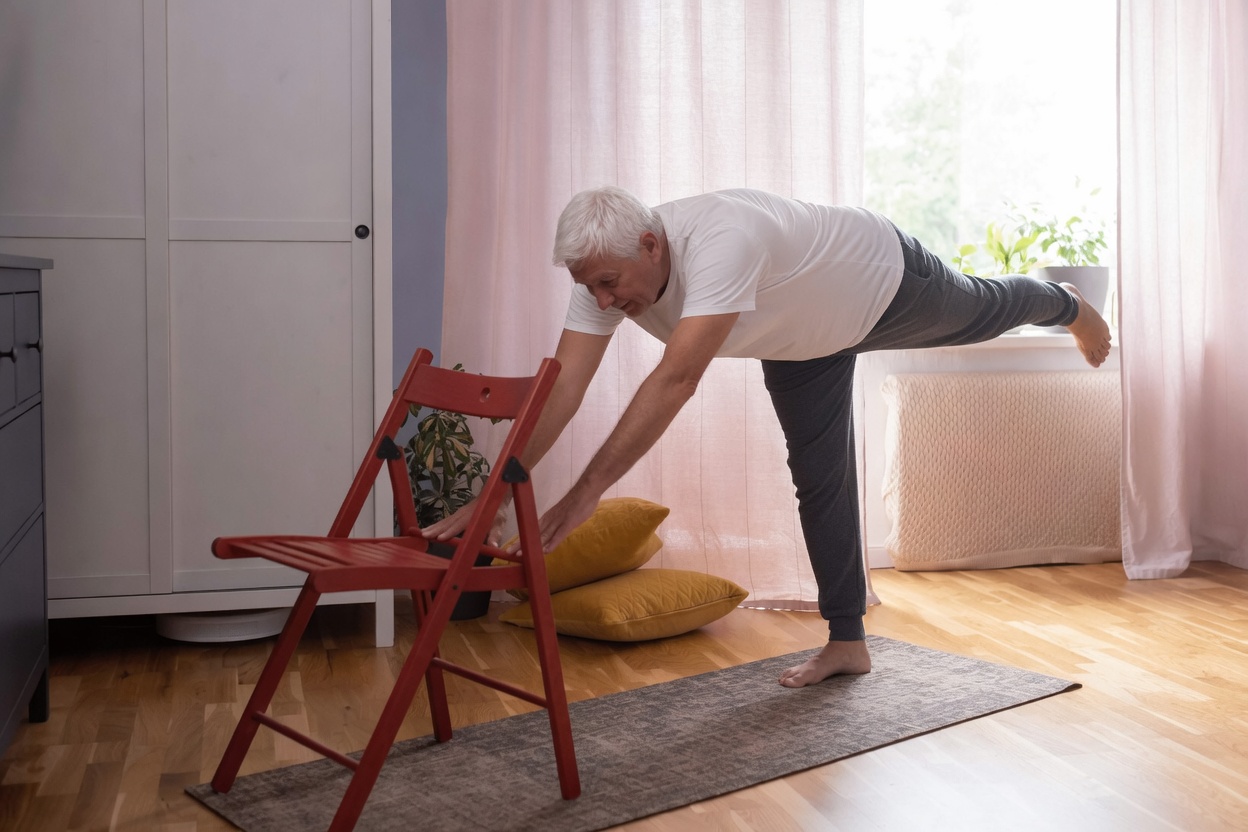
1. Single-Leg Stance: A Simple Base for Real-World Stability
Being able to stand on one leg—even briefly—supports everyday actions like stepping over obstacles, climbing stairs, or reaching. Large population research has found that difficulty with single-leg balance can predict increased fall risk over time.
As a strength and balance exercise for seniors over 75, this move trains ankles, hips, and core together—areas that aren’t always challenged by walking.
How to do it:
- Stand near a countertop or sturdy chair for light support.
- Lift one foot about an inch off the floor.
- Hold as long as comfortable, working toward 30 seconds per side.
- Practice 3 times per day (easy to do while brushing teeth or waiting for the kettle).
To progress: try closing your eyes briefly or standing on a slightly softer surface. With steady practice, many people notice better stability within weeks.
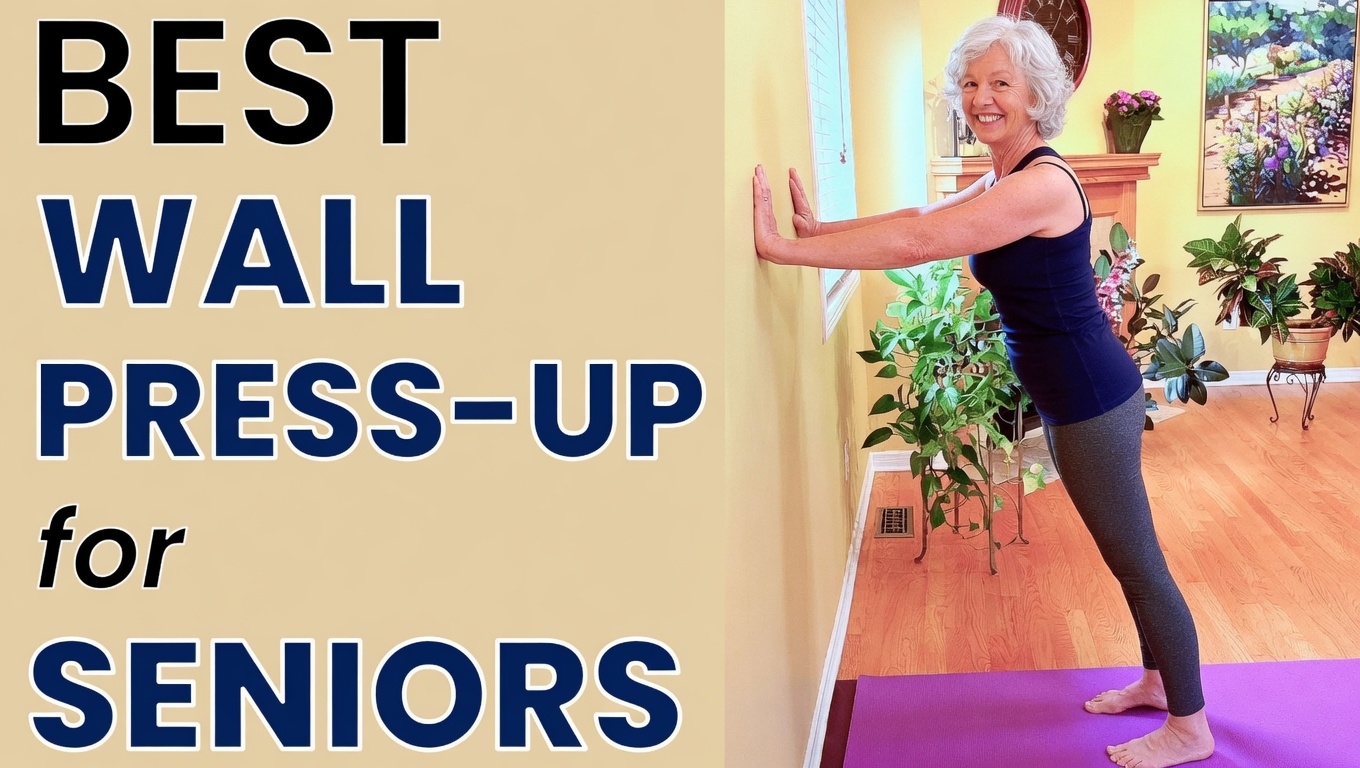
2. Isometric Wall Push: Build “Catch Yourself” Strength Safely
When you start to slip or trip, your body needs fast, coordinated force from the core through the legs. Many traditional strength movements feel intimidating for joints, but an isometric hold can build protective strength without repeated motion.
For many seniors over 75, this is one of the most practical strength and balance exercises because it’s low impact but effective.
How to do it:
- Stand an arm’s length from a wall, palms at shoulder height.
- Press firmly into the wall for 10–15 seconds, keeping your body straight.
- Rest 30 seconds, then repeat 3–5 times.
- Keep breathing normally (avoid holding your breath).
Research in adults over 70 has linked isometric training with improvements in rapid force development—exactly the kind of “quick response” that can prevent a stumble from becoming a fall.
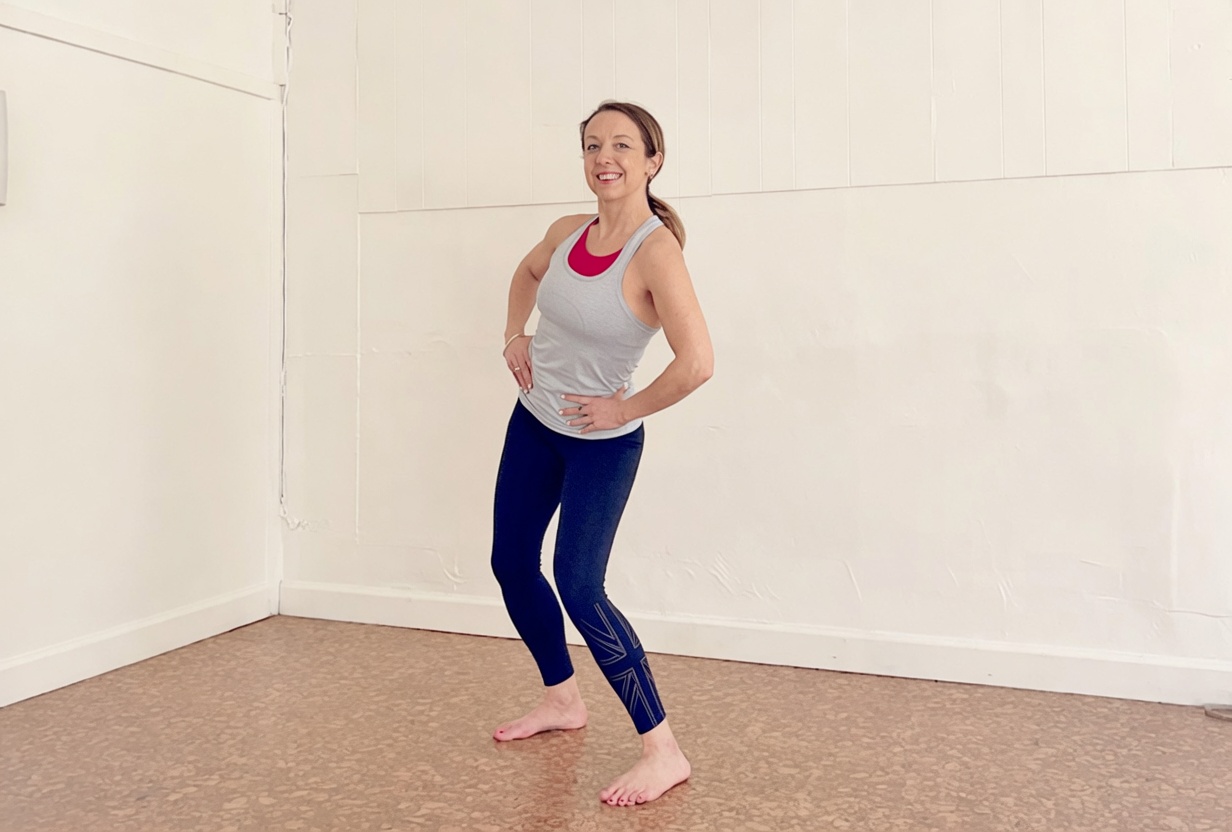
3. Standing Hip Circles: Train Side-to-Side Control Walking Often Misses
Sideways hip strength is strongly tied to fall prevention. Walking mostly moves the hips forward and back, while controlled hip circles help restore strength and coordination across a fuller range—especially for turning and lateral steps.
This strength and balance exercise for seniors over 75 is popular because it feels natural and supports confident movement in tight spaces.
How to do it:
- Stand beside a wall and lightly touch it with one hand for support.
- Lift one knee up, open it outward, circle it back, then return to the start.
- Do 5 slow circles in each direction, then switch legs.
- Try it morning and evening.
Studies with older adults have shown improved lateral stability and quicker recovery stepping after this type of training.
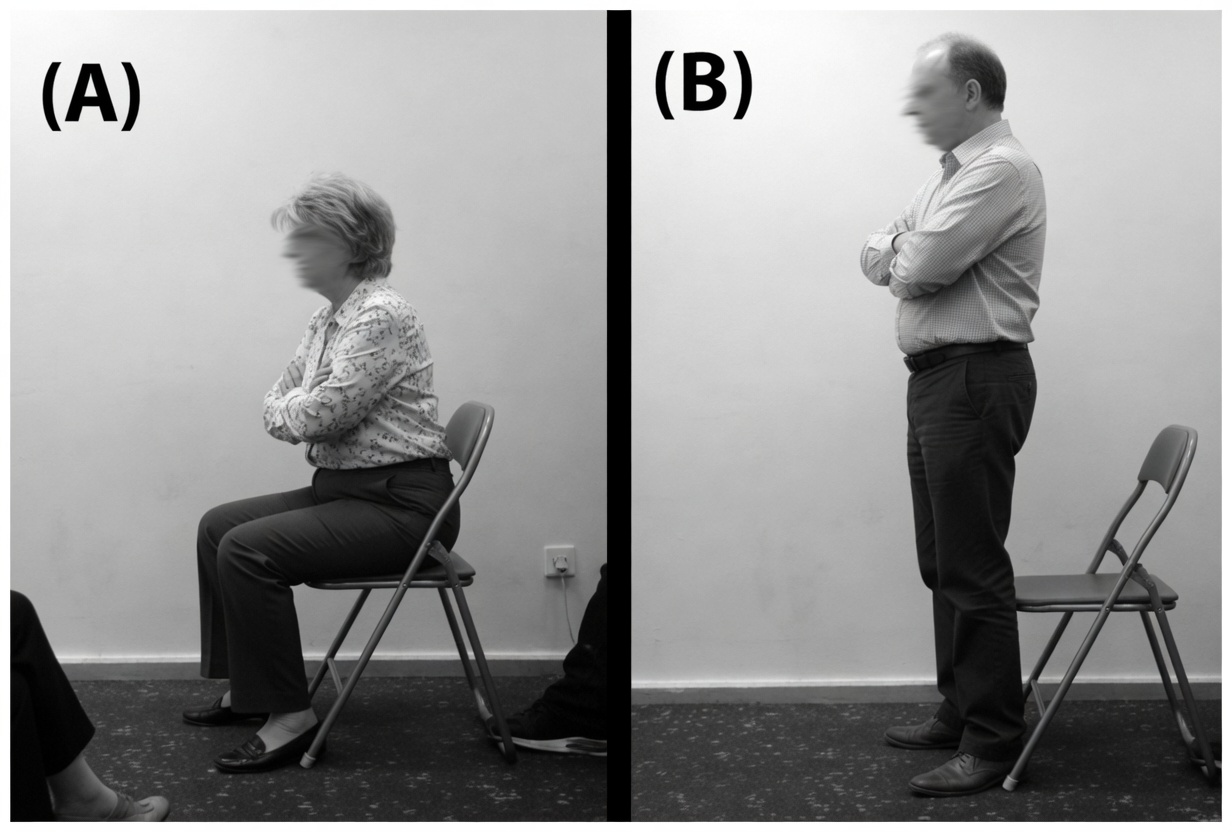
4. Chair Squats: Strength for the Movements You Do Every Day
Standing up from a chair without using your hands is a strong marker of independence. After 75, the quadriceps and glutes can weaken faster, and chair squats rebuild them using a familiar, functional pattern.
For seniors over 75, this is one of the most useful strength and balance exercises because it directly supports daily life—getting up, sitting down, climbing steps, and moving with confidence.
How to do it:
- Sit in a sturdy chair with feet hip-width apart.
- Cross your arms or rest hands lightly (use hands only if needed at first).
- Lean slightly forward and stand using your legs.
- Pause at the top, then lower slowly (the lowering portion builds extra strength).
- Aim for 2–3 sets of 10 daily.
Start with gentle hand support if necessary, then gradually work toward hands-free reps. Many older adults report improved leg strength and easier stair climbing with consistent practice.
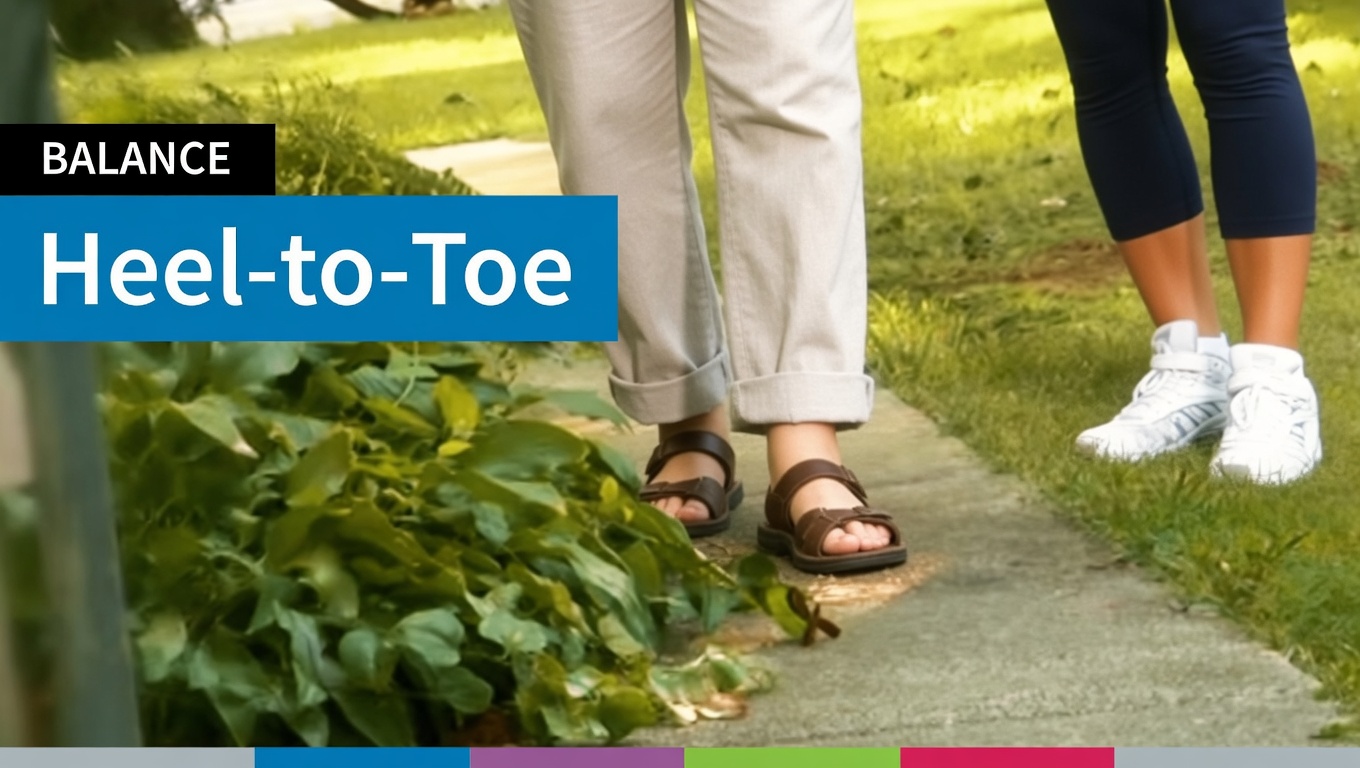
5. Heel-to-Toe Walking: Sharpen Precision Balance and Foot Awareness
Real-world surfaces aren’t perfectly smooth. Heel-to-toe walking challenges the balance system that tells your brain exactly where your feet are—signals that can fade with age if not trained.
Many seniors over 75 find this exercise quickly boosts confidence on uneven ground.
How to do it:
- Stand tall near a wall or counter.
- Place one foot directly in front of the other so the heel touches the toes.
- Take 20 slow, careful steps while looking ahead.
- Practice twice daily.
To progress: try turning your head gently side to side or briefly closing your eyes (only if safe and supported). Studies show meaningful improvements in dynamic balance with this kind of practice.
A Simple Daily Routine (Under 15 Minutes)
You can fit these strength and balance exercises for seniors over 75 into moments you already have:
- Single-leg stance: 30 seconds × 3 each leg (while brushing teeth or making coffee)
- Chair squats: 2–3 sets of 10 (after meals or during TV time)
- Heel-to-toe walking: 20 steps × 2 (morning and evening in a hallway)
- Standing hip circles: 5 circles each way per leg (morning and bedtime)
- Isometric wall push: 10–15 seconds × 3–5 (anytime you pass a clear wall)
Real-Life Experiences: What People Notice
Margaret, 78: “I walked often but still struggled getting up from low chairs. After adding chair squats and single-leg holds, I stand up more easily—and feel steadier overall.”
George, 81: “Hip circles and wall pushes brought back my confidence on the golf course. I feel more stable than some friends who are much younger.”
Your Next Step Toward Stronger, Steadier Days
Pick just one strength and balance exercise for seniors over 75 to try today. Many people start with the single-leg stance because it fits effortlessly into daily routines. Small actions, repeated consistently, often create the biggest changes in how you move—and how confident you feel.
Frequently Asked Questions
Can I do these strength and balance exercises for seniors over 75 if I have joint concerns?
Yes. Start gently, reduce range of motion, and use support. If something causes sharp pain, stop and modify. When in doubt, check with a clinician who knows your health history.
How soon will I notice results?
Many adults over 75 report feeling steadier within 4–8 weeks of regular practice, although timelines vary.
Should I stop walking if I add these exercises?
No. Walking is still valuable. These movements complement walking by strengthening the specific muscles and balance skills that walking alone may not fully train.