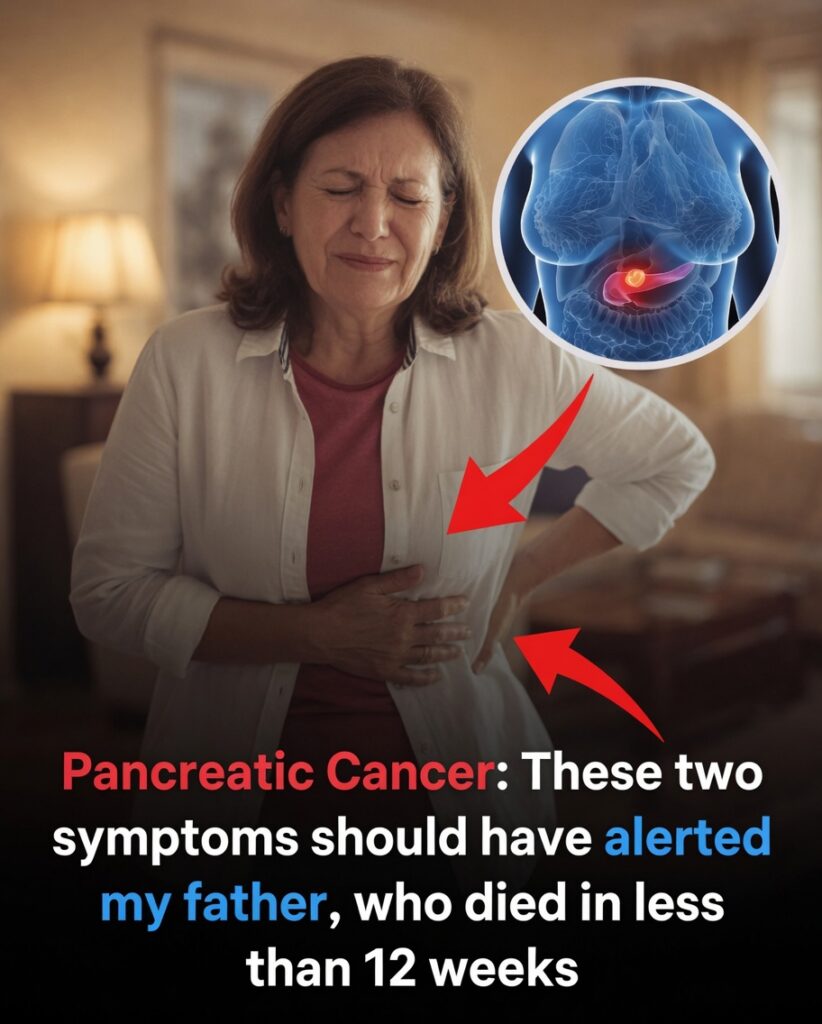
Subtle Body Changes That Can Point to Pancreatic Cancer Symptoms
Many adults experience small shifts in how they feel—light fatigue, a vague sense of indigestion, or discomfort after eating—and brush them off as stress, busy schedules, or normal aging. The problem is that these minor changes can gradually escalate until clearer pancreatic cancer symptoms appear, sometimes when the disease is already advanced.
Knowing the most common pancreatic cancer warning signs can help you decide when it’s time to talk with a healthcare professional for an appropriate evaluation.
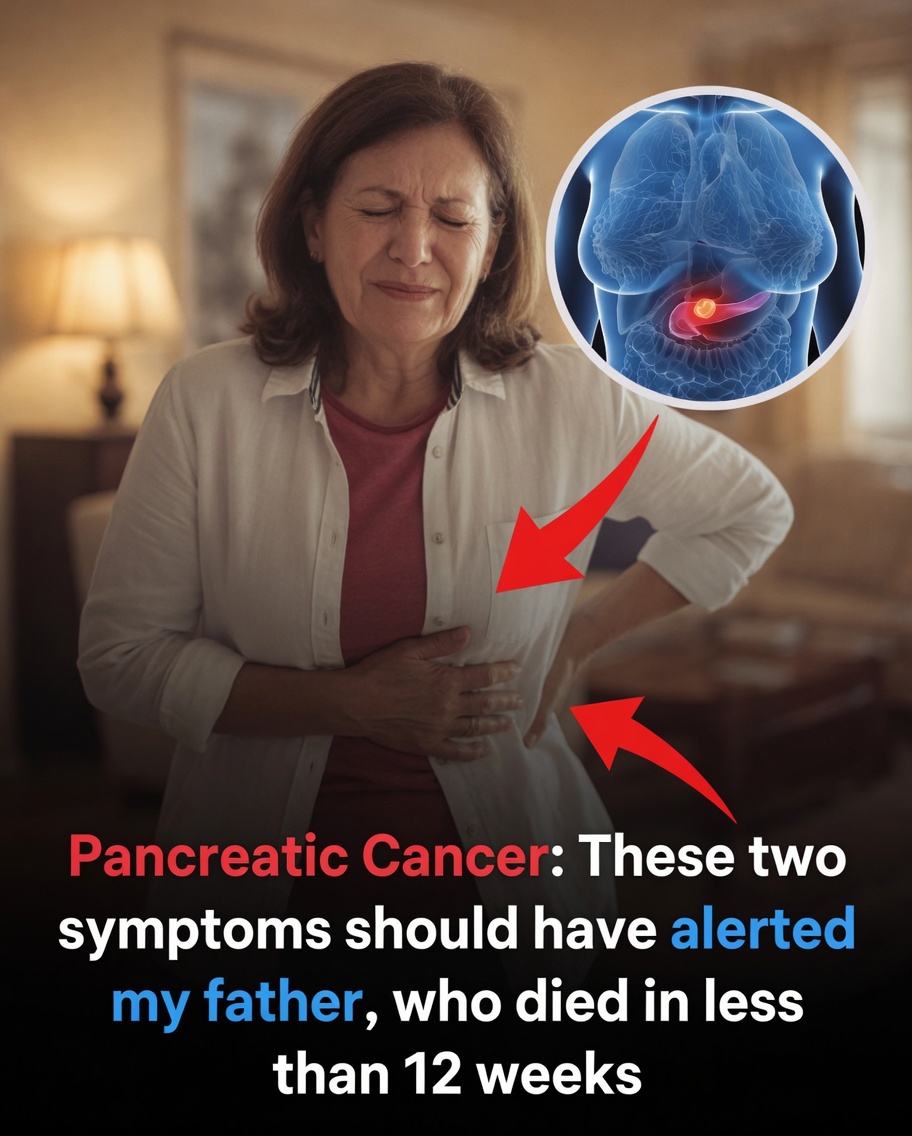
Two Pancreatic Cancer Symptoms Often Seen in Later Stages
This article focuses on two pancreatic cancer symptoms that frequently show up later in the disease course. That’s exactly why awareness matters: recognizing them as soon as they appear can lead to faster testing and earlier answers.
Keep reading to learn what these symptoms look like, why they can be easy to miss, and when to seek medical care.

Why Pancreatic Cancer Symptoms Are Often Missed Early
Early detection is difficult because the pancreas sits deep inside the abdomen. A tumor can grow for a long time without creating noticeable problems. When pancreatic cancer symptoms finally become obvious, the cancer may already be more advanced.
This is especially important for:
- Adults over 50
- People who smoke
- Anyone with a strong family history of pancreatic cancer
- Individuals with certain medical risks (including long-standing diabetes or chronic pancreatitis)
Many commonly reported pancreatic cancer symptoms—like digestive upset, low energy, or appetite changes—can resemble everyday conditions. As a result, people often delay medical attention. Routine checkups and listening closely to new or persistent changes in your body can help catch concerns sooner.
Two specific symptoms, however, often stand out as signals of later-stage disease.
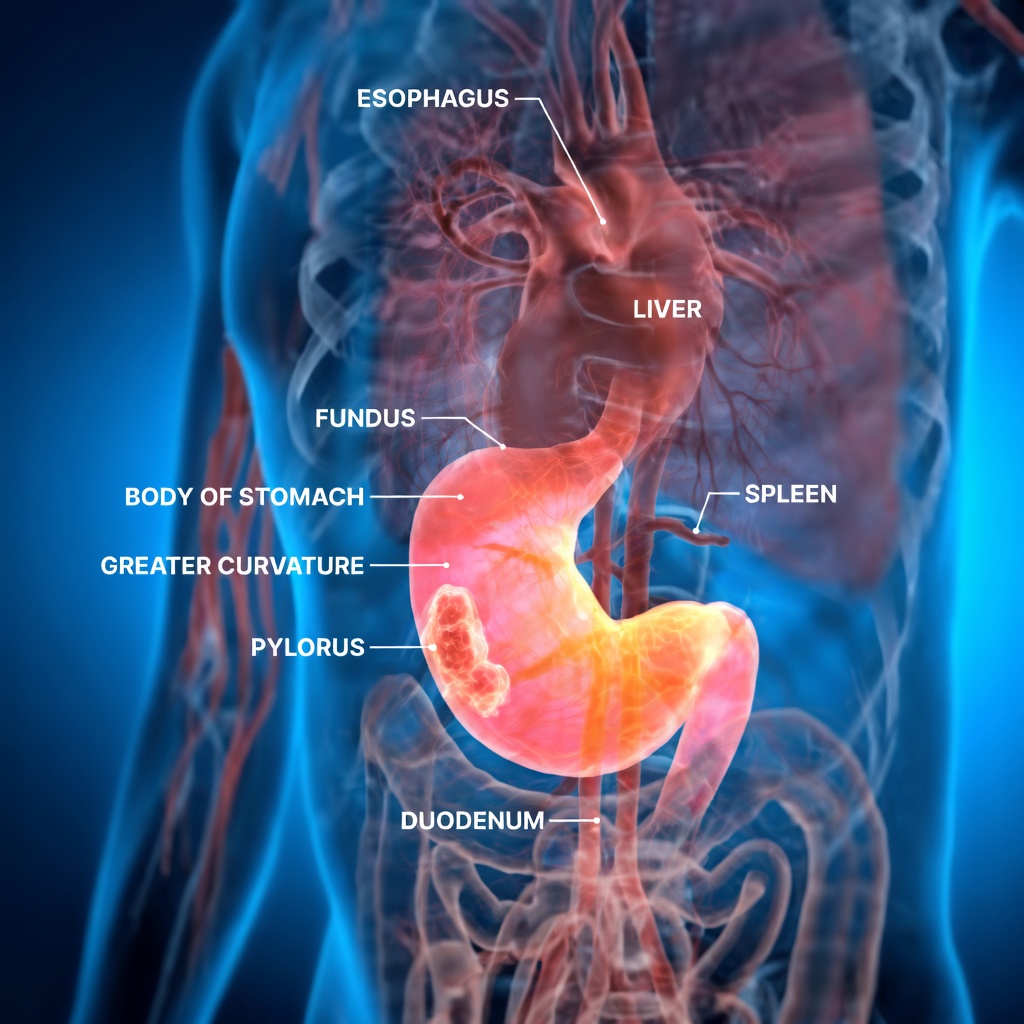
Pancreatic Cancer Symptom #1: Jaundice (Yellow Skin or Eyes)
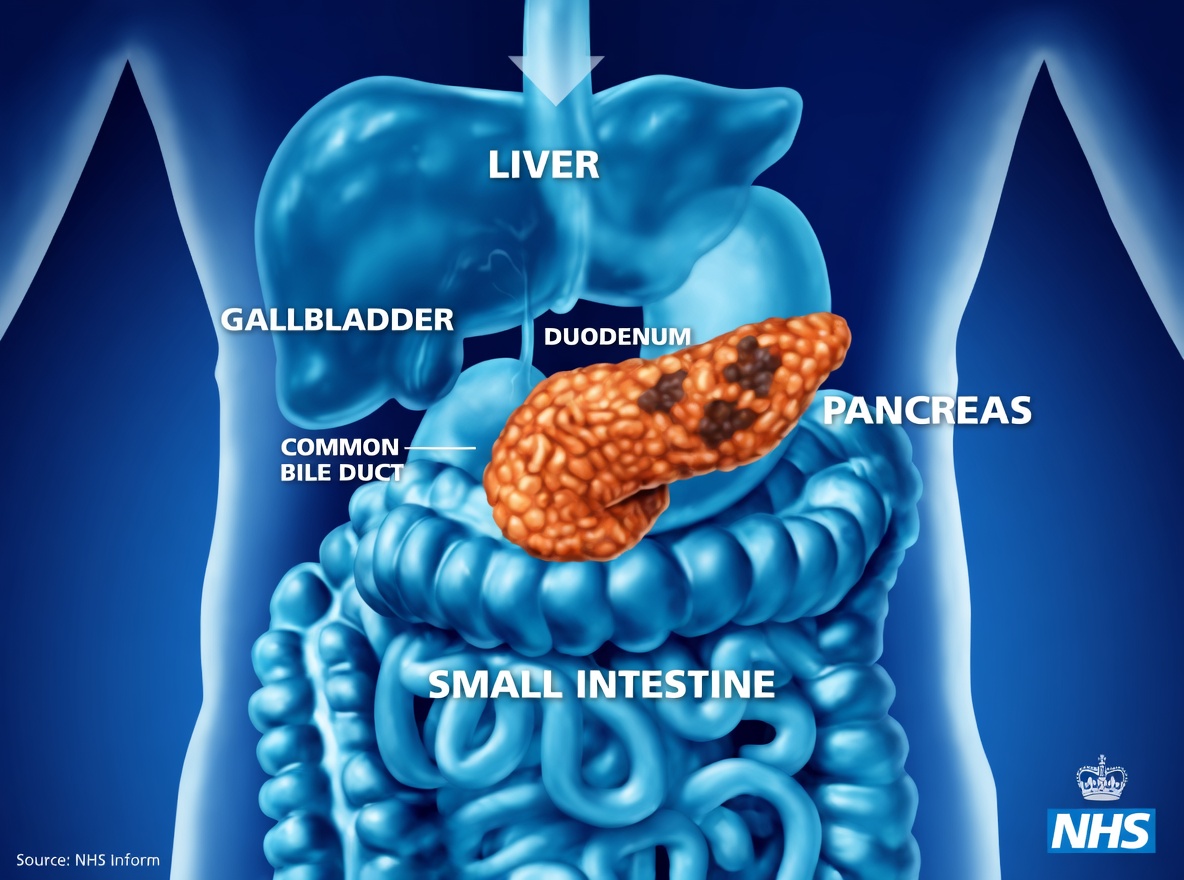
Have you noticed yellowing of the skin or the whites of the eyes? Jaundice is one of the best-known pancreatic cancer symptoms, and it often develops when a tumor blocks or compresses the bile duct.
Common features of jaundice include:
- Yellow tint to skin and eyes
- Darker urine than usual
- Pale or clay-colored stools
- Itchy skin (sometimes intense)
- Often minimal pain at the beginning
Jaundice is frequently associated with tumors located in the head of the pancreas. Because this pancreatic cancer symptom tends to appear after the tumor has grown enough to interfere with bile flow, it should be treated as a medical priority. A doctor may order blood tests and imaging (such as ultrasound or CT scan) to identify the cause.
Sometimes a person doesn’t notice the color change until a family member points it out or it comes up during a routine appointment. Either way, prompt evaluation matters.
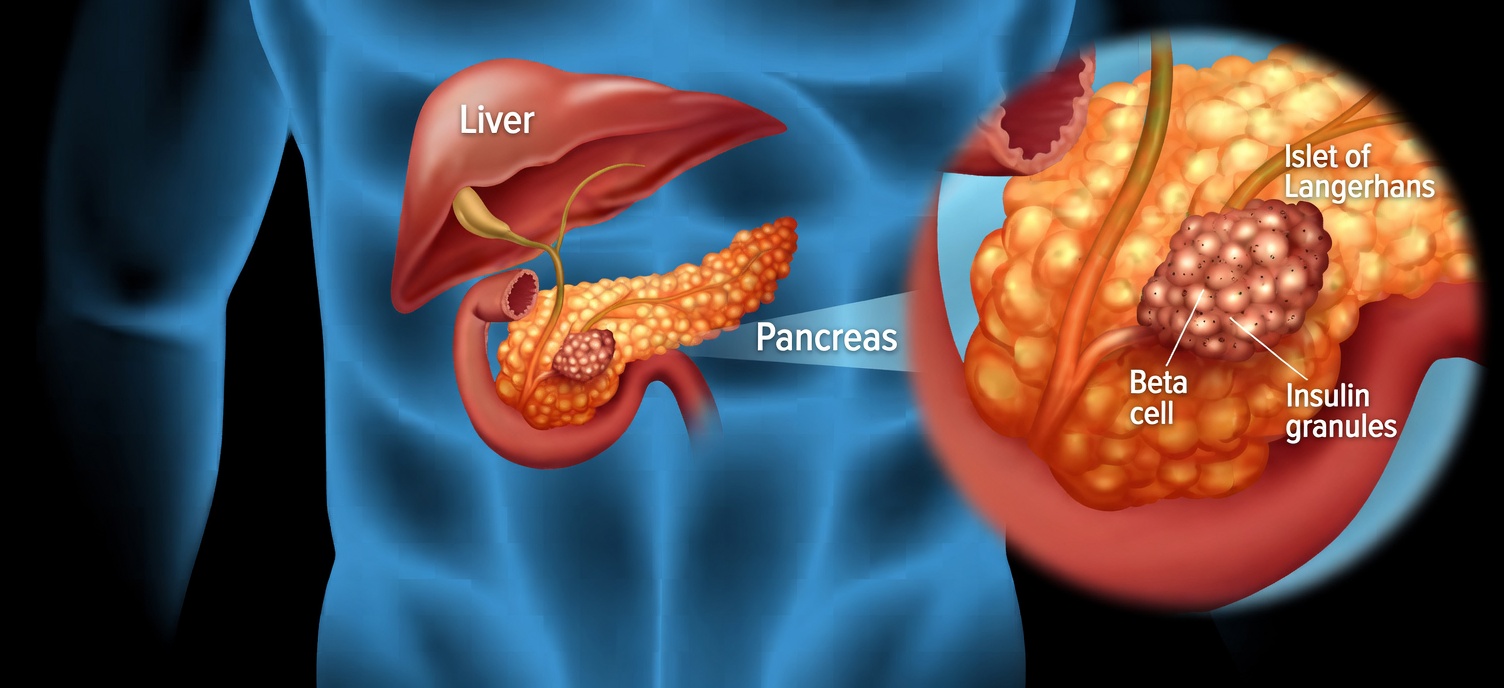
Pancreatic Cancer Symptom #2: Persistent Upper Abdominal or Back Pain
Another common later-stage pancreatic cancer symptom is ongoing pain in the upper abdomen and/or the middle back. This can happen when a tumor presses on nearby nerves or organs.
This type of pain may:
- Feel dull, deep, or aching
- Return repeatedly or become constant over time
- Spread (radiate) from the upper abdomen to the back or around the sides
- Seem unrelated to meals, activity, or posture
- Fail to improve with rest or over-the-counter medications
Unlike routine back strain, pain linked to pancreatic disease may gradually worsen. Persistent abdominal or back discomfort—especially without a clear trigger—deserves a professional assessment.
If you’re experiencing this symptom, note:
- When it started
- How often it occurs
- What makes it better or worse
- Any additional changes (weight, appetite, stool, energy)
These details can help your clinician evaluate possible causes more accurately.
Mid-Article Awareness Check: How Well Do You Know Pancreatic Cancer Symptoms?
- Which of these two pancreatic cancer symptoms were you already familiar with?
- Have you noticed unexplained yellowing, dark urine, pale stools, or persistent discomfort recently?
- If you’re concerned, what’s one step you can take today (for example, booking an appointment or starting a symptom log)?
- Want practical next actions for staying proactive about your health?
Bookmark this page—next steps are below.
When to Take Action on Possible Pancreatic Cancer Symptoms
If you develop jaundice or persistent abdominal/back pain, don’t wait. Make an appointment with your primary care doctor or a gastroenterologist. Depending on your situation, they may recommend:
- Blood tests (including liver function tests)
- Ultrasound
- CT scan or MRI
- Additional evaluations based on findings
Other pancreatic cancer symptoms may occur alongside the two main signs discussed here, including:
- Unexplained weight loss
- Reduced appetite
- Changes in stool (greasy, floating, unusually pale)
- New-onset diabetes after age 50
- Ongoing fatigue
Because these symptoms can overlap with many non-cancer conditions, professional testing is the safest way to get clarity.
While monitoring symptoms, supporting overall health also matters. Maintaining a healthy weight, avoiding smoking, and managing blood sugar can contribute to better wellness.
Pancreatic Cancer Symptoms vs. Common Conditions (Quick Comparison)
| Sign | Could Be a Common Issue | When to Take Pancreatic Cancer Symptoms Seriously |
|---|---|---|
| Yellow skin/eyes (jaundice) | Liver or gallbladder problems, medication side effects | Sudden onset, especially with dark urine or pale stools |
| Upper abdominal/back pain | Muscle strain, indigestion, posture-related pain | Persistent, worsening, radiating, with no clear trigger |
| Unexplained weight loss | Stress, diet changes, other illnesses | Especially when combined with fatigue or appetite loss |
This comparison shows why discussing concerning pancreatic cancer symptoms with a clinician is essential for an accurate diagnosis.
Next Steps: Staying Alert to Pancreatic Cancer Symptoms
If you notice potential pancreatic cancer symptoms that persist longer than two weeks—or that escalate quickly—talk with a healthcare professional. To make the visit more productive, bring a simple symptom journal that includes:
- Dates and duration
- Severity (mild/moderate/severe)
- Related changes (urine, stool, appetite, weight, sleep)
- Any medications or supplements you started recently
Everyday habits can also support your health while you stay aware:
- Eat balanced, nutrient-dense meals
- Stay physically active within your ability
- Attend routine wellness visits
- Avoid tobacco products
Learning the signs is a practical step toward better health decisions. Many people who sought medical care soon after noticing these pancreatic cancer symptoms report getting clearer answers and appropriate care sooner.
FAQ About Pancreatic Cancer Symptoms
-
Are there really no early pancreatic cancer symptoms?
Early symptoms can be absent or so mild that they’re easy to overlook. That’s why jaundice and persistent pain are often noticed later. Regular checkups remain important for overall health and risk assessment. -
Can these pancreatic cancer symptoms be caused by something else?
Yes. Jaundice and abdominal/back pain can come from many conditions (such as gallstones, liver disease, ulcers, or musculoskeletal problems). Only a clinician can determine the cause through proper testing. -
How can I reduce risk while staying aware of pancreatic cancer symptoms?
Focus on modifiable risks: avoid smoking, maintain a healthy weight, and manage diabetes if present. If you have a family history or develop new-onset diabetes after 50, discuss it with your doctor and stay attentive to persistent changes.