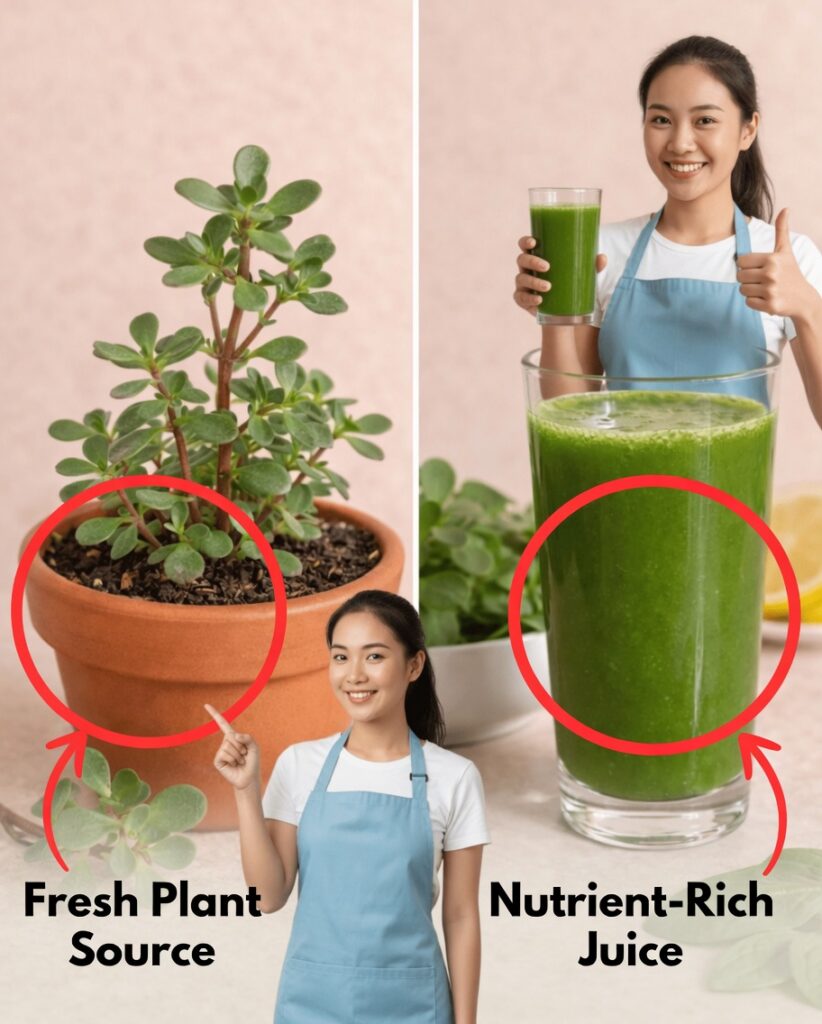
Purslane (Portulaca oleracea): The “Weed” That’s Packed With Nutrition
Purslane, or Portulaca oleracea, is often dismissed as a common garden weed—but nutritionally, it’s anything but ordinary. This hardy succulent has been used for generations in traditional cooking and natural wellness practices. If you’ve ever pulled it out of a flower bed, you may have removed one of the most nutrient-dense leafy plants you can eat.
In this guide, you’ll learn how to identify purslane, what makes its nutritional profile so impressive, and practical ways to eat, store, and grow purslane for everyday health.

How to Identify Purslane
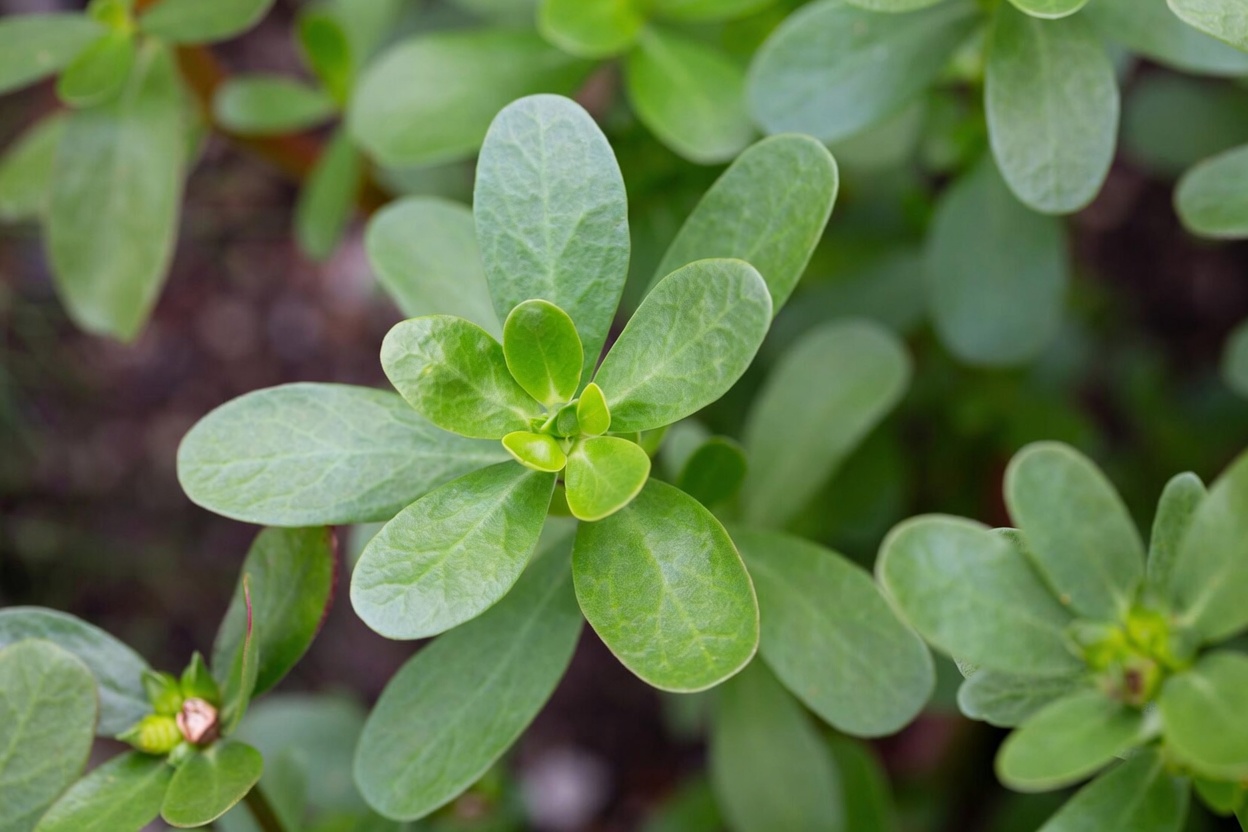
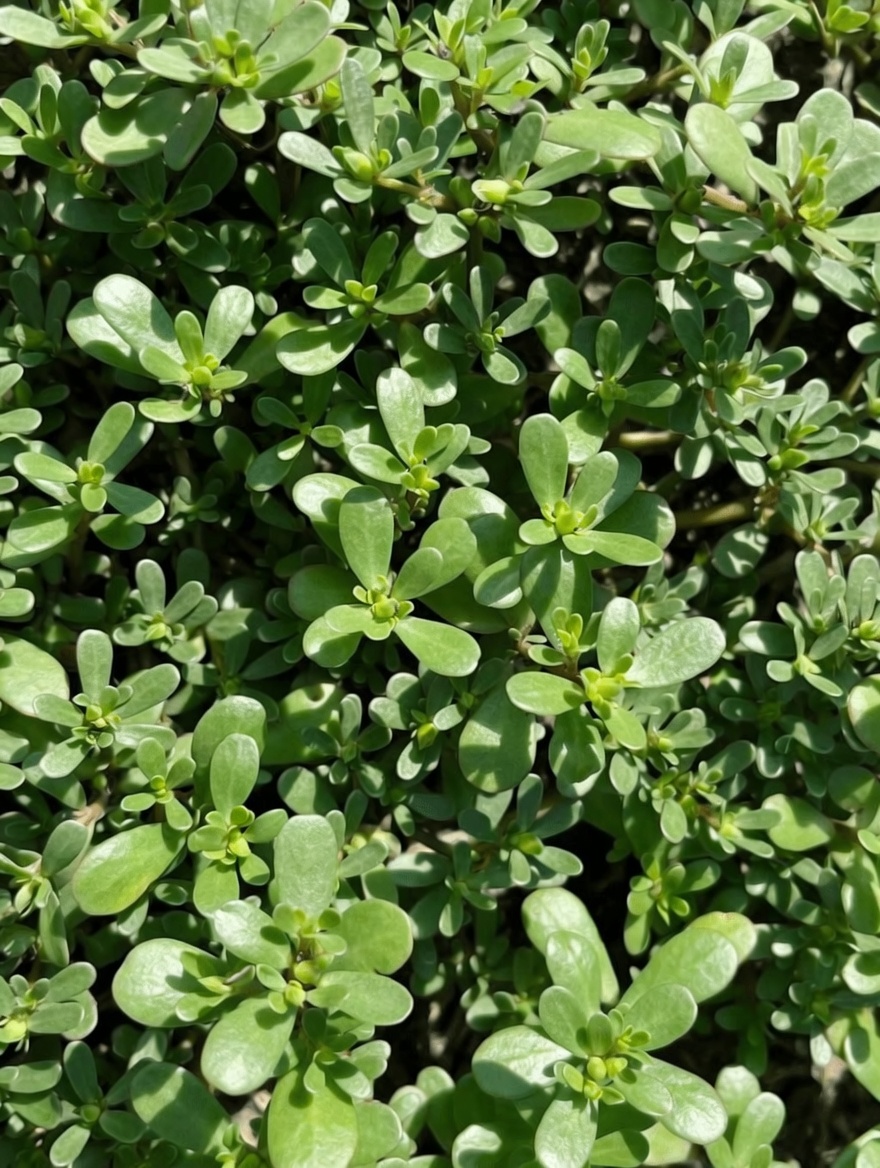
Purslane is a low-growing, mat-forming succulent that spreads close to the ground. It commonly appears in gardens, fields, and disturbed soil—sometimes even growing from cracks in sidewalks.
Key identification features include:
- Smooth, reddish to pinkish stems that branch outward
- Thick, fleshy leaves with a paddle or teardrop shape
- Leaf color ranging from bright green to slightly red-tinged green
- Small yellow flowers that typically bloom in summer
- A distinct sprawling growth habit, forming a dense carpet over the soil
Because of its ability to thrive in heat and poor soil, purslane often shows up where other plants struggle.
Purslane Nutrition: What Makes It So Valuable?
One reason purslane stands out among leafy greens is its high nutrient density relative to its calorie content. It delivers a rare combination of healthy fats, vitamins, minerals, and protective plant compounds.
Notable nutrients in purslane include:
- Omega-3 fatty acids: Purslane contains more omega-3s than most leafy vegetables, making it a strong plant-based omega-3 source.
- Vitamins: It’s rich in vitamins A, C, and E, and also provides B vitamins such as riboflavin, niacin, and folate.
- Minerals: Purslane supplies potassium, magnesium, calcium, and iron, all essential for normal body function.
- Antioxidants: It contains protective compounds like beta-carotene, flavonoids, and betalains, which help reduce oxidative stress and support healthy inflammation levels.
Health Benefits of Purslane
1. Supports Heart Health
Thanks to its omega-3 fatty acids, purslane may help promote cardiovascular wellness by supporting healthy blood pressure, balanced cholesterol levels, and normal inflammatory responses. Including purslane regularly can be a smart dietary step for long-term heart health.
2. Helps Strengthen Immune Defenses
Purslane’s mix of vitamins and antioxidants supports immune function and helps the body defend against everyday stressors. It’s a simple way to add more protective nutrients to your meals.
3. Promotes Better Digestion
As a natural source of dietary fiber, purslane can support regular bowel movements and overall gut comfort. A fiber-rich diet is also linked to better long-term digestive health.
4. Enhances Skin Health
The antioxidants in purslane help protect skin from free radical damage and support skin renewal. In many traditional routines, purslane is valued for its skin-soothing and rejuvenating properties.
5. Helps With Weight Management
Purslane is low in calories but loaded with nutrients. Its fiber content can also help you feel fuller longer, which may support healthier eating patterns and weight goals.
How to Eat Purslane: Easy Culinary Ideas
Purslane has a mild, slightly tangy flavor and a pleasant crisp texture, making it easy to use in both raw and cooked dishes. You can toss it into salads, blend it into drinks, or cook it like other greens.
Purslane Green Smoothie (Energy + Immunity Boost)
A refreshing smoothie that’s quick to prepare and packed with nutrients.
Ingredients
- 1 handful purslane
- 1 carrot
- 1/2 cucumber
- 1 handful grapes (or 1 banana)
- Juice of 1/2 lemon
- 1/2 tsp cinnamon
- 1 tsp raw honey (optional)
Preparation
- Wash all ingredients well.
- Chop the carrot, cucumber, and fruit into smaller pieces.
- Blend with 150–200 ml water until smooth.
- Add honey at the end (if using), then serve immediately.
Fluffy Purslane Pancakes (A Savory-Green Twist)
An easy way to add greens to breakfast without sacrificing flavor.
Ingredients
- 1 cup all-purpose flour
- 2 tbsp sugar
- 1 tsp baking powder
- 1/2 tsp baking soda
- 1/4 tsp salt
- 1 egg
- 3/4 cup milk (or plant-based milk)
- 2 tbsp melted butter (or oil)
- 1/2 cup fresh purslane leaves
Preparation
- Blend the purslane leaves with the milk until smooth.
- In separate bowls, mix dry ingredients and wet ingredients.
- Combine the mixtures and stir gently until just incorporated.
- Cook on a lightly greased pan until golden on both sides.
- Serve warm with honey or fresh fruit.
How to Preserve Purslane (Freeze It for Later)
If you find purslane in abundance, freezing is a convenient method to keep it available year-round.
Steps to freeze purslane:
- Wash and dry: Rinse thoroughly and pat dry to remove excess moisture.
- Chop: Cut into small pieces for easier portioning.
- Freeze in cubes: Place into ice cube trays and cover with water or olive oil.
- Store: Once frozen solid, move cubes into freezer-safe bags or containers.
These cubes are great for soups, sauces, smoothies, or sautéed dishes.
How to Grow Purslane at Home
Purslane is tough, fast-growing, and beginner-friendly. With minimal effort, you can cultivate it in a garden bed or container.
How to grow purslane successfully:
- Choose full sun: Purslane thrives in bright, sunny areas.
- Use well-draining soil: Loosen soil and clear weeds or debris.
- Plant with spacing: Sow seeds or transplant seedlings about 6–12 inches apart.
- Water consistently: Keep soil lightly moist, but avoid waterlogged conditions.
- Harvest gently: Pick leaves and stems as needed without disturbing the roots.
Conclusion
Purslane is a nutrient-rich edible plant that many people mistake for a weed. With its omega-3 content, vitamins, minerals, fiber, and antioxidants, it can support heart health, digestion, immunity, skin vitality, and weight management. Whether you add it to salads, cook it into meals, or blend it into smoothies, purslane is an easy upgrade to a healthier diet—and it’s simple to grow at home for ongoing use.
FAQ: Purslane (Portulaca oleracea)
1. Can you eat purslane raw?
Yes. Raw purslane works well in salads, wraps, and sandwiches, offering a mild, slightly tangy taste.
2. Is purslane good for weight loss?
It can be. Purslane is low-calorie and provides fiber and nutrients, which may help support satiety and healthier eating habits.
3. What’s the best way to store purslane?
Keep fresh purslane in the refrigerator for a few days, or freeze it in cubes (with water or olive oil) for long-term storage.
Disclaimer
This article is for informational purposes only and does not replace medical advice. Speak with a qualified healthcare professional before making major changes to your diet or lifestyle.