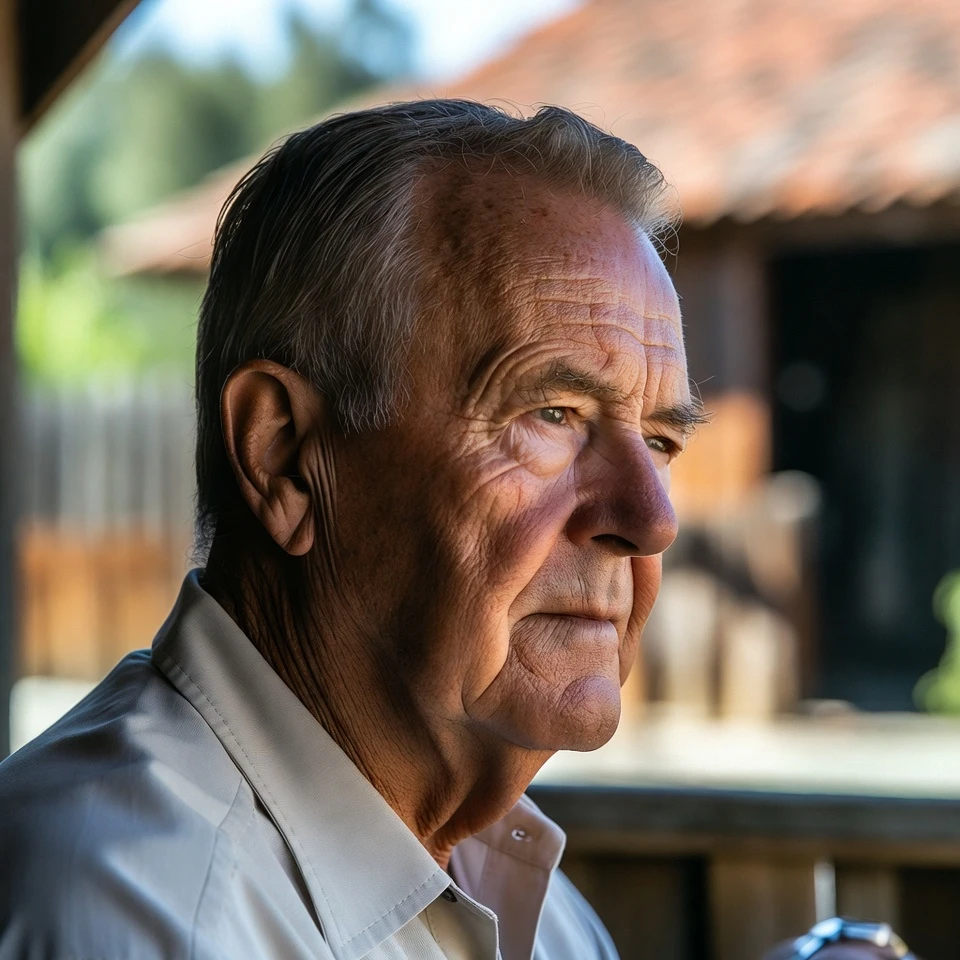
As you enter your 80s, ordinary moments often take on a different texture. The warmth of sunlight, the calm rhythm of a quiet morning, or the sound of someone you love can feel more intense—sometimes comforting, sometimes unsettling. Many people notice a blend of gratitude and quiet unease as life subtly shifts. Research on emotional aging suggests this is common: well-being frequently stays steady—and for many, even improves—because priorities change and perspective deepens.
What’s discussed less often is this: aging in your 80s isn’t only about what falls away. It can also reveal unexpected ways to live more richly, with greater meaning, clarity, and connection.
The Quiet Reality Many People Experience After 80
When people think about turning 80, they often prepare for practical concerns—medications, finances, mobility, medical appointments. Yet the first changes that truly stand out are frequently emotional and psychological, and they can feel surprisingly personal.

You may notice:
- Time feels different than it used to
- Emotions land closer to the heart
- Your world feels smaller, but also more intimate
Psychological research, including socioemotional selectivity theory, points to a key reason: when time feels more limited, many older adults naturally invest more energy in what brings emotional meaning, not just busy activity. This is not simply decline—it’s often a reorientation toward what matters most.
These shifts can be challenging, but they can also open the door to deeper appreciation, stronger bonds, and renewed purpose. Below are five common changes people experience after 80—and the hidden benefits they can bring.
5 Key Changes Many People Notice After 80 (And What They Can Offer)
5. Your Sense of Time Becomes Sharper in Unexpected Ways
Many older adults describe a strange contrast: weeks and months pass quickly, yet certain moments feel more vivid than ever. Research on time perception in aging suggests that when days follow familiar routines, long stretches of time blend together, making life feel faster overall. At the same time, individual experiences can feel more emotionally “bright,” so small events linger longer in your awareness.
At first, this can feel disorienting. Over time, many people find it encourages a new skill: savoring.
- A cup of coffee becomes a real pause, not just a habit
- A short walk feels like an event, not a task
- A familiar voice becomes something you truly notice
This shift often supports greater life satisfaction, because ordinary days stop feeling ordinary.
4. Emotions Feel More Immediate—and More Real
In your 80s, feelings may arrive more quickly: joy from a thoughtful gesture, tenderness during an old song, or tears sparked by a memory. Studies on emotional regulation in later life often show that older adults can become more emotionally open. Positive emotions may stand out more, and negative emotions are often managed with greater efficiency.
This isn’t fragility. Often, it reflects lifelong learning about what emotions mean and how to move through them.
A “softer emotional filter” can also improve relationships:
- Conversations become more honest
- Warmth becomes easier to express
- Pretending feels less necessary
Many people describe this as returning to something more authentic—less performance, more truth.
3. Your Body Communicates More Clearly Than Before
Joint stiffness, changes in balance, or fatigue after minor effort can become harder to ignore. In your 80s, the body often sends stronger signals—and while that can be uncomfortable, it can also be useful.
These messages are sometimes an invitation to respond with care:
- gentler movement
- more rest
- small changes that improve comfort and safety
Research frequently connects body awareness in later life with improved self-management and the ability to maintain independence. What begins as “my body is slowing down” can evolve into “my body is guiding me toward better care.”
2. Your Social Circle Often Gets Smaller—But More Meaningful
A quieter calendar and fewer contacts may feel like loss, especially at first. But many older adults also notice something else: the relationships that remain can become deeper and more nourishing.
This aligns strongly with socioemotional selectivity theory: when people sense time is limited, they often choose quality over quantity, focusing on emotionally rewarding relationships rather than maintaining broad networks.
As a result:
- Conversations carry more depth and shared history
- Time with family may feel more valuable than ever
- A single close friend can feel like a lifeline
This shift can reduce stress, too—because there’s less pressure to keep up with connections that no longer feel meaningful.
1. Your Life Perspective Shifts Toward Meaning and Coherence
For many people, the biggest change after 80 is internal: how you view your own life story. The past, present, and what lies ahead may feel more connected. Reflection becomes more natural, and many people report a greater sense of coherence—the feeling that life makes sense as a whole.
This doesn’t have to be about “the end.” Often, it becomes about:
- gratitude
- sharing wisdom
- creating small acts of legacy (stories, mentoring, traditions)
Research consistently links positive perceptions of aging with better emotional health and, in some studies, even longer life.
The Hidden Gifts These Changes Can Bring
These shifts are not only hurdles. They can also quietly offer:
- Deeper appreciation for small daily pleasures that used to go unnoticed
- More emotionally honest relationships that feel genuinely nourishing
- Stronger self-care fueled by clearer body awareness
- Less social noise, more meaningful connection
- A renewed sense of purpose, even in simple routines
When met with curiosity instead of resistance, aging after 80 can feel less like losing and more like refining—an increasingly wise, grounded chapter.
Simple, Gentle Ways to Adapt (Without Overhauling Your Life)
Major changes aren’t required. Small, steady habits can help you feel more balanced and in control:
- Spend 5–10 minutes daily noticing sensations and emotions without judging them
- Reach out briefly but consistently: a call, message, or short visit maintains connection
- Create one daily ritual (tea, morning light, a few stretches) to anchor the day
- Write down one good moment each evening to strengthen appreciation
- Stay curious with a low-pressure activity: music, reading, light hobbies, gentle learning
These practices support emotional resilience and can turn inevitable changes into quiet strengths.
Challenges vs. Benefits: A Clear Comparison
-
Sharper sense of time
- Often feels like: days pass fast, moments feel intense
- Can offer: greater appreciation for small joys
-
More accessible emotions
- Often feels like: joy and sadness surface easily
- Can offer: deeper, more genuine connection
-
Stronger body signals
- Often feels like: aches, fatigue, noticeable limits
- Can offer: better self-awareness and kinder self-care
-
A smaller social world
- Often feels like: fewer contacts, possible loneliness
- Can offer: stronger, more meaningful bonds
-
A transformed life perspective
- Often feels like: more reflection, life review
- Can offer: renewed meaning and purpose
Each change carries both weight and value—this balance is part of what makes the 80s unique.
Staying Safe, Grounded, and Supported
As these changes unfold, a few safeguards matter:
- Discuss new or worsening physical symptoms with your healthcare provider
- Talk about emotional shifts with trusted family, friends, or a mental health professional
- Make changes gradually—focus on what feels sustainable
- Keep your mind engaged through gentle curiosity: books, hobbies, learning, music
Aging after 80 often brings quieter days—but those quieter days can also hold more depth than you expected.