
As you move past 60, it’s common to wake up feeling stiff, notice your energy fading by mid-afternoon, or sense that digestion isn’t as smooth as it used to be. These changes can quietly stack up, making everyday routines feel heavier—even if you believe you’re eating “pretty well.”
But aging isn’t only about the calendar. Strategic food choices can support steadier energy, better digestion, and overall vitality. Stay with this guide, because by the end you’ll also discover the surprising list of foods Dr. Norman Walker consistently avoided to protect his long-term health.

Aging After 60: More About Daily Choices Than Time
Many adults treat fatigue, joint discomfort, and slower digestion as unavoidable parts of aging. Data referenced by major public health organizations (including the CDC) shows that a large majority of older adults live with at least one chronic issue that affects daily function.
Dr. Norman Walker—widely known for popularizing fresh juicing and “living foods”—argued that decline is not inevitable. He lived to 99 and credited his longevity to consistent habits centered on raw fruits, raw vegetables, and freshly made juices.
Modern nutrition research also supports the larger theme: diets rich in fruits and vegetables are associated with better cellular function and lower inflammatory markers. Walker took this further by emphasizing raw produce for its enzymes and mineral density, believing these factors helped the body operate more efficiently.
Dr. Norman Walker’s “Living Foods” Approach
Born in 1886, Walker reportedly improved his health by shifting toward raw plant foods and vegetable juices. A core idea in his teaching was that heating food can reduce enzyme activity and may change nutrient availability. He also placed major importance on colon health, suggesting that poor elimination contributes to waste accumulation and discomfort.
In books such as “Become Younger” and “Fresh Vegetable and Fruit Juices,” he promoted a straightforward framework:
- Prioritize raw (ideally organic) fruits and vegetables
- Use fresh juice for concentrated nutrition
- Support regular elimination as a foundation of wellness
A useful self-check: how often do you eat something raw in a typical day? If it’s only occasional, you may be missing a simple lever that could improve digestion and daily energy.
Walker believed most health problems start with digestion and toxin buildup. While his wording reflects his era, current findings consistently support the importance of fiber-rich diets for gut health and regularity.
Real-World Experiences: Seniors Who Tried Walker-Style Habits
Many people have experimented with Walker’s principles and reported meaningful changes.
- Evelyn (78, Oregon) dealt with persistent fatigue and irregular bowel habits. After adding fresh juices—especially carrot and spinach—she said she felt more consistent digestion and better day-to-day energy.
- James (82, Texas) struggled with joint discomfort and “brain fog.” By incorporating celery and beet juice plus raw salads, he reported improved comfort and the ability to return to gardening more easily.
These stories are anecdotal, but they match the general logic behind nutrient-dense, plant-forward eating: better hydration, more micronutrients, and improved fiber intake.
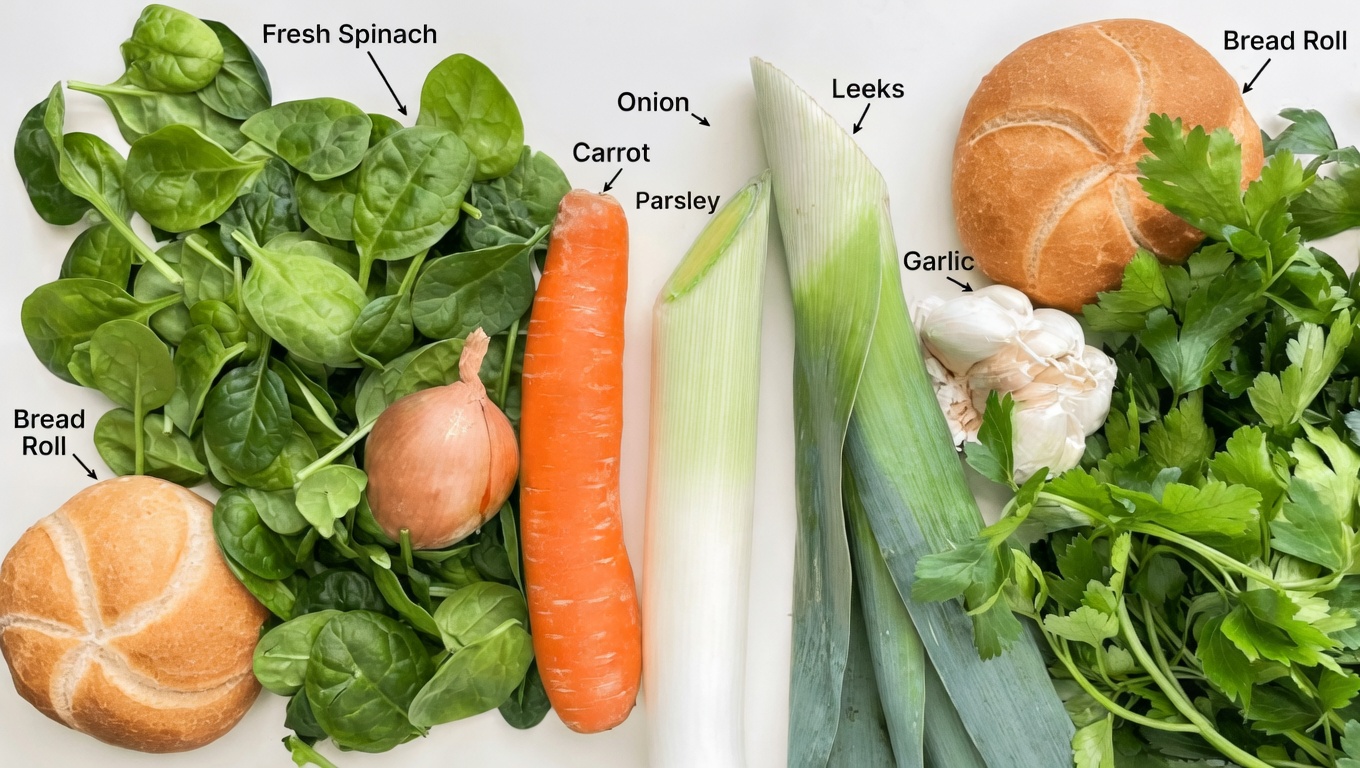
The 7 Foods Dr. Walker Focused on Daily (And Why)
Walker repeatedly returned to a small group of simple, accessible produce—foods that were easy to juice, easy to combine, and rich in key nutrients.
-
Carrots
Rich in beta-carotene, supportive for eye health, skin, and immune function. Often used as a juice base and considered gentle for digestion. -
Celery
Provides important electrolytes (including potassium and sodium) that support hydration and nerve signaling. Frequently described as cleansing and supportive for fluid balance. -
Beets
Associated with liver support and circulation. Contain betaine, a compound studied for its role in metabolic and inflammatory pathways. -
Leafy greens (spinach, kale, parsley)
Packed with minerals and chlorophyll. Commonly used to increase micronutrient density and support overall vitality. -
Cucumbers
Very hydrating and a source of silica, often linked with skin and connective tissue support. Also used for gentle fluid regulation. -
Apples
Contain pectin and fiber—useful for digestive regularity. Also provide antioxidant compounds such as quercetin. -
Lemons
A vitamin C source that supports immune function and collagen formation. Often used to brighten flavor and stimulate digestive processes.
Walker’s preference was to consume these foods raw and freshly juiced, believing this preserved enzymes and improved how the body used nutrients. Broadly, research from respected health institutions (including Harvard Health publications) aligns with the general longevity advantage seen in diets centered on fruits and vegetables.
The Bigger Secret: What Walker Avoided to Stay Vital
Walker’s longevity story wasn’t only about what he added—it was also about what he removed. He believed certain categories placed unnecessary strain on digestion and detox pathways.
Here are the five food categories he consistently avoided:
- Meat and animal-based products: viewed as heavier and more difficult to digest, potentially contributing to colon waste buildup
- Processed and refined foods: considered “empty” of living elements and linked to bodily congestion
- Cooked foods (as a primary pattern): believed to reduce enzymes and alter mineral availability
- Alcohol and caffeine: thought to overstimulate and overwork the liver while disrupting natural rhythms
- Refined grains and dense starches: considered heavy, promoting sluggishness in energy and digestion
Current evidence strongly supports at least part of this avoidance list—especially limiting ultra-processed foods. Studies published in major clinical nutrition journals repeatedly associate high processed-food intake with worse long-term health outcomes.

12 Reasons This Pattern May Support Long-Term Well-Being
Foundation (Reasons 1–4)
- More enzyme activity from raw foods may support smoother digestion (a central claim in Walker’s model).
- Higher fiber intake supports bowel regularity and healthier gut function.
- Support for natural detox pathways, especially via produce commonly associated with liver and bile support (beets, carrots, lemon).
- Better mineral and electrolyte coverage from celery and leafy greens, helping prevent depletion.
A quick self-assessment: rate your digestion from 1 to 10. If it’s consistently low, increasing raw produce and fiber may be one of the simplest experiments to run.
Momentum (Reasons 5–8)
- Lower inflammation support through antioxidant and phytonutrient intake (apples, beets, greens).
- Circulatory and “cleaner” blood support, often attributed to chlorophyll-rich greens and beet compounds.
- Hydration plus gentle cleansing, especially from cucumbers and lemon water.
- Immune resilience through vitamin C and a broad spectrum of plant antioxidants.
Long-Game Benefits (Reasons 9–12)
- More stable energy for some people, particularly when processed foods are reduced.
- Support for joints and connective tissues via minerals and silica-rich produce.
- Improved cellular maintenance through consistent micronutrient intake and reduced oxidative stress.
- A “graceful aging” model—Walker’s own life is often cited as an example of sustained vitality into advanced age.
Research into long-lived populations (including patterns highlighted in Blue Zones studies) consistently emphasizes plant-forward eating, high fiber, and low processed-food intake—overlap that strengthens the plausibility of Walker’s approach.
How to Apply Walker’s Daily Pattern (Without Making It Complicated)
You don’t need a dramatic overhaul. Start with small, repeatable steps.
- Morning juice: carrots + spinach + celery + parsley + apple
- If possible, use a slow juicer to reduce oxidation.
- Midday raw salad: leafy greens + cucumber + lemon-based dressing
- Evening option: beet + carrot + greens juice, or a light raw plate
- Daily hydration: plain water plus lemon water as tolerated
Preparation tip: choose organic produce when feasible to reduce pesticide exposure, especially for leafy greens.
What to Expect: A Practical Timeline
- Weeks 1–2: lighter digestion and subtle increases in daytime energy
- Start with just one fresh juice per day.
- Weeks 3–4: less bloating, improved regularity
- Add salads gradually to avoid digestive discomfort.
- Weeks 5–8: clearer skin, easier joints, improved focus for some people
- Expand variety and rotate ingredients.
- Beyond: more sustainable well-being when consistency becomes routine
- Adjust based on your body’s response.
Nutrition research suggests meaningful changes from plant-forward shifts can appear within weeks, especially in digestion and metabolic markers.
Your Next Step: Small Changes, Big Feedback
Adding these foods doesn’t require perfection—only consistency. Pick one simple action today (for example, a small carrot-based juice) and track how your energy, digestion, and comfort change over the next two weeks.