Why Chia Seeds Can Cause Digestive Discomfort in Seniors
Many older adults add chia seeds to their daily routine for their fiber, omega-3s, and overall nutrition. Yet for some seniors, chia seeds can trigger bloating, stomach heaviness, or sluggish digestion—an unpleasant surprise that can interfere with energy levels and everyday plans. The encouraging news is that these reactions are often linked to how chia seeds are used, not necessarily the seeds themselves.
The Overlooked Risks of Chia Seeds for Seniors
Chia seeds are often marketed as a “superfood,” but in seniors, improper preparation, timing, and portion size can lead to digestive discomfort and fatigue. When bloating or constipation occurs, it may also reduce how well your body absorbs nutrients—making you feel weighed down rather than supported.
Below are the most common chia seed mistakes seniors make, plus simple fixes that can make chia seeds easier to tolerate.
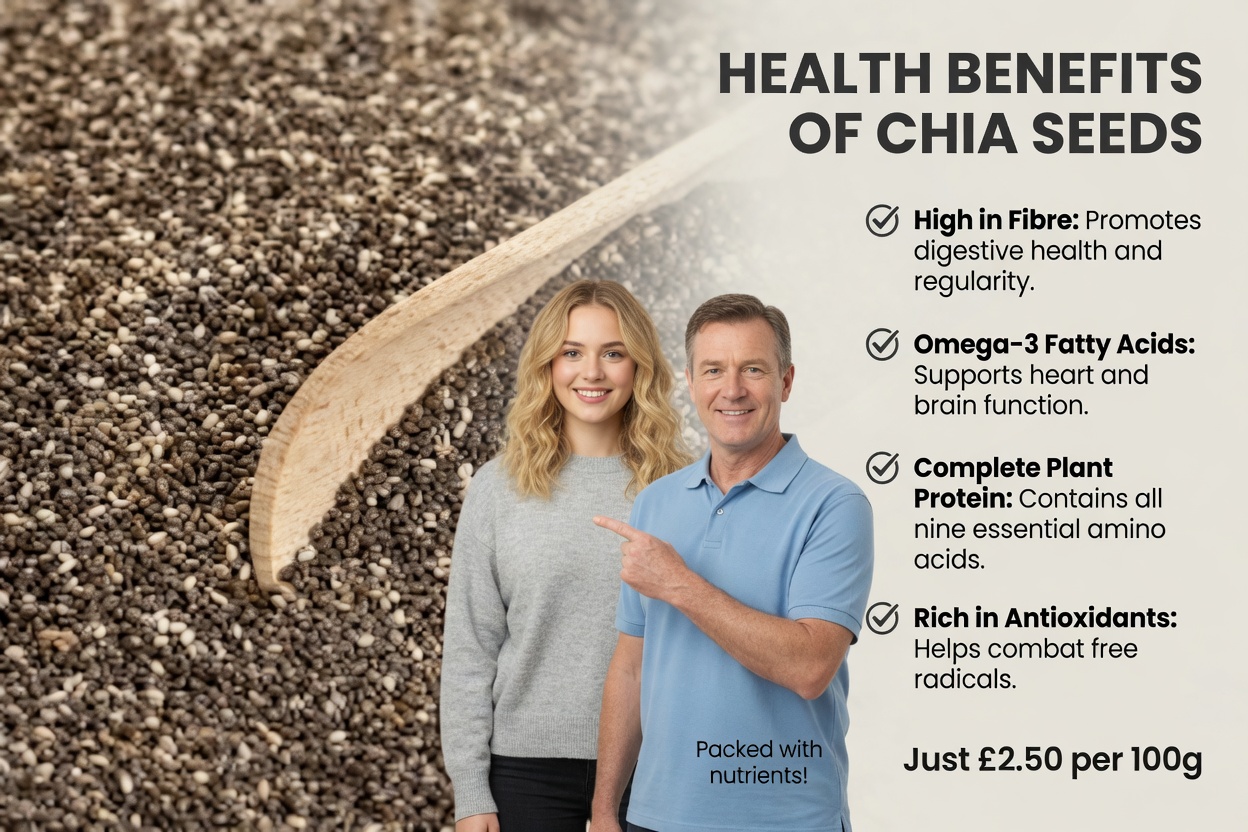
Mistake 1: Eating Dry Chia Seeds
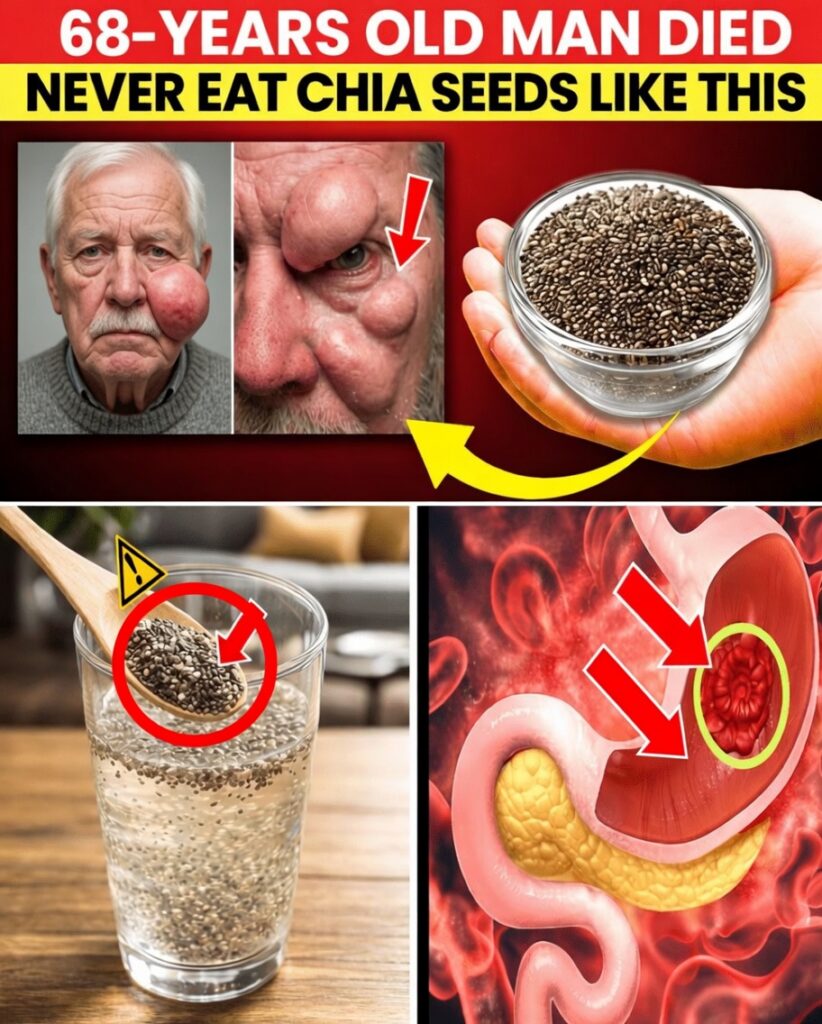
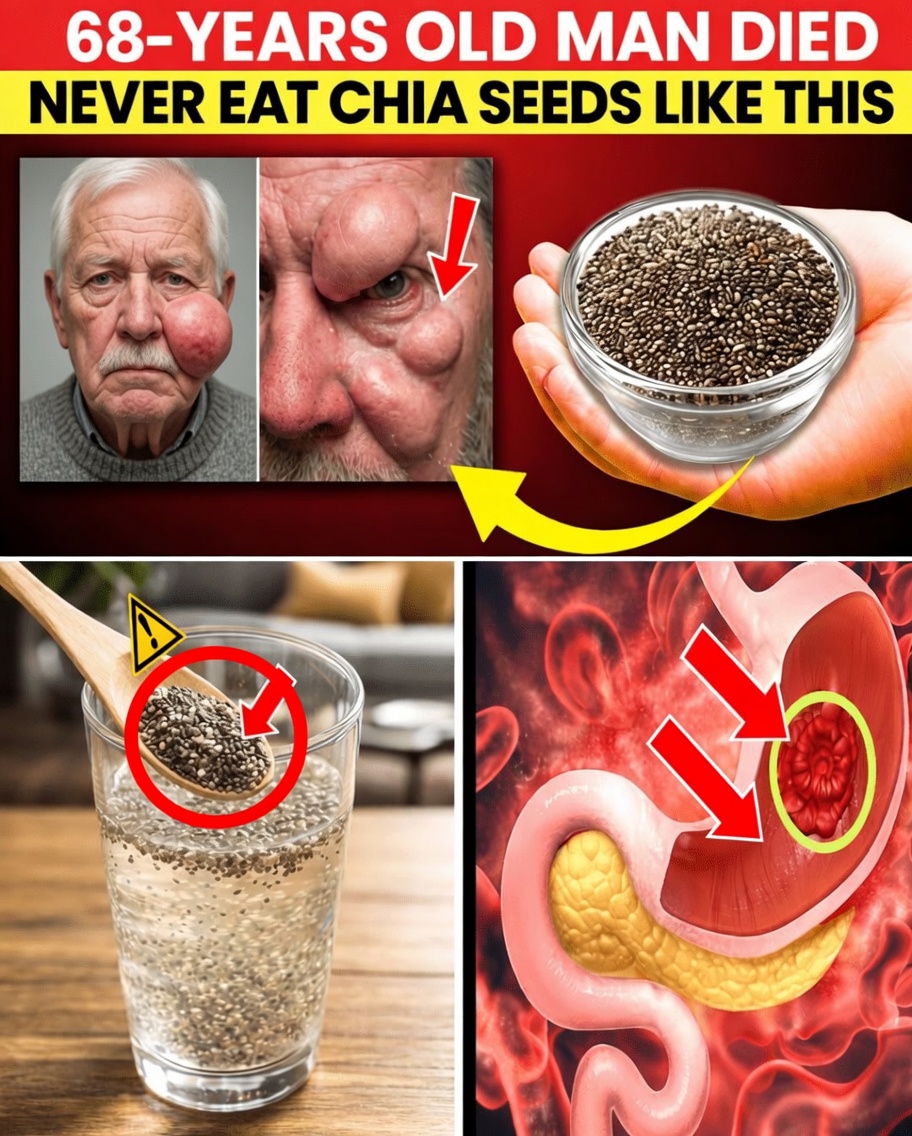
Taking chia seeds dry can feel convenient, but it often backfires. Chia seeds absorb liquid quickly and expand, which can increase bloating, discomfort, and stomach pressure, especially in older digestive systems.
- Better approach: Soak chia seeds until they form a gel.
- How to do it: Stir 1 tablespoon of chia seeds into a glass of water and let sit for about 15 minutes, stirring once or twice.
Mistake 2: Using Too Much Chia Seeds
More isn’t always better. Too many chia seeds can overload the gut with fiber at once, leading to cramps, gas, and a heavy feeling that makes it hard to enjoy your day.
- Safer portion: Start with 1 tablespoon daily
- Easy method: Measure your serving and mix it into yogurt or oatmeal so you’re consistent.
Mistake 3: Eating Chia Seeds Late at Night
A late-night chia snack may seem harmless, but digestion tends to slow down at night. For seniors, this can mean bloating during sleep, discomfort, and poorer rest.
- Best timing: Add chia seeds to breakfast or a morning snack
- Practical idea: Soak chia seeds the night before so breakfast is ready fast.
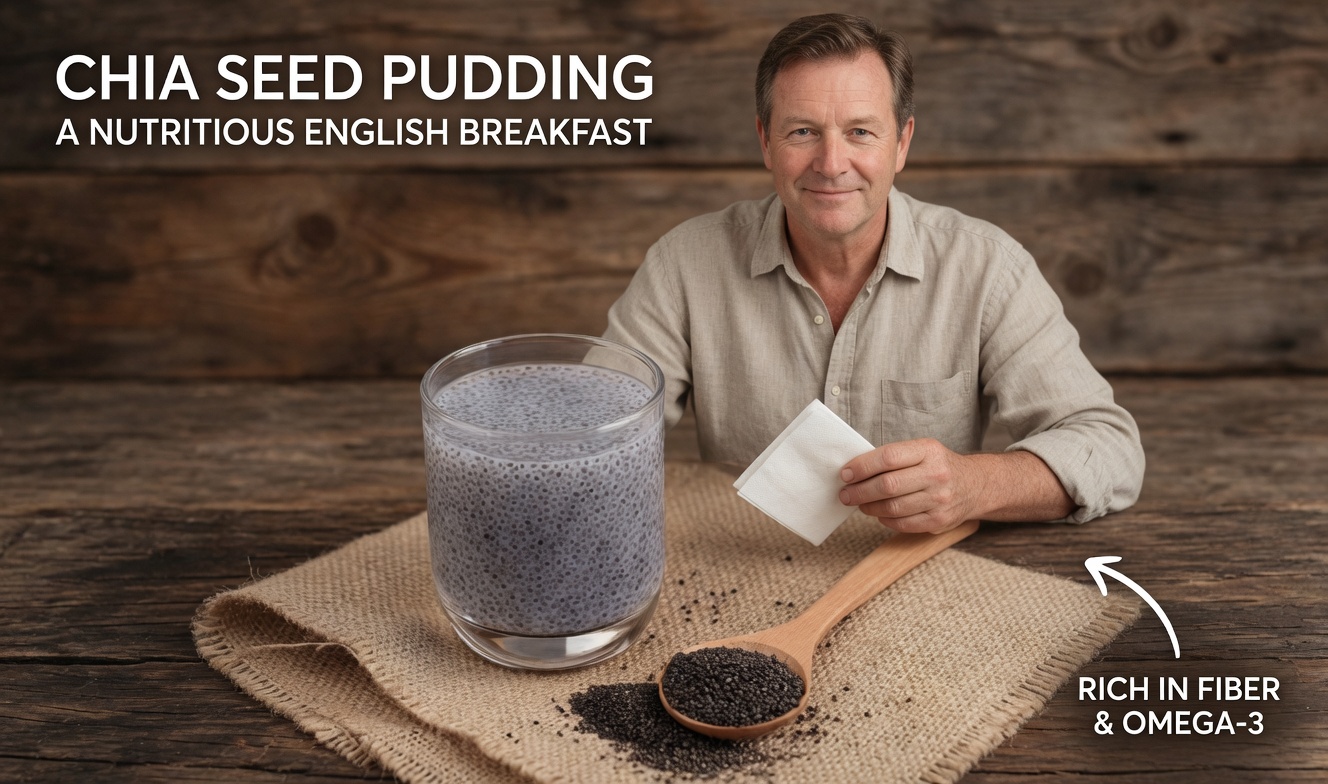
Mistake 4: Not Drinking Enough Water with Chia Seeds
Because chia seeds absorb a lot of fluid, eating them without adequate hydration can increase the chance of constipation, dryness, and digestive strain.
- Simple rule: Drink at least 8 ounces (about 240 ml) of water with your serving
- Helpful habit: Sip water while your chia seeds soak, then finish another glass after eating.
Mistake 5: Mixing Chia Seeds with Sugary Drinks
Adding chia seeds to sweetened smoothies or juices can contribute to energy spikes and crashes, leaving some seniors feeling shaky or drained. High sugar can also create unwanted blood sugar fluctuations.
- Better mixers: Plain water, unsweetened yogurt, or milk alternatives without added sugar
- Refreshing option: Soaked chia in lemon water (lightly flavored, no added sugar)
Mistake 6: Using Old or Rancid Chia Seeds
Chia seeds can oxidize over time, especially after long storage. Older seeds may taste dull and deliver fewer benefits, which can feel discouraging if your energy and digestion don’t improve.
- Best practice: Use chia seeds within six months of purchase when possible
- Quick check: Confirm the expiration date and store in a cool, dry place.
Mistake 7: Eating Chia Seeds Without Protein
Chia seeds offer nutrients, but pairing them with protein can improve how satisfying they feel and may support better nutrient “teamwork,” especially for seniors trying to maintain strength and stable energy.
- Good pairings: Greek yogurt, nuts, or nut butter
- Easy upgrade: Add a handful of almonds to chia pudding or mix chia into high-protein yogurt.
Mistake 8: Skipping Proper Soaking Time
Rushing chia seed prep can leave the seeds under-gelled, which may worsen bloating and reduce comfort. Proper soaking helps create a smoother texture that many seniors digest more easily.
- Target time: 15 minutes (until a gel forms)
- Tip: Use a timer so you don’t cut the soaking short.
Mistake 9: Pairing Chia Seeds with High-Oxalate Foods Too Often
For some seniors—especially those concerned about kidney health—frequently combining chia seeds with high-oxalate foods (such as spinach) may not be ideal.
- Swap idea: Use low-oxalate greens like kale
- Simple change: Replace spinach with kale in salads or bowls that include chia seeds.
Mistake 10: Cooking Chia Seeds at High Heat
High temperatures can reduce sensitive nutrients, including some omega-3 benefits. Baking or cooking chia seeds aggressively may lower the value you hoped to gain.
- Best use: Keep chia seeds raw when possible
- Simple approach: Sprinkle chia on finished meals, salads, or blend into smoothies.
Mistake 11: Using Chia Seeds Inconsistently
Chia seeds tend to work best as a steady habit. If you take them only occasionally, you may miss out on the gradual, cumulative support they can provide for digestion and regularity.
- Goal: Consistent daily intake
- Helpful tool: Set a reminder so chia becomes part of your morning routine.
Mistake 12: Eating Chia Seeds Without Mindful Eating
Stress and rushed meals can worsen digestive symptoms. Even a healthy food like chia seeds may feel “wrong” if eaten quickly or while tense.
- Try this: Eat slowly and chew thoughtfully (especially if chia is mixed into foods)
- Small practice: Take a few deep breaths before your meal to help digestion feel calmer.
Common Chia Seed Problems (and the Fixes)
-
Bloating
- Common mistake: Eating dry chia seeds
- Safer solution: Soak for 15 minutes
-
Gut irritation
- Common mistake: Too much chia
- Safer solution: Limit to 1 tablespoon daily (start low)
-
Disrupted sleep
- Common mistake: Eating chia at night
- Safer solution: Move chia to morning meals
-
Dehydration or constipation
- Common mistake: Not drinking water with chia
- Safer solution: Drink 8 oz water with your serving
Actionable Tips for Adding Chia Seeds to a Senior-Friendly Diet
- Soak correctly: Mix 1 tablespoon chia seeds with 1/2 cup water, wait 15 minutes
- Control portions: Stay around 1–2 tablespoons per day (start with 1)
- Choose the right time: Use chia at breakfast
- Hydrate consistently: Always include fluids with chia
- Pair wisely: Combine chia seeds with protein (yogurt, nuts, milk, or protein-rich meals)
The “Chia Seeds Vitality Ritual” That Brings It All Together
Create one repeatable morning habit: soaked chia seeds, paired with protein, eaten slowly and mindfully, with water nearby. This simple ritual combines the key fixes—soaking, portion control, timing, hydration, smart pairing, and mindful eating—into one sustainable routine many seniors find more comfortable.
Small adjustments with chia seeds often add up to a noticeably better experience.
Advanced Tips for Better Results with Chia Seeds
- Soak chia seeds properly to support comfort and consistency.
- Pair chia with protein for stronger satiety and steadier energy.
- Eat calmly and without rushing to reduce stress-related digestive impact.
Conclusion
Seniors can absolutely enjoy chia seeds—but avoiding these 12 common mistakes can make a major difference in comfort, digestion, and daily energy. Start with one change today (soaking is often the easiest), then build toward the morning vitality ritual for a more reliable routine.
FAQ
What is the best way for seniors to eat chia seeds?
Soak chia seeds before eating, keep the portion modest (often 1 tablespoon to start), and pair them with water and/or protein for easier digestion.
Can chia seeds cause digestive issues?
Yes. Chia seeds can trigger bloating, cramps, constipation, or discomfort, especially if eaten dry, consumed in large amounts, or taken without enough water. Adjusting preparation and portion size usually helps.