
Living With Kidney Issues: Why Protein Can Feel Like a Daily Challenge for Seniors
Many older adults managing kidney issues deal with persistent tiredness, swollen legs or ankles, and “good days and bad days” energy levels that make routine tasks harder than they used to be. When symptoms fluctuate, even well-intentioned efforts to eat “right” can feel discouraging—especially when protein choices seem confusing.
Learning which protein sources are typically easier on the kidneys can help seniors make more confident, practical decisions at meals. Below, you’ll find common proteins that may be worth limiting, gentler alternatives to consider, simple cooking ideas, and one easy daily habit that can support overall comfort.
The Quiet Reality: Why Protein Choice Matters When Kidneys Are Weaker
Protein plays an important role in maintaining muscle, strength, and day-to-day energy—particularly for seniors. However, when kidney function is reduced, the body may have a harder time clearing certain byproducts of protein metabolism. Some protein foods also come with higher levels of minerals (such as phosphorus or potassium) and sodium, which can add extra workload for the kidneys and affect how you feel.
Research and clinical guidance often emphasize a helpful principle: for many seniors with kidney issues, protein quality and the right portions may matter as much as the total amount—especially when choices are made with a healthcare professional’s input.
A useful self-check: after meals, rate your energy level from 1 to 10. Patterns over time can help you and your care team understand how specific foods may be affecting you.

6 Protein Sources Seniors With Kidney Issues May Want to Limit
Many seniors review their go-to proteins and adjust them to reduce strain on the kidneys. The foods below are common examples that may require extra caution due to their typical nutrient profiles.
1) Beef steak (a familiar favorite, but often “heavier”)
Steak can be satisfying, but red meat is often higher in phosphorus and purines, which may be harder to manage for some people with kidney concerns. Seniors who used to rely on steak frequently often do better by reducing frequency, downsizing portions, or choosing lighter proteins with guidance from their clinician.

2) Processed meats (hot dogs, sausages, deli meats)
Processed meats are convenient, but they commonly contain high sodium and added preservatives. For seniors with kidney issues, sodium is often a key nutrient to monitor because it can influence fluid balance and blood pressure. Many people find that swapping processed meats for simpler, fresher options is a meaningful first step.
3) Whey protein powders and concentrated supplements
Whey powders can deliver a large amount of protein quickly. For seniors with kidney issues, highly concentrated protein may create more metabolic waste to clear. Some older adults find that whole-food proteins are easier to tolerate and simpler to balance. Supplement use should be discussed with a doctor or renal dietitian, especially when kidney function is reduced.
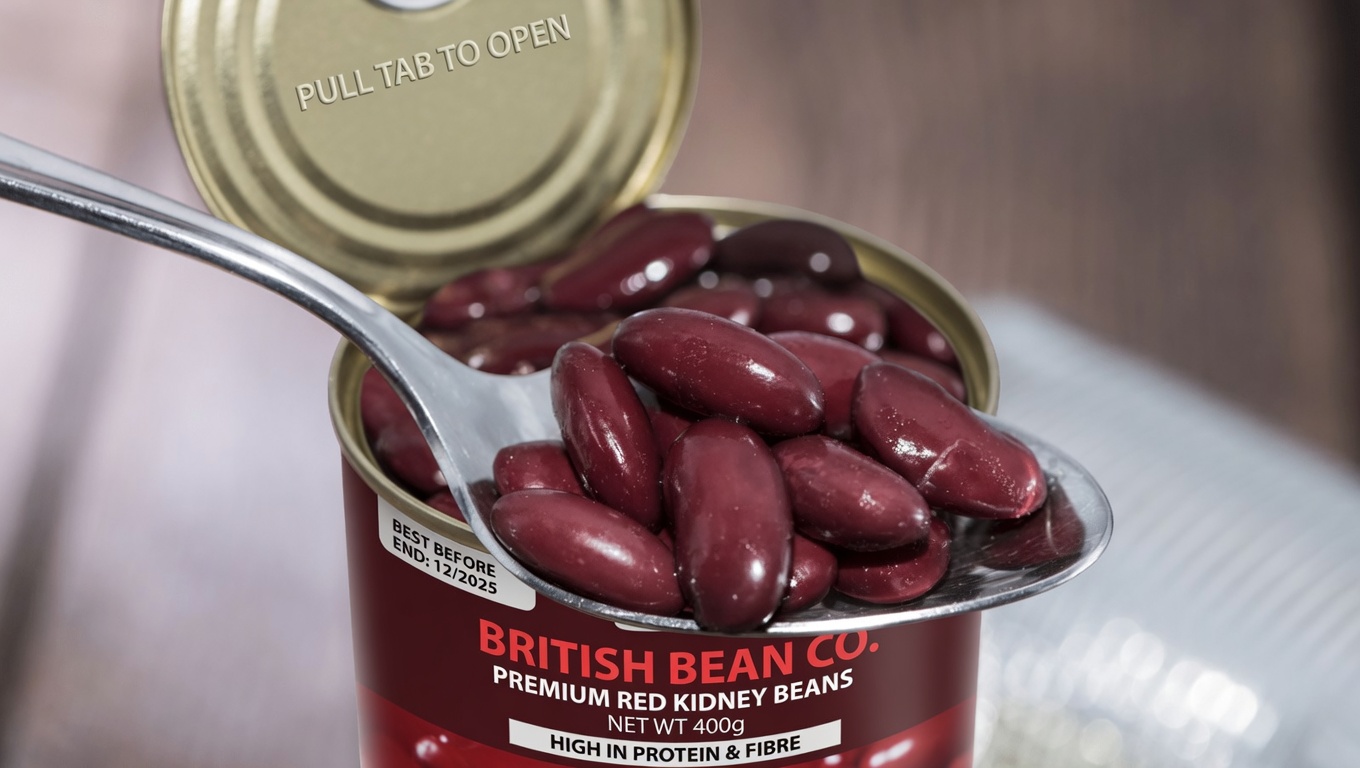
4) Canned beans (such as black beans)
Beans offer fiber and nutrients, but canned versions often contain added sodium, and many beans are also higher in potassium—a mineral some kidney patients need to limit. Rinsing canned beans can lower sodium, but preparing dried beans at home may provide more control over portions and ingredients.
5) Red lentils
Red lentils are popular for plant-based protein, yet they can also be relatively higher in minerals like potassium and phosphorus, depending on the portion size and how they fit into the full day’s diet. Some seniors do better by keeping servings modest and pairing lentils with lower-mineral foods to balance the meal.
6) Too many whole eggs and/or full-fat dairy
Eggs and dairy can be nutritious, but phosphorus is a concern for many kidney patients—especially in egg yolks and certain dairy foods. Moderation is often helpful, and one common strategy is to shift the balance toward egg whites rather than whole eggs.

Quick comparison: proteins to limit vs gentler swaps
| Protein source (use caution) | Why it may be harder for kidneys | Gentler alternative to discuss with your care team |
|---|---|---|
| Beef steak | Higher phosphorus, purines | White fish (e.g., tilapia) |
| Processed meats (hot dogs, deli meats) | High sodium, additives | Fresh, simply cooked chicken (small portions) |
| Whey protein powders | Highly concentrated protein load | Whole-food proteins in appropriate portions |
| Canned black beans | Added sodium; potassium can be higher | Home-cooked dried beans, small servings |
| Red lentils | Mineral content can add up in larger portions | Modest quinoa portions or mixed-grain meals |
| Excess whole eggs / full dairy | Phosphorus (especially yolks and some dairy) | Mainly egg whites; careful dairy choices |
4 Protein Options That Are Often Easier for Seniors With Kidney Issues
These choices are commonly viewed as more kidney-friendly when portioned appropriately and aligned with your medical plan.
1) Egg whites
Egg whites provide high-quality protein with very low phosphorus, which is one reason they’re frequently recommended in kidney-conscious meal plans. Simple idea: scramble egg whites with kidney-appropriate herbs and serve with a low-sodium side.
2) Tofu
Tofu can be a practical plant-based protein that is often lower in the minerals that cause problems for some kidney patients (though products vary). Its mild flavor works well in baked dishes, soups, or quick stir-fries. Choose minimally processed options when possible.

3) Tilapia (or other lean white fish)
Tilapia is a lean protein that can fit well into many kidney-aware diets. It also provides helpful nutrients such as selenium without the heavier profile of some red meats. Easy preparation: bake or steam with lemon, garlic powder (not garlic salt), and a drizzle of olive oil. Many people include it once or twice per week, depending on their plan.
4) Quinoa (in moderation)
Quinoa is considered a complete protein and also contains fiber. For seniors with kidney issues, it may work well in controlled portions, especially when paired with low-potassium ingredients. Rinse quinoa well before cooking to improve texture and taste, then use it in salads or warm bowls.
Bonus Habit: A Gentle Daily Routine That Supports Comfort
A simple 20-minute morning walk can support circulation, mood, and overall daily function. For many seniors, it’s a low-impact habit that’s easier to maintain than intense exercise. Start slowly, keep it comfortable, and adjust based on how you feel.
A Simple Action Plan (Step by Step)
- Week 1: Replace one “limit” protein with one gentler option.
- Week 2: Add the 20-minute morning walk (at your own pace).
- Week 3: Rotate in two kidney-friendlier proteins regularly.
- Month 1: Maintain your routine and review progress with your healthcare provider or renal dietitian.
Consistency matters more than perfection—small changes can be easier to sustain and more empowering over time.
Frequently Asked Questions (FAQ)
How much protein is right for seniors with kidney issues?
Protein needs depend on kidney function stage, body size, activity level, and other health conditions. A renal dietitian can provide a personalized target.
Is plant protein better than animal protein for kidney health?
Plant proteins can be excellent, but mineral content (especially potassium and phosphorus) and portion sizes still matter. Many seniors do well with a balanced mix chosen with professional guidance.
How soon might I notice a difference after changing protein choices?
Timing varies. Some people feel changes in energy and fluid balance sooner, while others notice benefits gradually. Regular check-ups and lab monitoring are the safest way to track progress.
Medical Disclaimer
This article is for informational purposes only and does not replace professional medical advice. Seniors with kidney issues should consult their healthcare provider and a registered dietitian before making dietary changes, especially regarding protein intake, supplements, potassium, phosphorus, and sodium limits.