Uterine “Cleansing” Myths vs. Real Reproductive Wellness
Many women feel pressure to keep the uterus “clean” or worry about hidden buildup—especially with constant online talk about toxins, detoxes, and “womb cleansing.” In reality, the idea that the uterus becomes “full of waste” is largely a misconception. Your body already has highly effective detox and filtration systems (especially the liver and kidneys) designed to manage waste every day.
That said, daily habits can influence reproductive health, hormone balance, and how comfortable you feel across your menstrual cycle. When something feels off, it’s easy to assume you need a drastic reset—when what you often need is steady, supportive routines.
The encouraging part: you don’t need extreme cleanses. Small, consistent choices can support your body’s natural processes and improve overall well-being. Below are practical, science-informed steps that fit into real life—plus an important reason why skipping trendy “detox” methods is often the best decision for long-term health.
Why Small Daily Habits Beat Extreme Detox Trends
Your reproductive system functions best with stability and balance, not sudden overhauls. Research consistently links lifestyle factors—like nutrition, movement, sleep, and stress—to menstrual regularity and hormone health. Many extreme detox fads are not evidence-based and may interfere with your body’s natural rhythms. Sustainable habits are typically safer, easier to maintain, and more effective over time.
1. Stay Hydrated All Day
Water supports circulation, tissue function, and overall comfort—especially around your cycle. Adequate hydration helps maintain healthy blood flow throughout the body, including reproductive tissues, and may reduce bloating or discomfort for some people.
Some studies suggest that increased water intake can be associated with reduced pain intensity and shorter bleeding duration in certain women. You don’t need special “detox waters” or additives—plain water is enough.
Practical tip:
- Aim for 8–10 glasses daily (adjust for climate and activity).
- Use urine color as a quick check: pale yellow usually signals good hydration.
- Make it easy: keep a water bottle visible or set reminders until it becomes automatic.
2. Eat More Fiber-Rich Whole Foods
Hormones and digestion are closely connected. Fiber supports regular bowel movements and helps the body process and eliminate estrogen efficiently—an important piece of hormone regulation and menstrual balance.
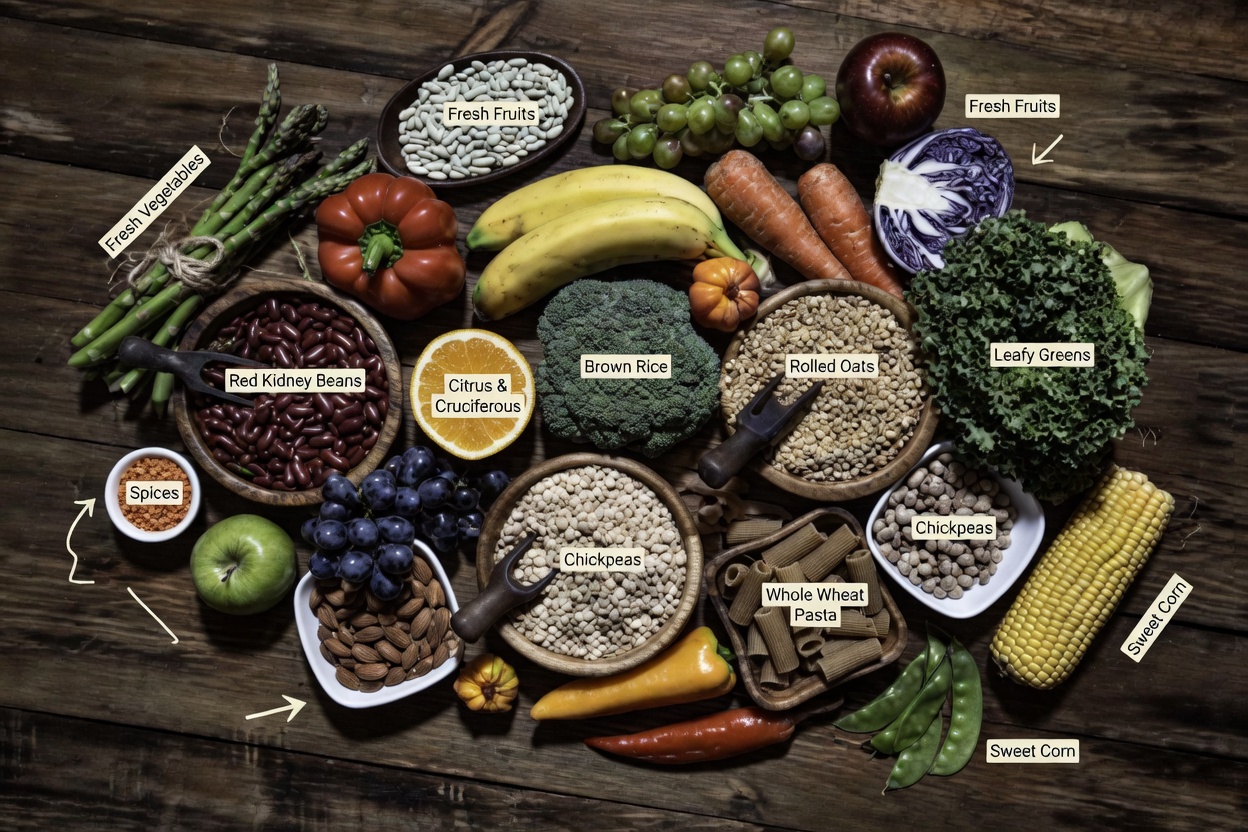
Prioritize fiber from:
- Leafy greens (spinach, kale)
- Fruits (berries, apples)
- Whole grains (oats, quinoa)
- Legumes (lentils, chickpeas)
- Nuts and seeds
Reducing ultra-processed foods, added sugar, and frequent fried meals can also support hormone stability. Large research efforts (including studies exploring hormone patterns across the cycle) have examined links between fiber intake, estrogen metabolism, and cycle function.
Keep it simple: add one extra serving of fruit or vegetables per meal rather than chasing perfection.

3. Add Gentle Movement Most Days
Regular physical activity supports circulation, stress regulation, and hormone balance—often translating into better menstrual comfort and more predictable cycles. Research suggests that consistent exercise can reduce cramps and ease PMS symptoms for many women.
No gym membership required. Choose options that feel manageable:
- Brisk walking (20–30 minutes)
- Yoga or gentle stretching
- Light jogging or cycling
- Dancing at home
Easy option guide:
- Walking: low-impact, supports mood and circulation
- Yoga: encourages relaxation and pelvic awareness
- Cycling: builds endurance without high impact
The goal is consistency. A short walk done regularly beats an intense routine you can’t maintain.
4. Use Simple Stress-Relief Tools
Long-term stress can elevate cortisol, which may disrupt hormone patterns and affect cycle timing or symptoms. Building small stress-reduction practices can support reproductive wellness and overall health.
Try daily, low-effort strategies:
- 5 minutes of deep breathing (inhale 4 counts, exhale 6)
- Short breaks from screens
- Time outdoors, even briefly
- Music, journaling, or a hobby you genuinely enjoy
Sleep plays a major role here as well. Most adults do best with 7–9 hours per night, and poor sleep can intensify the effects of stress on hormones.
5. Keep Personal Hygiene Gentle and Evidence-Based
The vagina is self-cleaning and maintains its own internal balance. Over-cleaning or using harsh products can disturb the natural environment and lead to irritation or imbalance.
Healthier hygiene habits include:
- Washing the external vulvar area with mild, unscented soap and water
- Wearing breathable cotton underwear
- Changing pads or tampons regularly during your period
- Avoiding scented sprays, wipes, or fragranced products
Avoid douching. Major health organizations warn that it can disrupt natural vaginal flora and increase health risks.
6. Track Your Cycle and Notice Patterns
Your menstrual cycle is a monthly snapshot of health. Basic tracking helps you identify changes early and communicate clearly with a healthcare professional if needed.
Pay attention to:
- Cycle length and timing
- Flow changes
- New or worsening pain
- Spotting between periods
- Persistent discomfort
Not every change signals a serious problem—but recognizing patterns helps you take action sooner rather than later.
7. Protect Your Sleep Routine
Sleep supports hormonal regulation, immune function, and recovery. Inconsistent or insufficient rest can worsen stress, increase inflammation, and make cycle symptoms feel more intense.
Improve sleep with:
- A consistent bedtime and wake time
- Fewer screens in the hour before bed
- A cool, dark sleeping environment
Even small adjustments—like dimming lights earlier in the evening—can improve sleep quality over time.
8. Avoid Unproven “Uterus Detox” Methods
Trendy approaches like “uterus cleanses,” extreme detox teas, or womb steaming are often marketed with big promises and little scientific support. Your body is already equipped to eliminate waste naturally.
Instead of quick fixes, focus on habits that support your body’s built-in systems: hydration, nutrition, movement, stress management, and sleep.
9. Schedule Regular Reproductive Health Checkups
Routine appointments support prevention and early detection. Regular checkups can catch subtle issues before they become bigger problems and help you tailor care to your personal health history and symptoms.
Bottom Line: Consistent Basics Support Uterine Health Best
Supporting uterine and reproductive health usually comes down to fundamentals:
- Hydration
- Fiber-forward whole foods
- Gentle, regular movement
- Stress reduction
- Smart hygiene
- Cycle awareness
- Quality sleep
- Routine medical care
These habits build real results over time—often improving comfort and balance far more than any trendy cleanse.
A valuable takeaway: skipping extreme detox trends and sticking with everyday support may be the most effective “secret” for feeling your best. Your body tends to thrive with steady care—not harsh interventions.
FAQ
What should I drink daily to support reproductive health?
Plain water is the best option. It supports circulation and comfort without added sugar, stimulants, or unnecessary ingredients.
How much exercise helps with menstrual comfort?
For many women, 20–30 minutes of gentle movement most days (like walking or yoga) can help reduce discomfort and support cycle regularity.
Can stress really change my cycle?
Yes. Many women notice cycle changes during high-stress periods. Consistent stress-management habits can help restore balance over time.
Disclaimer
This article is for informational purposes only and does not replace professional medical advice. For personal guidance—especially with severe pain, unusual bleeding, or major cycle changes—consult a qualified healthcare provider.