Knee Cartilage Wear and Knee Pain: How Food Can Support Joint Health
Gradual knee cartilage wear can turn everyday movements—climbing stairs, getting up from a chair, or even standing for long periods—into a daily battle. As cartilage thins, stiffness and discomfort may increase, limiting mobility and taking the enjoyment out of activities you once did without thinking.
Nutrition can’t “magically” rebuild cartilage overnight, but what you eat can meaningfully support joint health by providing building blocks for tissue maintenance and nutrients linked with lower inflammation and better connective-tissue function. Orthopedic specialists often point to one simple, widely available food as an everyday standout—whole eggs—and research also connects several other nutrient-dense foods with better support for joints and cartilage.
Whole Eggs: The Everyday Champion for Knee Cartilage Support
If knee cartilage thinning has left you dealing with persistent aches and reduced range of motion, whole eggs are a practical place to start. They provide high-quality protein, which supplies amino acids your body uses to maintain and repair tissues under daily wear.
Whole eggs also contain vitamin D, a nutrient important for bone and overall joint structure—especially relevant when compromised cartilage affects how the knee handles load. In addition, eggs provide choline and lutein, nutrients that support cellular function and may indirectly contribute to long-term tissue resilience.
Because eggs are affordable, easy to cook, and already a staple in many kitchens, they’re one of the simplest upgrades you can make without overhauling your diet. A common approach is to include 2–3 whole eggs a few times per week, adjusting to your overall protein needs and any medical guidance.

Bone Broth: Collagen and Amino Acids for Connective Tissue Maintenance
When knee cartilage breakdown causes stiffness, even routine family activities can feel out of reach. Bone broth is popular for joint support because it can provide collagen, gelatin, amino acids, and minerals—nutrients often discussed as “raw materials” for connective tissue.
Regular use may help support flexibility and comfort, which matters when movement feels tight or restricted. Research on collagen intake suggests it may help reduce joint stiffness for some people as part of a broader, balanced strategy.
You can sip bone broth on its own or use it as a base for soups, stews, and grains to make joint-supportive eating easier to maintain.

Fatty Fish: Omega-3s to Help Calm Inflammation That Affects Cartilage
Inflammation can speed up discomfort and make knee cartilage problems feel like they’re stealing your active life. Fatty fish—such as salmon, sardines, mackerel, and tuna—are rich in omega-3 fatty acids, widely studied for their role in supporting a healthier inflammatory response.
Omega-3s are also associated with improved joint comfort and may support smoother movement by helping overall joint function. Many nutrition guidelines suggest aiming for fatty fish about twice per week to capture these benefits.
Leafy Greens: Vitamin K and Antioxidants for Joint and Bone Support
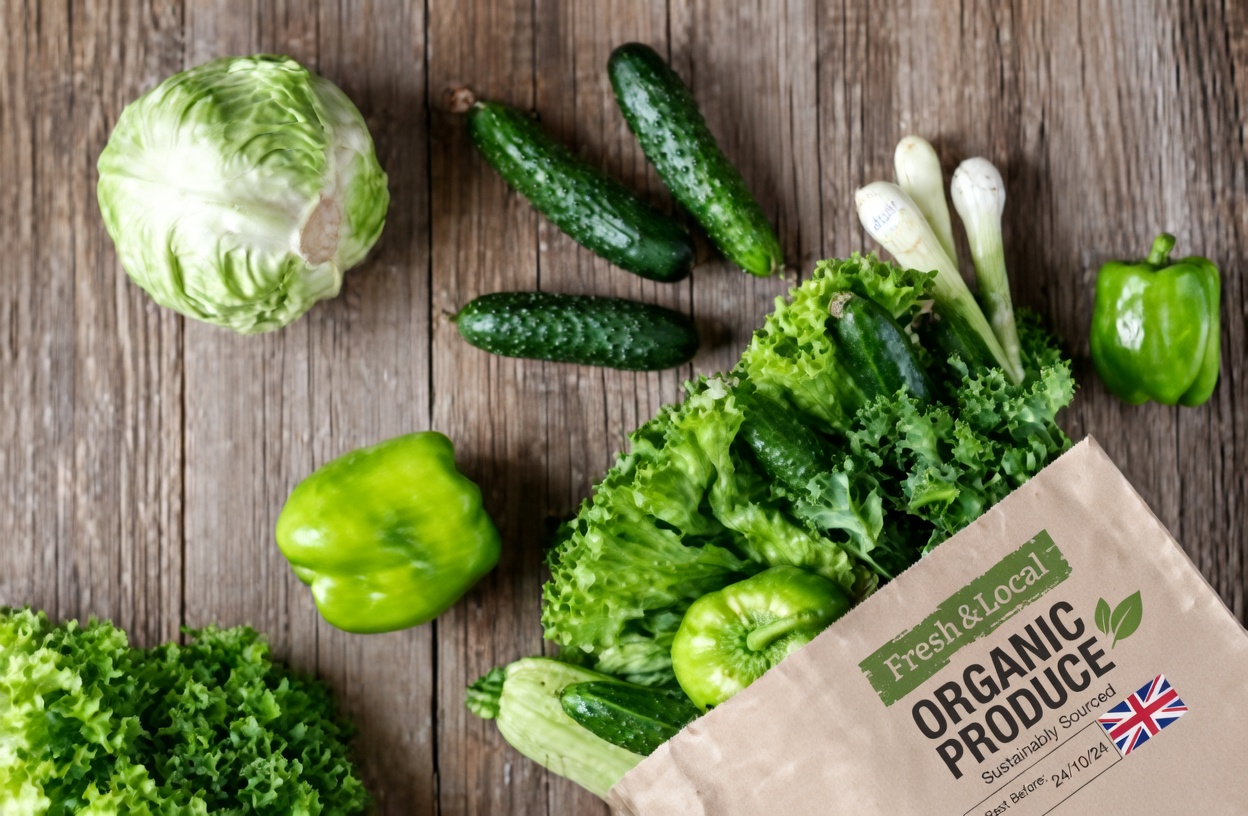
Oxidative stress and poor nutrient intake can compound the strain on aging joints. Leafy greens like spinach, kale, and broccoli offer antioxidants, phytonutrients, and vitamin K, supporting cellular protection and bone-related processes that influence knee stability.
Vitamin K is particularly important because it supports how the body manages calcium and bone metabolism—factors that matter when cartilage wear affects joint mechanics. Add greens to salads, sautés, omelets, or smoothies to make them a daily habit.

Citrus Fruits: Vitamin C for Collagen Production in Cartilage
As knee cartilage damage progresses, concerns about long-term mobility can grow. Citrus fruits (and other vitamin C-rich fruits like kiwi) provide vitamin C, a key nutrient the body uses to produce collagen, an essential structural component in cartilage and connective tissue.
Research has associated higher vitamin C intake with healthier joint aging patterns in some populations. Simple options include adding lemon to water, eating an orange as a snack, or mixing kiwi into breakfast.
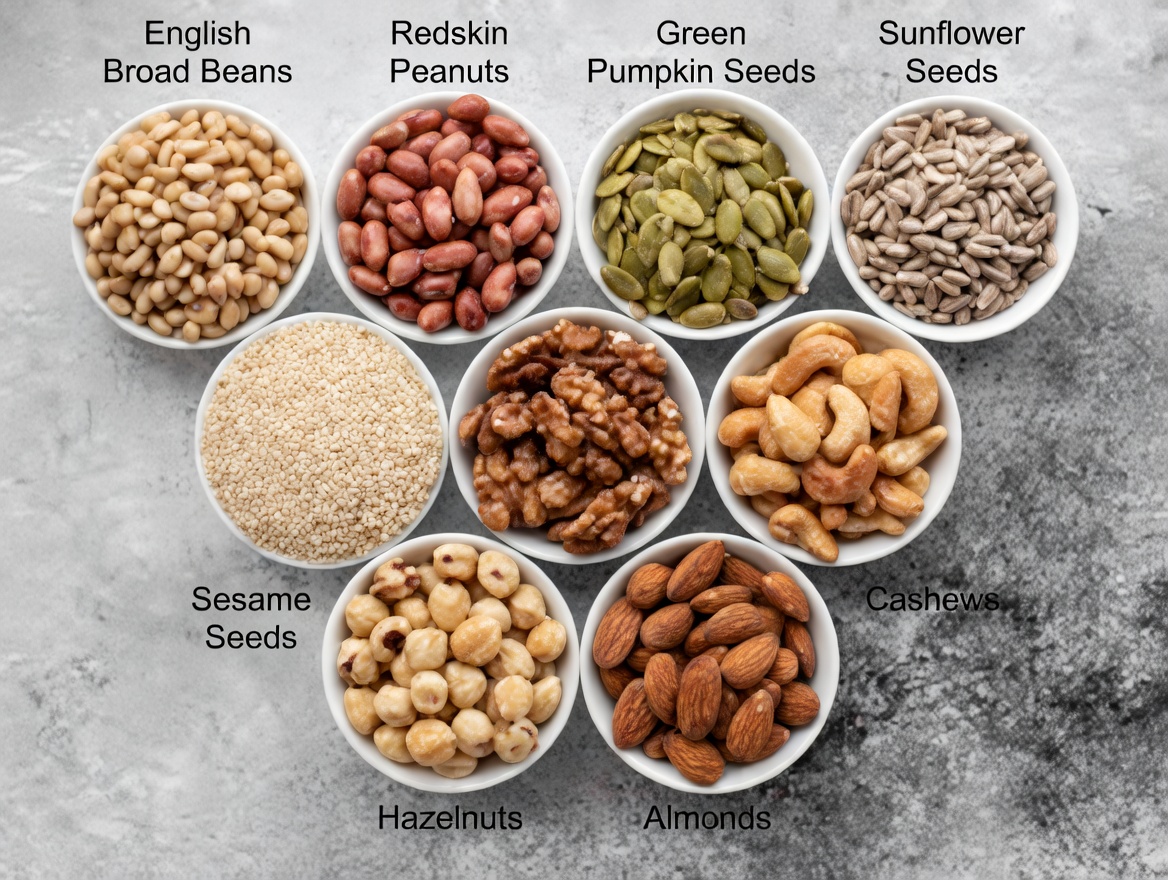
Nuts and Seeds: Healthy Fats, Minerals, and Antioxidants for Joint Comfort
Knee cartilage discomfort can make exercise and even household tasks feel overwhelming. Nuts and seeds—such as walnuts, Brazil nuts, chia seeds, and flaxseed—deliver healthy fats, minerals, and antioxidants linked to inflammation control and tissue support.
They’re also convenient: a small daily serving (like a handful of nuts or a spoonful of seeds mixed into yogurt or oatmeal) can strengthen the nutritional foundation of a cartilage-supportive diet.

Garlic: Natural Compounds That Support a Healthier Inflammatory Response
When swelling and joint discomfort interfere with sleep and mood, small dietary habits can matter. Garlic contains allicin, a bioactive compound studied for its potential role in supporting a balanced inflammatory response.
It’s easy to use more often: add fresh garlic to stir-fries, soups, roasted vegetables, and marinades. Beyond flavor, it offers a simple, consistent way to support overall joint wellness.

Sweet Potatoes: Vitamin C and Manganese for Cartilage-Related Nutrition
Persistent knee pain can be draining, especially when cartilage wear reduces activity with friends and family. Sweet potatoes provide vitamin C (supporting collagen formation) and manganese, a mineral involved in connective-tissue processes and antioxidant defenses.
They’re also versatile and satisfying—try them roasted, mashed, or added to grain bowls—making it easier to eat in a way that supports joint health consistently.
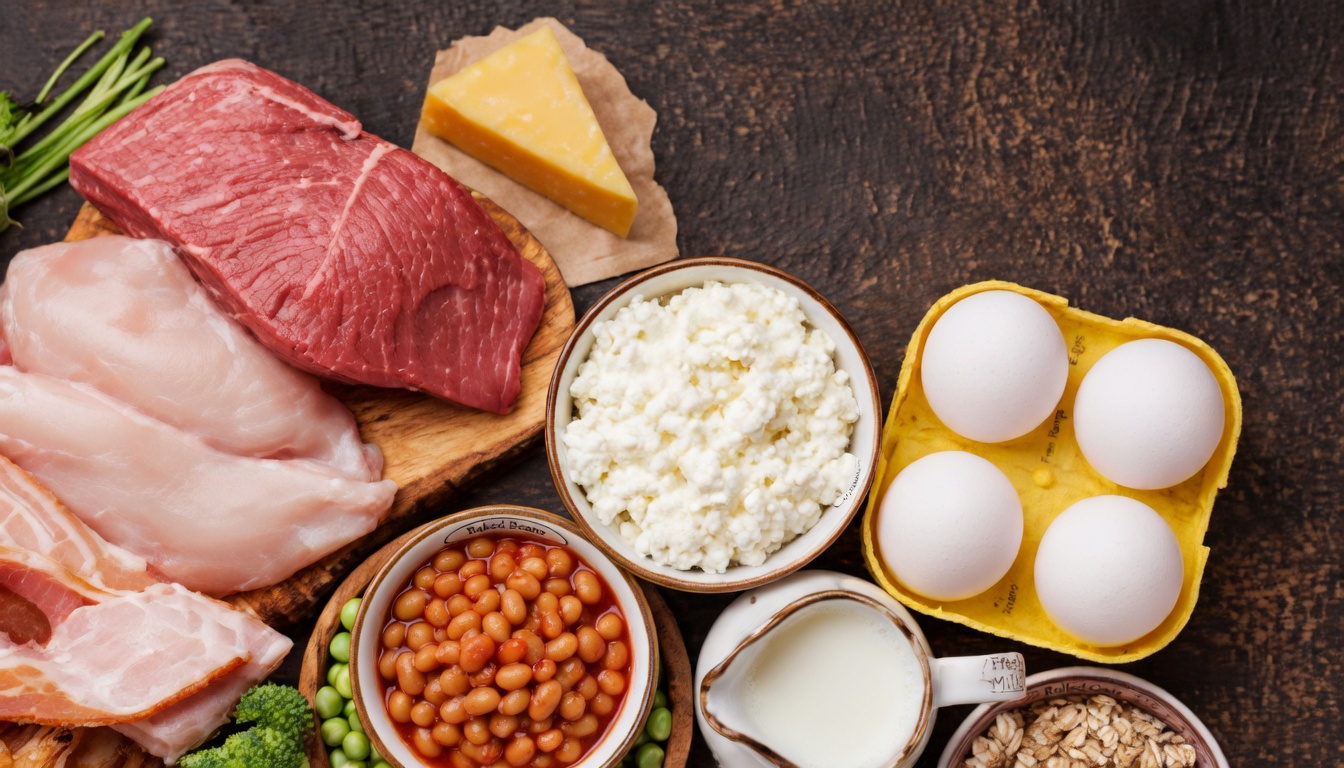
Lean Proteins: Amino Acids as Building Blocks for Tissue Maintenance
Worry about losing more knee cartilage can lead some people to move less, creating a difficult cycle of stiffness and weakness. Adequate lean protein supports tissue maintenance by supplying amino acids, which the body uses to maintain structures around the joint.
Options include chicken, lean cuts of meat, and eggs (already highlighted as a top choice). Pair lean protein with vegetables and healthy fats to create meals that support muscle strength and overall joint function—important for taking pressure off vulnerable knees.

Practical Ways to Add These Knee Cartilage–Supportive Foods to Your Week
To make joint-friendly eating realistic, focus on repetition and convenience:
- Breakfast rotation
- Omelet with spinach and garlic
- Greek yogurt topped with chia/flax and citrus on the side
- Weekly fish goal
- Plan two fatty-fish meals (salmon salad, sardines on toast, tuna bowl).
- Daily greens habit
- Add a handful of leafy greens to one meal per day (salad, sauté, smoothie).
- Simple collagen-style add-on
- Use bone broth as a soup base or warm drink a few times per week.
- Snack smarter
- Keep nuts portioned for easy grab-and-go support.
Consistency matters more than perfection. Combined with medical care, appropriate movement, and a balanced overall diet, these foods can help nourish your body in ways that support joint comfort and knee cartilage health over time.