
Diabetes Often Starts Quietly: Why So Many Adults Miss the Early Clues
Recent CDC data (August 2021 to August 2023) suggests that about 15.8% of U.S. adults have diabetes, and around 4.5% are living with it undiagnosed. In practical terms, that’s millions of people experiencing early symptoms without connecting them to blood sugar—because the signs can seem “normal,” minor, or easy to blame on stress, aging, or a busy lifestyle.
What makes high blood sugar (hyperglycemia) so tricky is how it affects the body in subtle, repeating patterns: it can pull fluid from tissues, stress blood vessels, and irritate nerves, creating small daily disruptions long before obvious complications show up. People often try surface-level fixes (more lotion, earlier bedtimes, extra coffee), while the underlying issue continues.
The upside: when you learn to notice these overlooked signals, you’re more likely to have an earlier, more productive conversation with a healthcare provider—and that can support better long-term health. Toward the end, you’ll also find a simple tracking method that helps connect the dots in a way many people miss.
How Diabetes Can Hint at Trouble Before You Realize It
As many people move past their 40s and 50s, it’s common to shrug off fatigue, poor sleep, or skin irritation as “just life.” But research increasingly points to blood sugar swings as a contributor for many adults. When glucose stays elevated, it may lead to:
- Dehydration from frequent urination
- Circulation changes that affect skin and muscle comfort
- Nerve irritation that can show up as tingling, crawling sensations, or cramps
The encouraging part is that early awareness can be empowering. Studies suggest that habits supporting blood sugar stability—such as balanced meals, consistent movement, and better sleep routines—may reduce several of these everyday discomforts over time.
Why These Subtle Symptoms Matter
High glucose can draw water out of cells and place added strain on nerves and blood vessels. That’s why the warning signs often feel unrelated—until you view them as part of one pattern. The earlier you recognize possible connections, the sooner you can focus on lifestyle changes and medical guidance that promote balance.
Below are 11 commonly overlooked signs that may be worth tracking and discussing with a healthcare professional.
1. Persistent Itchy Skin (Especially on Legs)
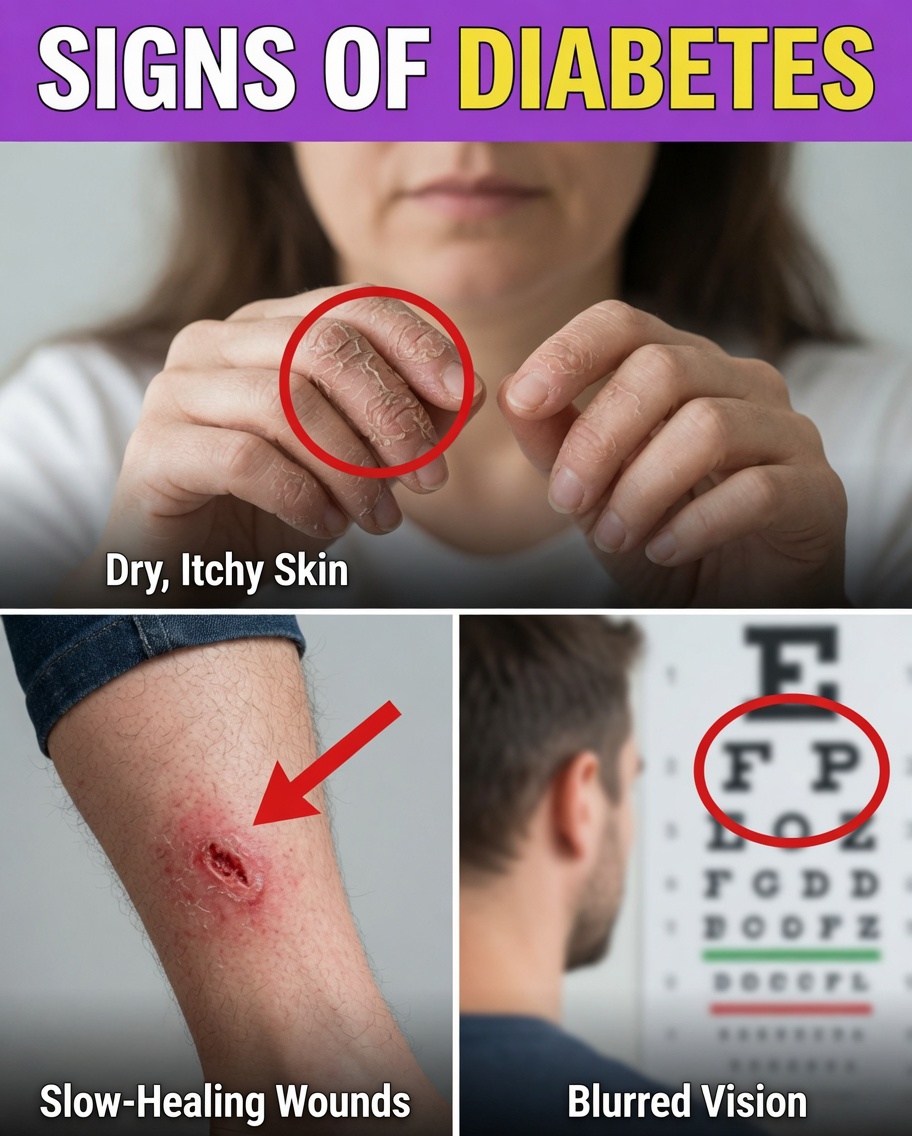
If your skin stays itchy even with regular moisturizing—often on the legs or lower body—it may be more than seasonal dryness. High blood sugar can increase urination, which contributes to overall dehydration, leaving skin drier and more vulnerable to irritation or minor infections. Circulation changes may add to the problem.
A practical idea: rate your skin discomfort from 1 to 10. If it’s frequently above 5, write it down and see if it coincides with other symptoms.
2. Frequent Nighttime Urination (Nocturia)
Waking up multiple times to use the bathroom can destroy sleep quality. When blood sugar is high, the kidneys work harder to remove excess glucose, pulling more fluid into urine—leading to urgency, including at night.
Try tracking:
- How many times you wake up to urinate
- Whether it follows late-day high-sugar meals or drinks
Some people find that staying well-hydrated earlier in the day and reducing fluids close to bedtime improves sleep (while still meeting overall hydration needs).
3. Blurry or Fluctuating Vision
If your vision becomes fuzzy off and on—or your prescription seems to change more often—blood sugar may be involved. Elevated glucose can cause temporary fluid shifts in the eye’s lens, affecting focus.
Key steps:
- Keep up with regular eye exams
- Note whether blurry episodes happen alongside thirst, fatigue, or nighttime urination
4. Restless Legs at Night
That uncomfortable “crawling” or irresistible urge to move your legs can make it hard to relax or fall asleep. In some cases, prolonged high blood sugar is associated with nerve changes, and early nerve irritation may contribute to these sensations.
Common strategies that help some people:
- Gentle evening stretching
- Light after-dinner movement
- Reducing late-day caffeine

Mid-Article Check-In: A Quick Self-Reflection
Consider these questions:
- Which of the signs above feel familiar?
- What symptom disrupts your day or sleep the most?
- On a scale of 1–10, where is your energy lately?
Noticing patterns is a meaningful first step.
5. Night Sweats or Waking Up Clammy
Waking up drenched or suddenly sweaty can be alarming. In some situations, this may relate to overnight blood sugar drops, which can trigger stress hormones and cause sweating.
If this happens often, note:
- Time of night it occurs
- What you ate and when
- Whether you also wake with shakiness, hunger, or anxiety
Always follow medical guidance—especially if you use glucose-lowering medications.
6. Sleep Apnea or Breathing Pauses During Sleep
Loud snoring, gasping, or breathing interruptions may signal sleep apnea. This condition is often associated with factors like weight and metabolic health, and research links it with reduced insulin sensitivity.
Helpful next steps:
- Consider a sleep evaluation if symptoms are present
- Prioritize sleep quality as part of blood sugar support
7. Sudden Night Leg Cramps
Painful cramps that jolt you awake may be tied to fluid loss, electrolyte shifts, circulation issues, or nerve irritation—factors that can overlap with high blood sugar patterns.
Supportive habits include:
- Stretching calves and feet before bed
- Ensuring balanced nutrition (minerals from food sources)
- Reviewing hydration timing
8. Strong Thirst at Night
If you feel unusually thirsty in the evening or wake up needing water, it often connects with nighttime urination. High glucose can drive dehydration, creating a loop: thirst → drinking → urination → more thirst.
A useful approach is to:
- Increase hydration earlier in the day
- Track thirst intensity and timing
9. Dry Mouth and Ongoing Dental Issues
Persistent dry mouth can increase bacterial growth, raising the risk of gum irritation, cavities, and bad breath. If you’re brushing and flossing consistently but problems keep returning, note whether dryness and thirst are also present.
Helpful basics:
- Hydration
- Regular dental care
- Tracking dry mouth frequency
10. Tingling, Burning, or “Pins-and-Needles” in Hands and Feet
Mild tingling or burning can be an early sign of nerve involvement. While many conditions can cause this, blood sugar patterns are one important possibility to consider—especially if the sensation is persistent or worsening.
Supportive daily habits often include:
- Regular walking or light movement
- Avoiding long periods of sitting
- Discussing symptoms promptly with a provider
11. Fatigue That Doesn’t Improve With Rest
This isn’t the usual “I slept poorly” tiredness. When cells can’t use glucose efficiently, the body may feel drained even after a full night’s sleep. If fatigue is persistent and unexplained, it’s worth tracking alongside other symptoms.
Quick Overview: Symptoms, Triggers, and Practical Tips
- Itchy skin: dehydration/circulation → discomfort → hydrate + gentle moisturizers
- Nocturia: glucose spilling into urine → poor sleep → reduce late fluids + track patterns
- Blurry vision: lens fluid shifts → trouble focusing → stabilize habits + eye exams
- Restless legs: nerve irritation → sleep disruption → stretch + reduce caffeine
- Night sweats: overnight sugar shifts → wake-ups → consistent meals (medical guidance if on meds)
- Night cramps: fluid/electrolytes/nerve factors → painful awakenings → stretching + balanced nutrition
A Simple 1-Month Tracking Plan (That Makes Patterns Obvious)
Weeks 1–2: Observe Without Judging
Use a notebook or app to log:
- Sleep quality
- Nighttime urination frequency
- Itching, cramps, tingling, thirst, sweating
- Meal timing and overall hydration
Weeks 3–4: Adjust Small, Sustainable Habits
Experiment with:
- More hydration earlier in the day (not late at night)
- Balanced meals with protein and fiber
- Light daily movement (even short walks)
- More consistent sleep timing
After 1 Month: Review and Talk With a Healthcare Provider
Bring your notes to discuss next steps. A provider may recommend routine screening such as A1C or other labs based on your risk factors and symptoms.
Key Takeaway: Early Awareness Can Change the Outcome
These symptoms can look unrelated, but they often connect through the same root pattern: blood sugar imbalance affecting hydration, nerves, circulation, and sleep. Paying attention doesn’t mean self-diagnosing—it means recognizing signals early enough to take smart action.
One simple step today: write down any signs that match your experience and mention them at your next check-up. That small effort can lead to clearer answers and better long-term health.
Frequently Asked Questions
What should I do if I notice several of these signs?
Track symptoms for 1–2 weeks and schedule a conversation with your doctor. Basic screening tests can quickly clarify whether blood sugar may be involved.
Can these symptoms happen with prediabetes, too?
Yes. Subtle changes can appear before diabetes is diagnosed, which is why early awareness can support prevention-focused habits.
How often should adults over 40 get checked?
Most people benefit from annual wellness visits, and your clinician may recommend more frequent screening based on personal risk factors and symptoms.