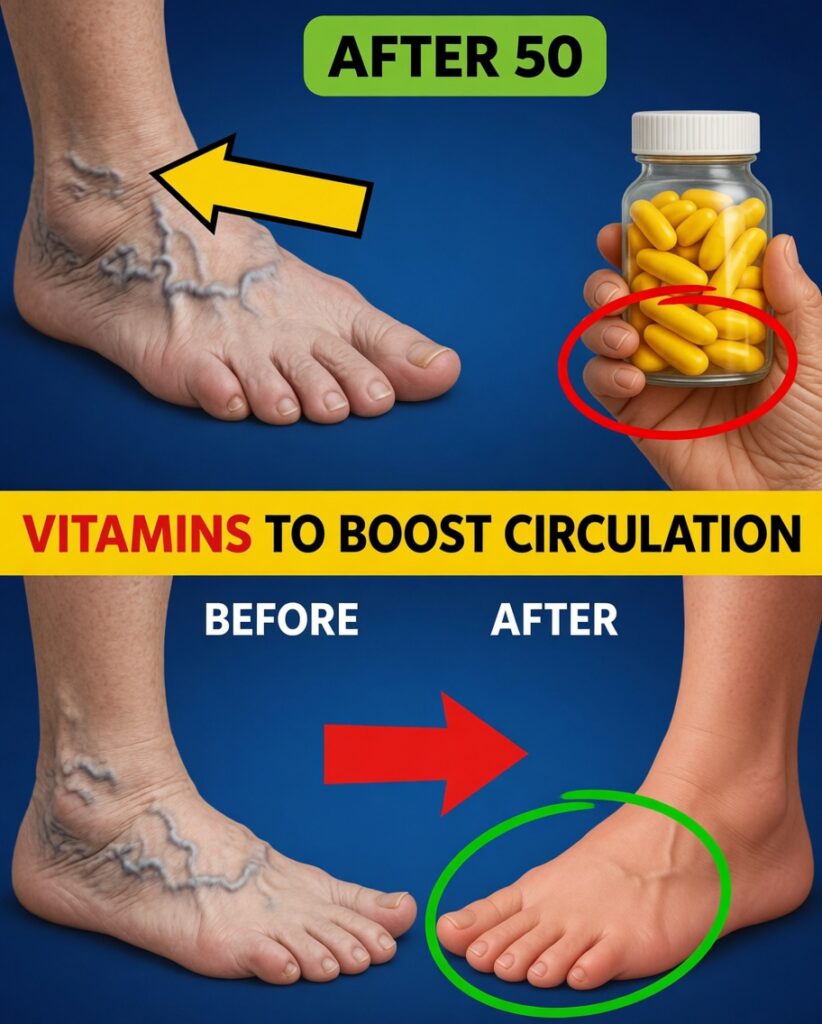
When a Simple Walk Feels Heavy: Blood Circulation in Legs and Feet After 50
You head out for a calm evening walk, expecting it to feel refreshing. Instead, your legs feel weighted down, your feet start tingling, and fatigue shows up far too quickly. For many adults over 50, poor blood circulation in the legs and feet can turn everyday movement into a struggle—often paired with cold toes, swelling, or restless sleep.
The encouraging news is that research repeatedly points to one nutrient with meaningful potential: vitamin D. Below, you’ll learn how vitamin D may support healthier circulation in the lower body—and how to increase it safely.
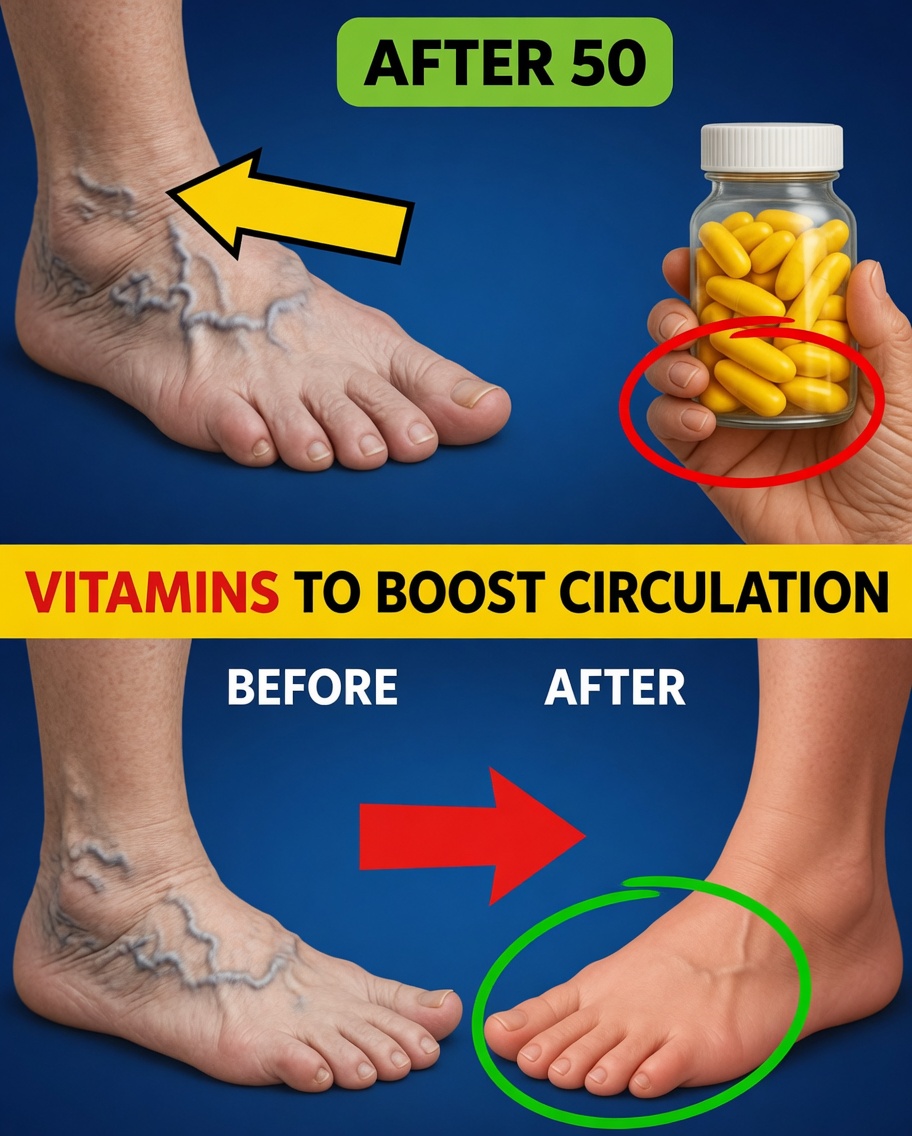
Why Sluggish Circulation Becomes More Common After Age 50
That familiar heavy, achy, “tired legs” sensation can be a sign that blood flow isn’t as efficient as it used to be. As we age, vascular function may decline, and many people begin noticing:
- Cold feet more often than before
- Mild swelling around ankles and lower legs
- Leg tiredness that lingers even after rest
One contributing factor may be vitamin D deficiency. Multiple studies associate low vitamin D levels with weaker vascular function, which can affect how well blood moves through the legs and feet. Supporting vitamin D status may be one practical step toward improving comfort and mobility.

8 Ways Vitamin D May Support Blood Circulation in Legs and Feet After Age 50
8) Helps Blood Vessels Stay More Flexible
When blood vessels become less flexible, circulation through the legs and feet can feel sluggish—often showing up as heaviness or early fatigue. Vitamin D may support endothelial function (the health of the vessel lining), which is important for maintaining healthy vessel responsiveness.

7) May Calm Low-Grade Vascular Inflammation
Persistent, low-level inflammation can irritate vessels and reduce smooth blood flow. Vitamin D is widely studied for its anti-inflammatory effects, which may help reduce vascular stress and support a more comfortable, less “puffy” feeling in the legs.
6) Supports Calcium Balance for Healthier Arteries
Vitamin D plays a key role in how the body manages calcium. Better regulation may help reduce the risk of calcium-related vessel stiffness, which can interfere with healthy circulation. As vitamin D status improves, some people report warmer feet and fewer “pins-and-needles” sensations.

5) May Reduce Nighttime Leg Cramps
Leg cramps that interrupt sleep are often linked to circulation and muscle function. Vitamin D contributes to muscle performance and nerve signaling, and research suggests adequate levels may help lower the frequency of cramps—supporting more restful nights.
4) Encourages Healthier Vein Function
Swollen ankles, visible veins, or that “end-of-day heaviness” may point to vein strain. Vitamin D may support vein elasticity and normal vein function, which can assist blood return from the lower legs and reduce discomfort after long periods of sitting or standing.

3) Supports Oxygen Delivery to Working Muscles
When leg muscles don’t receive enough oxygen-rich blood, you tire faster. Vitamin D may help optimize muscle efficiency and oxygen use, which can translate into better stamina—like walking farther before your legs feel drained.
2) Offers Antioxidant-Like Protection for Vessels
Oxidative stress can gradually damage blood vessels and contribute to circulation issues over time. Vitamin D is associated with protective effects that may help defend delicate vessel walls, supporting long-term lower-body comfort and mobility.
1) Provides Broad, Whole-System Circulatory Support
Vitamin D’s value often comes from its combined influence—supporting vessel flexibility, moderating inflammation, assisting muscle performance, and promoting healthier oxygen delivery. Small clinical observations and real-world reports commonly describe warmer extremities and lighter-feeling steps after optimizing vitamin D status.

Vitamin D vs. Other Popular Circulation Supports
-
Vitamin D
- Main benefit: Supports vessel flexibility and inflammation balance
- Ease of use: Daily supplement, food, and/or sunlight
- Natural source: Yes
-
Compression socks
- Main benefit: Mechanical support for vein blood return
- Ease of use: Must be worn consistently throughout the day
- Natural source: Yes (non-supplement option)
-
Ginkgo biloba
- Main benefit: Mild circulation support in some people
- Ease of use: Supplement
- Natural source: Yes
-
Low-dose aspirin
- Main benefit: Reduces clotting risk for specific medical indications
- Ease of use: Daily tablet
- Natural source: No (medication)
Compared with single-purpose options, vitamin D stands out for its broad, whole-body approach to supporting blood circulation in legs and feet after age 50.
Practical Ways to Increase Vitamin D for Better Leg Circulation
Improving vitamin D status doesn’t need to be complicated. Consider these evidence-aligned strategies:
-
Smart sun exposure
- Aim for about 10–15 minutes of midday sunlight on arms and legs several times per week, while avoiding sunburn.
-
Eat more vitamin D-rich foods
- Add options like salmon, fortified milk, eggs, and mushrooms to regular meals.
-
Consider supplementation (with medical guidance)
- Many adults over 50 use 1,000–2,000 IU daily, but the best dose depends on your health status, medications, and lab values—ask your clinician first.
-
Pair vitamin D with healthy fats
- Vitamin D is fat-soluble, so it may absorb better when eaten with foods like avocado, olive oil, or nuts.
-
Reassess after 4–6 weeks
- Track changes in how your legs and feet feel—many people notice less heaviness and warmer toes after consistent improvement in vitamin D levels.
For additional support, combine these steps with gentle daily walking, which naturally encourages lower-body circulation.
Final Thoughts: Get Back to Lighter, More Comfortable Steps
Poor blood circulation in the legs and feet after age 50 can shrink your enjoyment of daily life, but it doesn’t have to define it. Vitamin D offers a simple, research-supported way to potentially improve vascular function, reduce discomfort, and make movement feel easier again.
Start small—add a bit of sunlight, adjust your meals, or discuss a high-quality supplement with your healthcare provider—and give your legs the support they’ve been missing.
Frequently Asked Questions
Is vitamin D safe for everyone over 50 who wants better leg circulation?
Vitamin D is well tolerated for many adults, but you should speak with your clinician first—especially if you have kidney concerns, high calcium levels, or take medications that affect vitamin D or calcium metabolism.
How soon might I notice improved circulation in my legs and feet?
Many people report changes such as warmer feet and less heaviness within 4–8 weeks, particularly after reaching adequate vitamin D levels consistently.
Can I get enough vitamin D from food alone?
Food helps, but many adults over 50 still need sun exposure and/or supplementation to maintain levels that support overall vascular and muscle health.
Medical disclaimer: This article is for informational purposes only and does not replace professional medical advice. Always consult your healthcare provider before starting supplements or changing your health routine.