A faint ache in your lower back during an evening stroll can seem like ordinary tiredness. But for millions living with chronic kidney disease (CKD), that “small” discomfort may reflect kidneys under pressure as they work overtime to filter waste and regulate fluid levels. When early warnings are brushed aside, the road can lead to fatigue, swelling, and, in severe cases, dialysis—taking a real toll on daily energy and quality of life. The good news is encouraging: the National Kidney Foundation reports that straightforward lifestyle choices can meaningfully support kidney function and help slow CKD progression. Ahead are 10 practical, research-informed habits—inspired by changes that helped one man turn his health around—that can help you protect your kidneys, too.
Understanding the Quiet Risk to Kidney Health
Your kidneys are the body’s behind-the-scenes filtration system. They remove toxins, balance fluids and electrolytes, and help regulate blood pressure. Over time, high blood pressure and diabetes can silently damage the kidneys’ tiny blood vessels and filtering units, gradually reducing how well they work. Many people feel completely normal until kidney damage has advanced—when symptoms like exhaustion, swelling, or changes in urination become harder to ignore.
There’s a hopeful takeaway: protective habits started early (or improved now) can help preserve kidney function for longer and reduce complications.
Tom’s Turning Point: Small Daily Changes, Real Results
Tom, a 58-year-old mechanic, assumed his constant tiredness and swollen ankles were “just getting older.” A checkup revealed stage 3 chronic kidney disease, tied to years of poorly controlled diabetes. The possibility of dialysis scared him into action—so he committed to consistent, manageable lifestyle shifts.
Within a few months, Tom’s energy improved and his lab values moved in a better direction. This aligns with evidence from the National Institute of Diabetes and Digestive and Kidney Diseases (NIDDK): for many people, lifestyle changes can slow CKD progression by roughly 30–50% when paired with appropriate medical care. Tom’s story is not a miracle—it’s a reminder that kidney protection often begins with everyday decisions.

10 Practical Habits to Help Protect Your Kidneys
These steps are designed to support kidney health naturally and sustainably. You don’t have to do everything at once—start with one or two and build momentum.
10) Prioritize Daily Hydration
When you’re dehydrated, the kidneys receive less blood flow and must work harder to do the same job. Mild thirst can be easy to ignore, but chronic low fluid intake can add ongoing strain.
- Aim for about 64 ounces (around 2 liters) of water per day for many adults
- Adjust upward if you’re active or in hot climates
- A simple guide: urine that is pale yellow often signals adequate hydration
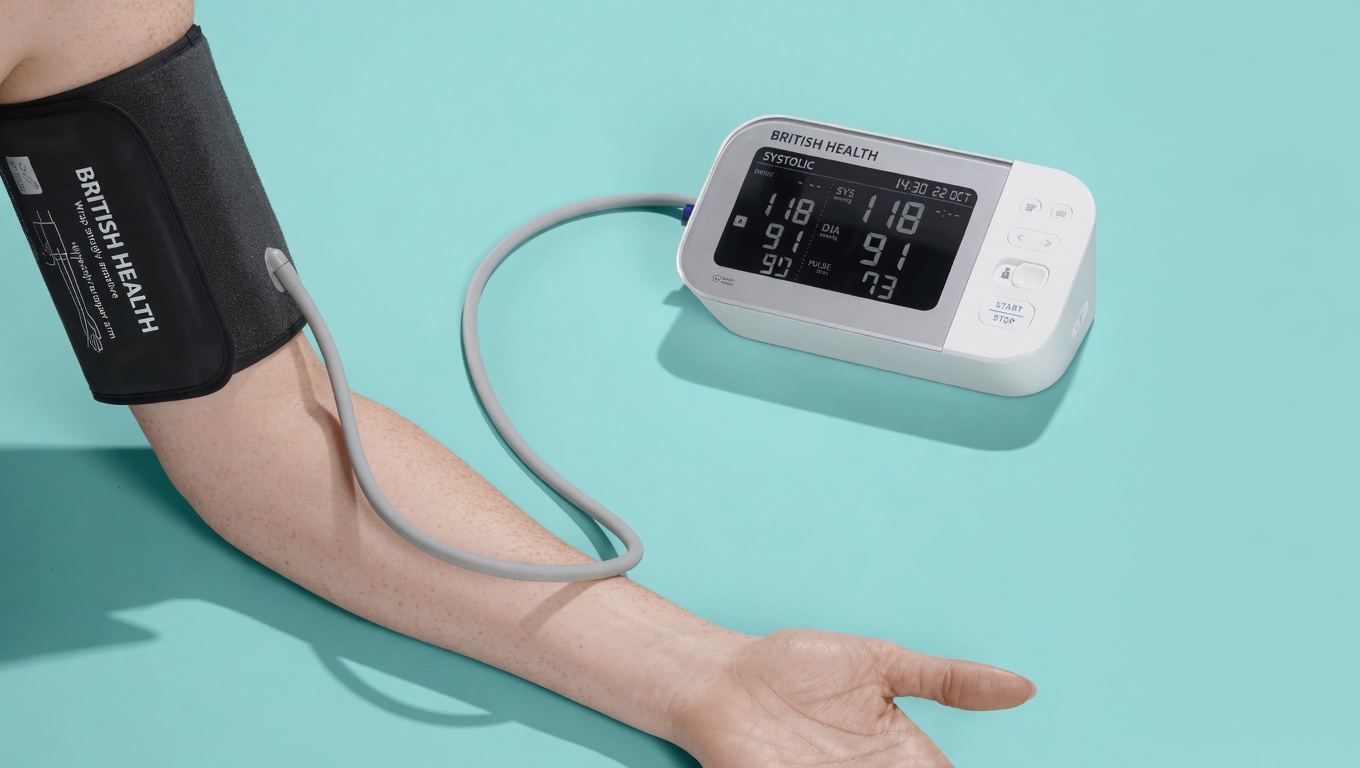
9) Monitor Blood Pressure Consistently
High blood pressure can quietly injure kidney blood vessels, similar to how constant pressure wears down plumbing. Home monitoring helps you spot patterns early.
- Work with your clinician on a target (many aim for under 120/80, depending on individual risk)
- Ask your provider about medications commonly used for kidney protection, such as ACE inhibitors or related options when appropriate
- Record readings to share at appointments

8) Choose Kidney-Friendly Foods More Often
Highly processed foods often contain excessive sodium, which can worsen fluid retention and blood pressure—both of which increase kidney workload. A shift toward whole foods can reduce that burden.
- Limit sodium to under 2,300 mg per day (or less if advised)
- Build meals around:
- fruits and vegetables
- berries
- whole grains
- minimally processed proteins
- Use herbs, lemon, garlic, and spices to replace salty flavor boosters
This approach is widely supported by guidance from organizations like the National Kidney Foundation.
7) Keep Blood Sugar Stable
For people with diabetes, high blood sugar can gradually damage the kidneys’ filters and lead to lasting harm if not controlled.
- Monitor glucose as advised and focus on steadier numbers (often fasting 80–130 mg/dL, depending on your plan)
- Balance carbohydrates with protein and fiber
- Choose fruit or yogurt over sugary snacks to reduce spikes
6) Move Your Body Most Days
A sedentary routine can reduce circulation and make it harder for the body to manage blood pressure and metabolic health—both connected to kidney strain.
- Aim for 30 minutes of moderate activity most days
- Good options include brisk walking, swimming, cycling, and yoga
- If you’re starting from zero, begin with 10 minutes and increase gradually
5) Maintain a Healthier Weight (Step by Step)
Excess weight can increase kidney stress indirectly by fueling high blood pressure and diabetes risk. Even modest weight loss can improve key markers.
- Focus on portion awareness and consistent routines
- Track progress weekly (not obsessively daily)
- Choose sustainable changes you can keep long-term
4) Avoid Smoking
Smoking narrows blood vessels and reduces oxygen delivery throughout the body—including to the kidneys—speeding up damage over time.
- Quitting can deliver benefits quickly
- Consider evidence-based support: nicotine replacement, coaching, apps, or support groups
- Ask your clinician for a cessation plan that fits you
3) Drink Alcohol in Moderation
Heavy alcohol use can contribute to dehydration and elevated blood pressure, both of which strain the kidneys.
- Keep intake moderate (often defined as up to 1 drink per day, depending on health status and medical guidance)
- Alternate alcoholic drinks with water to stay balanced
2) Use Pain Relievers Carefully
Frequent or long-term use of NSAIDs (such as ibuprofen and similar medications) can harm kidney function in some people, especially at higher doses or with existing kidney risk.
- Use NSAIDs only as directed and avoid routine use unless your clinician approves
- Ask about safer alternatives (often acetaminophen may be considered, but still requires caution)
- Always read labels to prevent accidental double-dosing
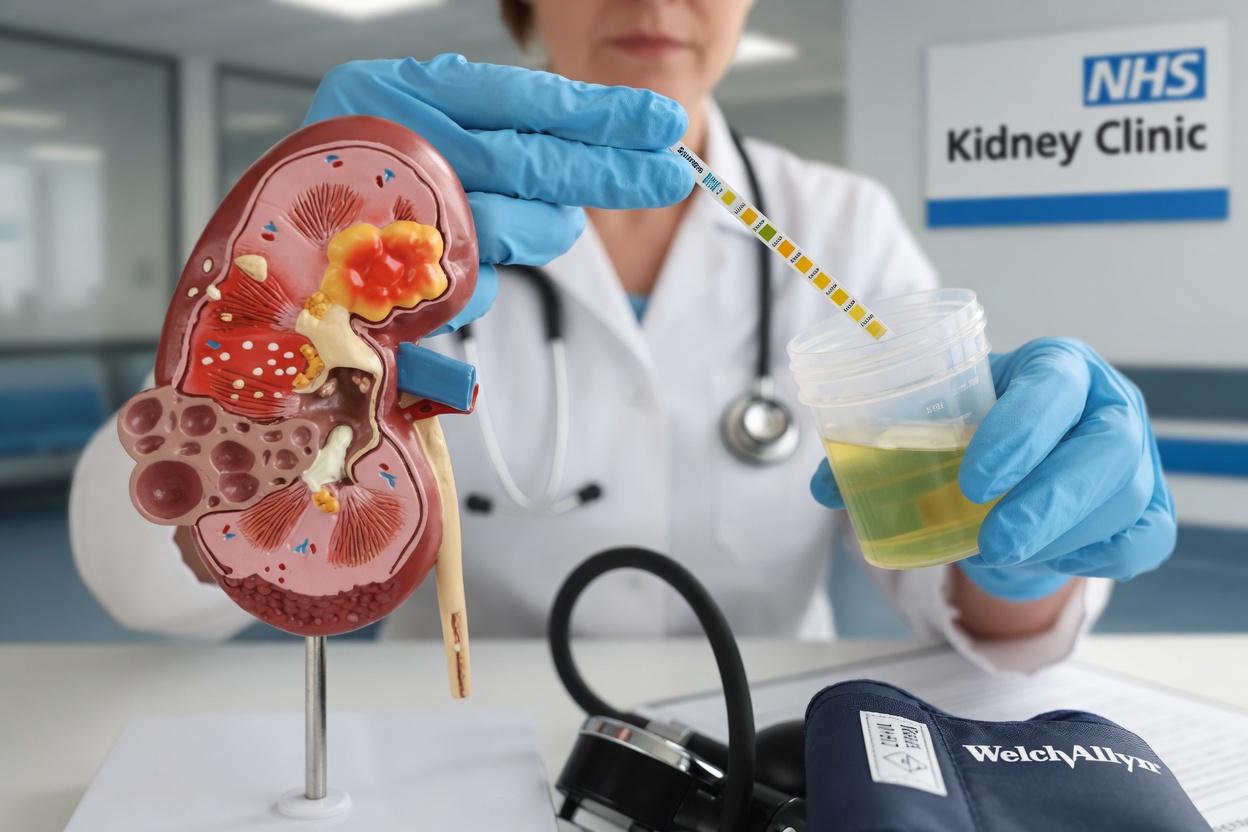
1) Get Regular Kidney Checkups
Kidney problems often progress quietly, so testing matters even when you feel fine.
- Ask for routine blood and urine tests, such as:
- eGFR (estimated glomerular filtration rate)
- urine albumin/protein screening
- Consider annual screening if you have risk factors like diabetes, hypertension, or family history
- Early detection gives you more options and time

Your Step-by-Step Kidney Health Action Plan
Build these habits gradually—many people notice meaningful changes within a few months.
- Week 1–2: Add consistent hydration + begin blood pressure tracking
- Week 3–4: Reduce sodium and swap in more whole foods
- Month 2: Add regular movement and tighten blood sugar routines (if diabetic)
- Month 3: Review medications and schedule labs/annual screening
- Ongoing: Maintain weight goals, avoid smoking, keep alcohol moderate
Gentle Reminders to Make Changes Safely
- If you have been told to restrict fluids, follow your clinician’s guidance on hydration.
- In later-stage CKD, some people must monitor potassium and phosphorus closely—diet changes should be personalized.
- Start exercise slowly and stop if you experience warning signs such as chest pain, severe dizziness, or unusual shortness of breath.
- Always coordinate medication changes (including over-the-counter drugs) with a healthcare professional.
Taking Control of Your Kidney Health Today
From drinking enough water to getting routine lab checks, these 10 evidence-based habits offer realistic ways to support and protect your kidneys. Tom’s progress shows what consistent effort can do: small, repeatable steps can add up to real improvements in energy, lab markers, and peace of mind. Pair these habits with good stress management and ongoing medical guidance for the best long-term results.
Frequently Asked Questions
What are early signs that may suggest kidney trouble?
Common early clues include persistent fatigue, ankle swelling, changes in urination, and occasional lower back discomfort. If you notice these, speak with a healthcare professional.
How much water is typically recommended for kidney support?
Many adults do well with about 64 ounces (2 liters) daily, adjusted for activity level, climate, and medical conditions.
Can these habits help if I already have chronic kidney disease?
Yes. For many people, lifestyle changes can slow progression when combined with proper medical treatment. Your healthcare provider can tailor recommendations to your stage and risk factors.
Medical disclaimer: This article is for informational purposes only and does not replace professional medical advice. Always consult a qualified healthcare provider for personalized guidance about kidney health or any medical condition.