When Your Eyes Feel Fine at Dawn but Burn by Noon
If your eyes start the day feeling normal but become heavy, gritty, and sore by midday from constant screen use and daily tasks, you are facing a very common type of eye strain—especially after 40. This slow build-up of fatigue leaves you squinting, rubbing your eyes, and feeling mentally drained, affecting your productivity, mood, and ability to unwind at night.
Among the many traditional remedies people explore is a modest garden weed called Euphorbia hirta. In several folk practices, it has been used to support eye comfort after long hours exposed to sun, dust, and visual work. However, there is one crucial safety point that most viral videos ignore: safe use of Euphorbia hirta means gentle, external methods only—never putting sap, juice, or plant material directly into or onto your eyes.
This guide walks you through what Euphorbia hirta is, how it has been used traditionally, what modern research suggests, and—most importantly—how to explore it safely if your eyes feel tired and strained.
The Slow Build-Up of Screen-Related Eye Strain After 40
As we move past 40, our eyes often become less resilient. Long hours focusing up close on phones, laptops, and tablets, combined with reduced blinking and harsh glare, make tired eyes an almost daily struggle for many people. By late afternoon, the result is that familiar combination of:
- Heavy eyelids
- Burning or gritty sensation
- Difficulty concentrating
- Lower overall energy
This is the context in which stories about Euphorbia hirta appear: a common roadside plant traditionally used to bring a sense of relief to overworked, strained eyes. Glasses, artificial tears, and blue-light filters all have their place, but they do not replace the need for intentional rest and relaxation rituals—the kind traditional Euphorbia hirta practices were designed to encourage.
With Euphorbia hirta, how you use it matters far more than the hype.
What Is Euphorbia Hirta and Why Is It Linked to Eye Comfort?
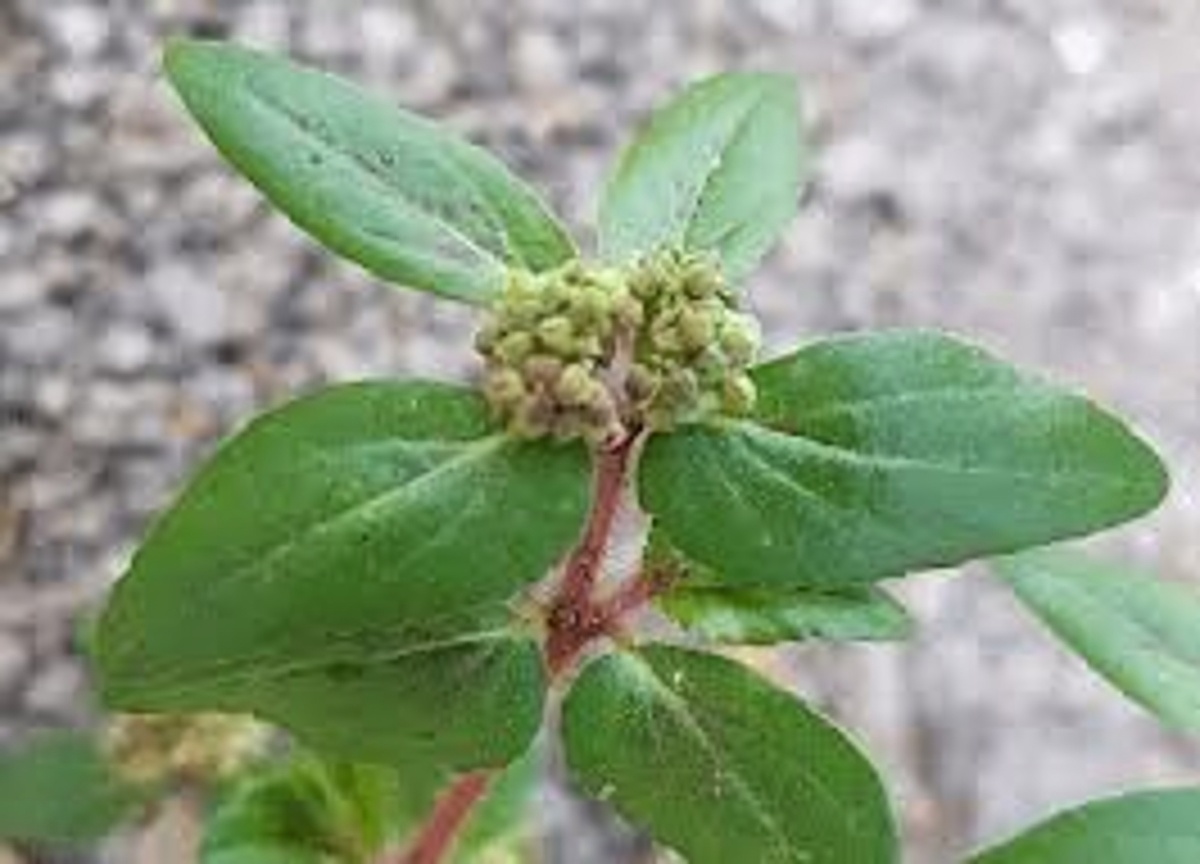
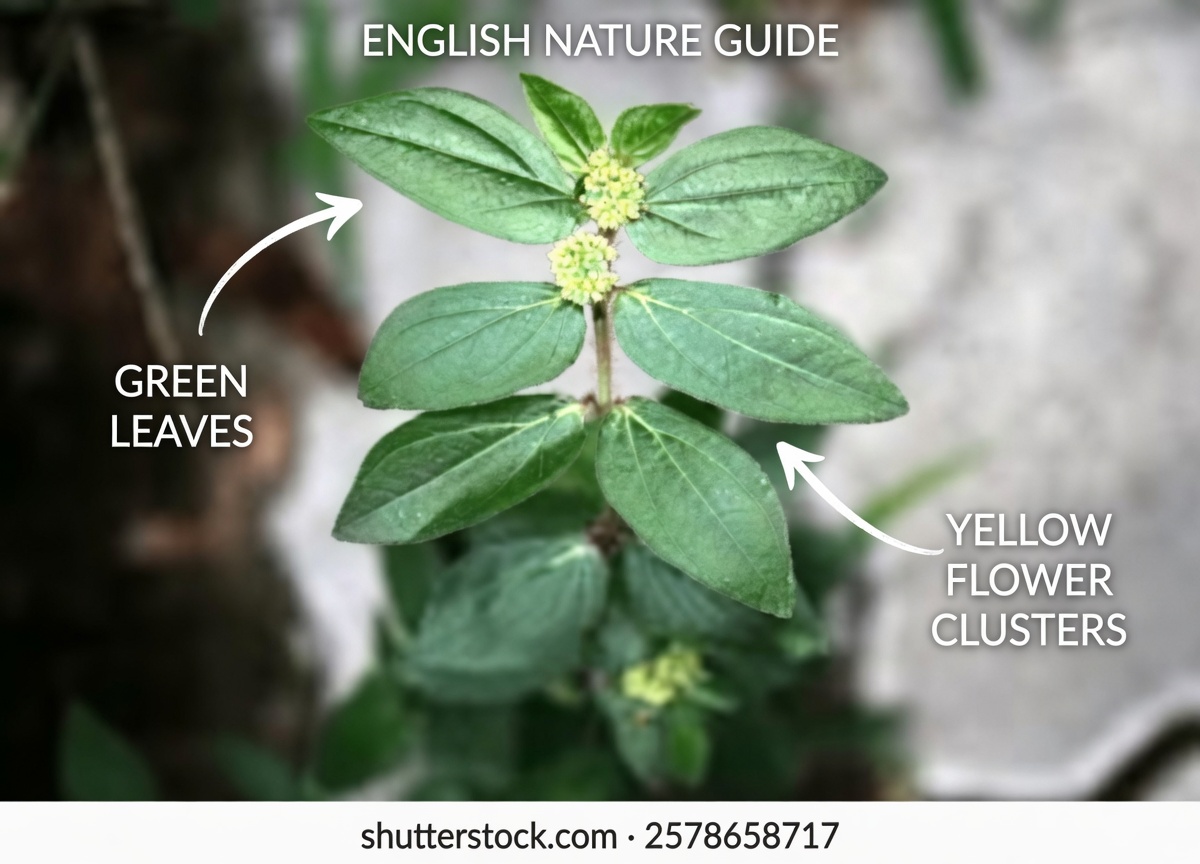
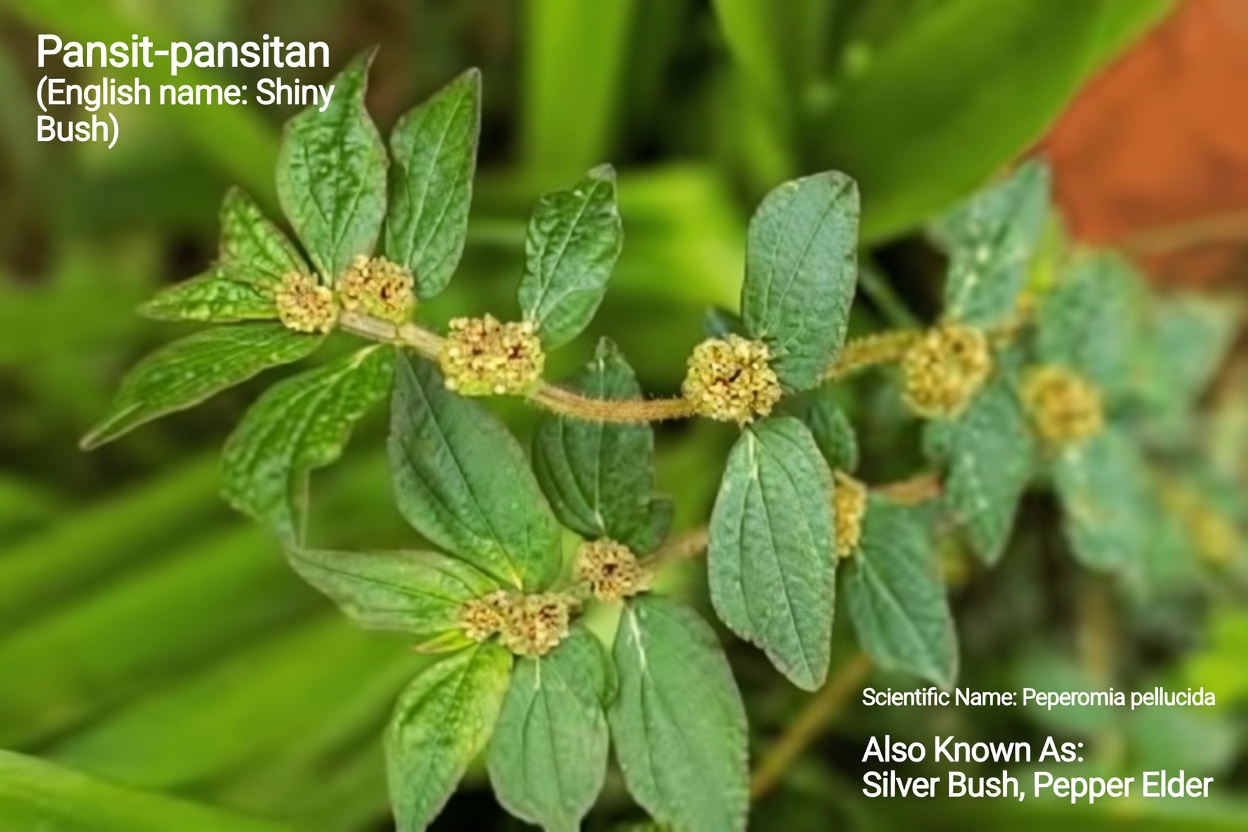
Euphorbia hirta is a small, fast-growing plant that thrives in warm regions, often popping up along sidewalks, open fields, and garden edges. People usually ignore it—until they start searching for natural support for tired or strained eyes and discover it in traditional herbal references.
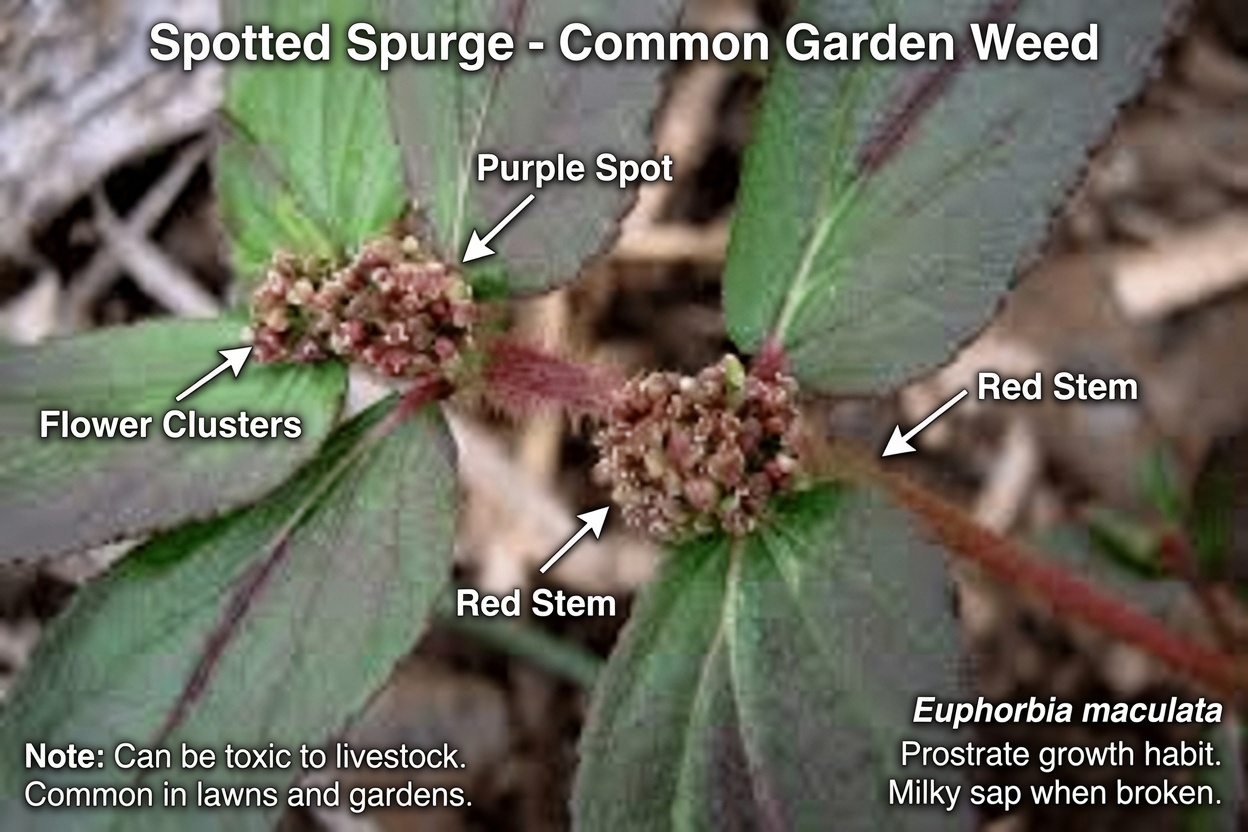
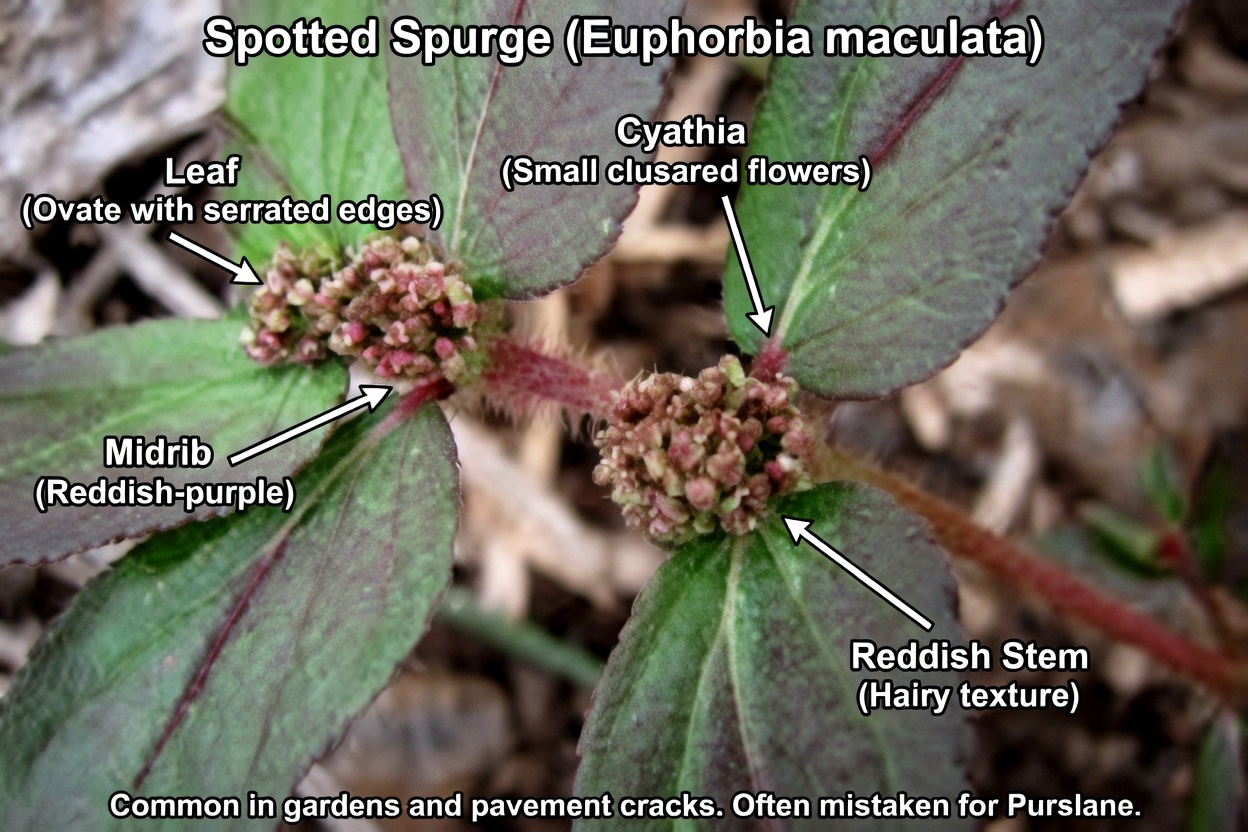
Typical features of Euphorbia hirta include:
- Oval, slightly hairy leaves
- Reddish or purplish veins
- Small clustered flowers
- A characteristic milky white latex (sap) when the plant is broken
That milky sap is why Euphorbia hirta is sometimes grouped with “milkweed-style” plants in casual conversation. It is also exactly why caution is essential when considering it for any kind of eye comfort.
Traditional use of this unassuming weed for soothing eye fatigue does not mean the plant is harmless in every form. Its appearance is modest, but its latex can be irritating, especially to delicate tissues like the surface of the eyes.
The safe mindset with Euphorbia hirta is simple:
Use it for gentle, external relaxation—not for direct experiments on your eyeballs.
Why Traditional Healers Turned to Euphorbia Hirta for Eye Fatigue
In various traditional medical systems, Euphorbia hirta was valued as a cooling, calming herb for people whose eyes felt overworked after:
- Strong sunlight
- Dusty or windy environments
- Long periods of close-up work
Healers did not treat it as a magical cure for vision problems. Instead, it formed part of a broader approach focused on rest, cooling, and general relaxation for tired eyes and the surrounding area.
These older practices align with what we now know: everyday eye discomfort often stems from dryness, irritation, and mild inflammation. Euphorbia hirta was seen as one plant that could help support comfort in this broader context—when used carefully and externally.
Modern Research on Euphorbia Hirta (Without Overpromising)
Scientific research on Euphorbia hirta is still developing, and there are no large, high-quality human trials proving that it directly improves vision or “fixes” tired eyes. Any dramatic claims about restoring eyesight with this plant go well beyond current evidence.
However, laboratory studies have found that Euphorbia hirta contains compounds such as:
- Flavonoids
- Tannins
- Other bioactive constituents with antioxidant and anti-inflammatory potential
These properties may help explain why communities historically felt it contributed to general comfort and soothing effects, particularly when the body was under stress.
The most honest conclusion is this:
Euphorbia hirta may have supportive properties but should be part of a safe, holistic eye-care routine—not a standalone cure or substitute for medical treatment.
The Dangerous Viral Mistake: Putting Euphorbia Hirta Sap Near the Eyes
Many short-form videos and online clips promote Euphorbia hirta in risky ways, such as:
- Squeezing the fresh sap close to the eye
- Applying raw juice or paste to the eyelids or lash line
- Suggesting instant results from direct contact
This is not how traditional use was intended—and it can be very harmful. The milky latex of Euphorbia hirta can be strongly irritating, especially to the sensitive eye surface that is already strained, dry, or inflamed.
Traditional wisdom emphasized:
- External, indirect use only
- Keeping plant material and sap away from the actual eye
- Combining the herb with rest and relaxation practices
To protect your eyes:
- Do not apply Euphorbia hirta sap, juice, or paste in or immediately around the eyes.
- Do not experiment with untested “eye drop” recipes.
- Do seek medical attention if any plant material accidentally gets into your eye and causes burning, redness, or blurred vision.
Proper plant identification, cleanliness, and caution are non-negotiable if you choose to explore Euphorbia hirta as part of an eye comfort routine.
7 Ways Euphorbia Hirta Rituals May Ease Eye Strain (When Used Safely)
Below is a countdown of seven potential benefits people seek from safe, external Euphorbia hirta practices—always treating them as supportive rituals, not medical treatments.
Benefit #7: A Built-In Break From the Screen
Creating a Euphorbia hirta ritual naturally forces you to step away from your devices, close your eyes, and interrupt the cycle of nonstop visual focus. This pause helps you notice which habits—like scrolling late at night or working without breaks—make your tired eyes worse.
That awareness can be the starting point for long-term change.
Benefit #6: Gentle Warmth to Release Tension Around the Eyes
A carefully prepared warm leaf compress (used only on closed eyes and without visible sap) can help relax tight muscles around the brow and eyes. This warmth:
- Encourages better circulation around the eye area
- Reduces the sensation of tightness and strain
- Works especially well when paired with slow, deep breathing
For many people, this combination feels like a reset for tense, screen-fatigued eyes.
Benefit #5: A Calming Evening Ritual for Deeper Rest
Using a Euphorbia hirta-inspired compress routine before bed signals your body and mind that it is time to slow down and prepare for sleep. Better sleep quality supports:
- Natural eye lubrication
- Overnight repair processes
- Reduced eye strain the following day
Many individuals find that when they stick with a relaxing, consistent ritual, their eyes feel less beaten up by the end of the week.
Benefit #4: Less Rubbing, Less Irritation
When eyes feel dry and tired, rubbing them becomes an automatic habit—often making redness, irritation, and strain much worse. A soothing Euphorbia hirta ritual gives your hands something else to do:
- Instead of rubbing, you apply a gentle compress or rest with a warm cloth.
- This reduces additional mechanical irritation of the eye surface.
Over time, this swap can meaningfully reduce the “irritation spiral” of rub → more redness → more rubbing.
Benefit #3: Supporting Overall Relaxation and Well-Being
Light, occasional use of a mild Euphorbia hirta herbal infusion (tea) may contribute to a more relaxed internal state, which indirectly supports tired eyes. When the body is calmer, muscles unclench, and stress-related eye strain often eases somewhat.
Key points:
- Use only properly identified Euphorbia hirta from safe sources.
- Keep the infusion mild and treat it as part of normal hydration—not a drug.
- If you have health conditions or take medications, discuss it with a healthcare professional first.
Benefit #2: A Simple Framework for Tracking Your Eye Comfort
Regular Euphorbia hirta routines create a natural schedule for observing your symptoms. You can start noting:
- How dry or heavy your eyes feel at the end of each day
- How many hours you spend on screens
- How well you slept
- Whether the ritual seems to help over time
This turns vague impressions into personal data, helping you adjust your schedule, screen habits, and self-care in a more informed way.
Benefit #1: Building Confidence by Being Consistent
Perhaps the most underrated benefit is psychological. When you commit to safe, regular eye-comfort practices—including Euphorbia hirta rituals—you stop feeling completely at the mercy of your screen and environment.
Over time, this consistency:
- Strengthens your sense of control over daily eye strain
- Encourages healthier boundaries with technology
- Reinforces the idea that small daily habits really do matter
Instead of feeling helpless, you begin to feel proactive and confident in caring for your eyes.
Safe, Gentle, External-Only Uses of Euphorbia Hirta
If you decide to work with Euphorbia hirta, stay within external, non-invasive methods and keep anything irritating away from your eyes.
1. Warm Leaf Compress (For Closed Eyes Only)
- Carefully identify and thoroughly wash Euphorbia hirta leaves.
- Warm them gently by rubbing between clean palms or briefly steaming (avoid overheating).
- Ensure there is no visible milky sap on the leaves.
- Place the leaves over closed eyelids for about 10–15 minutes while you rest.
- Do not press hard, and stop immediately if you feel any irritation.
If you are not completely sure about the plant or cleanliness, skip this and use a plain warm, damp cloth instead.
2. Mild Herbal Infusion (Well Away From the Eyes)
- Use properly identified Euphorbia hirta from a trustworthy source.
- Prepare a weak tea by steeping a small amount in hot water, then straining well.
- Sip slowly as part of your hydration routine, not as a high-dose remedy.
- Discontinue at once if you notice any discomfort or unusual symptoms.
Always talk with a doctor or qualified practitioner before adding new herbs, especially if you have existing eye issues or systemic health conditions.
3. Temple and Forehead Massage (Not on the Eyelids)
- Crush clean Euphorbia hirta leaves with a neutral carrier oil (such as coconut or jojoba).
- Apply the mixture only to the temples and forehead, keeping a safe distance from lids and lashes.
- Massage gently for relaxation, then rinse off after about 15 minutes.
- Avoid contact with the eyes, and wash your hands thoroughly afterward.
If there is any doubt about plant identity or skin sensitivity, it is safer to use non-herbal oils or standard massage techniques.
Overview of Safer Euphorbia Hirta Approaches
| Approach | What It Targets in Tired Eyes | What to Strictly Avoid |
|---|---|---|
| Warm Compress | Sensation of tension and dryness around eyes | Direct sap contact, excessive heat on eyelids |
| Temple/Forehead Massage | Heavy, tight feeling in forehead and brow | Applying oil or plant near the lash line or eyeball |
| Mild Herbal Tea | General body relaxation and hydration support | Large doses, unverified sources, or self-medicating |
Key Safety Rules for Using Euphorbia Hirta Around Eye Care
| Safety Rule | Why It Matters | Safer Alternative for Tired Eyes |
|---|---|---|
| Never apply sap or juice to the eye | Euphorbia latex can strongly irritate delicate tissue | Use sterile, approved artificial tears instead |
| Only use clean, correctly identified plants | Dirt, microbes, or the wrong plant can worsen irritation | Use pharmacy-grade eye compresses or plain cloths |
| Stop at the first sign of irritation | Early action prevents minor issues from escalating | Rinse with clean water and seek professional care |
If you experience sudden pain, vision changes, or intense redness, consult an eye care professional immediately.
Daily Habits That Make Euphorbia Hirta Rituals More Effective
Any Euphorbia hirta practice works best when combined with simple, science-backed habits that reduce eye strain in everyday life. Consider pairing your rituals with:
-
Regular Screen Breaks
Follow the 20-20-20 guideline: every 20 minutes, look at something about 20 feet away for at least 20 seconds. This helps your focusing muscles relax. -
Conscious Blinking
When concentrating on screens, blinking slows down, which can dry out the eyes. Remind yourself to blink fully and regularly, especially during intense work. -
Balanced Lighting
Avoid strong glare or high contrast between your screen and the surrounding room. Use soft, indirect lighting and reduce screen brightness in dark environments. -
Healthy Screen Distance and Posture
Keep devices about an arm’s length away and slightly below eye level. Good posture and ergonomics reduce strain on the neck, shoulders, and eye muscles. -
Hydration and Environment
Drink enough water and, if your air is very dry, consider a humidifier. Well-hydrated tissues and moist air can ease dryness-related eye discomfort. -
Scheduled “No-Screen” Windows
Build short, device-free periods into your day—especially before sleep. This gives your visual system a much-needed rest and supports better overnight recovery. -
Routine Eye Check-Ups
Regular visits with an optometrist or ophthalmologist help identify underlying issues such as uncorrected prescription needs, dry eye disease, or other conditions that may be amplifying your symptoms.
Used thoughtfully, Euphorbia hirta can be part of a gentle, supportive routine for tired eyes—as long as safety comes first. By focusing on external-only methods, combining them with smart daily habits, and staying honest about what the plant can and cannot do, you can explore its traditional role while protecting your vision and overall eye health.