
Many people experience occasional skin irritation from sun exposure or everyday stress, and they may also deal with digestive discomfort after eating—such as bloating or irregular bowel movements. These issues can affect comfort, energy, and confidence, pushing some to rely on creams, antacids, or constant diet changes that don’t always solve the problem. A natural alternative often worth considering is aloe vera, a traditional succulent that’s widely used for skin soothing and digestive support.
What sets aloe vera apart is the combination of long-standing traditional use and growing scientific interest. Below, you’ll find research-informed insights on where aloe may help most—and one often-missed factor that can influence results: choosing the right form of aloe for your goal.

What Makes Aloe Vera Unique?
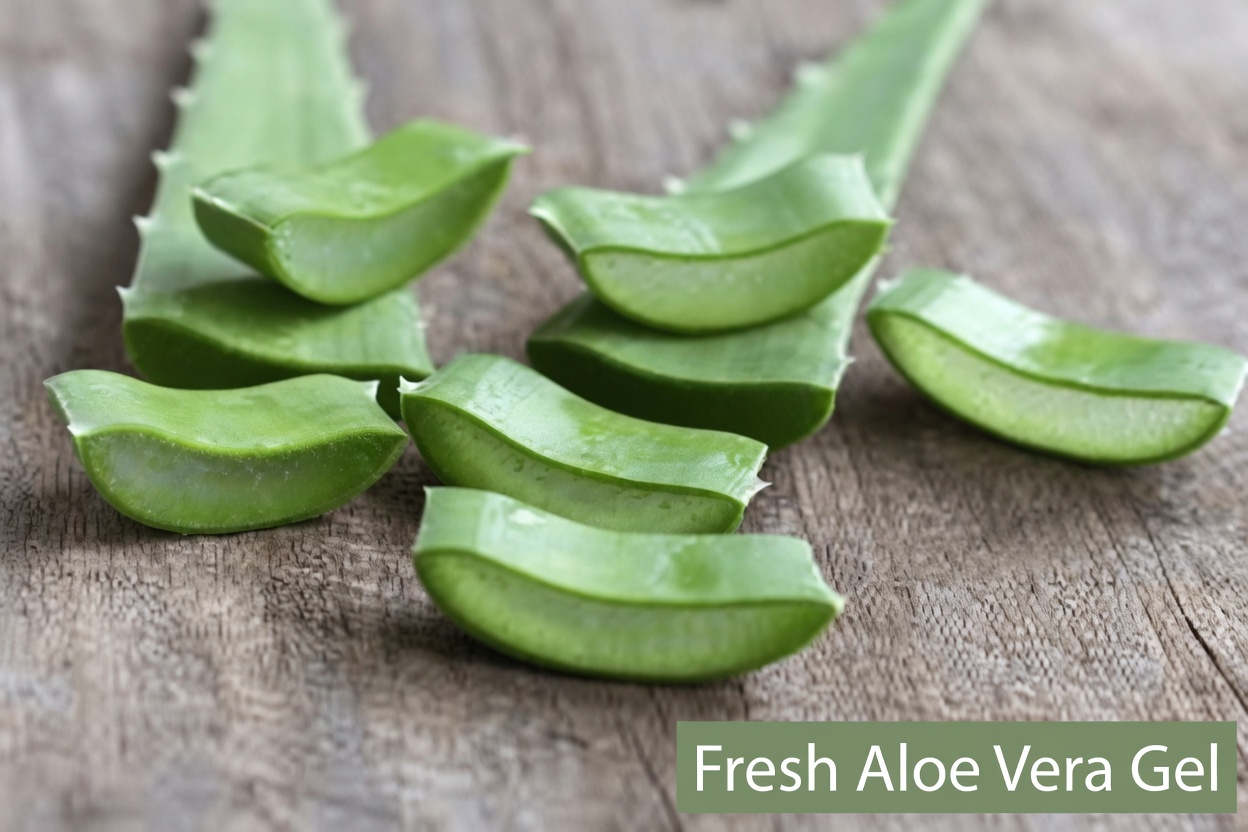
Aloe vera gel comes from the inner part of the leaf. It contains a mix of bioactive compounds, including:
- Vitamins (notably C and E)
- Minerals
- Enzymes
- Polysaccharides
- Antioxidants
Reviews of aloe’s bioactive profile link these compounds to its hydrating, calming, and anti-inflammatory effects. For skin, this can translate to better moisture retention and a gentler way to support the body’s natural response to irritation. For digestion, certain polysaccharides may help provide a soothing, protective effect along the gut lining.
That’s the baseline—now let’s look at the specific benefits most discussed in studies.
Research-Supported Benefits for Skin Comfort
1. Sunburn Soothing and Faster Recovery
Sunburn commonly causes redness, tightness, and discomfort. Aloe vera gel is frequently used topically for its cooling feel and its ability to lock in moisture. A meta-analysis focused on burn-related wound healing reported that aloe applications were linked with shorter healing time in some cases compared with standard care—potentially speeding recovery by several days, likely due to improved moisture balance and reduced inflammation.
A practical approach many people use is applying pure aloe gel directly to clean skin for quick, calming relief.
2. Support for Acne, Breakouts, and Redness
Adult acne and occasional flare-ups are often tied to inflammation and bacteria. Research suggests aloe may offer antibacterial and anti-inflammatory support when applied topically, which can help reduce visible redness. Some studies also report better results when aloe is used alongside standard acne care, offering a more comfortable option compared with harsher, drying products.
A key detail: fresh or minimally processed gel may preserve more active compounds than heavily processed versions.
3. Comfort Support for Psoriasis and Scalp Irritation
Mild to moderate psoriasis can involve scaling, itching, and ongoing irritation—including on the scalp. Clinical trials of aloe-based creams and extracts have shown potential for reducing symptom severity with consistent use. Proposed mechanisms include soothing effects and immune-modulating activity that may help decrease discomfort over time.
4. General Skin Barrier and Minor Wound Support
For small cuts, scrapes, or irritated skin after minor procedures, aloe’s compounds may support the skin’s natural repair process. Studies suggest potential roles in barrier support, circulation-related recovery, and collagen-associated skin maintenance.
Aloe vera vs. common alternatives (quick overview):
- Sunburn: OTC creams vs. aloe’s cooling hydration (patch testing is recommended)
- Acne: benzoyl peroxide vs. aloe’s gentler, less-drying approach (severe acne may need stronger care)
- General irritation: synthetic lotions vs. aloe’s plant-based moisture and calming profile
Digestive Wellness: What Studies Suggest
5. Occasional Heartburn Relief
Post-meal reflux or burning discomfort is common. Early research on decolorized, low-aloin aloe vera juice suggests it may help soothe the esophageal lining and support a more balanced inflammatory response in the upper digestive tract.
6. Gut Comfort for IBS-Like Symptoms
Symptoms such as cramping, bloating, and irregular bowel movements are often grouped under IBS. A systematic review and meta-analysis evaluating short-term use reported that aloe vera juice was associated with improved symptom scores versus placebo for some participants. One possible explanation is aloe’s polysaccharides, which may contribute to a soothing effect in the gut.
7. Gentle Help for Occasional Constipation (With the Right Product)
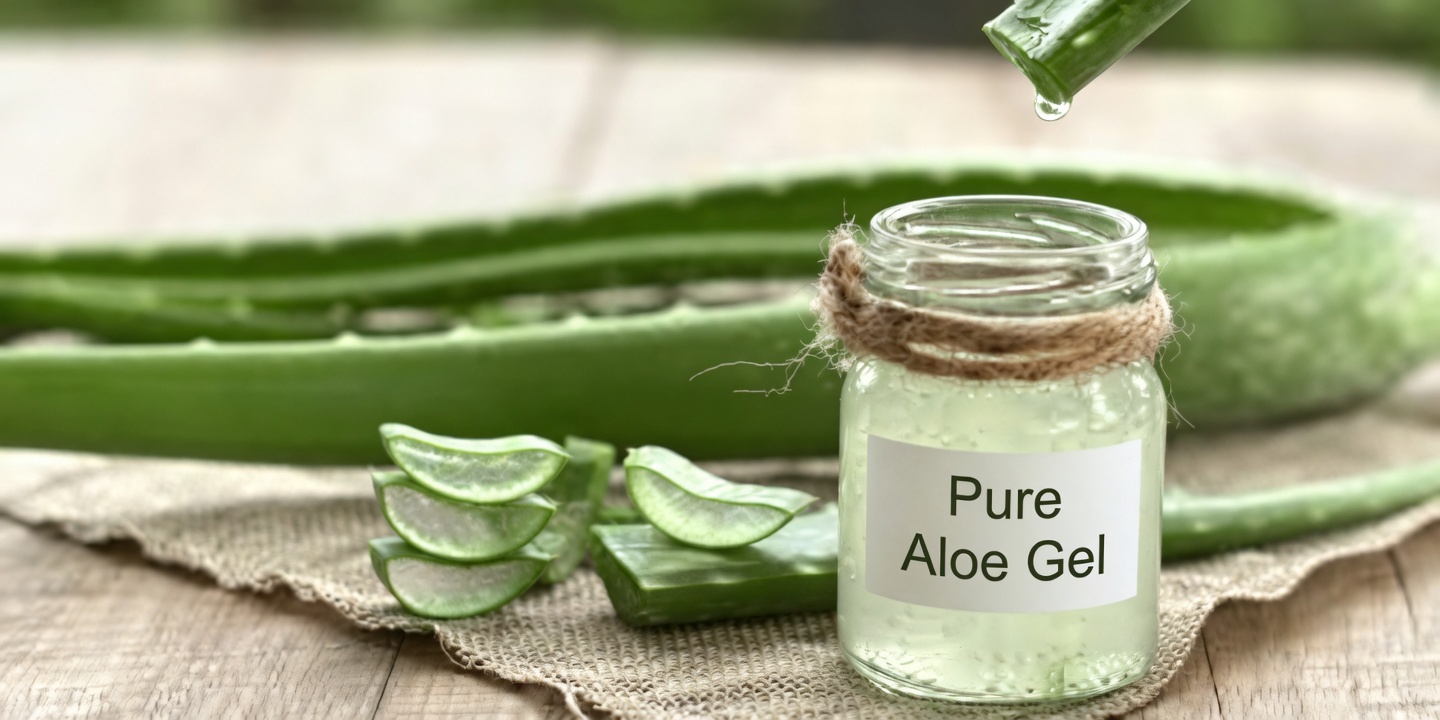
Aloe has a laxative reputation, but the stronger effect is linked to aloe latex (not the inner gel). For safer daily routines, studies and safety guidance typically emphasize using properly processed, low-aloin products. Aloe gel and well-made juice may support regularity through hydration and gentle digestive support—however, product quality is crucial.
8. Early Findings on Blood Sugar Support
Preliminary research indicates certain aloe compounds may support insulin sensitivity and help maintain healthy blood sugar levels, which may be relevant for people monitoring prediabetes. This area still needs more high-quality studies before firm conclusions can be made.
Other commonly discussed advantages include antioxidant support for general wellness, antibacterial properties, and conditioning benefits for hair and scalp care.
How to Use Aloe Vera Safely (Topical and Oral)
Topical aloe vera (skin use)
- Choose pure inner-leaf gel or products with transparent sourcing and testing
- Do a patch test on a small area before wider use
- Apply 2–3 times daily to clean skin for calming hydration
Aloe vera juice (oral use)
- Select decolorized, low-aloin products (commonly listed as under 10 ppm aloin)
- Start with 1–2 oz (30–60 ml) daily, ideally after meals
- Track your response and adjust based on tolerance
Typical timeline people report (and some studies reflect)
- Weeks 1–2: noticeable soothing and hydration support
- Weeks 3–4: possible improvements in digestive comfort and regularity
- After 1 month: more consistent support with steady use
Practical tip: Aloe tends to work best as part of a broader routine—such as a balanced diet rich in vegetables and lower in highly processed sugars.
Final Takeaway: A Simple Plant with Practical Potential
Aloe vera is widely valued for its versatility, with a long history of use and increasing research interest in skin calming and digestive ease. It isn’t a substitute for medical treatment, but its generally gentle profile makes it appealing for daily support—especially when you choose the right aloe form for your goal.
If you decide to try aloe, begin with a small amount, pick a high-quality product, and monitor changes in comfort over time.
Frequently Asked Questions
Is aloe vera safe to use every day?
Topical aloe gel is usually well tolerated. For oral use, studies suggest decolorized, low-aloin aloe juice can be safe short term, but long-term daily use should be discussed with a healthcare professional—especially if you have medical conditions or take medications.
Can aloe vera treat severe skin or digestive problems?
Evidence is strongest for mild or occasional symptoms. For persistent, severe, or worsening issues, seek personalized advice from a qualified clinician.
What is the difference between aloe gel and aloe latex?
- Aloe gel comes from the inner leaf and is typically used for soothing and hydration.
- Aloe latex is the yellow sap near the leaf rind, known for strong laxative effects and higher risk of side effects. Avoid oral products containing latex unless specifically directed by a professional.
Medical disclaimer: This article is for informational purposes only and does not replace medical advice. Consult a healthcare professional before starting any new supplement or topical routine—especially if you are pregnant, have a medical condition, or use prescription medications.