
Many people naturally cross their legs during meetings, interviews, or casual conversations—then later wonder why their lower back feels tight or achy. While this posture can seem harmless (and even comfortable in the moment), it may increase fatigue over time and sometimes send mixed body-language signals to the people around you. Understanding why we cross our legs can help you make smarter posture choices—and communicate more clearly, especially in social settings.

Why People Cross Their Legs
Leg crossing is a common default sitting position, but it often reflects subtle physical or psychological needs—such as reducing muscle strain, feeling more secure, or presenting yourself a certain way. The downside is that staying crossed for too long may contribute to lingering discomfort that follows you into the rest of the day.
Below are the most common reasons people cross their legs—and what that posture may be doing to your body and your social presence.
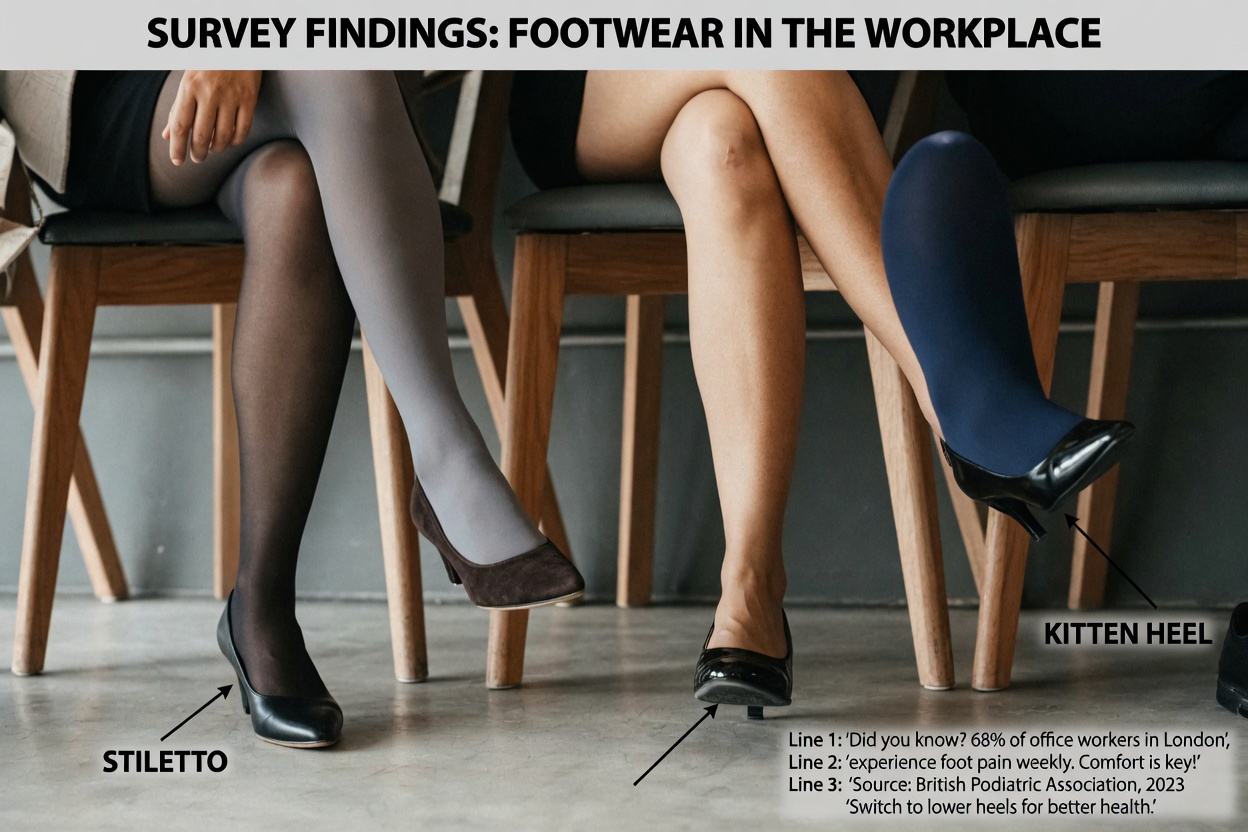
Comfort
Crossing your legs can feel immediately soothing because it helps stabilize the lower body and may ease short-term torso fatigue. Many people—regardless of gender—use it as a quick way to “settle in,” especially when sitting for extended periods.
However, frequent leg crossing can also worsen restlessness or trigger mild hip discomfort, depending on how you sit and how long you hold the position. Switching styles can change pressure points and reduce strain.
Comfortable leg-crossing options to try:
- Cross-legged on the floor (often called “crisscross” sitting)
- Knee-over-knee while seated in a chair for stability
- One foot tucked behind the opposite leg for extra support
Confidence
In business or formal environments, crossing your legs can communicate composure and self-control. That said, a stiff or overly closed leg-cross can unintentionally create a “barrier” effect, making you appear less approachable—even if that’s not your intent.
Common examples include:
- The “Figure 4” posture (often seen in men), where the ankle rests on the opposite knee—frequently interpreted as assertive or dominant.
- Knee-cross with an outward-pointed foot (more common among women), which can read as poised and self-assured.

Elegance
An ankle-cross is widely associated with polished, refined posture—especially in public appearances. It creates a more angled, tucked-back silhouette that can look composed and graceful.
Still, holding this position for long periods—particularly in heels—can contribute to subtle foot tension or cramping, which can undermine comfort and posture quality.
Relaxation
Leg crossing can simply signal ease. When someone is settled, comfortable, or casually engaged, crossing the legs often appears naturally. Uncrossing can indicate they’re preparing to move, adjusting their position, or shifting attention.
The key issue is that “relaxed” can slide into slouching. When crossed legs combine with a collapsed posture, the shoulders and lower back may take on extra tension—turning a restful moment into discomfort.

Modesty
Leg crossing is also a practical choice—especially for people wearing skirts or shorter outfits—because it helps keep the thighs together and maintains modesty. Some men may also choose a knee-cross to look less imposing or take up less space.
However, very tight leg crossing can compress tissues and contribute to numbness in the thighs, especially when held for long periods.
Why Do People Cross Their Legs While Standing?
Crossing the legs while standing is often a response to fatigue during long waits. Shifting into a crossed stance redistributes body weight and can reduce pressure on the feet and ankles—temporarily.
For some women, this posture may also enhance body lines and create a slimmer-looking silhouette. Over time, though, it can increase the feeling of imbalance, particularly if you rely on one side repeatedly.
Does Crossing Legs Toward You Mean They Like You?
In group settings, crossed legs that angle away from you can feel like a subtle sign of disinterest—or at least reduced engagement. On the other hand, when someone’s knee or foot points toward you while their legs are crossed, it can suggest they’re oriented toward you socially, whether the vibe is friendly or romantic.
That said, leg direction is not a reliable “proof” of attraction. Sometimes it’s just habit, comfort, or seating layout—not intention.
Is Sitting With Your Legs Crossed Attractive?
Certain leg-cross positions can draw attention and appear stylish or alluring—especially when paired with relaxed, open upper-body language. For example:
- Knee-crossing can emphasize the shape of the legs and often reads as confident.
- Figure 4 or ankle-crossing can look flirtatious depending on overall posture and facial expression.
Be cautious with positions that create visible discomfort or constant shifting—fidgeting tends to reduce the polished effect. Also, tightly tucked ankles can sometimes be interpreted as guarded or defensive.
Is Sitting Cross-Legged Bad for Your Health?
Crossing your legs occasionally is unlikely to be harmful. The bigger concern is staying in one crossed position for too long, especially during desk work, flights, or long meetings.
Research suggests prolonged leg crossing may affect:
- Circulation, sometimes increasing blood pressure temporarily
- Spinal and pelvic alignment, which can contribute to lower back discomfort over time
- Nerve compression, which may cause tingling or numbness in the legs
Some people also report reduced muscle fatigue in certain positions, but overall, posture variation tends to be the healthiest strategy.
Potential health considerations of frequent leg crossing:
- Circulation impact: May reduce blood flow and raise pressure temporarily
- Posture effects: Can gradually shift pelvic/spinal alignment
- Nerve compression: May lead to tingling sensations or numbness
- Joint stability: Can feel supportive short-term, but isn’t ideal as a fixed default
Actionable Tips for Better Leg Crossing Habits
You don’t have to eliminate leg crossing—just use it more intentionally.
Try these simple adjustments:
- Alternate sides: Switch which leg is on top every 15–20 minutes to distribute pressure more evenly.
- Take movement breaks: Stand, walk, or stretch regularly to reduce stiffness.
- Use supportive seating: Choose chairs that support a neutral pelvis and upright posture.
- Listen to discomfort: If you notice hip pain, back tightness, or tingling, uncross and reset your position.
Conclusion
Leg crossing can reflect comfort, confidence, elegance, relaxation, or modesty—and it can also shape how others interpret your engagement in conversation. By staying mindful of duration, posture, and physical signals, you can enjoy the benefits of this common habit without letting it contribute to daily aches or confusing social cues.
FAQ
What are common reasons for leg crossing?
People often cross their legs for comfort, confidence, elegance, relaxation, or modesty. Overdoing it, however, can lead to minor aches or stiffness.
Can leg crossing affect health?
Frequent or prolonged leg crossing may influence circulation and posture and can contribute to discomfort such as lower back pain or leg tingling.
Does leg crossing indicate attraction?
If crossed legs point toward someone, it can suggest interest or engagement—but it may also be accidental or purely for comfort, so context matters.