The “Cancer-Killing Leaf in 24 Hours” Claim: What Science Really Shows
The internet is packed with dramatic health headlines, but few are as attention-grabbing as the promise of a single plant leaf that can kill cancer in 24 hours. Viral articles and social media videos often imply that nature has already delivered a miracle cure—and that the medical industry is hiding it.
The reality is far less sensational and far more important: plant-based cancer research is real, but the “overnight cure” story is not supported by scientific evidence. Many plants contain bioactive compounds worth studying, yet no leaf, tea, or herbal extract has been proven to cure cancer in a day.
This guide breaks down the myth, the science behind it, and how to evaluate online health claims responsibly.
How the “Cancer-Killing Leaf” Story Goes Viral
Most viral “natural cancer cure” claims begin with a kernel of legitimate research—then get stretched into something the original study never stated.
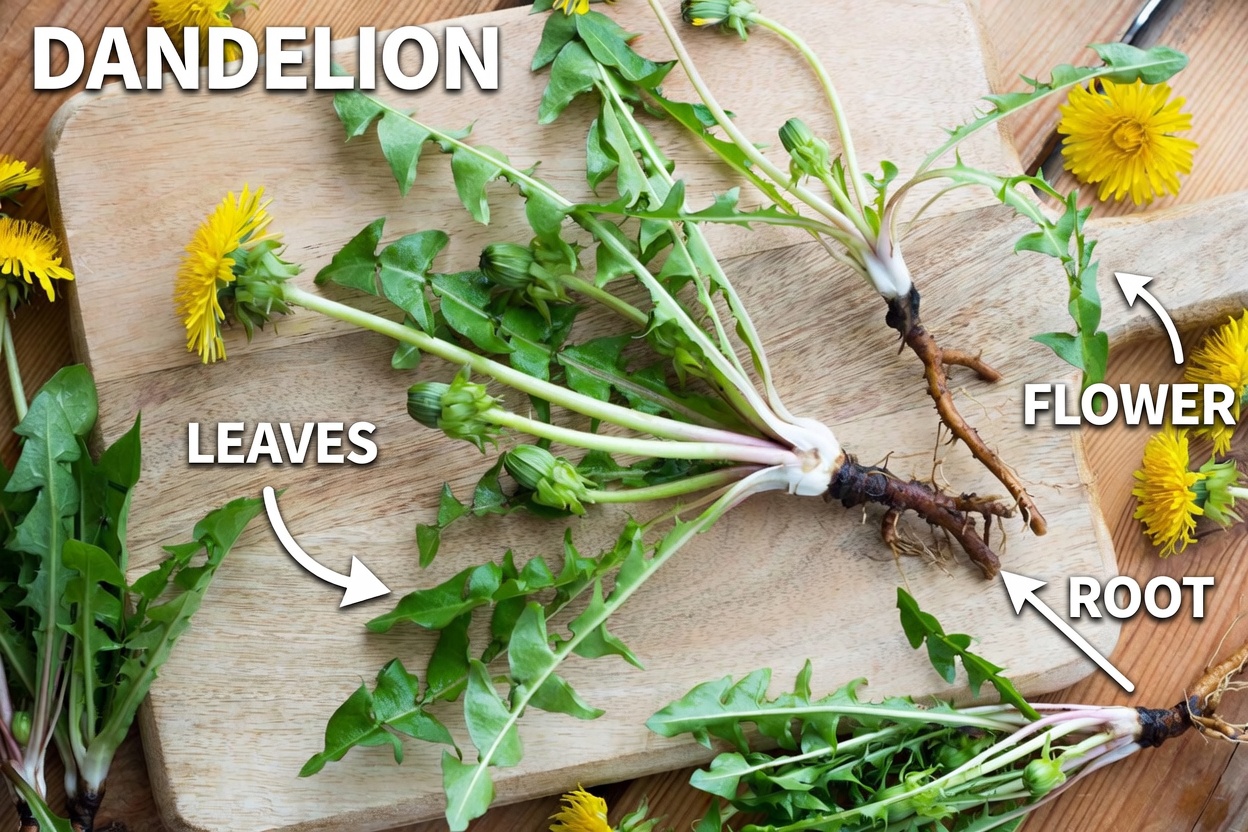
A common example involves dandelion root extract, which has been tested in laboratory settings. One widely shared finding reported that an aqueous dandelion root extract triggered apoptosis (programmed cell death) in roughly 95% of colon cancer cells within 48 hours under controlled lab conditions.
That sounds extraordinary—until you notice the key limitation:
- These results were observed in vitro, meaning in cell cultures or test tubes, not in human patients.
In vitro studies can be valuable early evidence, but they do not prove a treatment works inside the human body.
Why Lab Results Don’t Equal a Human Cancer Cure
When researchers test plant extracts on isolated cancer cells, they can control variables that real biology does not allow. That’s one reason a compound may look powerful in the lab but fail as a therapy.
Key reasons promising lab outcomes rarely translate directly to real-world cancer treatment include:
- Dosage gaps: Lab experiments often use concentrations far beyond what a person could safely ingest via herbs, teas, or supplements.
- Digestion and metabolism: Once inside the body, compounds can be broken down, altered, or eliminated—reducing or changing their impact.
- Tumor complexity: Real tumors interact with immune cells, blood supply, hormones, and surrounding tissue. A substance that kills isolated cells may behave very differently in a living organism.
In short: killing cancer cells in a dish is not the same as curing cancer in a person.
Plants Already Power Modern Cancer Medicine (But Not the Viral Way)
Ironically, plants have contributed enormously to cancer care—just not through quick “leaf cures.” Several major chemotherapy agents trace their origins to plant compounds, including:
- Paclitaxel, first discovered from the Pacific yew tree
- Vincristine and vinblastine, derived from the Madagascar periwinkle
- Camptothecin derivatives, originating from the Chinese “happy tree”
These therapies became medical treatments only after years of work involving:
- isolating active molecules
- refining and standardizing doses
- conducting safety testing
- running clinical trials in humans
Plants can inspire powerful anticancer drugs—but turning a plant into a proven therapy takes long-term research, not viral posts.
The Reality Behind Herbal “Cancer Cure” Claims
Online health myths often spotlight plants like soursop, Kalanchoe, and other herbs promoted as rapid tumor eliminators. Despite widespread sharing, medical organizations consistently state there is no credible scientific evidence that any plant alone can cure cancer.
Specialists also stress an essential distinction:
- Natural products may support general wellness or symptom relief in some cases
- But they cannot replace evidence-based cancer treatments, such as:
- surgery
- chemotherapy
- radiation therapy
- targeted therapy
- immunotherapy
Any claim that a simple herbal remedy can replace oncology care should be treated with extreme caution.
Why Scientists Continue Studying Medicinal Plants
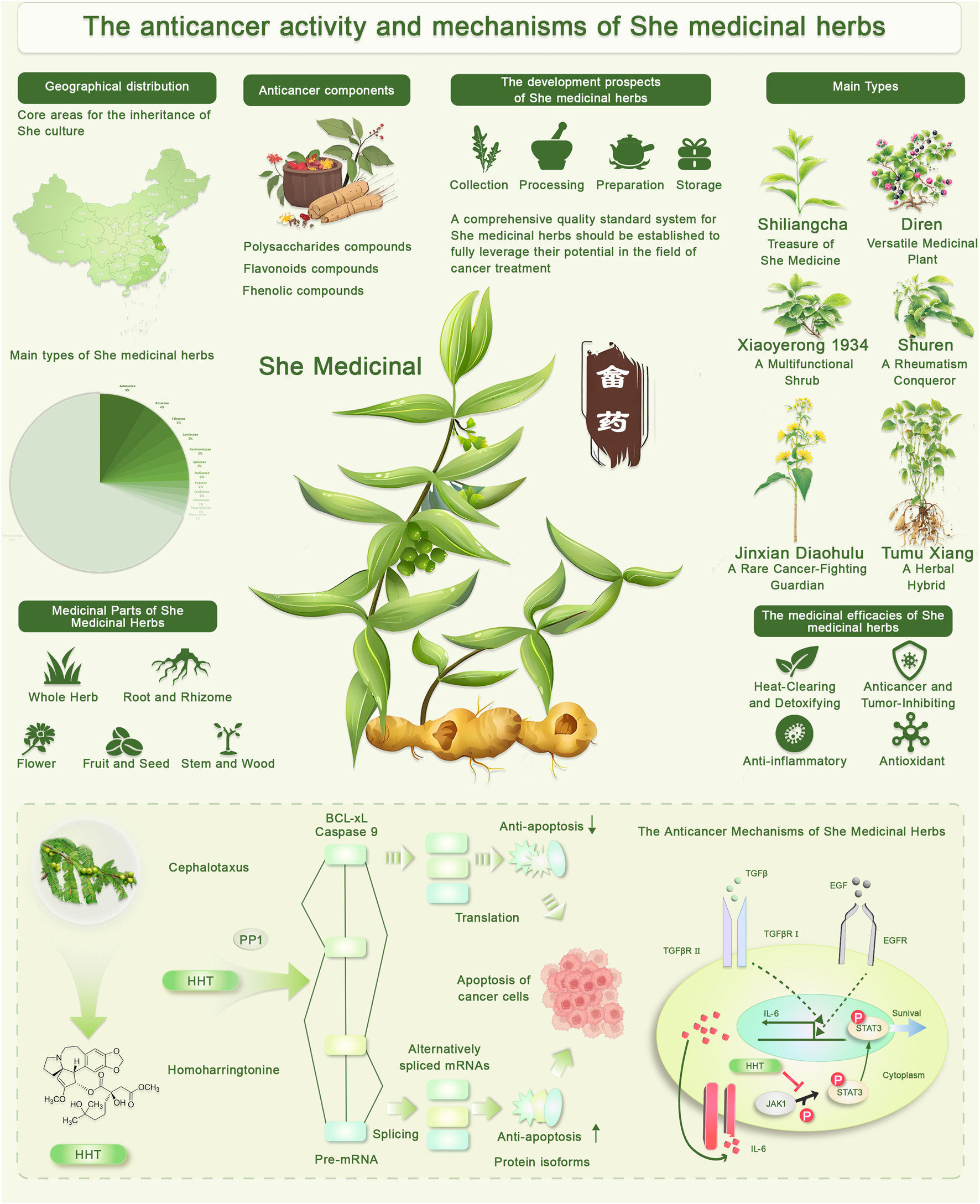
Rejecting miracle-cure headlines does not mean dismissing plant research. Plants create thousands of biologically active molecules, and many can influence pathways linked to cancer development.
Researchers investigate plant-derived compounds because some may:
- slow tumor growth
- trigger apoptosis (programmed cell death)
- reduce inflammation associated with cancer progression
- enhance the effects of existing anticancer drugs
This field may lead to new therapies over time—but only through careful validation for safety, dosing, and effectiveness.
The Harm of Viral “Natural Cure” Content
The greatest risk of “cancer-killing leaf” stories isn’t just misinformation—it’s the potential impact on real patients.
These claims can:
- create false hope
- encourage people to delay diagnosis or treatment
- push patients toward unproven approaches while the disease progresses
Cancer is complex and often time-sensitive. Complementary approaches may be discussed with a medical team, but they should never replace professional cancer care.
How to Judge Online Cancer Claims More Safely
If you see a headline claiming a plant “kills cancer in 24 hours,” use this checklist before believing or sharing it:
- Does it reference peer-reviewed research (not only blogs or videos)?
- Was the study conducted in humans, or only in vitro or in animals?
- Are reputable medical institutions or oncology specialists involved?
- Does the headline overstate what the study actually concluded?
In many cases, the original scientific paper is cautious, while the viral summary is exaggerated.
Bottom Line: Do Any Leaves Cure Cancer in 24 Hours?
No. The claim that a single leaf or herbal remedy can cure cancer in 24 hours is not supported by scientific evidence.
What current research actually suggests is more realistic and more useful:
- Some plant compounds can damage cancer cells in laboratory experiments
- Scientists are exploring these molecules as possible foundations for future drugs
- No plant leaf or herbal extract has been proven to cure cancer overnight
The real story isn’t a miracle cure—it’s ongoing research, careful testing, and the long-term potential for plant-based discoveries to improve future treatments.
FAQs
Can any plant cure cancer?
No. There is no scientific evidence that any plant can cure cancer on its own. Some plants contain compounds of interest to researchers, but they do not replace established cancer therapies.
Which plants have contributed to cancer treatments?
Several anticancer drugs were developed from plant-derived compounds, including paclitaxel, vincristine, and camptothecin derivatives. These medications became treatments only after extensive clinical research.
Are herbal remedies safe to use during cancer treatment?
Not always. Some supplements and herbs can interfere with medications or cause side effects. Do not replace conventional treatment with herbal remedies, and consult a qualified healthcare professional before using any natural product.
Disclaimer
This article is for informational purposes only and does not constitute medical advice. Always consult a licensed healthcare professional regarding diagnosis, treatment options, or any health-related concerns.