Many women spend hundreds of dollars each year on skincare, deodorants, and home fragrances—only to end up with irritation, results that fade fast, or exposure to ingredients they’d rather avoid. As we age, things like reactive skin, persistent body odor, and everyday discomfort can make “basic” self-care feel both stressful and costly. Baking soda—the low-cost staple sitting in many kitchens—offers a simple, multi-use option for anyone exploring gentler, more natural routines.
What if one everyday ingredient could support smoother-looking skin, a fresher feel, and a cleaner-smelling home? Below are 13 practical baking soda uses that families have relied on for generations because they’re straightforward and surprisingly versatile.
Why More Women Are Choosing Gentle, Budget-Friendly Alternatives
Reaching your 30s (and beyond) often comes with subtle changes: skin can become easier to irritate, post-workout odor may linger longer, and minor discomforts can affect confidence day to day. Meanwhile, many commercial products promise instant results but may contribute to dryness, breakouts, or ongoing expenses.
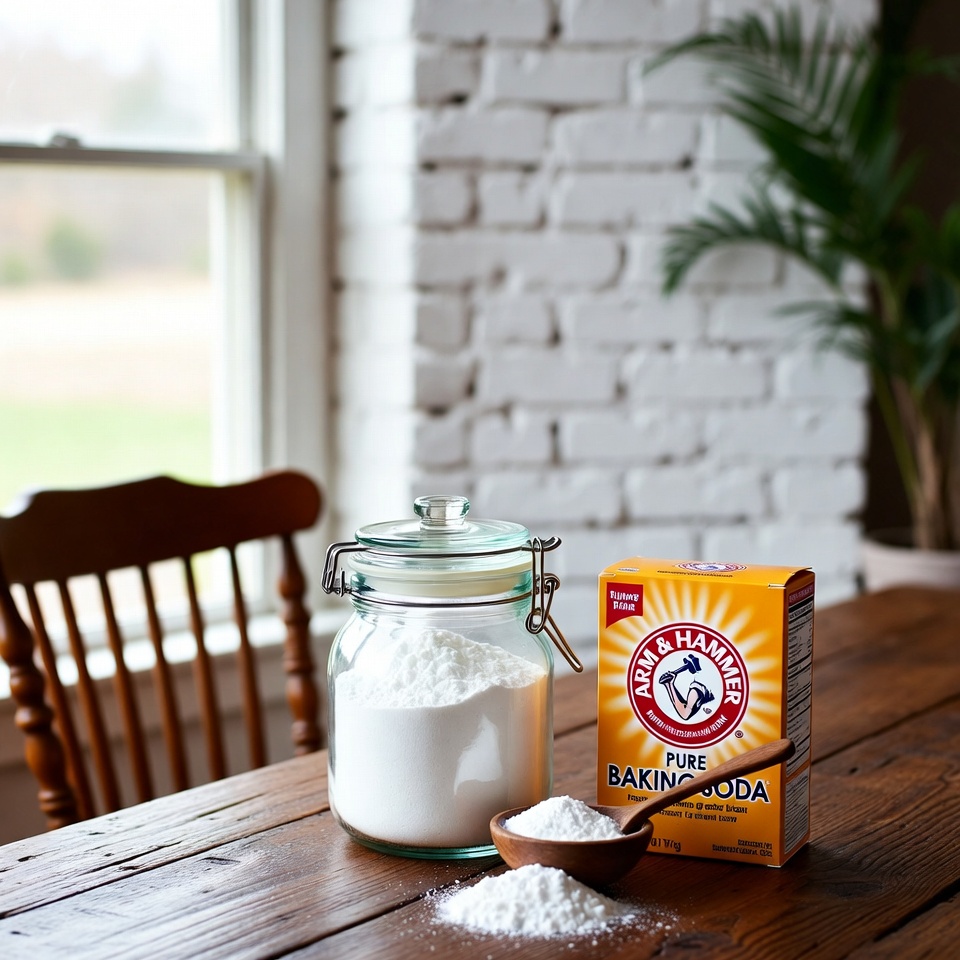
At the same time, interest in more “minimal ingredient” solutions keeps rising as people try to reduce exposure to certain additives. Thanks to its mild alkalinity, baking soda is commonly used for odor neutralizing and light exfoliation in a variety of routines. It’s not a magic cure, but its long-standing role in household care makes it a reasonable option to explore—carefully.
Important: What works well for one person may not work for another, particularly if you have sensitive skin.
What Gives Baking Soda Its Multi-Purpose Power?
Baking soda (sodium bicarbonate) is a fine white powder that reacts with acids to create a gentle fizz. That simple chemistry helps explain why it’s used for:
- Odor absorption and neutralization
- pH balancing in certain applications
- Mild abrasive exfoliation (for surface-level buildup and stains)
Traditional use and general research discussions often point to its acid-neutralizing ability, which is why some people use it for occasional issues like mild heartburn. It’s inexpensive, easy to find, and simple to incorporate—especially if you’re tired of complicated routines.
13 Practical Baking Soda Ideas to Try (Step-by-Step)
Start with one method at a time, keep mixtures diluted, and pay attention to how your skin (or your home surfaces) respond.
1. A Simple Natural Deodorant Alternative
If you’re avoiding aluminum-based deodorants, try this basic option:
- Mix a small amount of baking soda with a few drops of water to make a thin paste.
- Apply a very light layer to clean underarms after showering.
Because baking soda is alkaline, many people find it helps reduce odor by creating a less odor-friendly environment. Patch test first, as underarm skin can be sensitive.
2. Paste for Minor Insect Bite Itch
For occasional bug bites:
- Combine 3 parts baking soda with 1 part water to form a paste.
- Dab onto the bite.
- Leave for 10–20 minutes, then rinse off.
This is commonly used to help calm mild itching and redness.
3. Occasional Heartburn Support
For occasional acid indigestion:
- Dissolve ½ teaspoon baking soda in a full glass of water.
- Sip slowly.
This can temporarily neutralize stomach acid. Use sparingly—if heartburn is frequent, consult a healthcare professional.
4. Gentle Body Exfoliating Scrub
For smoother-feeling skin:
- Mix 3 parts baking soda with 1 part water (or a small amount of oil for more slip).
- Massage gently onto damp skin using circular motions.
- Rinse well.
Avoid harsh pressure and skip very sensitive areas to prevent irritation.
5. Scalp Clarifying Add-On (Shampoo Booster or Rinse)
To help reduce product buildup:
- Add about 1 teaspoon of baking soda to your shampoo or
- Use a diluted rinse after shampooing
Follow with conditioner, as clarifying can leave hair feeling drier.
6. Mild Exfoliation for “Skin Renewal” Areas
Some people use a gentle baking soda paste on areas like stretch marks for light exfoliation:
- Apply a thin, diluted paste.
- Massage gently and rinse.
Over time, mild exfoliation may support natural cell turnover, but results differ widely.
7. Foot Soak + Scrub for Rough Heels
A simple refresh for tired feet:
- Add ½ cup baking soda to a basin of warm water.
- Soak feet for 10–15 minutes.
- Follow with a gentle scrub using a paste (baking soda + water).
- Rinse and moisturize.
This can soften rough patches and improve how feet feel—especially before sandal season.
8. Fridge Odor Neutralizer
For a fresher-smelling refrigerator:
- Place an open box or small bowl of baking soda on a shelf.
- Replace every 2–3 months (or sooner if odors return).
Quick Comparison: Common Concerns vs. Baking Soda Uses
- Body odor: baking soda paste vs. conventional antiperspirants
- Dull skin: gentle scrub vs. stronger chemical exfoliants
- Occasional heartburn: baking soda water vs. standard antacids
- Rough feet: soak + scrub vs. pumice stones/foot creams
- Fridge odors: open box method vs. commercial fresheners
9. Cleaning Tarnished Silver Jewelry
To brighten silver:
- Make a soft paste (baking soda + water).
- Rub gently with a soft cloth.
- Rinse thoroughly and dry.
Use a light touch to avoid scratching.
10. Cooling Comfort for Minor Sunburn
For mild sunburn discomfort:
- Mix a cool, watery paste.
- Apply gently and rinse off.
Some people combine it with aloe for extra soothing, but discontinue if irritation occurs.
11. Speeding Up Bean Soaking
When soaking beans or peas:
- Add a small pinch of baking soda to the soaking water.
This can help soften them, potentially reducing cooking time.
12. Mild Teeth Whitening Support (Occasional Use)
For surface stain removal:
- Mix a small amount of baking soda with a drop or two of water.
- Brush gently once or twice per week.
Baking soda is mildly abrasive, so avoid aggressive brushing. (Adding lemon is sometimes suggested, but acidity can be harsh on enamel—use caution.)
13. Fresh-Breath Mouth Rinse
For a quick, clean-mouth feel:
- Dissolve ½ teaspoon baking soda in water.
- Swish briefly, then spit.
This may help neutralize odors rather than simply masking them.
A Simple “Glow-Up” Timeline (Realistic Expectations)
- Days 1–7: Try 1–2 methods and note any changes in freshness or skin texture
- Weeks 2–4: Rotate in additional uses if your skin tolerates them well
- Month 2+: Keep only your favorites for an easier, lower-cost routine
Bonus: Easy Mix-Ins (Use Carefully)
- Lemon juice: may add a brightening effect, but acidity can irritate skin—use sparingly
- Honey: often used for its soothing, moisturizing feel
- Water only: the simplest option and often the gentlest starting point
Safety Notes (Please Read)
- Always patch test: Apply a small amount to the inner arm and wait 24 hours to check for redness, burning, or rash.
- This article is for informational purposes only and does not replace medical advice.
- Baking soda may irritate some people—especially those with sensitive skin or certain conditions. Speak with a healthcare professional before trying new remedies, particularly if you are pregnant, nursing, or managing ongoing health concerns.
FAQ
Is baking soda safe for daily skin use?
Many people tolerate small, diluted amounts, but daily use can be too drying or irritating for some. Patch testing and moderation are key.
Can baking soda fully replace my usual deodorant?
It can help with odor for some people, but results vary. If irritation occurs, reduce frequency, dilute more, or stop use.
How often should I exfoliate with baking soda?
For most people, 1–2 times per week is plenty. Over-exfoliating can disrupt the skin barrier and lead to dryness or sensitivity.