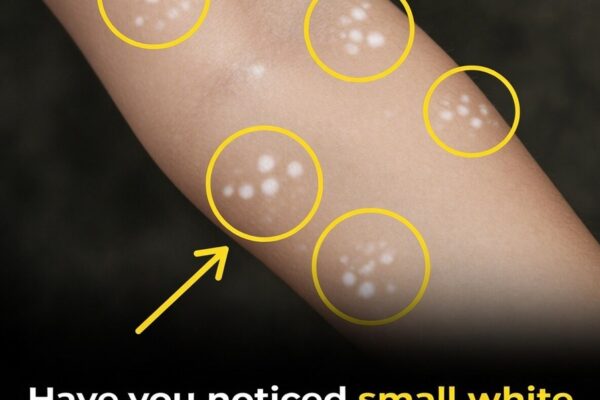
The Real Story Behind Graviola Leaf and Cancer Claims
Viral posts that promise graviola leaf can “destroy cancer” leave many midlife readers feeling torn between hope and fear. When you are searching for gentle, natural ways to support your health, these bold promises can create pressure to choose quickly—and sometimes to delay or doubt proven medical treatments.
Understanding what is truly known about graviola leaf is essential before you rely on it. The real benefits, limits, and hidden risks of this plant may reshape how you look at graviola leaf and other “miracle cure” trends online.

What Is Graviola Leaf and Why Is It Suddenly Everywhere?
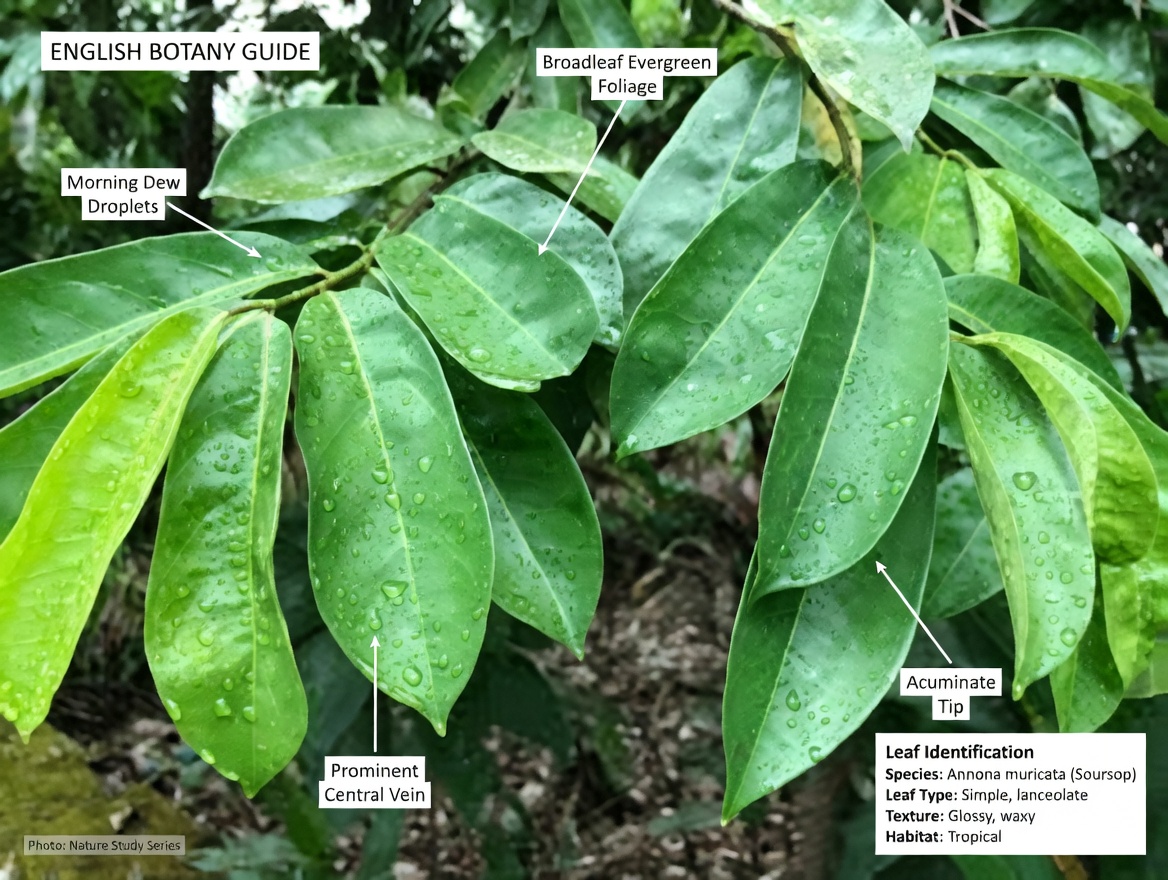
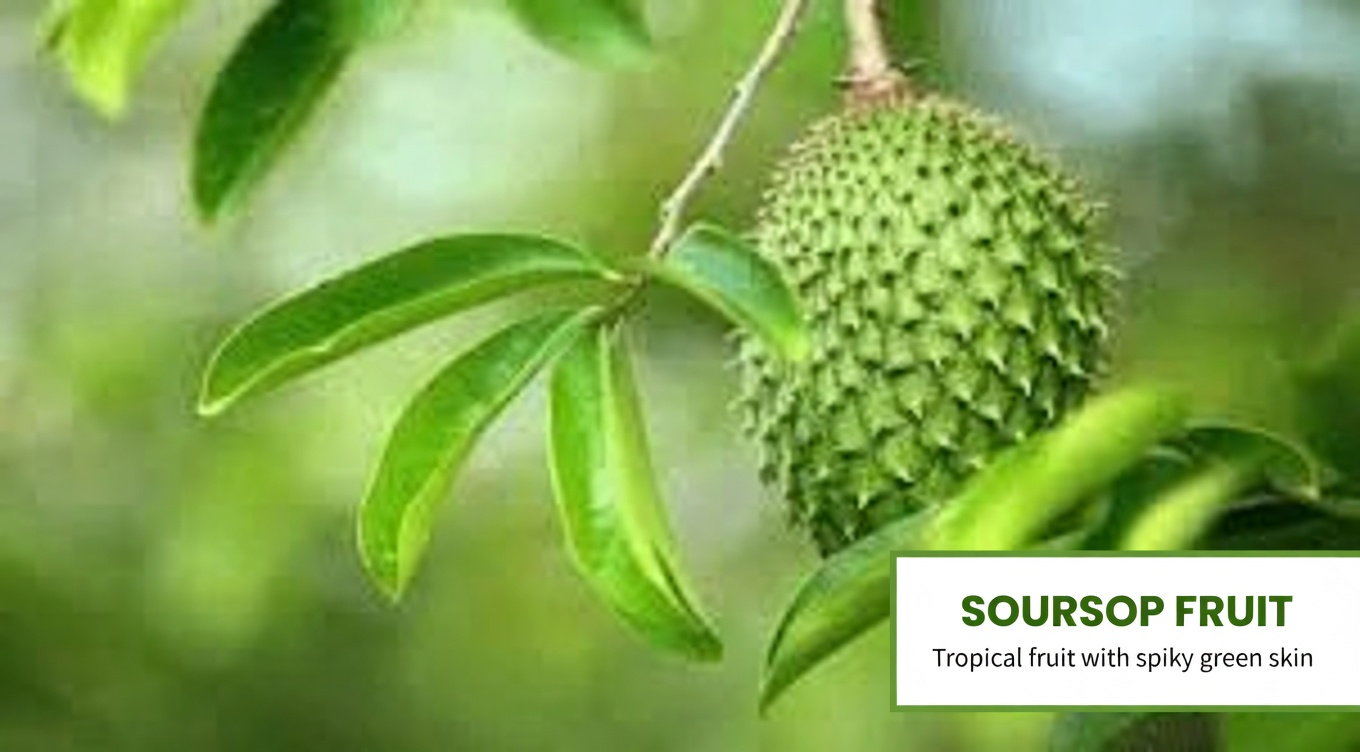
Relentless online stories calling graviola leaf a miracle cure can make you question every health decision. Graviola leaf—also called soursop leaf—comes from the Annona muricata tree, a tropical species native to regions of the Americas and long used in traditional herbal practices.
In many folk traditions, the dried leaves are brewed into graviola tea and sipped for general wellness, digestive comfort, or relaxation. Because of this traditional use, people often assume it must be safe and effective for more serious conditions as well.
However, long-standing traditional use is not the same as modern scientific proof. The rapid rise of graviola leaf on social media has focused heavily on dramatic claims, while often ignoring what research actually shows—and where the evidence is still missing.
What Science Actually Shows About Graviola Leaf
Seeing confident but unproven claims about graviola leaf can be stressful when you are trying to take a natural, informed approach to your health. Scientific interest has mostly focused on certain compounds in the plant, especially a group of chemicals known as acetogenins.
Laboratory experiments have found that these compounds can affect cells grown in test tubes. However, what happens in isolated cells under controlled lab conditions does not automatically translate to safe, effective treatment in real people.
Major organizations such as Cancer Research UK and MD Anderson Cancer Center have assessed the available data and concluded there is no reliable clinical evidence that graviola leaf treats cancer or any other serious human disease. In other words, while the plant shows activity in the lab, we do not have solid proof of benefits in patients.
Key Takeaways from Graviola Leaf Studies
Chasing every new herbal claim can bring more anxiety than relief. When it comes to graviola leaf, research to date is limited and mostly preclinical.
Key points from reviews and studies include:
-
Most research is lab-based or in animals
Graviola leaf has been tested primarily in cell cultures and some animal models, not in large, well-designed studies involving people. -
No high-quality human trials for major diseases
Systematic reviews, including a 2018 overview and later analyses, agree: there are no robust human clinical trials demonstrating that graviola leaf cures or effectively treats serious illnesses like cancer. -
Not recommended as a medical treatment
Healthcare professionals and major cancer centers do not recommend graviola leaf as a therapy for any disease. At best, it remains an area of preliminary scientific interest, not an approved treatment. -
Potential does not equal proof
Observations in early-stage research must be tested in careful human trials to confirm safety, dosage, and real-world effectiveness. That step has not been completed for graviola leaf.
Possible Everyday Wellness Uses of Graviola Leaf
Feeling the weight of aging, stress, and daily responsibilities often leads people to seek simple, natural choices, and graviola leaf can look appealing. In traditional use and early lab work, graviola leaf has been noted to contain antioxidant and mildly anti-inflammatory compounds.
Some individuals say that an occasional cup of graviola tea helps them feel calmer or more comfortable, especially as part of a relaxing evening routine. Limited laboratory data also suggest it may have gentle soothing effects that could, in theory, support everyday wellness.
These potential benefits, however, are general and subtle—and they do not replace professional medical care, medications, or evidence-based treatments. If used at all, graviola leaf should be seen as a minor complement within a broader healthy lifestyle.
Traditional use and early research suggest graviola leaf may offer:
- Antioxidant activity that helps neutralize free radicals generated by normal daily life
- Digestive comfort support in some herbal traditions when used in small amounts
- Possible mild immune support as part of overall wellness habits
- Gentle calming properties when enjoyed as a warm infusion
Safety Concerns and Side Effects of Graviola Leaf
The fear of making a harmful health choice can intensify when online information conflicts or feels exaggerated. Safety is where graviola leaf raises some of the most serious concerns.
Long-term or heavy use of graviola has been linked in studies to possible neurotoxicity—damage to nerve cells. A compound called annonacin may play a key role, and some research has associated high intake with movement disorders resembling Parkinson’s symptoms.
Because of these findings:
- Health authorities and medical reviews urge strong caution with regular or high-dose use.
- Graviola leaf is considered possibly unsafe when taken in large amounts or over extended periods.
- People with any neurological issues, or a family history of such conditions, may be at increased risk.
In addition, graviola leaf may interact with medications or aggravate existing health problems. This is why professional guidance is essential before using it regularly.
How to Try Graviola Leaf More Safely
The desire for fast, natural solutions can tempt you to dive into graviola leaf without enough information. If, after consulting your healthcare provider, you still choose to experiment with graviola leaf, a cautious, short-term approach is critical.
Consider these guidelines:
-
Choose quality sources
- Use high-quality, dried graviola leaves from reputable suppliers.
- Look for products tested for contaminants such as pesticides or heavy metals.
-
Start with a mild tea
- Use about 1 teaspoon of dried leaf per cup of hot water.
- Steep and drink as a light infusion—do not make it excessively strong.
-
Limit the amount and duration
- Do not exceed 1–2 cups per day.
- Restrict use to short periods rather than making it a permanent daily habit.
-
Never replace medical treatment
- Graviola leaf must not be used as a substitute for prescribed therapies or medical advice.
- If you are being treated for any condition, share all herbal use with your doctor.
-
Monitor your body’s response
- Stop immediately if you notice unusual symptoms, especially neurological changes, digestive upset, or allergic reactions.
Healthy Habits to Prioritize Over Any Single Herb
When health feels uncertain, it is natural to reach for comforting remedies like graviola leaf. Yet the strongest support for long-term wellness comes from consistent, evidence-based lifestyle habits.
To build a solid foundation for health:
- Follow regular medical check-ups and screening recommendations for your age and risk factors.
- Stay hydrated and focus on a diet rich in colorful fruits, vegetables, whole grains, and lean proteins.
- Avoid smoking and keep alcohol intake low to protect your heart, brain, and overall vitality.
- Use herbs as additions, not anchors—no plant, including graviola leaf, can replace professional healthcare.
Additional habits that support wellness far beyond what graviola leaf can offer include:
- Engaging in gentle daily movement, such as walking, stretching, or light exercise
- Prioritizing 7–9 hours of restful sleep each night
- Managing stress with meditation, breathing exercises, journaling, or hobbies
- Choosing whole, minimally processed foods that naturally provide antioxidants and nutrients
Who Should Avoid Graviola Leaf
Disappointment from misleading graviola promotions can make you skeptical of all natural products, but being selective is a sign of wise self-protection. For some groups, avoiding graviola leaf altogether is the safest choice.
You should not use graviola leaf if:
- You are pregnant or breastfeeding (there is not enough safety data).
- You have neurological conditions or a history of movement disorders.
- You live with liver or kidney disease, as your body may process plant compounds differently.
- You are a child or adolescent, since safety has not been clearly established.
Use extreme caution and seek medical approval if you:
- Take medications for blood pressure, diabetes, or heart conditions
- Are on any long-term prescription drugs that could interact with herbal products
- Have a history of allergies or sensitivities to plants in the Annona family
Even with tea, a “patch-test” approach is wise: begin with a very small amount, observe carefully for side effects, and discontinue at the first sign of problems. Your safety must always come before curiosity about graviola leaf.
Final Thoughts on Graviola Leaf
Graviola leaf continues to attract attention among people seeking natural wellness options, but the scientific evidence clearly defines its role. While it may offer mild, general support for comfort and relaxation in occasional, small amounts, it is not a proven treatment for cancer or other serious diseases—and it carries meaningful safety concerns, especially with long-term use.
No herb should stand in place of professional medical care. The story of graviola leaf underscores the importance of balancing traditional knowledge with rigorous science, asking critical questions, and making health decisions grounded in both caution and evidence.
FAQ About Graviola Leaf
How long can I safely drink graviola leaf tea?
Most experts advise using graviola tea, if at all, only for short periods and limiting intake to no more than 1–2 cups per day. Because of potential neurotoxic effects with prolonged or heavy use, ongoing daily consumption is not recommended. Always consult your doctor for personalized guidance before adding graviola leaf to your routine.
Is graviola leaf safe for everyone?
No. Graviola leaf is not safe for everyone and should be approached carefully. Regular or high-dose use has been linked to potential nerve damage and Parkinson’s-like symptoms, so anyone with existing neurological issues—or a family history of them—should avoid it. It is also unsuitable for:
- Pregnant or breastfeeding individuals
- Children and teenagers
- People with liver or kidney disease
- Those taking medications for blood pressure, diabetes, or other chronic conditions, unless a healthcare provider specifically approves it
If you have any medical condition or take prescription drugs, speak with your healthcare professional before considering graviola leaf in any form.