
Thinning Edges and Slow Hair Growth: You’re Not the Only One
It can feel frustrating to watch your hairline creep back or your edges get thinner—especially when your reflection confirms what you’ve been trying to ignore. Adult hair thinning can happen for many reasons, including stress, tight braids or traction styles, postpartum shedding, hormonal shifts, or genetics. And while expensive hair growth serums promise quick fixes, they can be irritating (and costly) without delivering real results.
The good news: you may already have a supportive, research-backed option at home. Rosemary—a familiar kitchen herb—has gained attention for its potential to support hair growth, improve scalp circulation, and strengthen follicles. Below are three practical, science-informed ways to use rosemary for hair growth, especially if you’re trying to rebuild thinning edges.

Why Rosemary Supports Hair Growth
As we get older, hair growth can slow due to a mix of factors such as reduced circulation, chronic stress, hormonal changes, and scalp inflammation. Rosemary has properties that make it especially interesting for people dealing with shedding or thinning:
- Encourages blood flow to the scalp, which can support healthier follicles
- Helps calm inflammation, a common contributor to poor scalp health
- May reduce the impact of DHT (dihydrotestosterone), a hormone often associated with hair thinning
Notably, research comparing rosemary oil vs. minoxidil found similar improvements in hair count after about six months, with rosemary often reported as gentler for people prone to scalp irritation. While results vary, rosemary’s circulation-boosting and soothing effects make it a strong natural option—particularly for thin edges and hairline regrowth.
Method #1: Rosemary-Infused Oil (A Deep Scalp Treatment for Thinning Spots)
If you’re noticing stubborn bald patches, thinning edges, or weak growth around the hairline, a rosemary-infused oil can work as a deeper treatment. It’s designed to support the scalp environment by improving circulation and helping protect follicles from oxidative stress.
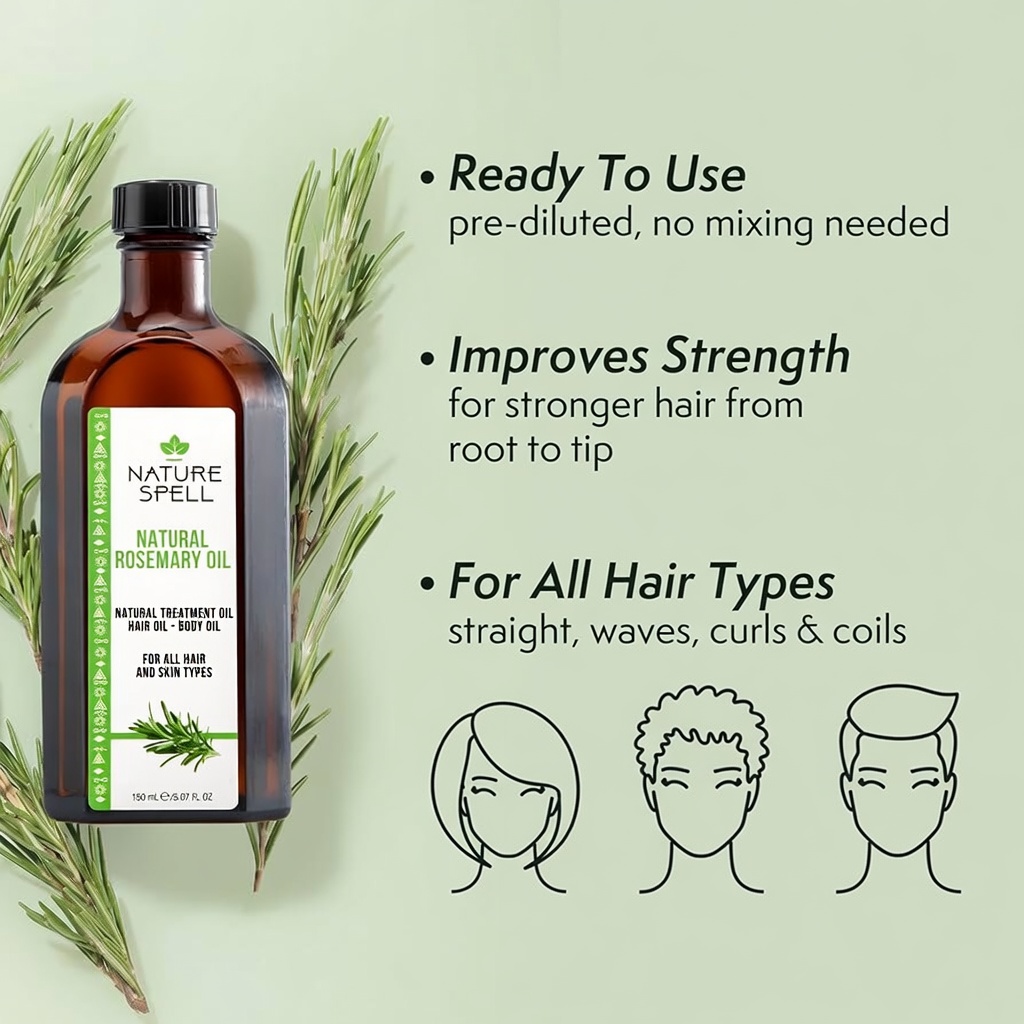
How to Make Rosemary-Infused Oil
Ingredients
- 1 cup fresh or dried rosemary leaves (more leaves = stronger infusion)
- 1–1.5 cups extra-virgin olive oil
- Alternatives: coconut oil or jojoba oil
Instructions
- Blend the rosemary leaves with the oil until the mixture looks vibrant green.
- Infuse using one of the methods below:
- Double-boiler method: warm on low heat for 5–10 minutes
- Solar infusion: let it sit for 2–4 weeks in a sunny spot
- Strain the mixture and pour the oil into a dark glass bottle for storage.
How to Use It
- Warm about 1 teaspoon of the oil.
- Massage into the scalp for 5–10 minutes, focusing on edges or thin areas.
- Leave on for 1–2 hours or overnight, then shampoo out.
- Use 2–4 times per week.
Pro tip: With rosemary oil for hair growth, consistency matters more than intensity. Expect gradual progress—steady use is what tends to make the difference.
Method #2: Rosemary + Fenugreek Water Spray (A Lightweight Daily Growth Booster)
If oils feel too heavy—or you want something you can use daily without buildup—a rosemary and fenugreek spray is a great option. Rosemary supports circulation, while fenugreek seeds are known for being nutrient-dense and often used in traditional routines for strengthening hair.
Rosemary-Fenugreek Spray Recipe
Ingredients
- 2–3 tablespoons fenugreek seeds
- A handful of fresh rosemary sprigs
- 3–4 cups water
Instructions
- Boil the fenugreek seeds and rosemary in water for 10 minutes.
- Turn off the heat and let the mixture sit.
- For a stronger extract, soak overnight.
- Strain and pour into a clean spray bottle.
How to Use It
- Spray onto a damp scalp each morning.
- Massage for 5–10 minutes.
- Follow with a leave-in conditioner or a small amount of oil to seal in moisture.
Pro tip: Overnight soaking usually deepens the color and increases extraction—often resulting in a more potent spray.

Method #3: Targeted Rosemary Scalp Massage (A Daily Habit That Compounds Results)
A scalp massage is one of the most underestimated tools for hair growth support. On its own, massage helps improve blood flow. When paired with rosemary (spray or oil), it becomes a simple daily ritual that can noticeably improve how your scalp and hairline respond over time.
A Simple Rosemary Scalp Massage Routine
- Morning (5 minutes):
Spray rosemary-fenugreek water onto a damp scalp, then massage gently. - Evening (10 minutes):
Warm a small amount of rosemary-infused oil and massage into the scalp using fingertips or a massage tool. - Optional weekly boost:
Blend soaked fenugreek seeds and rosemary into a paste, apply for 30 minutes, then rinse.
Pro tip: Evening scalp massage can double as stress relief—helpful, since stress itself can worsen shedding and slow growth.
Rosemary Methods vs. Popular Alternatives (Quick Comparison)
-
Rosemary-infused oil
- Best for: deep scalp nourishment, dry scalp, thinning edges
- Pros: potent, long-lasting
- Considerations: can feel heavy; use small amounts
-
Rosemary-fenugreek water spray
- Best for: daily scalp support without oil buildup
- Pros: lightweight, quick absorption
- Considerations: requires prep time (overnight soaking is ideal)
-
Rosemary scalp massage ritual
- Best for: consistent stimulation and routine-based progress
- Pros: low-cost, boosts results of other methods
- Considerations: works best with daily commitment
-
Minoxidil
- Best for: clinically supported regrowth for some users
- Pros: fast results for some
- Considerations: irritation possible; often requires ongoing use
-
Biotin and supplements
- Best for: internal support if deficient
- Pros: convenient
- Considerations: results vary and can take time
FAQ: Rosemary for Hair Growth
-
How soon can rosemary oil show results?
Many people report early changes (less shedding, healthier scalp feel) in 4–6 weeks. More visible improvements—like new growth along edges—may take up to 3 months with consistent use. -
What if I have sensitive skin or a reactive scalp?
Do a patch test first. If you’re sensitive, dilute rosemary with a carrier oil (such as coconut or jojoba) and start with shorter leave-on times. -
Is rosemary oil as effective as minoxidil?
Some studies suggest rosemary oil can perform similarly to minoxidil for hair regrowth over time, often with fewer reports of irritation. Individual results depend on the cause of thinning and how consistently you use it.
Conclusion: A Simple, Cost-Effective Way to Support a Healthier Hairline
Rosemary is more than a cooking herb—it’s a practical, research-supported ingredient that may help with hair growth, thinning edges, and scalp health. Whether you choose a rosemary-infused oil, a rosemary-fenugreek spray, or a daily scalp massage routine, the real power comes from repeatable habits and patient consistency.
Disclaimer: This article is for informational purposes only and does not replace medical advice. Consult a healthcare professional before starting a new hair treatment, especially if you have scalp conditions, allergies, or ongoing hair loss.