
Millions of adults in the United States live with chronic kidney disease (CKD), and a large number don’t realize that everyday foods can quietly increase kidney workload—especially through minerals such as potassium and phosphorus. Rice is a comforting staple in many global cuisines, yet it’s often overlooked in kidney-friendly eating. The truth is: the wrong rice choice may add unnecessary mineral load, while the right varieties can provide a gentle, dependable source of energy.
If you’ve noticed afternoon fatigue, mild bloating after meals, or a vague “heavy” feeling, you’re not the only one. The encouraging part is that small, practical swaps—informed by renal nutrition guidance from trusted organizations like DaVita and the National Kidney Foundation—can help meals feel lighter and more supportive.

What if one simple change on your plate could reduce daily strain and bring back a steadier sense of comfort? Below is a straightforward, kidney-aware approach based on widely discussed, everyday rice options.
Why Rice Can Support Kidney-Friendly Eating
Rice is primarily a carbohydrate, which means it can deliver steady energy without automatically adding high amounts of protein or fat. However, rice types differ in their mineral content—especially when comparing white rice to whole-grain options.
Many renal diet recommendations lean toward white rice because the milling process removes the bran and germ, where a large share of potassium and phosphorus are concentrated. DaVita Kidney Care commonly cites that 1 cup of cooked white rice contains roughly:
- Potassium: about 55 mg
- Phosphorus: about 68 mg
By comparison, brown rice is typically higher, often referenced around:
- Potassium: about 84 mg
- Phosphorus: about 163 mg
For people who need to monitor these minerals, a lower-potassium, lower-phosphorus profile can mean less filtration demand on the kidneys. Preparation also matters: rinsing thoroughly can reduce excess surface starch and improve texture, which many people find easier to digest.
Next, let’s look at three rice varieties that frequently appear in kidney-friendly discussions.
1) White Rice: The Low-Mineral, Everyday Foundation
Classic white rice is a common starting point for kidney-conscious meals. Because the bran is removed, it typically contains less potassium and phosphorus than whole-grain rice, making it easier to fit into many renal eating plans.
Approximate values per 1 cup cooked often align with:
- Potassium: 50–55 mg
- Phosphorus: 60–70 mg
Think of someone like Mark, a busy professional managing occasional swelling and fatigue. Without overhauling his entire diet, switching to measured portions of white rice helped him build meals that felt more stable and less heavy.
If post-meal comfort is often a challenge, starting with plain, portion-controlled white rice can be one of the simplest adjustments.
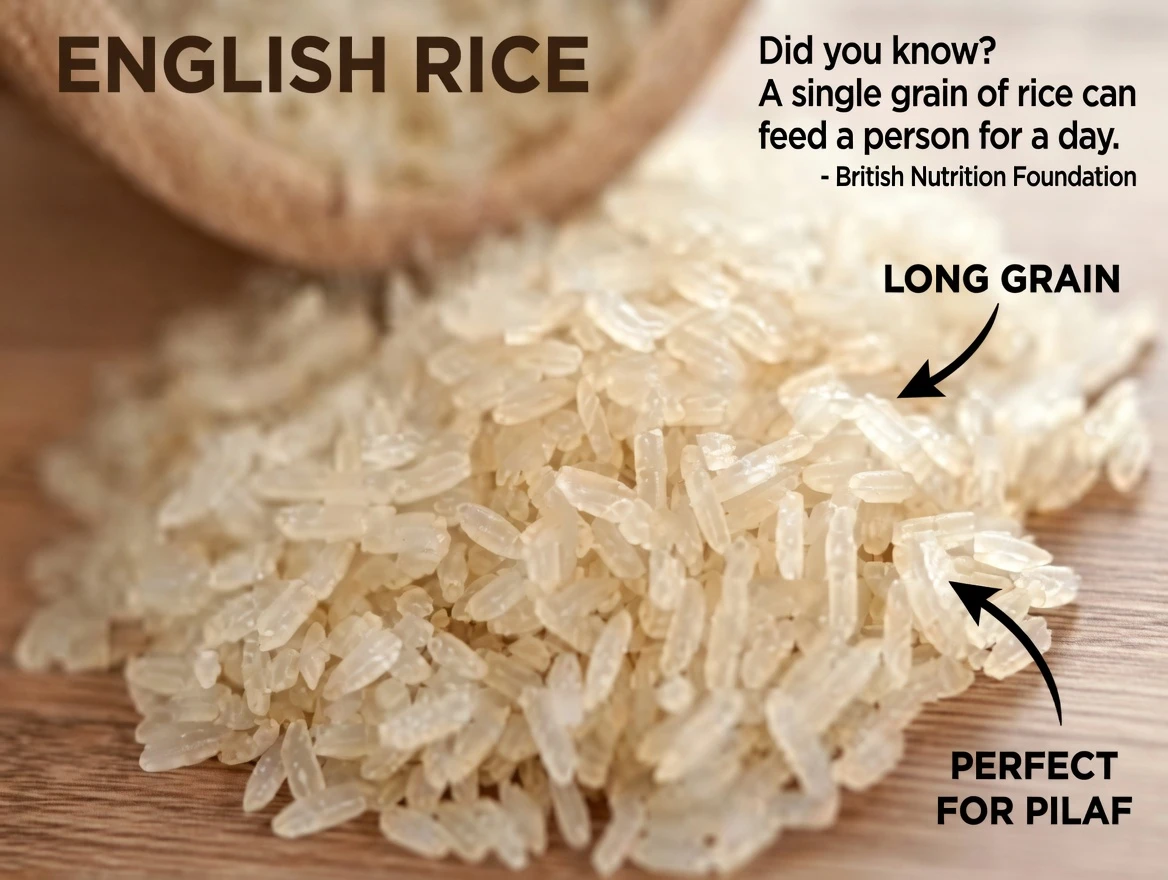
2) White Basmati Rice: Steadier Energy, Great Meal Satisfaction
White basmati rice is known for its long grains, light texture, and subtle aroma. Nutrient-wise, it generally stays close to standard white rice in potassium and phosphorus—making it compatible with many kidney-friendly approaches.
One reason basmati stands out is its moderate glycemic index, often cited around 50–58 (values vary by brand and cooking method). For some people, this can support more even energy and fewer sharp “crashes” after eating.
Lisa, a shift worker in her late 40s, found that basmati helped her feel less drained mid-afternoon—especially when paired with a balanced plate (think low-potassium vegetables and a kidney-appropriate protein portion).
3) White Jasmine Rice: Soft Texture and Gentle Digestion
White jasmine rice is popular for its soft, slightly fragrant bite and comforting mouthfeel. Like other white rice varieties, jasmine typically stays lower in potassium and phosphorus than brown rice, which can help reduce mineral load when those nutrients need monitoring.
Many people also describe jasmine rice as easy to eat and soothing—especially when meals need to feel “lighter” rather than dense. Tom, a teacher in his mid-50s, noticed his meals felt easier after using jasmine as a go-to base and slowing down while eating.
Pair jasmine rice with kidney-friendly sides such as low-potassium vegetables, fresh herbs, and appropriate protein portions for a comforting, balanced result.
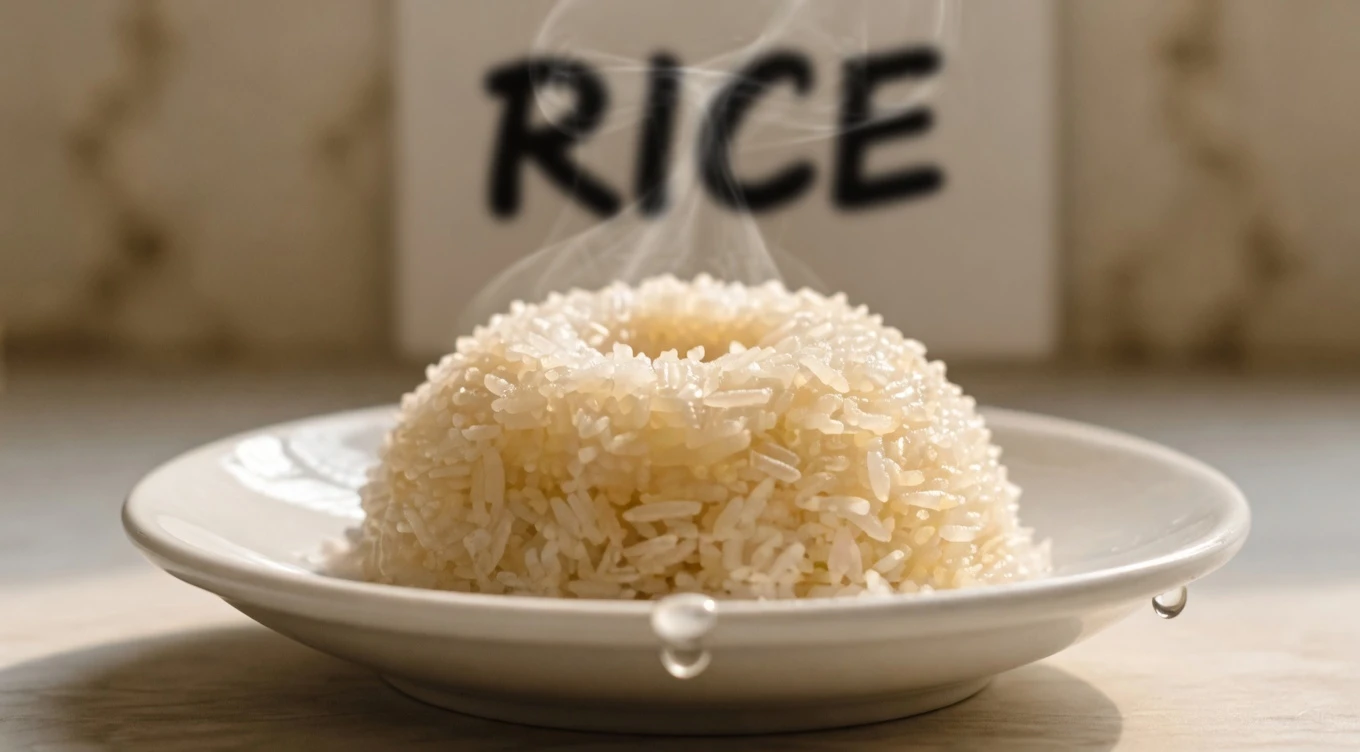
Kidney-Friendly Rice Comparison (Approximate Per 1 Cup Cooked)
Below is a simple side-by-side summary using commonly referenced renal nutrition values (including DaVita-style estimates). Exact numbers vary by brand and cooking method.
-
White Rice
- Potassium: 50–55 mg
- Phosphorus: 60–70 mg
- Glycemic index: Medium–High
- Best for: Low-mineral everyday base
-
White Basmati Rice
- Potassium: Similar to white rice
- Phosphorus: Similar to white rice
- Glycemic index: ~50–58 (moderate)
- Best for: More balanced energy
-
White Jasmine Rice
- Potassium: Similar to white rice
- Phosphorus: Similar to white rice
- Glycemic index: Medium
- Best for: Soft texture and gentle digestion
Practical Ways to Make These Rice Choices Work
Use these strategies to keep rice kidney-supportive and meal-friendly:
- Rinse thoroughly
- Wash rice 3–5 times under running water until the water runs clearer to remove excess starch and improve texture.
- Keep portions realistic
- Start around 1/2 to 2/3 cup cooked per meal, then adjust with your clinician’s guidance.
- Cook “lighter”
- Boil rice in extra water and drain the excess for a fluffier, less sticky result.
- Pair with kidney-friendly sides
- Build flavor with herbs, garlic, lemon, and kidney-appropriate seasonings.
- Add low-potassium vegetables and suitable protein portions to round out the plate.
- Consider enriched white rice
- Some white rice is enriched with B vitamins; check labels to match your nutrition plan.
A Simple Timeline to Transition Without Stress
- Weeks 1–2
- Eat 1/2–2/3 cup cooked daily
- Focus on rinsing and basic boiling
- Watch for improved comfort after meals
- Weeks 3–4
- Increase to 2/3–1 cup cooked if appropriate
- Add kidney-friendly sides for variety and satisfaction
- Many people notice steadier daily energy
- Week 5 and beyond
- Rotate between white, basmati, and jasmine
- Use herbs and low-mineral flavor boosters
- Aim for consistent comfort and routine
Bonus Prep Habits Many People Miss
Rinsing rice isn’t just tradition—it can noticeably improve texture by reducing excess starch. Another overlooked method is cooking with extra water and draining, which often produces a lighter, less dense final dish. Over time, these small steps can make meals feel easier and more enjoyable.
Imagine a month from now: meals feel nourishing, energy is more stable, and that subtle heaviness is less frequent. Start with one rice variety this week and build from there.
FAQ
Is white rice truly better than brown rice for kidney support?
Often, yes. Brown rice contains more potassium and phosphorus because it retains the bran and germ. When these minerals must be limited, white rice is commonly preferred, consistent with guidance frequently referenced in renal education resources like DaVita.
Can I eat these types of rice every day?
It depends on your CKD stage, lab values, medications, and total diet pattern. Many people can include rice regularly, but portion size and overall mineral balance matter. A registered dietitian can tailor the best approach for you.
Does rinsing rice make a meaningful difference?
Rinsing mainly reduces surface starch, improving texture and helping rice feel less heavy. Some leachable components may be reduced slightly, but the biggest consistent benefit is better digestibility and a lighter final dish—why many renal-friendly cooking tips include it.
Medical Disclaimer
This content is for informational purposes only and is not a substitute for medical advice. If you have CKD or any kidney-related condition, consult your healthcare provider or a registered dietitian before changing your diet, as individual needs vary based on lab results, medications, and disease stage.