
Kidney-Friendly Fruits for Seniors: 5 Smart Choices for Daily Support
As we move into our later years, kidney health often becomes more important because natural aging can slow the body’s ability to filter fluids and remove waste efficiently. This gradual shift may show up as mild fatigue, puffiness, or fluid retention, making day-to-day life feel a bit heavier than before. The encouraging part is that simple food choices—especially the right fruits—can support a balanced lifestyle.
This guide highlights five fruits commonly recommended for older adults due to their generally kidney-friendly nutrient profiles: apples, blueberries, strawberries, red grapes, and pineapple. And at the end, you’ll find a simple (and unexpectedly enjoyable) way to combine them.

Why Seniors Often Choose Kidney-Friendly Fruits
Supporting kidney function later in life often starts with more mindful nutrition. Many fruits provide fiber, vitamins, hydration, and antioxidants without being overly heavy in minerals that some people need to limit.
Organizations such as the National Kidney Foundation frequently emphasize choosing fruits that are typically lower in potassium and phosphorus, particularly for individuals who are actively monitoring these nutrients.
In addition, healthy aging is closely linked to managing oxidative stress—a process associated with cellular wear over time. Research discussed in publications such as the Journal of Medicinal Food suggests that antioxidant-rich foods may help the body handle that stress more effectively.
1. Apples: An Everyday Fruit That Fits Almost Anywhere
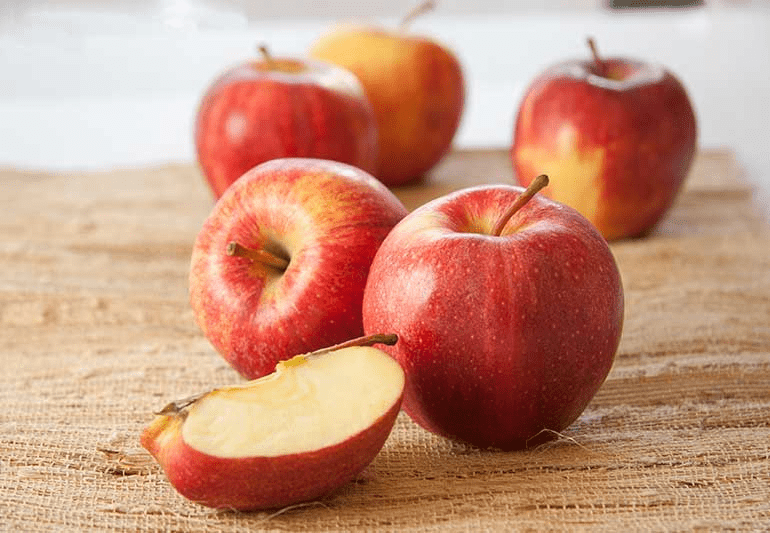
Apples are a practical, widely available option that pairs well with kidney-conscious eating. One reason they stand out is their soluble fiber, especially pectin, which supports digestion and helps the body eliminate waste smoothly.
Apples are also known for being naturally lower in potassium and phosphorus compared with many fruits. USDA nutrition references list a medium apple at roughly 195 mg of potassium, making it a more moderate choice for many seniors.
- Simple ways to eat them: Slice an apple for a light snack or add it to oatmeal for natural sweetness.
- Why it may help: Better bowel regularity can reduce the overall “load” on the body’s waste-removal systems.
Some findings reported in the American Journal of Clinical Nutrition also associate regular apple intake with improvements in metabolic health—an area closely tied to long-term wellness.
2. Blueberries: Small Fruit, Strong Antioxidant Profile
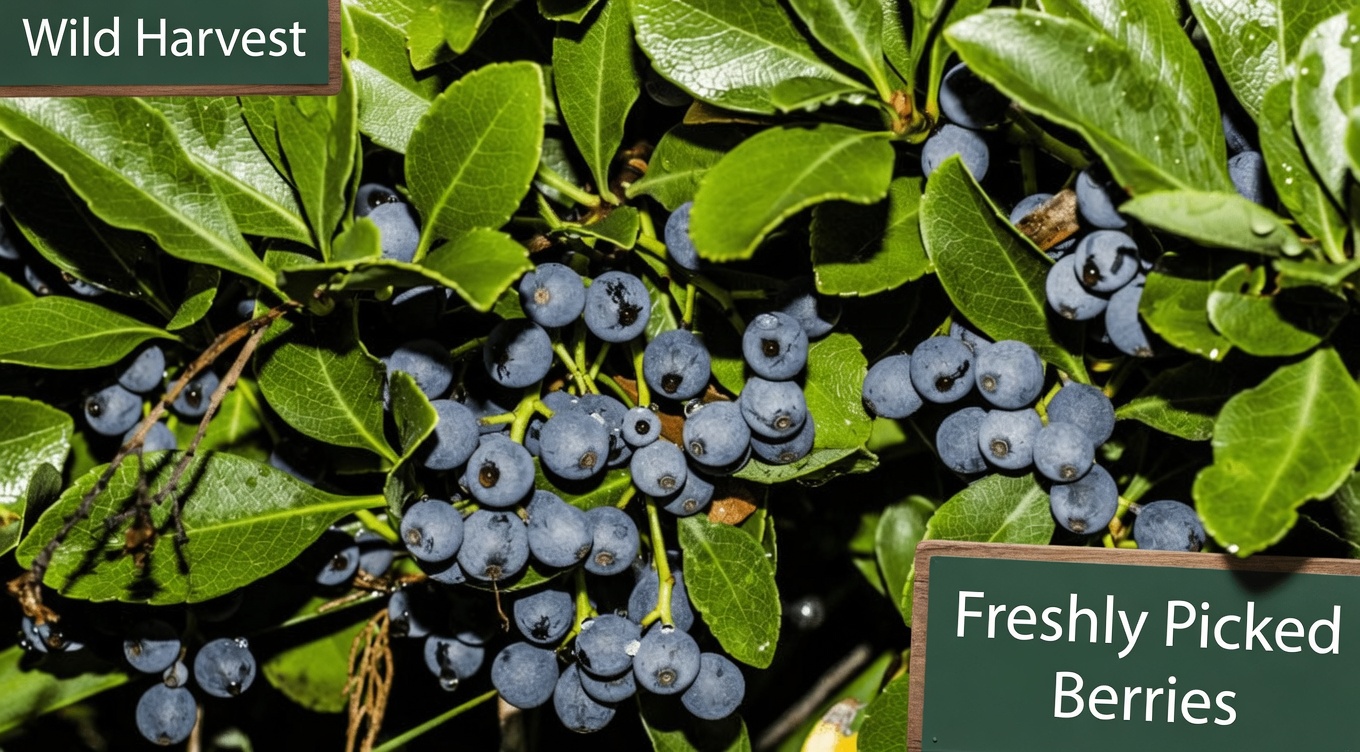
Blueberries earn attention for their rich blue-purple color, which reflects their anthocyanin content—antioxidants that have been studied for potential roles in inflammation control and cellular protection.
They’re also relatively gentle from a mineral standpoint. One cup contains about 114 mg of potassium, which makes blueberries a popular pick for people aiming to keep mineral intake reasonable.
- Easy to add to meals: Mix into yogurt, oatmeal, or blend into a light smoothie.
- Why seniors like them: They deliver strong flavor and antioxidants without feeling “heavy.”
Studies published in journals such as the Journal of Agricultural and Food Chemistry have explored how blueberry antioxidants may help defend the body from everyday oxidative stress.
3. Strawberries: Fresh Flavor with Vitamin C Support
Strawberries offer a bright, refreshing taste while providing nutrients such as vitamin C and manganese, both connected to immune support and energy metabolism.
They’re also a low-sodium fruit and have moderate potassium compared with many alternatives—about 250 mg per cup (USDA estimates). Vitamin C also functions as an antioxidant, and research discussed in the journal Nutrients has examined its role in protecting tissues from oxidative damage.
- Practical serving ideas: Eat them fresh, add to salads, or use them as a naturally sweet dessert swap.
- Added benefit: They help make healthier routines feel enjoyable rather than restrictive.
4. Red Grapes: A Juicy Source of Resveratrol
Red grapes are well known for resveratrol, a plant compound concentrated in the skins. Resveratrol has been widely studied for its potential link to anti-inflammatory and antioxidant effects, which may matter for whole-body health as we age.
A cup of red grapes provides roughly 288 mg of potassium, which is still lower than many higher-potassium fruits and can fit into mindful portions.
Some research covered in the American Journal of Kidney Diseases has discussed how resveratrol may support vascular health, which can indirectly benefit organs dependent on healthy circulation—including the kidneys.
- Easy ways to enjoy: Freeze grapes for a refreshing snack or add a handful to a light plate with cheese.
- Why they’re senior-friendly: Their soft texture makes them easy to chew and naturally hydrating.
5. Pineapple: A Tropical Option with Bromelain
Pineapple is a flavorful change of pace and contains bromelain, an enzyme studied for its potential anti-inflammatory and digestive-support properties. While pineapple may not be the first fruit people think of for kidney-focused eating, its nutrient profile can make it a helpful option in many balanced diets.
It’s relatively moderate in potassium at about 180 mg per cup, and it tends to be lower in phosphorus than many tropical fruits.
Bromelain has been explored in research including the Journal of Medicinal Food, especially for possible roles in digestion and swelling reduction.
- How to use it: Add pineapple to smoothies, mix into fruit bowls, or grill it for a warm side.
- Why it fits well: Its fresh taste encourages fluid intake, supporting hydration habits.
Quick Nutrient Comparison (Approximate USDA Values)
Below is a simplified nutrient snapshot per typical serving size, using approximate USDA data.
| Fruit | Potassium (mg) | Phosphorus (mg) | Key highlight |
|---|---|---|---|
| Apple (medium) | ~195 | ~20 | Soluble fiber for digestive support |
| Blueberries (1 cup) | ~114 | ~18 | Anthocyanins for antioxidant protection |
| Strawberries (1 cup) | ~250 | ~40 | Vitamin C for immune and tissue support |
| Red grapes (1 cup) | ~288 | ~30 | Resveratrol linked to inflammation support |
| Pineapple (1 cup) | ~180 | ~13 | Bromelain for digestion and swelling comfort |
How to Add These Fruits to Your Day (Simple, Realistic Steps)
Building a routine is easier when the changes are small and consistent. Try these approaches:
- Start with breakfast: Add blueberries to oatmeal or yogurt for an easy upgrade.
- Make a balanced fruit mix: Combine apple, strawberries, and pineapple for a refreshing bowl (keep portions moderate, around 1–2 cups/day depending on your needs).
- Notice how you feel: Track digestion, energy, and fullness to find what works best for you.
- Pair thoughtfully: Enjoy fruit with a little protein (for example, a small portion of nuts if appropriate) to stay satisfied longer.
- Choose fresh or frozen most often: These options usually make it easier to manage portions and mineral intake compared with dried fruit.
Variety also helps. Fruits like pears or watermelon can complement these choices and add more hydration-friendly options.
Summary: Flavorful, Kidney-Conscious Fruit Choices for Better Aging
Apples, blueberries, strawberries, red grapes, and pineapple can be excellent additions to a senior-friendly eating pattern. Their generally lower potassium and phosphorus levels, combined with fiber and antioxidant content, make them popular options for those aiming to support kidney health through food.
And here’s the promised twist: blend a “kidney-friendly fruit smoothie” by mixing small portions of these fruits with water and a squeeze of lemon. It’s a refreshing way to hydrate while enjoying multiple flavors—and it’s often easier to keep consistent than trying to eat everything separately.