Thick, Yellow Toenails: What to Do While You’re Waiting for a Doctor’s Visit
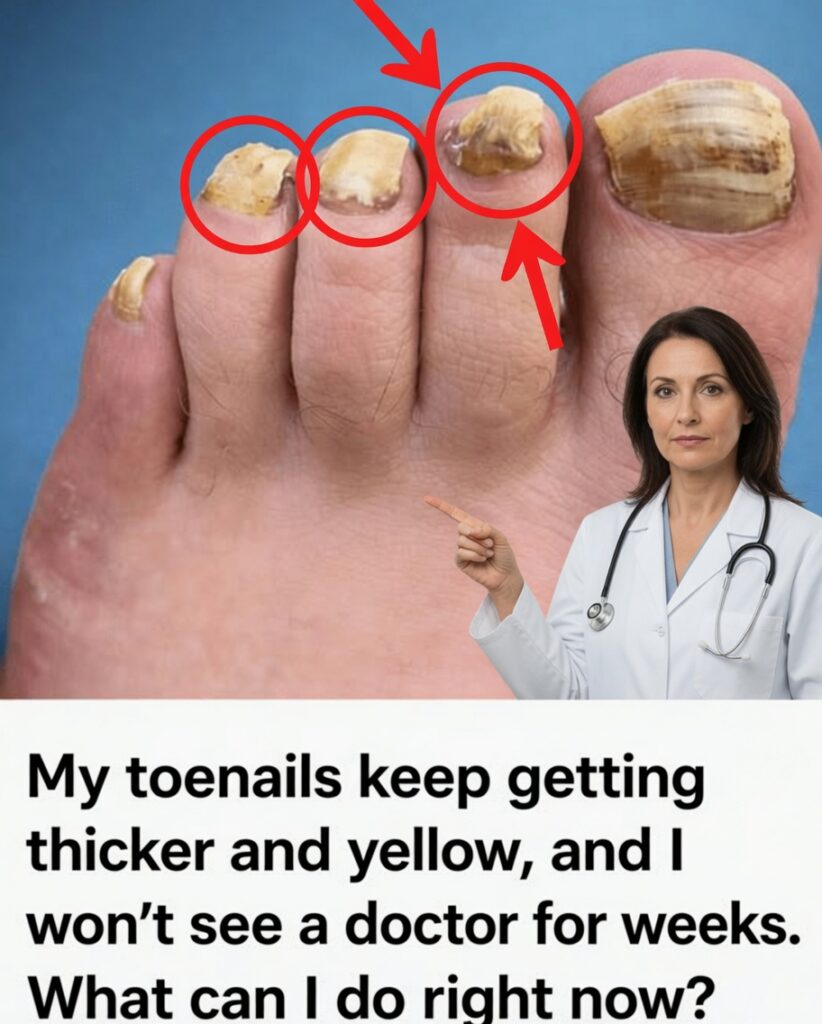
Thick, yellow toenails can be uncomfortable, embarrassing, and hard to ignore. You may find your nails becoming difficult to cut, turning yellowish, or even starting to lift away from the nail bed. If your appointment is weeks away, it’s normal to worry that the problem might worsen in the meantime.
The reassuring news: there are safe, practical steps you can start today to protect your nails, reduce further damage, and support a healthier appearance. Also, one surprisingly simple habit near the end of this article can make a bigger difference than many people expect.
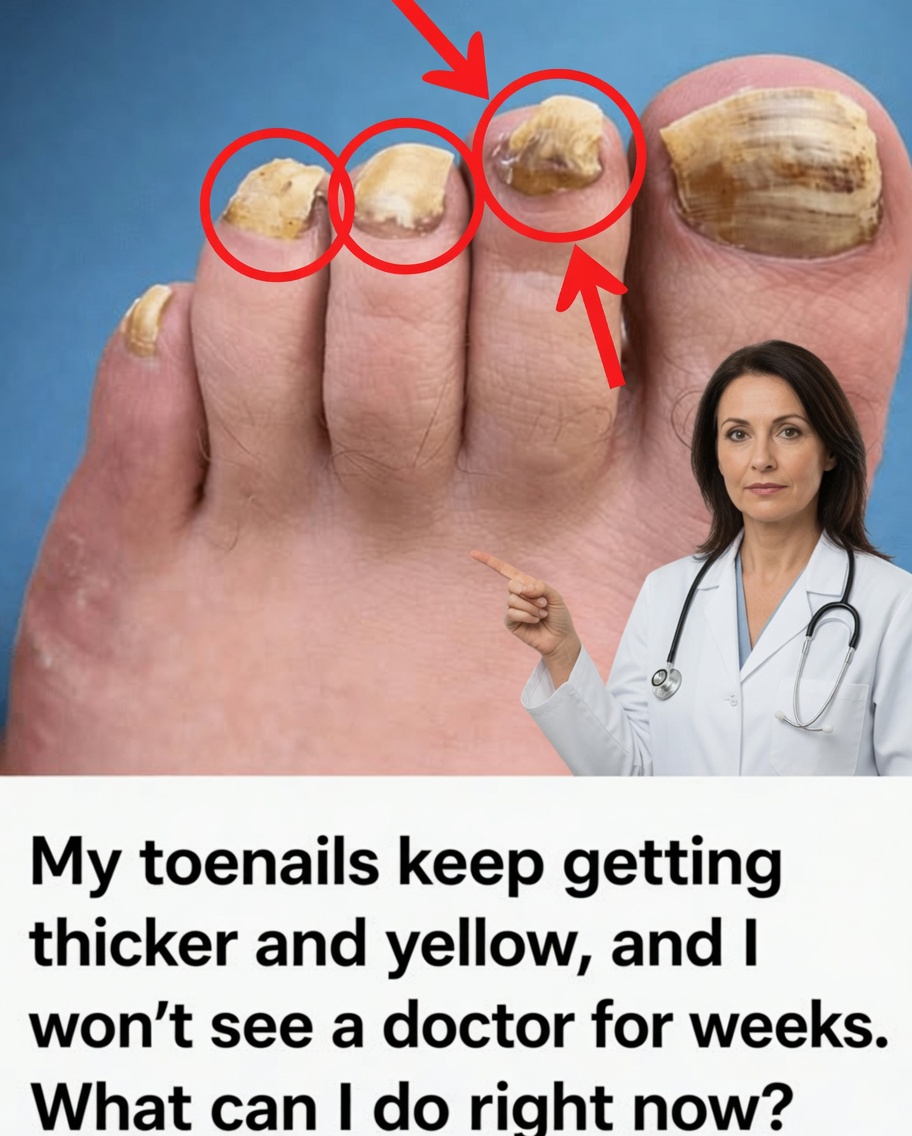
Why Toenails Turn Thick and Yellow
Before trying any at-home care, it helps to understand what could be causing the change.
One of the most common reasons is fungal nail infection (onychomycosis). The American Academy of Dermatology notes that nail fungus is widespread—especially in adults—and it often thrives in warm, moist environments, like sweaty shoes.
However, fungus isn’t the only explanation. Thick, discolored toenails can also be influenced by:
- Ongoing pressure from tight or narrow shoes
- Small but repeated nail trauma or injury
- Age-related nail changes
- Psoriasis or other skin conditions
- Inconsistent or poor foot hygiene
A key takeaway: nail thickening usually develops gradually. That also means small daily habits can add up to meaningful improvement over time.
What to Monitor While You Wait
Until you’re able to see a healthcare professional, keep an eye on how your toenails change. Watch for:
- Nails getting thicker over time
- Yellow, brown, or white discoloration
- Brittle or crumbly nail edges
- An unpleasant odor
- Nail separation from the nail bed
If you develop pain, swelling, spreading redness, or drainage, don’t wait—seek urgent medical care, as these may signal infection or complications.
Step 1: Trim and Thin Thick Toenails the Safe Way
Thick nails tend to trap moisture and debris. Regular trimming helps reduce pressure inside shoes and can make the nail look and feel better.
Do it safely with these steps:
- Soak feet in warm water for 10–15 minutes to soften the nail.
- Dry thoroughly—especially between the toes.
- Use clean, sharp nail clippers.
- Cut straight across to reduce the risk of ingrown nails.
- Carefully file thick areas with an emery board or nail file.
Important: Don’t dig under the nail. That can create tiny injuries where microorganisms can grow.
Step 2: Keep Your Feet Dry (This Matters More Than You Think)
Excess moisture is a major factor in nail issues linked to fungal overgrowth. Fungi do best in warm, damp conditions—so daily routines strongly influence the outcome.
Try these consistent, low-effort changes:
- Change socks at least once daily (twice if you sweat a lot)
- Choose breathable socks (cotton or moisture-wicking materials)
- Rotate shoes so each pair can dry fully between wears
- Avoid tight, non-ventilated footwear
Simple actions, repeated every day, often outperform “intense” treatments done occasionally.
Step 3: Use Over-the-Counter Topical Antifungal Products
Many pharmacies sell non-prescription antifungal creams or nail solutions. These aren’t instant cures, but they may help reduce surface fungal activity when used consistently.
Common active ingredients include:
- Clotrimazole
- Miconazole
- Tolnaftate
Apply only to clean, completely dry nails, following the product directions.
Be realistic about timing: toenails grow slowly. A full toenail replacement can take 12–18 months, so improvement tends to be gradual.
Step 4: Disinfect Nail Tools and Shoes to Prevent Re-Exposure
If fungus is part of the problem, reinfection is common—especially when tools or footwear keep spreading organisms back to the nail.
Reduce that risk by:
- Wiping nail clippers with rubbing alcohol after every use
- Washing socks using hot water, when fabric allows
- Spraying the inside of shoes with an antifungal spray
- Never sharing nail tools
These small hygiene steps can help stop the cycle of repeated exposure.
Step 5: Improve Nail Surface Care (Gently)
Light filing can make thick nails feel smoother and look less bulky.
- Use a fine nail file about once per week
- File lightly—avoid aggressive thinning
- Stop if you feel pain or irritation
You can also moisturize the surrounding skin (around the cuticle and toe) with a breathable moisturizer. Healthy skin around the nail supports a better environment for nail growth.
What to Avoid While Waiting
Sometimes avoiding the wrong habits matters as much as starting the right ones. Try not to:
- Use gel nails or artificial nail coverings
- Keep thick nail polish on for long periods (it can trap moisture)
- Cut or damage the cuticles
- Pick at the nail or try to peel it back
- Ignore symptoms that clearly worsen
Covering discoloration may feel tempting, but sealed layers can hold moisture underneath—exactly what you don’t want.
Lifestyle Habits That Support Stronger Nails
Toenail health is often a local issue, but overall wellness still matters. Support your body with:
- Balanced nutrition with enough protein
- Adequate hydration
- Good blood sugar control if you have diabetes
- Daily foot washing and thorough drying
People with weakened immune function may experience nail problems more frequently, so general health maintenance can help nails stay more resilient.
Quick Comparison: What Helps vs. What Makes It Worse
Helpful habits
- Gentle, regular trimming
- Dry socks + breathable shoes
- Disinfecting nail tools
- Consistent OTC topical use
- Letting nails “breathe”
Unhelpful habits
- Tight shoes with constant pressure
- Leaving feet damp after bathing or sweating
- Thick, long-wear nail polish layers
- Sharing nail clippers or files
- Waiting too long despite worsening symptoms
Long-term results usually come from simple habits repeated daily.
When You Should Try to Be Seen Sooner
Even if your appointment is scheduled weeks out, certain symptoms call for earlier medical evaluation. Seek care sooner if you notice:
- Increasing or persistent pain
- Swelling around the nail
- Pus or fluid drainage
- Fever
- Discoloration spreading rapidly
These signs may indicate infection or complications that need prompt treatment.
The One Habit Most People Forget (But It Can Prevent Reinfection)
Many people focus only on the nail itself—and overlook the surrounding environment.
Regularly clean and thoroughly dry your shower floor, especially in shared bathrooms. Public showers (gyms, pools, locker rooms) and damp home surfaces can be common sources of re-exposure. In public shower areas, wearing shower sandals can reduce repeated contact.
This small environmental change often delivers more impact than expected.
What to Expect in the Next Few Weeks
Even with excellent care, dramatic changes won’t happen overnight. Toenails typically grow about 1–2 mm per month, so visible improvement takes time.
Instead of expecting an instant transformation, look for subtle progress such as:
- Less brittleness
- Reduced debris buildup under the nail
- No further thickening
- Healthier skin around the nail
If the condition stabilizes, that’s still meaningful progress.
Frequently Asked Questions
Can thick, yellow toenails clear up without treatment?
In mild cases, discoloration may improve with better moisture control and hygiene. But persistent thickening often needs professional assessment to identify the cause and best treatment.
Is weekly filing safe for thick toenails?
Gentle filing is generally safe if it doesn’t cause pain or bleeding. If you have diabetes, poor circulation, or nerve problems, consult a healthcare professional before thinning nails at home.
Do vinegar soaks help?
Some people use diluted vinegar soaks to create a less favorable environment for fungal growth. Evidence is limited, but it’s typically low risk when properly diluted. It should not replace medical care if symptoms worsen.
Final Thoughts
Thick, yellow toenails can be frustrating—especially when you’re stuck waiting for an appointment. Still, you can take control of the situation now. By trimming safely, keeping feet dry, disinfecting tools and shoes, improving daily hygiene, and choosing breathable footwear, you create conditions that support healthier-looking nails and reduce further damage while you wait for professional guidance.