Joint Pain After 50: 3 Everyday Spices That May Help You Move More Comfortably
Joint soreness and stiffness can turn ordinary activities into a struggle—especially with age. For many adults over 50, aches in the knees, fingers, hips, or back make simple moments (like getting out of bed, opening jars, or holding a mug) feel far harder than they should.
According to CDC data, arthritis is extremely common in the U.S., with prevalence reaching about 44% among adults ages 50–74. For millions of people, that means disrupted sleep, reduced mobility, and a noticeable drop in daily quality of life. While over-the-counter products may offer short-term relief, side effects and limitations often push people to look for gentler, food-first ways to support joint comfort.
The encouraging part: several common kitchen spices contain bioactive compounds that research links with anti-inflammatory and antioxidant activity—two key areas connected to joint health. Below are the top 3 spices worth knowing about: black pepper, cinnamon, and cloves. They are not cures, but used consistently in a balanced diet, they may help support your body’s natural inflammatory response. Stay to the end for easy ways to use them daily—and a popular “bonus combo” many readers stick with.
Why Joint Stiffness Often Gets Worse After 50
After 50, joints have typically accumulated decades of use. Over time:
- Cartilage naturally thins
- Low-grade inflammation may increase
- Stiffness can last longer, especially in the morning or after sitting
The CDC also reports that over 50 million U.S. adults live with arthritis, and many experience moderate to severe pain that interferes with routine life—work, hobbies, exercise, and even time with family.
Rest, topical creams, and occasional pain relievers can help temporarily, but they don’t always support the bigger picture of ongoing inflammation. That’s where diet may matter: certain foods and spices provide compounds that may gently support inflammatory balance—often with fewer downsides than frequent medication use.
Quick self-check: On a scale of 1–10, how much does joint stiffness affect your mornings today? Keep that number in mind.
How Spices May Support Joint Health (What the Research Suggests)
Many spices are naturally rich in polyphenols and other bioactive components that help the body manage:
- Oxidative stress (damage linked to aging and inflammation)
- Inflammatory signaling (including cytokines)
One surprising research-based detail: a particular spice ranks extremely high in antioxidant capacity using ORAC measurements (a method used to estimate antioxidant potential), even outperforming well-known antioxidant foods like blueberries.
Now, let’s look at the top three—starting with a simple staple that plays a bigger role than most people realize.
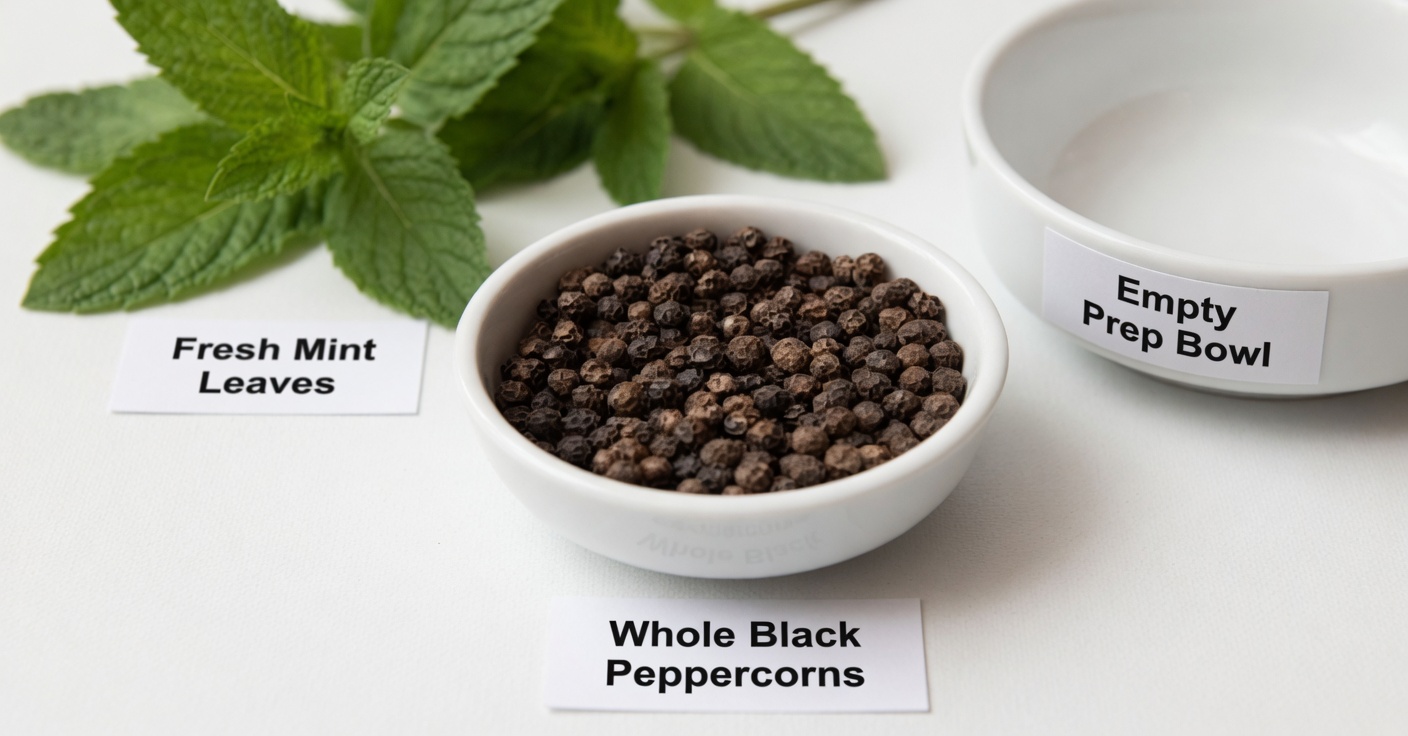
Spice #3: Black Pepper (The “Absorption Helper”)
Black pepper may look like the most basic seasoning in your kitchen, but its standout compound—piperine—has earned attention for more than taste. Research (including animal models of arthritis) suggests piperine may help reduce inflammatory signaling and support lower swelling.
A second benefit makes black pepper especially useful: it can increase the bioavailability (absorption and effectiveness) of other beneficial compounds—famously including turmeric’s curcumin.
Example: Linda, 58, an accountant in Texas, found finger stiffness made typing uncomfortable. After consistently using freshly ground black pepper on meals, she reported that her hands felt looser over the following weeks and work became easier.
Tip many people miss: Grind black pepper right before eating to help preserve more of its active compounds.
If your swelling or stiffness is above 5/10, this is an easy, low-effort place to start. Next up is a spice known for warmth and comfort.
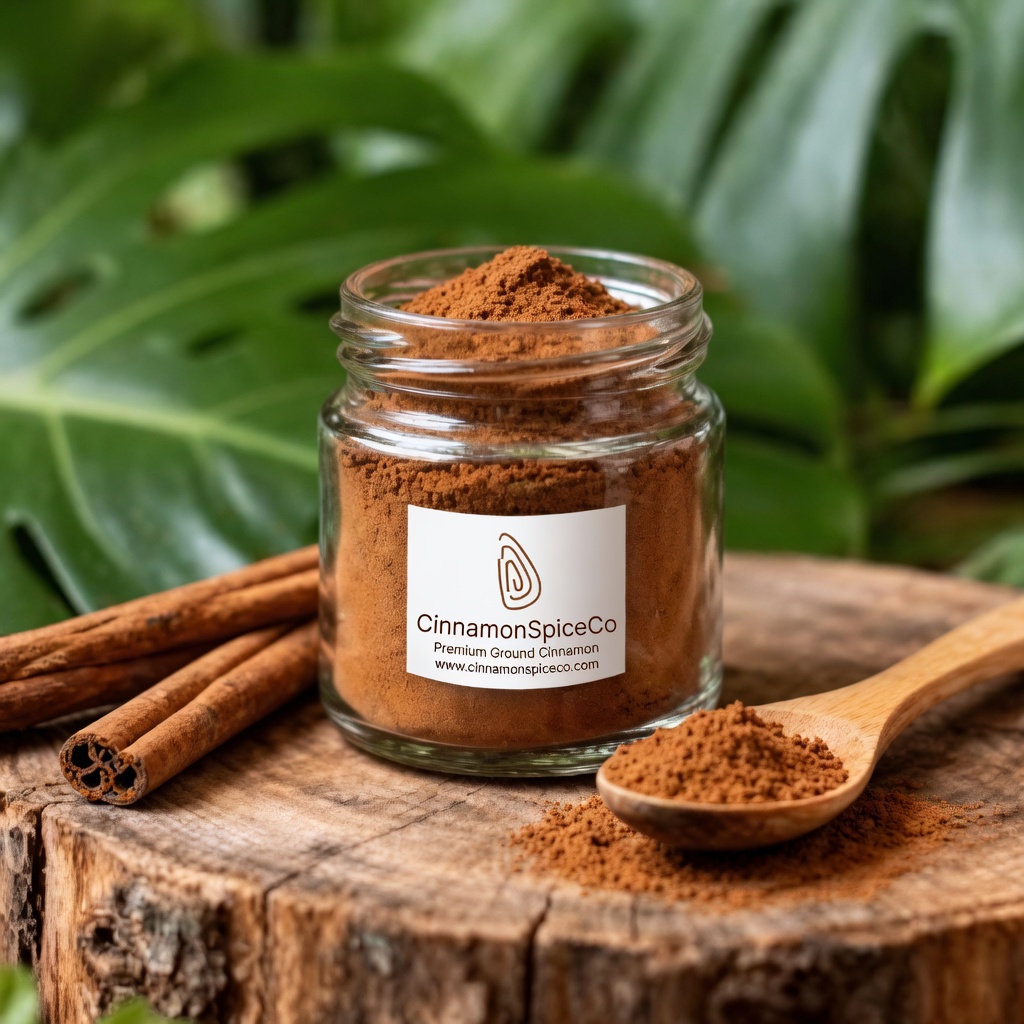
Spice #2: Cinnamon (A Gentle Daily Soother)
Cinnamon is widely loved for its flavor, but its value may extend beyond sweetness. Its key compound, cinnamaldehyde, has been studied for potential effects on inflammatory markers such as CRP and TNF-alpha.
Some clinical research—including trials involving women with rheumatoid arthritis—has found that regular cinnamon intake may support reduced symptoms and improved inflammatory profiles over time.
Example: David, 65, a veteran in California, dealt with ongoing hip discomfort. He began adding Ceylon cinnamon to oatmeal every morning. By about week four, he noticed less morning stiffness and more energy for daily walks—friends even commented that he seemed to move more freely.
Why cinnamon may help (indirectly too):
- It may support healthier circulation
- It may help with blood sugar stability, which can influence inflammation overall
Quick mid-article check-in:
- How many spices so far? 2
- What is your main joint issue right now?
- Rate your stiffness again (1–10). Has it changed even slightly?
Now for the spice that stands out most for antioxidant strength.
Spice #1: Cloves (The Antioxidant Powerhouse)
Cloves offer one of the highest antioxidant levels among common spices. Their signature compound, eugenol, is a major reason cloves perform so strongly in antioxidant comparisons (including ORAC).
Animal studies suggest eugenol may:
- Help reduce swelling
- Support tissue protection
- Influence inflammatory pathways tied to arthritis-like symptoms
Example: Sarah, 61, in New York experienced intense hand pain in the mornings. She began drinking warm clove tea at night. The warming effect felt soothing quickly, and with continued use she noticed improved comfort—enough to get back to gardening more consistently.
Best-use tip: Lightly crush whole cloves and steep them in warm water for about 10 minutes to encourage greater eugenol release.
Why Using These Spices Consistently Matters (Real-Life Results)
Many people report the biggest improvements when they use these spices daily, not occasionally. For instance, John, 67, a hiker in Colorado, started combining cloves, cinnamon, and black pepper in meals and warm drinks. Over time, he felt more capable on trails again, and his doctor noted positive changes alongside his healthier habits.
The takeaway: small daily actions can compound into noticeable comfort.
Bonus absorption tip: Pair these spices with healthy fats (like olive oil, nuts, or milk) to help your body use fat-soluble compounds more effectively.
Spices vs. Common Relief Options (A Practical Comparison)
-
Cloves, cinnamon, black pepper
- Goal: Support the body’s natural inflammatory balance
- Side-effect risk (food amounts): Generally low
- Use style: Everyday dietary habit
-
Over-the-counter pain relievers
- Goal: Primarily block pain signals short-term
- Potential concerns: Stomach irritation and other risks with frequent use (varies by medication)
- Use style: Symptom management
-
Topical creams
- Goal: Local, temporary relief
- Potential concerns: Skin irritation for some
- Use style: Short-term, area-specific support
These spices stand out as accessible pantry staples that can fit into a long-term wellness approach.
Simple Ways to Add These Spices Every Day
Start gently and increase slowly:
- Weeks 1–2: Add a small pinch of each to meals, coffee, tea, or warm milk.
- Weeks 3–4: Aim for a combined total of roughly ½–1 teaspoon per day across foods and drinks.
- After 1 month: Use them as a regular blend for ongoing support.
Easy Nighttime Recipe: Golden Milk (Cinnamon + Pepper + Cloves)
- Warm milk (or a plant-based alternative).
- Stir in:
- ½ tsp Ceylon cinnamon
- A pinch of freshly ground black pepper
- A pinch of ground cloves
- Lightly sweeten if desired.
- Drink in the evening as a consistent habit.
The Most Important Habit: Make It Automatic
The real advantage comes from consistency. These three spices can complement each other, offering broader support than using one occasionally. Imagine 30 days from now: smoother mornings, more movement, and less hesitation when you stand up, bend down, or go for a walk.
If you want a simple starting point, pick one spice today and use it daily for a week—then add the others.
Medical note: This article is for informational purposes only and is not medical advice. If you have a health condition, are pregnant, or take medications (including blood thinners), speak with a qualified healthcare professional before making major dietary changes.
FAQ
Can these spices replace my current joint pain treatment?
No. They may offer diet-based support, but they are not a substitute for medical care or prescribed treatments. Discuss changes with your clinician.
What type of cinnamon is best for regular use?
Ceylon cinnamon (“true cinnamon”) is typically preferred for frequent use because it is lower in coumarin than Cassia cinnamon.
How soon could I notice a difference?
Many people report subtle changes within 1–4 weeks of consistent use, though results vary. Think long-term habits, not instant fixes.
P.S. Bonus combo many committed readers use daily: Ceylon cinnamon + freshly ground black pepper + cloves in a nightly golden milk routine for amplified, consistent support.