
Living with arthritis often means coping with ongoing joint pain, morning stiffness that can last for hours, and reduced range of motion that interferes with everyday life. For many adults over 50, common strategies—such as exercise programs or popular supplements—may help somewhat but still leave persistent discomfort. Emerging research suggests that mineral status can influence inflammation and cartilage maintenance, and that improving certain mineral intakes through diet may offer supportive benefits for people managing arthritis symptoms.
This guide breaks down three minerals frequently discussed in joint-health research—magnesium, zinc, and boron. You’ll learn what the evidence suggests, which foods provide them, and practical ways to add them to your routine. If you’re looking for simple, food-first changes that may complement your current arthritis plan, these nutrients are worth your attention.
Why Minerals Matter for Joint Health in Arthritis
Both osteoarthritis and rheumatoid arthritis involve inflammation and gradual changes to joint tissues. Multiple studies indicate that many adults—especially those with chronic conditions—can have suboptimal mineral levels, which may influence inflammatory pathways and tissue repair.
For instance, population-based research has reported links between lower magnesium status and increased likelihood of arthritis. Other scientific reviews discuss how trace minerals such as zinc and boron may affect inflammation balance, immune activity, and cartilage-related processes.
Minerals are not standalone treatments, but improving daily intake through regular meals can be a practical way to support overall joint function, mobility, and well-being.
Mineral #1: Magnesium — Muscle Relaxation and Inflammation Balance
Magnesium supports more than 300 enzymatic processes, including functions tied to muscle relaxation, nerve signaling, and inflammatory regulation. This is relevant for arthritis because tight muscles, poor sleep, and inflammatory flare patterns can all amplify joint discomfort.
Some experimental and observational research suggests that magnesium may be associated with:
- Lower inflammatory markers
- Better cartilage-supporting activity in models
- Lower arthritis risk or symptom burden in some population data (though findings are not uniform)
A common challenge: many people do not consistently meet magnesium needs through diet alone.

Practical ways to get more magnesium
- Food-first sources
- Pumpkin seeds (about 1/4 cup is a strong source)
- Cooked spinach (1 cup)
- Almonds
- Dark chocolate (in moderation)
- Supplement forms often discussed for absorption
- Magnesium glycinate is frequently mentioned for tolerability
- Typical ranges commonly referenced: 300–400 mg elemental magnesium/day, often taken in the evening
- Epsom salt baths (magnesium sulfate)
- Often used for relaxation: 1–2 cups in warm water, 2–3 times per week
Tip: Pairing magnesium-rich foods with vitamin B6-containing foods (such as bananas or chickpeas) is sometimes recommended for additional nerve and muscle comfort support.
If morning stiffness is one of your biggest issues, consider tracking changes over 2–4 weeks after improving magnesium intake.
Mineral #2: Zinc — Immune Regulation and Tissue Support
Zinc is essential for immune function, wound repair, and collagen-related processes, all of which matter for joint tissues. Research findings vary, but zinc frequently appears in scientific discussions about arthritis because:
- Some studies report lower zinc levels in certain arthritis populations
- Reviews describe zinc’s potential role in modulating inflammatory pathways
- Lab and animal research suggests zinc may help support cartilage matrix integrity
Adequate zinc intake can be helpful, but balance matters. Long-term high-dose zinc may interfere with copper status, so a commonly cited approach is maintaining roughly a 10:1 zinc-to-copper balance when supplementing.

Practical ways to increase zinc intake
- Food sources
- Oysters (one of the richest sources)
- Beef and poultry
- Pumpkin seeds
- Legumes
- If supplementing
- Forms such as zinc picolinate are commonly discussed
- Typical supplemental range often referenced: 15–30 mg elemental zinc/day, taken with food
Because both low and excessive intake can cause problems, a food-first approach is usually the simplest and safest starting point unless a clinician advises otherwise.
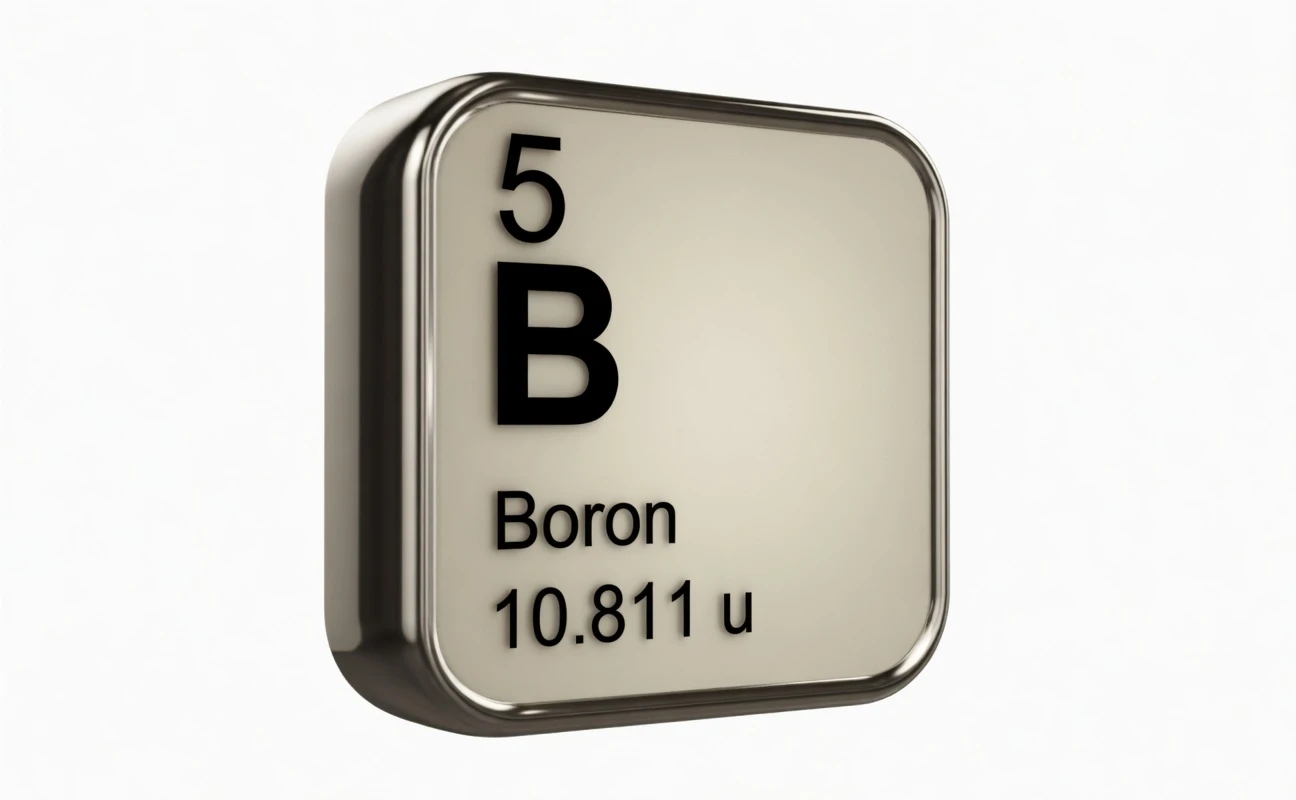
Mineral #3: Boron — Trace Support for Bone and Cartilage
Boron is less well-known, but it appears in research related to bone metabolism, cartilage support, and joint comfort. Observational data has reported lower arthritis rates in regions where boron intake is higher (often described around 3–10 mg/day) compared with low-intake areas.
Some controlled research (including older trials) has suggested that boron supplementation (around 6 mg/day) may improve joint function and reduce discomfort in some participants. Proposed mechanisms include effects on:
- Vitamin D activation
- Inflammatory enzyme activity
- Mineral retention, including calcium and magnesium
Easy boron-rich foods to add
- Prunes and raisins
- Avocados
- Nuts (including almonds)
- Apples
A practical target often discussed is 3–6 mg/day from diet, with low-dose supplementation considered only if needed and approved by a healthcare professional.
Magnesium vs Zinc vs Boron: Quick Comparison
- Magnesium
- Potential focus: muscle relaxation, inflammation balance
- Common foods: pumpkin seeds, spinach, almonds
- Typical daily target: 300–420 mg
- Zinc
- Potential focus: immune regulation, tissue building
- Common foods: oysters, beef, pumpkin seeds
- Typical daily target: 8–11 mg (higher needs may apply in some cases)
- Boron
- Potential focus: bone/cartilage maintenance
- Common foods: prunes, avocados, nuts
- Common daily range discussed: 3–6 mg
A varied diet that includes all three may provide broader support than focusing on only one.
A Simple 90-Day Plan to Add These Minerals
Small, consistent changes are often easier to maintain than major dietary overhauls. Here’s one structured approach:
- Weeks 1–4: Build magnesium consistency
- Add spinach to eggs or soups
- Snack on pumpkin seeds several days per week
- Weeks 5–8: Add steady zinc sources
- Include lean meat, legumes, or seeds daily
- Weeks 9–12: Increase boron-rich foods
- Add prunes a few times per week or use avocado regularly
Sample day of meals
- Breakfast: Spinach omelet topped with pumpkin seeds
- Lunch: Salmon salad with avocado
- Dinner: Turkey stir-fry with greens
- Snack: Almonds or a small portion of dark chocolate
To stay objective, track a few simple metrics weekly:
- Morning stiffness duration
- Ease of walking or climbing stairs
- Comfort during routine activities
Many people who benefit report gradual changes over 4–12 weeks, especially when intake is consistent.
Bonus: How These Minerals May Support Daily Life Beyond Joints
While the focus here is joint comfort, adequate mineral intake is also linked in research discussions to broader quality-of-life factors, such as:
- Sleep quality and relaxation (often associated with magnesium)
- Energy and general resilience
- Mood stability, which can be challenged by chronic discomfort
These supportive effects may indirectly help arthritis management by improving daily function and recovery.
Conclusion
Increasing magnesium, zinc, and boron through everyday foods can be a low-risk, accessible way to support joint health while living with arthritis. These minerals are repeatedly referenced in research related to inflammation balance and tissue maintenance. They are not replacements for medical care, but they can be meaningful additions to a well-rounded plan.
Start with one or two simple food swaps and observe how your body responds over time.
FAQ
-
Can I get enough magnesium, zinc, and boron from food alone?
In many cases, yes—especially with a varied diet that includes nuts, seeds, leafy greens, legumes, and fruit. Supplements may be useful if your diet is limited or lab tests show low levels, but discuss this with a clinician first. -
Are there risks to supplementing these minerals?
Yes. Too much magnesium may cause digestive upset, high-dose zinc can affect copper balance, and unnecessary supplementation can create imbalances. Stay within recommended ranges and consider blood work if you’re unsure. -
How quickly might I notice a difference?
Some people report gradual improvements within 4–12 weeks, but results depend on starting nutrient status, overall diet, medication use, and the type and severity of arthritis.
Disclaimer
This article is for informational purposes only and does not constitute medical advice. It is not intended to diagnose, treat, cure, or prevent any disease. Always consult your healthcare provider before changing your diet or starting supplements, especially if you have arthritis or other medical conditions.