Living with diabetes can bring daily hurdles that affect both mobility and connection with others. Over time, elevated blood sugar may damage blood vessels and nerves, which can show up as heavy legs, cold hands and feet, slower wound healing, and changes in sexual comfort or responsiveness in both men and women. These problems are often linked to reduced circulation and lower nerve sensitivity, and they tend to appear more frequently after age 50 or after many years of diabetes.
When simple things—like walking longer distances or enjoying intimacy—start to feel more difficult than they used to, it can be deeply discouraging. However, research suggests that common nutrient deficiencies in people with diabetes may contribute to these issues. Correcting those gaps through food choices and medically guided supplementation can support vascular health and nerve function in a meaningful way.

Can a Few Vitamins Support Circulation and Intimacy?
While vitamins are not a cure for diabetes, targeting key deficiencies may help restore everyday comfort, improve confidence, and support healthy blood flow and nerve signaling. Below are three vitamins with research-backed connections to circulation and intimacy support—starting with supportive evidence and building to the vitamin with the strongest overall links.
The Countdown: 3 Research-Backed Vitamins for Circulation & Intimacy Support
3) Vitamin E — Antioxidant Support for Blood Vessels
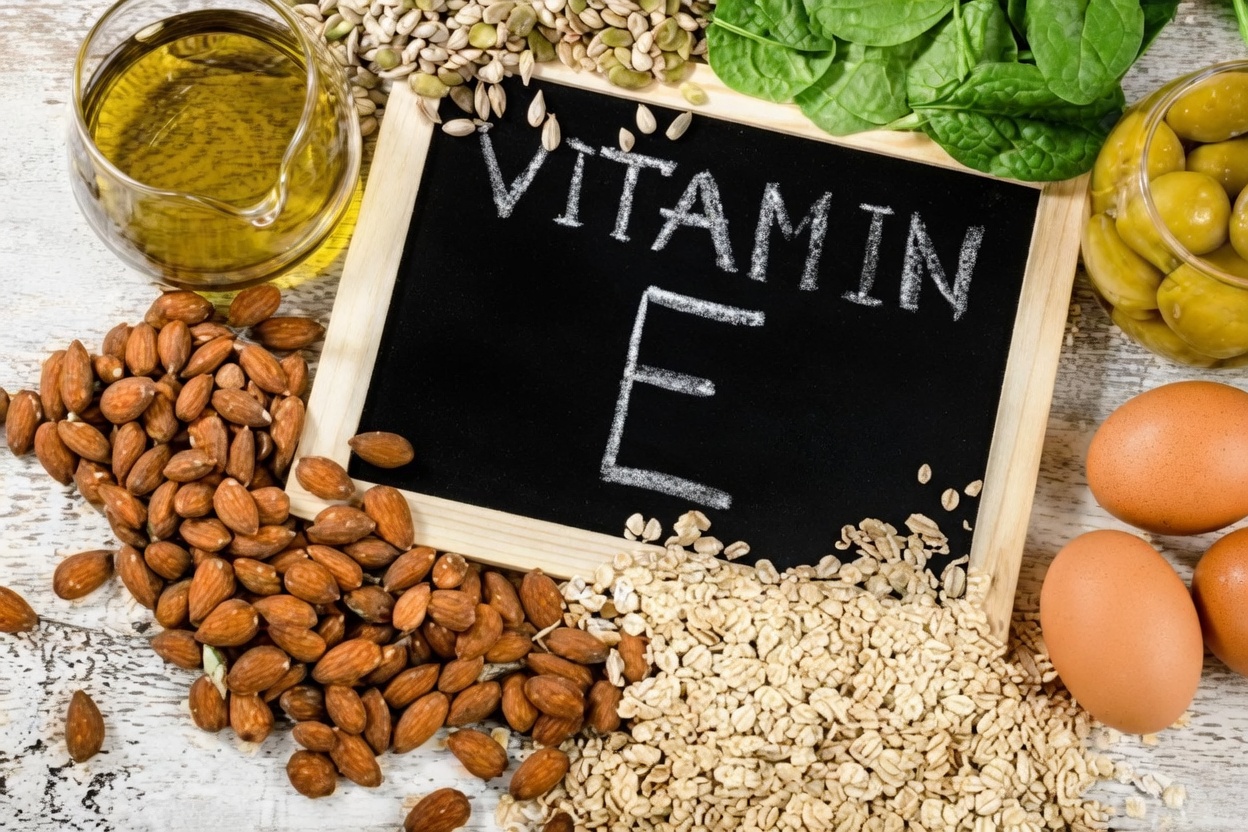
Vitamin E is a fat-soluble antioxidant that helps protect the delicate lining of blood vessels from oxidative stress—an issue that tends to rise in diabetes and can contribute to inflammation and stiffer arteries. Some studies suggest vitamin E may support endothelial function (the health of the inner vessel lining) and may help reduce unwanted platelet clumping, which can promote smoother blood flow—especially in smaller vessels and in the legs.
This matters for intimacy, too. Healthy endothelium supports the body’s production of nitric oxide, a key signaling molecule that helps blood vessels relax and increase blood flow during arousal. Research on vitamin E in diabetes points toward potential vascular benefits, and low levels are sometimes observed in those with greater circulation challenges—though results are not universal for everyone.
How to get enough Vitamin E (food-first):
- Almonds
- Sunflower seeds
- Spinach
- Avocado
The recommended daily amount for most adults is about 15 mg. Supplements are usually unnecessary if your diet is varied, and high-dose vitamin E should be discussed with a clinician due to mixed long-term research findings and potential risks in certain individuals.
2) Vitamin B12 — Nerve Protection and Energy Support
Vitamin B12 is especially important in diabetes because low levels are common—particularly among people who take metformin long term. B12 helps maintain the myelin sheath (the protective coating around nerves) and supports the production of healthy red blood cells, which carry oxygen to tissues.
When B12 is low, diabetic neuropathy symptoms—such as tingling, numbness, burning, or “pins and needles” sensations in the feet and hands—can worsen. These nerve changes can make walking uncomfortable and can reduce sensation, which may affect intimacy and sexual enjoyment. Studies indicate that correcting a true B12 deficiency can improve neuropathy-related symptoms, support nerve function, and improve energy levels that influence daily activity.
Common B12 sources:
- Meat and poultry
- Fish and seafood
- Eggs
- Dairy products
- Fortified cereals and fortified plant-based milks
If blood testing confirms low levels, clinicians often recommend supplementation—frequently 500–1,000 mcg of methylcobalamin (or another suitable form), depending on individual needs and lab results.
1) Vitamin D — The Strongest Overall Link to Circulation and Sexual Health
Vitamin D deficiency is extremely common in people with diabetes and shows some of the strongest research associations with both vascular health and sexual function. Often called the “sunshine vitamin,” vitamin D plays several roles that matter for circulation: helping support flexible blood vessels, supporting nitric oxide availability, and lowering inflammation.
Studies link low vitamin D levels to poorer endothelial function, colder extremities, leg fatigue, and higher rates of sexual health concerns—such as erectile dysfunction in men and reduced arousal in women—often through combined vascular and nerve pathways. Some clinical trials suggest that improving vitamin D status (commonly targeting levels above ~30 ng/mL, guided by lab testing) may correlate with modest improvements in vessel function, insulin sensitivity, and physical performance, including walking endurance.
Reasons vitamin D may run low in diabetes include limited sun exposure, dietary shortfalls, and metabolic or kidney-related changes that affect vitamin D activation and utilization.
Practical ways to improve vitamin D status:
- Ask for a 25(OH)D blood test to assess your baseline level.
- If low, consider doctor-guided vitamin D3 (often 1,000–4,000 IU/day, individualized).
- Get safe sun exposure when appropriate (often 10–20 minutes around midday, with arms/legs exposed, while avoiding sunburn).
- Eat vitamin D-rich foods such as fatty fish (salmon, sardines) and fortified milk or fortified alternatives.
Quick Comparison: How These Vitamins May Help
-
Vitamin D
- Circulation support: Endothelial function, nitric oxide signaling, inflammation balance
- Intimacy support: Blood flow for arousal/erection; vascular + nerve pathways
- Common low-level clues: Fatigue, cold hands/feet, low mood
- Top sources: Sunlight, fatty fish, fortified foods
-
Vitamin B12
- Circulation support: Nerve integrity; oxygen delivery through red blood cells
- Intimacy support: May reduce neuropathy-related discomfort and sensation changes
- Common low-level clues: Tingling/numbness, fatigue (especially with metformin use)
- Top sources: Meat, fish, eggs, dairy, fortified foods
-
Vitamin E
- Circulation support: Antioxidant protection for vessel lining; oxidative stress defense
- Intimacy support: Supports endothelial pathways involved in nitric oxide
- Common low-level clues: Weakness, general circulation complaints
- Top sources: Nuts, seeds, leafy greens, avocado, plant oils
Simple, Safe Ways to Boost These Vitamins
Vitamin D
- Request a 25(OH)D lab test.
- If low, take D3 exactly as advised (absorption improves when taken with a meal containing fat).
- Add brief, safe sun exposure when possible.
Vitamin B12
- Include B12-rich or fortified foods daily.
- If you take metformin, follow a vegetarian/vegan diet, or have neuropathy symptoms, ask for testing.
- Supplement if deficient, using the dose and form recommended by your clinician.
Vitamin E
- Add nuts, seeds, or greens to meals regularly.
- Prioritize food sources; supplement only if advised.
Many people notice gradual improvements—such as steadier energy, warmer feet, less leg fatigue, or improved comfort with intimacy—after consistently correcting deficiencies over 4–12 weeks, though results vary by person and by the underlying cause.
Extra Benefits Beyond Circulation and Intimacy
- Vitamin D: Bone strength, mood support, immune function
- Vitamin B12: Cognitive support, lower anemia risk, nerve maintenance
- Vitamin E: Skin health and broader inflammation balance
Important Notes and Common Concerns
These vitamins may be helpful when levels are low, but they do not replace diabetes treatment. Circulation and intimacy challenges usually involve multiple factors, including blood sugar control, existing nerve damage, hormones, cardiovascular health, medications, sleep, and activity levels.
For best results, combine nutrient optimization with:
- Consistent glucose management
- Regular movement (even gentle walking)
- Balanced meals
- Prescribed medical care
Always speak with your healthcare provider before starting supplements—especially if you have kidney disease, cardiovascular conditions, or take medications—because excessive dosing and interactions are possible.
Key Takeaway
If diabetes has made walking, warmth in your extremities, or intimacy feel more difficult, checking for and correcting common deficiencies may be a practical step. Vitamin D stands out for broad circulation and sexual-health links, vitamin B12 is crucial for nerve and oxygen support (especially with metformin use), and vitamin E offers antioxidant protection for blood vessels.
P.S. Taking vitamin D with a small amount of healthy fat (such as avocado, olive oil, or nuts) can improve absorption.
Quick FAQ
- Can these vitamins replace diabetes medications?
No. They support health when you’re deficient, but they work best alongside prescribed treatment and lifestyle habits.