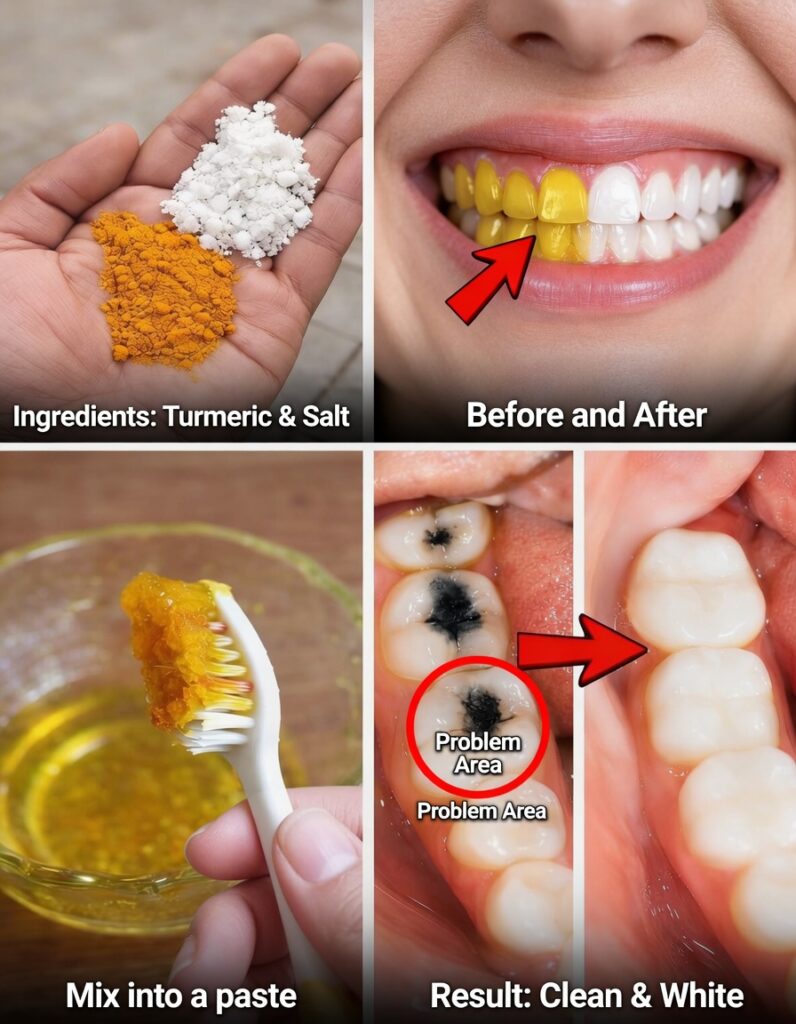
Turmeric for Teeth: Can This “Golden Spice” Really Whiten Your Smile?
A brighter, more confident smile is a common goal—especially if you’d rather avoid harsh chemicals or pricey cosmetic treatments. That’s why “natural teeth whitening” tips dominate social media, and turmeric (the vivid yellow spice found in many kitchens) often becomes the star of the conversation. With its wellness reputation and eye-catching color, turmeric can seem like an easy, natural path to whiter-looking teeth.
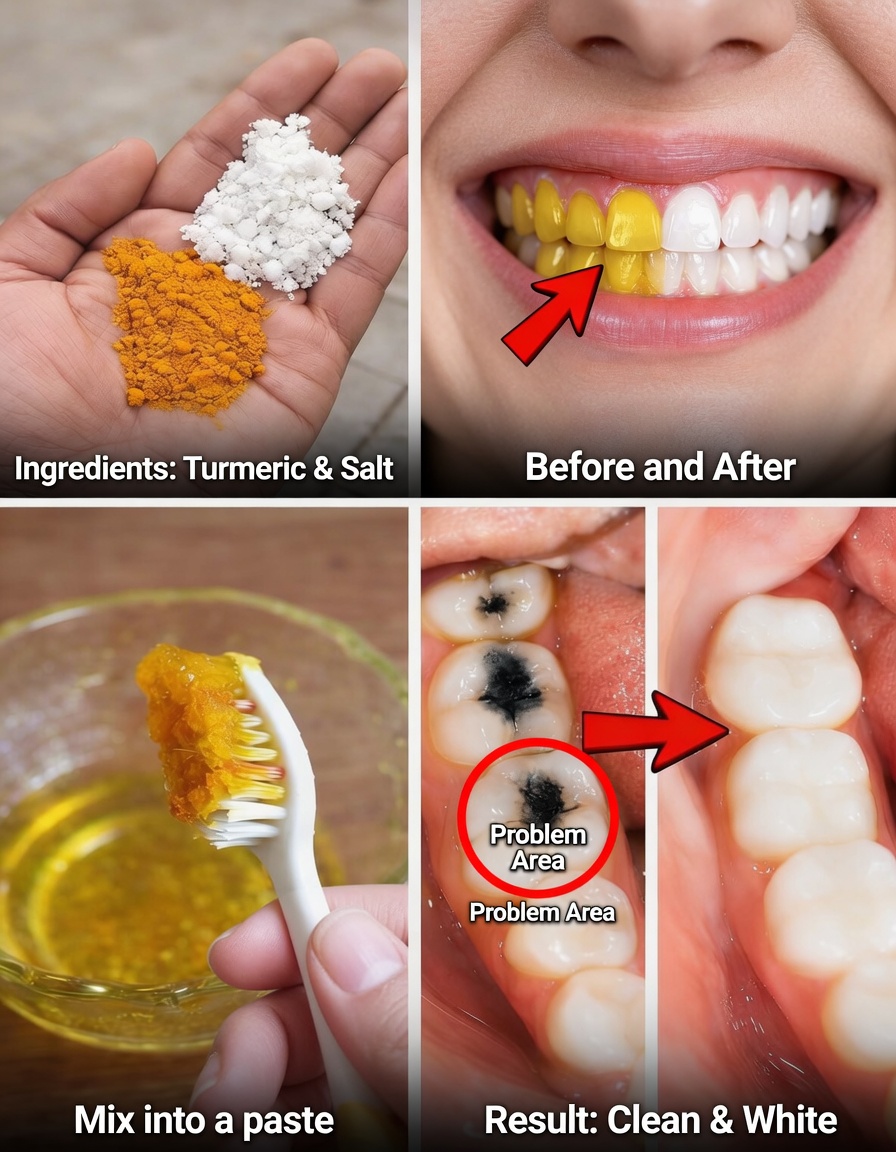
Still, the buzz around turmeric for teeth can create confusion. While turmeric is widely praised for supporting general health, its ability to noticeably whiten teeth isn’t as simple—or as dramatic—as many viral posts suggest. Below, you’ll find what research and dental guidance actually say, what turmeric can and can’t do, and how to protect your smile if you decide to try it.
Why Turmeric Shows Up So Often in Oral Care Trends
Turmeric has a long history in traditional wellness practices, largely due to its best-known active compound: curcumin. Scientific research has explored curcumin for potential anti-inflammatory and antibacterial properties—two effects that can be relevant to oral health.
Some studies indicate curcumin may help reduce certain bacteria associated with plaque formation, which could support healthier gums and a cleaner mouth feel over time. Because of this, many people blend turmeric with “gentle” ingredients like coconut oil (and sometimes honey) to create DIY oral-care pastes.
Social media makes these routines look especially convincing: turmeric powder next to gleaming smiles implies instant transformation. But those posts often leave out an important point—any perceived improvement might come from more consistent brushing and cleaning habits, not from turmeric changing tooth color.
What Research Really Says About Turmeric and Teeth Whitening
According to scientific reviews and guidance commonly reflected by major dental organizations such as the American Dental Association (ADA), there’s limited high-quality evidence that turmeric reliably whitens teeth. Many bold claims come from personal anecdotes rather than controlled clinical studies focused specifically on tooth shade changes.
Some laboratory testing of natural remedies on enamel suggests turmeric does not produce meaningful whitening results. In at least one investigation, repeated turmeric use was linked to temporary yellow discoloration on surfaces rather than a lighter appearance.
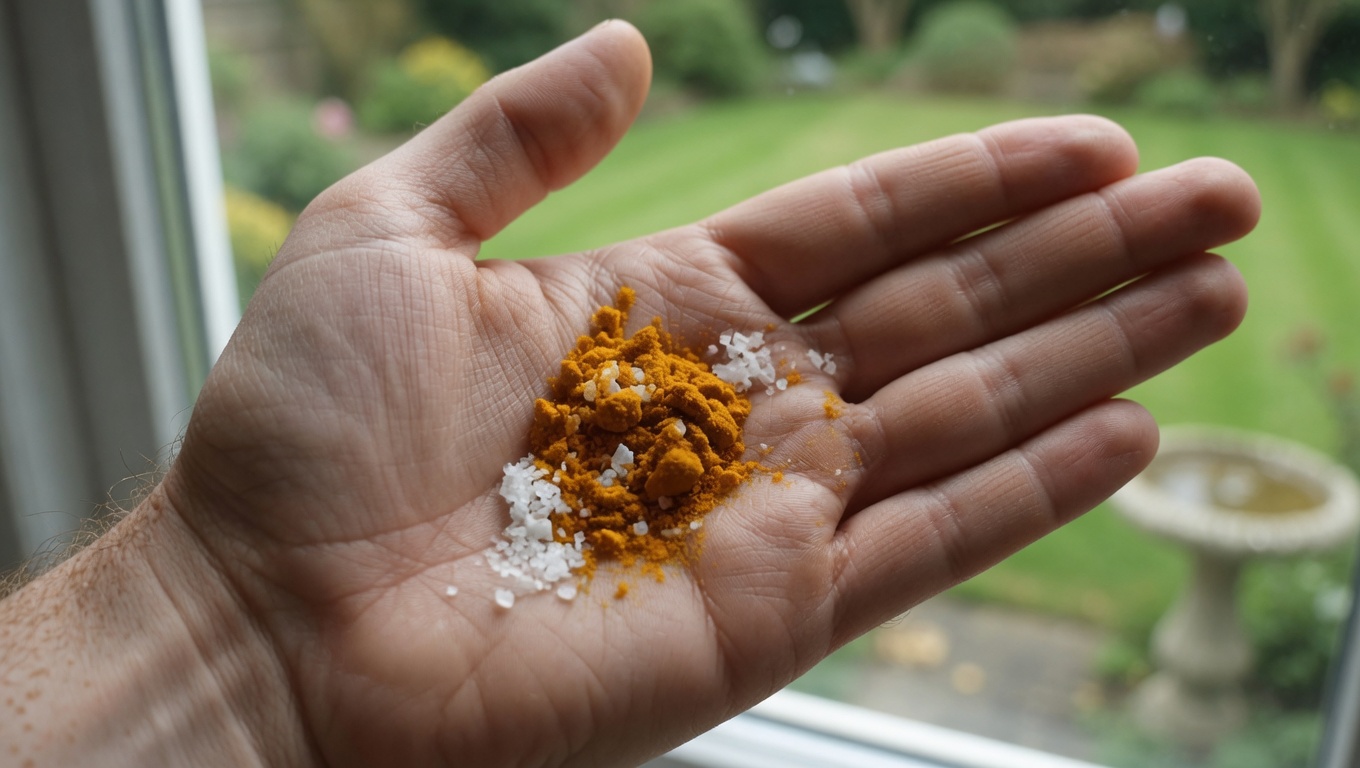
Where turmeric becomes more interesting is in a different area: gum health. Research has explored curcumin in gels and mouthwashes for gingivitis (gum inflammation) and plaque management. In small-scale studies, curcumin-based products have sometimes performed comparably to standard options—though stronger, larger trials are still needed.
In practical terms: turmeric may help support freshness and gum comfort within a broader routine, but it does not alter enamel or remove deeper stains the way professional whitening can.
Potential Oral Health Benefits Turmeric May Offer
If you prefer natural, supportive habits, turmeric may provide mild benefits when used carefully:
- May help reduce bacterial activity: Curcumin may discourage some bacteria involved in plaque buildup, supporting a healthier oral environment.
- May calm mild gum irritation: Its anti-inflammatory effects could be soothing for slightly swollen or tender gums when used thoughtfully.
- May contribute to a fresher-feeling mouth: Alongside solid hygiene, it can leave the mouth feeling cleaner.
These effects—if they happen—tend to be subtle and depend on consistent, gentle use rather than aggressive scrubbing.
What Turmeric Cannot Do (Clear Expectations)
To avoid disappointment, it helps to be direct about turmeric’s limits:
- It does not rebuild or strengthen enamel.
- It does not treat cavities or fix underlying dental problems.
- It does not create fast, dramatic whitening like professional treatments.
- It does not replace brushing, flossing, or regular dental visits.
Relying on turmeric alone for major smile changes can distract from the proven basics that truly protect teeth.
Risks and Downsides: Why Careful Use Matters
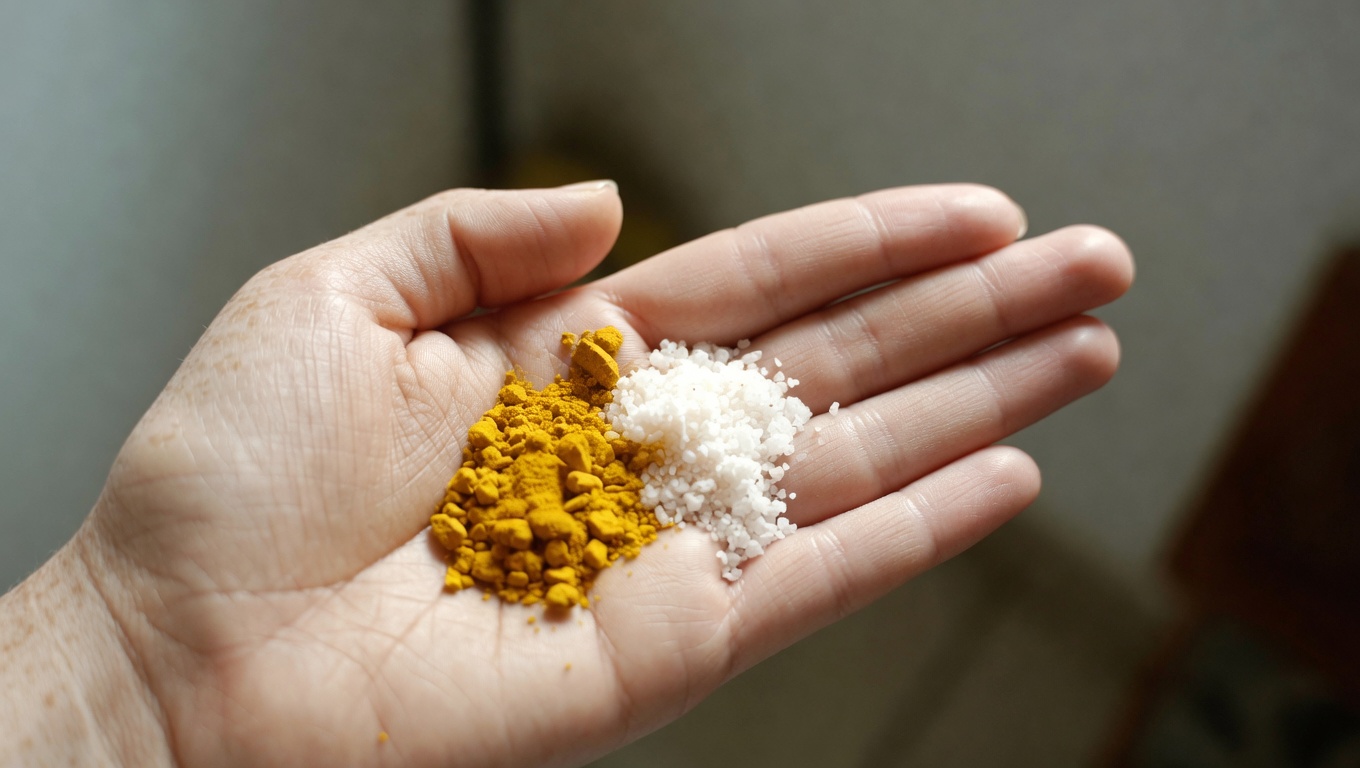
Turmeric powder can be gritty, depending on how finely it’s processed. When people scrub it directly onto teeth—especially when combined with abrasive ingredients like salt or baking soda—it may increase enamel wear over time. Since enamel doesn’t grow back, protecting it is essential for long-term tooth health and sensitivity prevention.
Turmeric’s strong pigment can also leave a temporary yellow tint on the tongue, gums, or toothbrush bristles. This usually rinses away, but it can be unpleasant and may make users think their teeth are “staining” even if the tint is mostly on soft tissues.
How to Use Turmeric More Safely (If You Want to Try It)
If you’re curious about turmeric as an extra step—not a whitening solution—keep the approach gentle and occasional:
- Use a small amount of plain turmeric powder (about 1/4 teaspoon).
- Mix it with coconut oil to form a smooth paste (avoid dry scrubbing).
- Apply lightly using a soft toothbrush or a clean finger.
- Use gentle circular motions for 1–2 minutes.
- Rinse thoroughly, then brush normally with your regular toothpaste.
- Limit use to 2–3 times per week, and stop if you notice sensitivity or irritation.
Patch-test carefully along the gums first, and speak with your dentist before adding new routines—especially if you have crowns, veneers, fillings, braces, gum issues, or tooth sensitivity.
Better, Dentist-Approved Ways to Brighten Your Smile
For safer and more predictable results, prioritize evidence-based habits that consistently improve tooth appearance and health:
- Brush twice daily with a soft-bristled toothbrush and fluoride toothpaste
- Floss daily or use interdental cleaners to remove plaque between teeth
- Consider low-abrasion whitening toothpastes for gentle surface stain polishing
- Use diluted hydrogen peroxide only if your dentist approves
- Get professional cleanings to safely remove surface buildup and stains
These habits form the foundation for a brighter-looking smile that also supports strong teeth and healthy gums.
The Reality Behind Viral Before-and-After Photos
Many dramatic “turmeric whitening” transformations online are influenced by lighting changes, filters, camera settings, or a combination of DIY routines with professional cleanings. What appears to be a turmeric miracle may actually reflect improved oral hygiene overall—or photo editing that hides the full story. Treat eye-catching results with healthy skepticism.
Final Verdict: Is Turmeric Worth Adding to Your Oral Routine?
Turmeric can be a reasonable supportive addition if you enjoy natural options and use it gently. Its best potential value is in gum comfort and bacterial balance, not in true teeth whitening. If your main goal is noticeably whiter teeth, you’ll get better, safer results from proven daily care and professional guidance.
If whitening is a priority, ask your dentist about the most effective and tooth-safe approach for your needs. Natural remedies can complement strong habits—but they shouldn’t replace them.
Frequently Asked Questions
-
Can turmeric replace professional teeth whitening?
No. Turmeric is not strong enough to lift deep stains or significantly change enamel color. Professional treatments remain the most reliable option for noticeable whitening. -
Will daily turmeric use turn my teeth yellow?
It can cause temporary yellow tinting—especially on soft tissues or if residue builds up. Proper rinsing often prevents lasting issues, but frequent use increases the risk of discoloration and irritation. -
Is turmeric safe for sensitive teeth or gums?
It may be tolerated in small amounts when mixed with oil and used gently. However, gritty or abrasive use can worsen sensitivity. Start slowly and stop if you feel discomfort.
Disclaimer
This article is for informational purposes only and does not provide medical or dental advice. Always consult a qualified dentist or healthcare professional before trying new oral care practices, especially if you have existing conditions, restorations, sensitivity, or concerns about your teeth and gums. Individual results vary, and no natural remedy guarantees specific outcomes.