Why Morning Joint Stiffness Often Worsens After Age 50
Waking up with stiff, sore joints can make even simple routines—getting out of bed, climbing stairs, or reaching for a cup of coffee—feel surprisingly difficult. For many adults over 50, this discomfort is tied to age-related shifts in joint cushioning (cartilage), inflammation levels, synovial fluid changes, and how the body handles calcium over time.
Morning stiffness can feel especially intense after a night of rest because joints and surrounding tissues tend to “stiffen up” during long periods of inactivity. Research also suggests that nutrient shortfalls—including gaps in certain vitamins—may contribute to slower recovery, more discomfort, or reduced mobility in this age group.
This is more than an inconvenience. Persistent stiffness can affect sleep, independence, and everyday enjoyment—whether that’s traveling, gardening, or playing with grandchildren. Alongside gentle movement and other supportive habits, improving nutrition from the inside may offer another layer of joint support.
The 3-Vitamin Approach: K2, D, and C for Joint Comfort and Flexibility
Evidence highlights a useful trio—vitamin K2, vitamin D, and vitamin C—because they support complementary processes involved in joint health:
- Better calcium management
- Inflammation balance
- Collagen and cartilage structure support
Together, these functions can help maintain smoother, more comfortable movement—especially as the body changes with age.
Vitamin K2: Guiding Calcium Where It Belongs
Vitamin K2 helps activate proteins (including matrix Gla protein, or MGP) that support proper calcium placement. In simple terms, K2 helps the body direct calcium toward bones rather than allowing unwanted buildup in soft tissues, where it may contribute to stiffness and reduced flexibility.
Observational research and clinical findings associate stronger vitamin K status with a lower risk of calcification-related issues in areas like arteries—and potentially in joint-related tissues as well. In older adults, low vitamin K levels have also been linked with mobility limitations and joint concerns.
Top Food Sources of Vitamin K2 (Especially MK-7)
- Natto (fermented soybeans) — one of the most concentrated sources
- Aged cheeses (for example: Gouda, Edam, Brie)
- Fermented vegetables (such as sauerkraut) — typically smaller amounts
Absorption tip: Pair K2-containing foods with healthy fats (olive oil, avocado, nuts, eggs) to support uptake.
Vitamin D: Supporting Calcium Absorption and Inflammation Control
Vitamin D plays a major role in calcium absorption and also supports immune and inflammation regulation—both relevant to joint comfort. Low vitamin D levels are common after age 50, especially for people who spend limited time outdoors or live in areas with less sun exposure.
Multiple studies associate insufficient vitamin D with changes in joint pain patterns over time, including knee or hip discomfort. Maintaining adequate vitamin D may also support muscle function around joints, which matters for stability and day-to-day mobility.
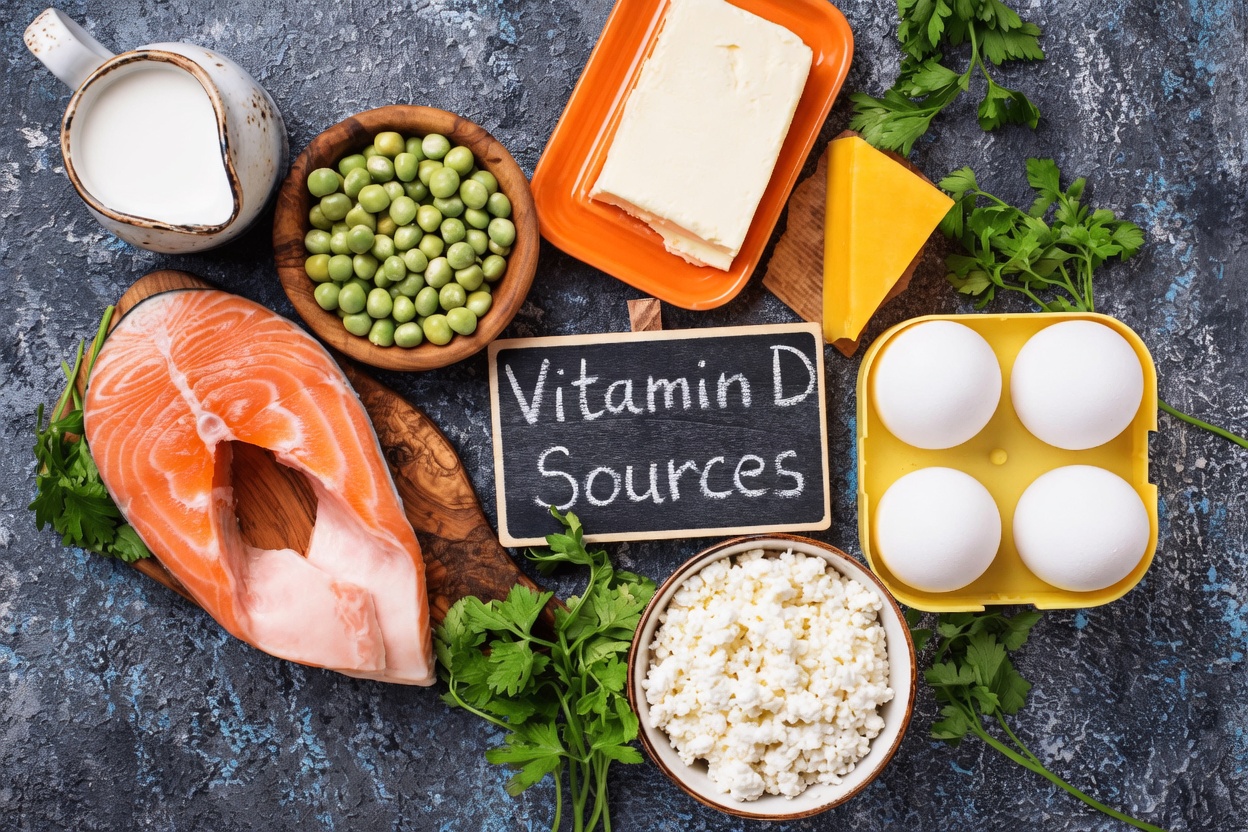
Natural Ways to Increase Vitamin D
- Sensible sunlight exposure (often 15–30 minutes in the morning, depending on skin type and location)
- Fatty fish (salmon, mackerel, sardines)
- Egg yolks and vitamin D–fortified foods
Small changes—like a consistent outdoor walk—can make a meaningful difference over time.
Vitamin C: Essential for Collagen and Cartilage Maintenance
Vitamin C is required to produce collagen, the key structural protein that helps form and maintain cartilage (the “cushion” in joints). It also acts as an antioxidant, helping protect tissues from oxidative stress that can contribute to wear and inflammation.
Some research links higher vitamin C intake to slower progression of joint wear, likely due to its combined role in collagen building and tissue protection. It can be especially helpful when paired with other cartilage-supporting habits (like balanced protein intake and regular low-impact activity).
Vitamin C Foods (Not Just Oranges)
- Bell peppers (red and yellow are especially high)
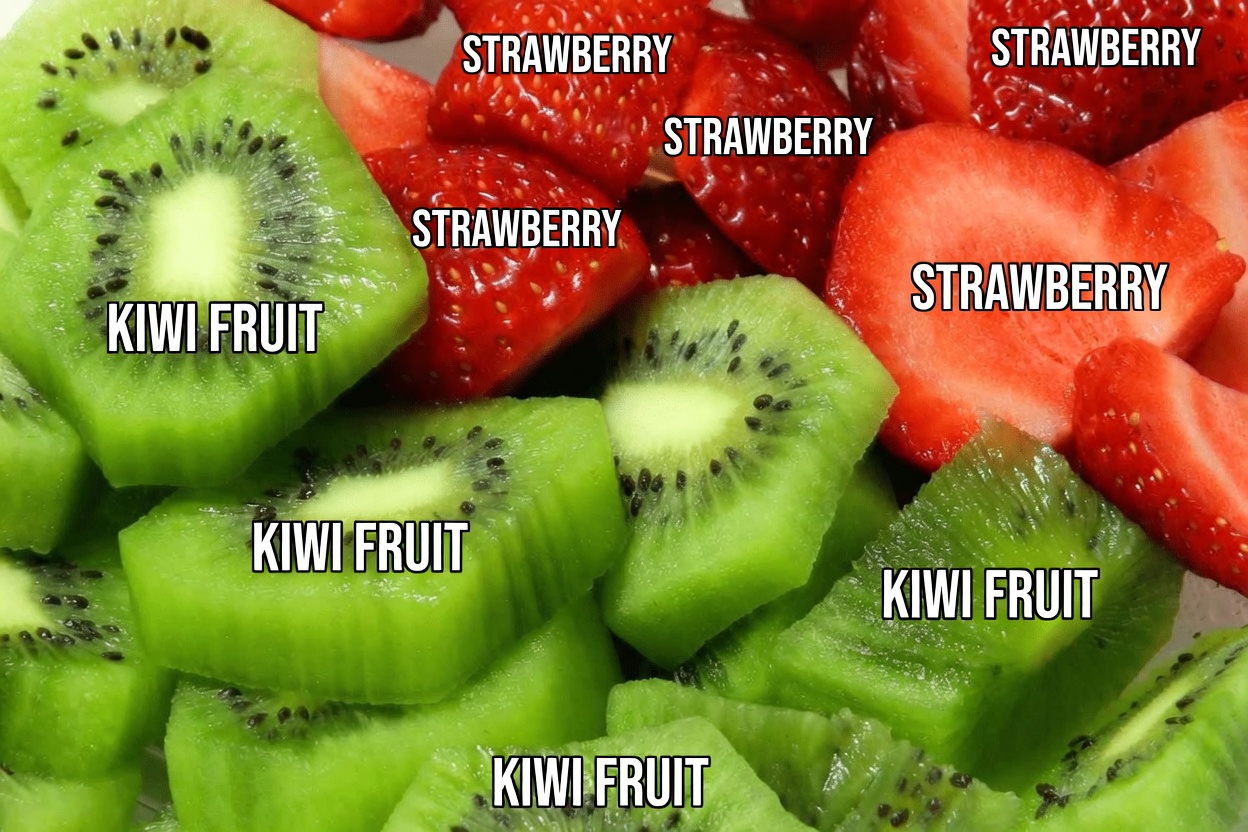
- Strawberries, kiwi, broccoli
- Citrus fruits, tomatoes, leafy greens
A practical goal: include colorful produce daily to support steady intake.
Quick Comparison: How K2, D, and C Relate to Joint Health
-
Vitamin K2
- Common signs of low status: mobility concerns or reduced functional markers (varies by individual)
- Joint-related role: supports calcium direction and may reduce unwanted calcification
- Best food sources: natto, aged cheeses, fermented vegetables
-
Vitamin D
- Common signs of low status: fatigue, muscle aches (nonspecific)
- Joint-related role: supports calcium absorption and inflammation balance
- Best food sources: sunlight exposure, fatty fish, eggs, fortified foods
-
Vitamin C
- Common signs of low status: slow healing, weakness (in more significant deficiency)
- Joint-related role: collagen production and antioxidant protection
- Best food sources: bell peppers, berries, broccoli, citrus, leafy greens
How People Use These Vitamins in Real Life
Many adults over 50 report that morning movement feels easier after prioritizing nutrient-dense eating patterns. Common examples include:
- Adding a fermented food (for K2) several times per week
- Getting consistent morning sunlight (for D)
- Increasing colorful vegetables daily (for C)
These nutrients may work well together: vitamin D supports calcium absorption, vitamin K2 helps guide calcium toward bones, and vitamin C supports the collagen framework that helps keep joints resilient.
Practical Steps You Can Start Today
- Establish a baseline: rate your morning stiffness from 1–10 for a week
- Add one targeted food per vitamin:
- K2: natto or aged cheese
- D: salmon (or another fatty fish) and/or regular sunlight
- C: bell peppers or berries
- Build gradually: start with one focus, then layer the others over time
- Improve absorption habits:
- take K2 foods with dietary fat
- aim for safe sun exposure for vitamin D
- spread vitamin C foods across meals
- Re-check after 4–8 weeks: re-rate stiffness and adjust your approach
In many cases, a food-first strategy is the preferred starting point before considering supplements.
When Changes Might Be Noticeable
- Weeks 1–4: introduce one vitamin-focused habit; some people notice subtle improvements
- Weeks 5–8: add a second; discomfort and stiffness may continue to ease
- Weeks 9–12: combine all three consistently; many report better overall mobility
Results depend on starting nutrient status, lifestyle factors, and long-term consistency.
Conclusion: Small Nutrition Upgrades That Support Long-Term Joint Comfort
For adults over 50, vitamins K2, D, and C offer research-supported pathways to promote joint wellness through calcium balance, inflammation support, and cartilage/collagen maintenance. By making simple, sustainable food choices, many people find mornings feel less restrictive—making it easier to stay active and enjoy daily life.
Choose one change today, stay consistent, and build from there.
FAQ
-
How much vitamin D do most adults over 50 need each day?
Many guidelines suggest 600–800 IU daily from food and sun exposure, but needs vary. Testing levels and discussing targets with a healthcare professional can be helpful, especially if levels are low. -
Can diet alone provide enough vitamin K2?
Often yes—particularly if you regularly eat natto or aged cheeses. Intake varies widely across diets, so consistency matters. -
Is vitamin C from food better than supplements for joint support?
Whole foods provide vitamin C alongside additional antioxidants and fiber. Many studies favor dietary patterns for steady intake without overdoing single nutrients.
Disclaimer
This article is for informational purposes only and does not replace professional medical advice. Vitamins K2, D, and C may support joint health based on research, but results differ from person to person. Consult a qualified healthcare provider before making dietary changes—especially if you have medical conditions or take medications.