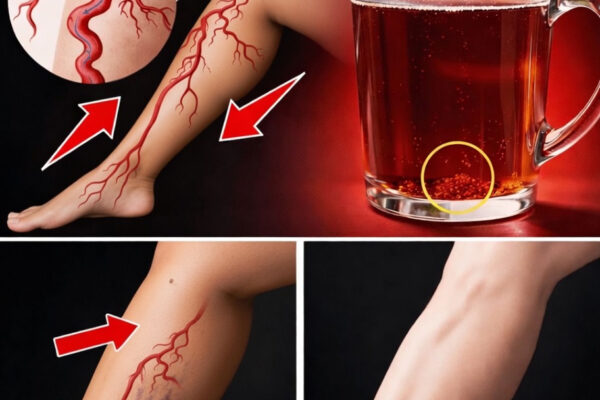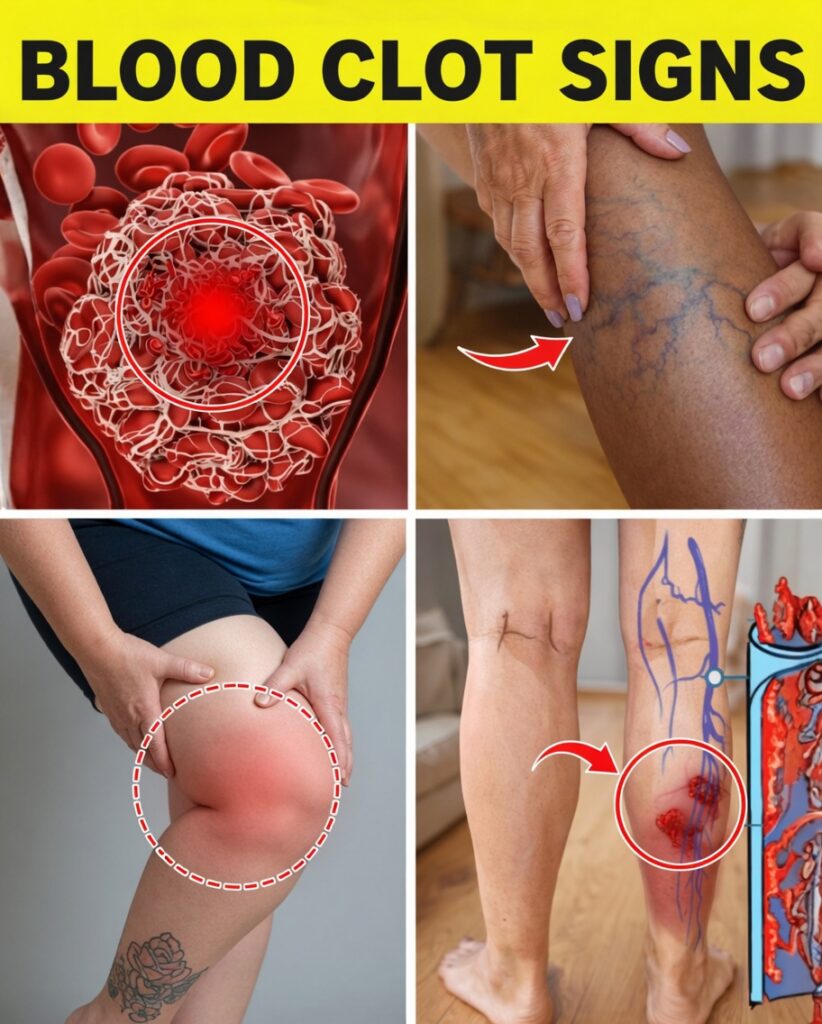
Blood Clot Warning Signs After 45: Symptoms You Should Never Ignore
Picture a normal day—walking outside, working at your desk, or relaxing at home—when you notice an unusual chest pain or a stubborn “cramp” in your leg that doesn’t fade. These symptoms don’t always arrive dramatically. Often, they feel like everyday aches, mild fatigue, or normal aging.
But in some cases, they can signal a dangerous blood clot, such as deep vein thrombosis (DVT) (usually in the legs) or a pulmonary embolism (PE) (when a clot reaches the lungs). For adults over 45, the risk can rise due to factors like long periods of sitting, recent surgery, and certain medical conditions.
The challenge is that early signs are easy to dismiss—until complications become severe. Recognizing the warning signals early, as emphasized by trusted organizations like the Mayo Clinic, CDC, and Cleveland Clinic, can be lifesaving.
Why Blood Clots Are So Easy to Miss
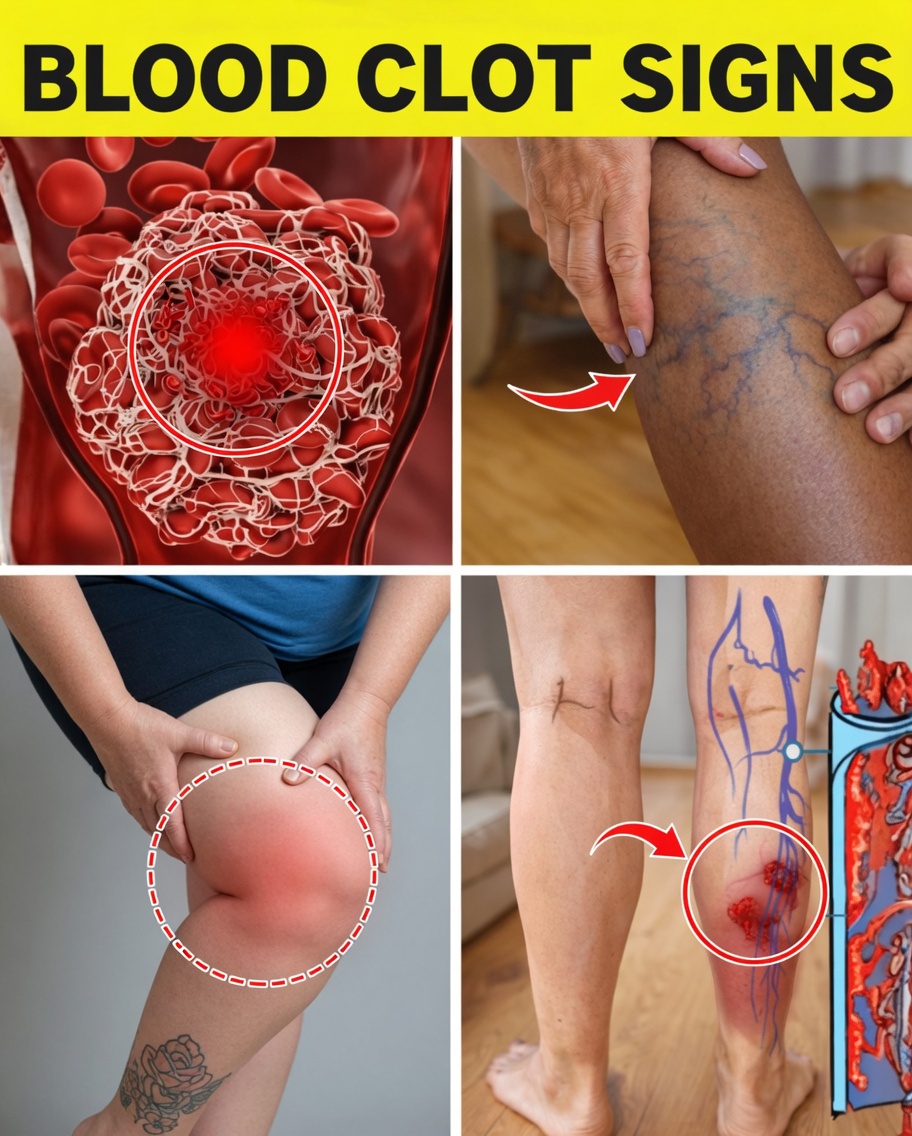
Blood clots develop when blood thickens and collects in a vein, most commonly in the deep veins of the leg. DVT can be especially hard to detect because it may start quietly—up to half of DVT cases may have minimal or no obvious symptoms at first.
The real danger appears if a clot breaks loose and travels to the lungs, causing a pulmonary embolism (PE). PE can become life-threatening quickly and requires immediate treatment.
Because many symptoms resemble common problems—muscle soreness, swelling after activity, or simple tiredness—people often ignore the early pattern. Paying attention to changes that feel “off” or unusually persistent can make a critical difference.
Common Blood Clot Symptoms That Could Save Your Life
Below are key warning signs linked to DVT and PE. Even one symptom may justify medical attention—especially if it appears suddenly or worsens.
1) Sudden Swelling in One Leg or One Arm
A clot can block blood flow, leading to noticeable swelling on one side—often in the calf or thigh, and sometimes the arm. If one limb looks or feels significantly more swollen than the other, take it seriously.
2) Ongoing Cramp-Like Pain That Doesn’t Improve
DVT pain is often described as a persistent cramp, soreness, or deep ache—commonly in the calf. If it doesn’t ease with rest, or gets worse when you stand or walk, it’s not something to brush off as normal muscle strain.
3) Warmth Over the Painful or Swollen Area
Inflammation around a clot may cause the skin to feel warmer than surrounding areas. Comparing both legs (or both arms) can make the difference easier to notice.
4) Redness, Discoloration, or Tight/Shiny Skin
Skin near the clot may look red, bluish, or purple, and can appear tight or glossy. On darker skin tones, color changes may be subtle—so also watch for differences in tone, tightness, or unusual skin appearance.

Pulmonary Embolism (PE) Symptoms: Treat These as an Emergency
If a clot moves to your lungs, symptoms can escalate fast. These signs require immediate emergency care.
5) Sudden Shortness of Breath
Unexplained breathing difficulty—especially when it comes on abruptly or worsens with light activity—can be a hallmark PE symptom.
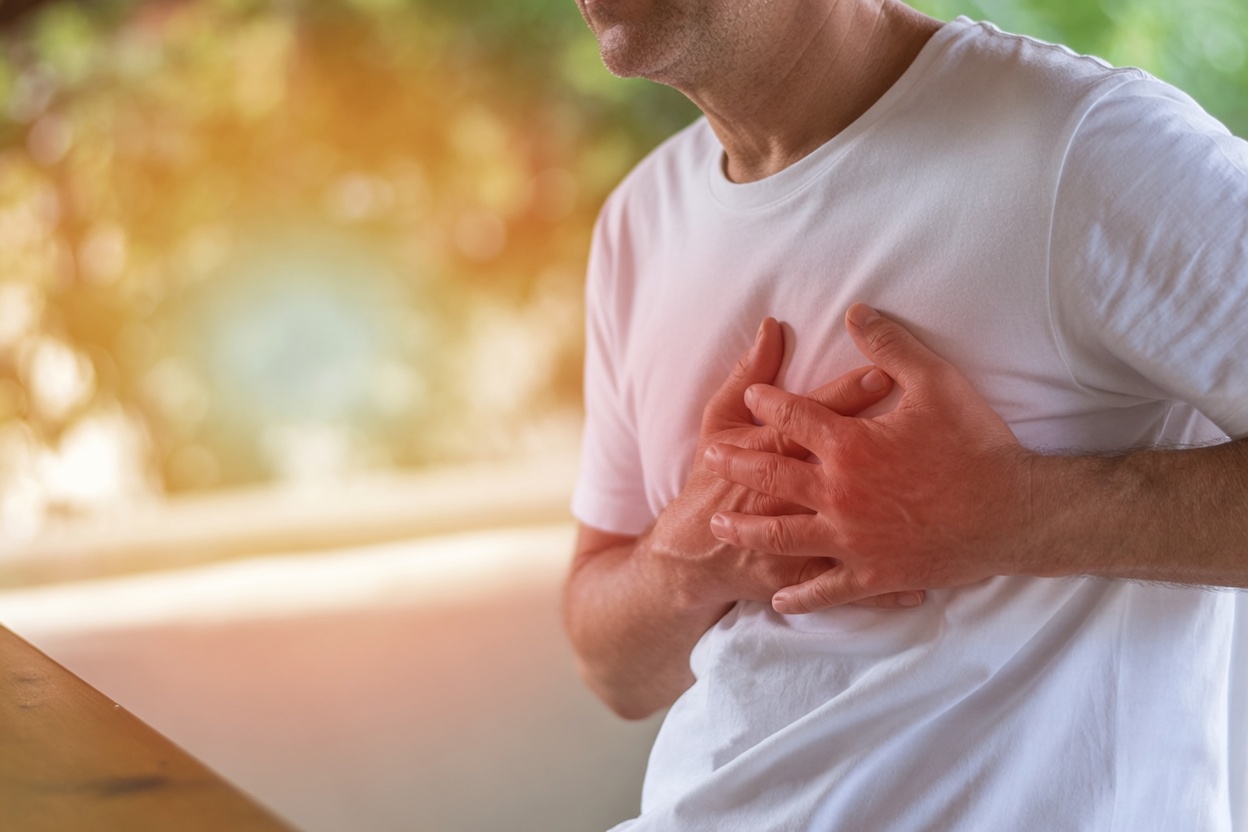
6) Sharp Chest Pain That Worsens With Breathing
PE-related chest pain is often stabbing or sharp, and may intensify when you take a deep breath, cough, or move. It can resemble a heart attack, and it should never be ignored.
7) Rapid or Irregular Heartbeat
A racing, pounding, or irregular heartbeat may occur as the body struggles to circulate blood through partially blocked lung arteries.
8) Coughing Up Blood
Coughing up blood-streaked mucus (or blood) is a serious warning sign that can occur when the lungs are affected.
9) Dizziness, Lightheadedness, or Fainting
A PE can reduce oxygen levels and lower blood pressure, leading to near-fainting, fainting, or sudden weakness.
10) Cold Sweats or Clammy Skin
Heavy sweating and clammy skin can indicate the body is under acute stress—especially when paired with chest discomfort or breathing problems.
11) Sudden Anxiety or a Feeling Something Is Seriously Wrong
Some people report an intense sense of dread or panic alongside physical symptoms. While anxiety has many causes, this sensation—combined with PE signs—should be treated as urgent.
If Symptoms Cluster Together, Act Immediately
A mix of leg symptoms (swelling, pain, warmth, discoloration) plus breathing symptoms (shortness of breath, chest pain, rapid heart rate) can signal a clot that has moved or is becoming dangerous. It’s safer to seek help quickly than to wait.
What to Do If You Notice These Warning Signs
If You Have Possible DVT Symptoms (Leg or Arm)
If you develop one-sided swelling, persistent pain, warmth, or skin changes, contact a healthcare provider promptly or go to urgent care. An evaluation may include an ultrasound and other testing.
If You Have Possible PE Symptoms (Breathing or Chest Symptoms)
If you experience sudden shortness of breath, sharp chest pain, rapid heartbeat, coughing blood, or fainting, call emergency services or go to the ER immediately. Pulmonary embolism is time-critical.
Practical Ways to Reduce Blood Clot Risk
While not all clots can be prevented, these habits can help lower risk—especially for people who sit for long periods or travel frequently:
- Move often: Stand up, stretch, and walk regularly during long sitting sessions.
- Stay hydrated: Adequate fluids may help reduce clot risk during travel or prolonged inactivity.
- Consider compression socks (if recommended): Medical-grade compression can support circulation when immobility is unavoidable.
Conclusion
Blood clot symptoms can look deceptively ordinary—leg swelling, cramping, warmth, mild discoloration, or sudden breathlessness may seem easy to explain away. Yet these can be early warning signs of DVT or the more dangerous pulmonary embolism. When symptoms feel unusual, persistent, one-sided, or sudden, getting medical help quickly can save your life.
Frequently Asked Questions (FAQ)
Can a blood clot happen without symptoms?
Yes. DVT can sometimes develop with few or no clear symptoms, which is why subtle changes—especially one-sided swelling or unexplained pain—matter.
What are the best ways to prevent blood clots?
Common prevention strategies include staying active, avoiding long periods of immobility, and drinking enough fluids. If you have additional risk factors, ask your clinician about personalized prevention options.
What should I do if I suspect a blood clot?
For possible DVT symptoms, seek prompt medical evaluation. For possible PE symptoms—especially shortness of breath, chest pain, coughing blood, or fainting—treat it as an emergency and get immediate care.
Disclaimer
This article is for informational purposes only and does not replace professional medical advice. Always consult a qualified healthcare provider for diagnosis and personalized guidance.