Everyday Comfort Foods: Could They Be Raising Your Cancer Risk?
The smell of bacon crisping on a slow Sunday morning or the satisfying sparkle of soda on a scorching day can feel like harmless routines. Yet growing scientific evidence suggests that some popular foods may encourage inflammation, disrupt normal cell function, or create compounds that are linked to higher cancer risk.
Below are five common foods associated with increased cancer risk, along with realistic, healthier alternatives you can start using right away.
How Lifestyle Choices Shape Cancer Risk
Cancer impacts millions worldwide, and diet and lifestyle habits are major factors in prevention. The American Cancer Society estimates that around 40% of cancers may be preventable through healthier everyday choices. Even without realizing it, many people regularly eat items that may contribute to chronic inflammation or cellular damage—two processes often discussed in cancer research.
If certain meals leave you feeling heavy, bloated, or unusually tired, it may be more than “just digestion.” Improving food quality and reducing specific high-risk items can be a practical step toward better long-term health.
Number 5: Red Meat — A Common Staple Worth Rethinking
Many people enjoy beef, pork, or lamb as a routine part of their weekly meals. However, the World Health Organization (WHO) classifies red meat as a probable carcinogen, with research linking higher intake to cancers such as colorectal and pancreatic cancer.
A key issue is how red meat is cooked. High-heat methods like grilling or barbecuing can produce chemicals called heterocyclic amines, which may contribute to DNA damage over time.
Smarter ways to reduce risk without feeling deprived:
- Choose smaller portions and eat red meat less often
- Prefer gentler cooking methods over charring or heavy grilling
- Build meals around vegetables and fiber-rich sides
Number 4: Fried Foods — Crunchy, Convenient, and Potentially Risky
Fast-food favorites like fries, fried chicken, and heavily fried snacks are tempting because they’re quick and satisfying. The concern is that foods cooked at very high temperatures can produce acrylamide, a chemical the International Agency for Research on Cancer (IARC) considers a probable carcinogen.
Healthier swaps that keep the crunch:
- Oven-baked potato wedges or baked sweet potato fries
- Air-fried vegetables
- Lightly sautéed options using healthier oils
Over time, many people notice improved energy and fewer “after-meal crashes” when they cut back on deep-fried foods.
Number 3: Alcohol — The “Social Drink” That Adds Up
A drink with friends can feel like a small indulgence, but regular alcohol intake is associated with serious health consequences. Research shows alcohol increases the risk of at least seven cancer types, including breast and liver cancer. This is often linked to alcohol’s effects on hormones and its ability to interfere with the body’s cell repair processes.
Practical ways to cut back without losing your social life:
- Reserve alcohol for special occasions rather than daily use
- Alternate alcoholic drinks with water
- Choose smaller servings and set a personal limit in advance
Many people report better sleep and sharper focus when they reduce alcohol intake.
Number 2: Sugary Drinks — The Sweet Habit That Can Fuel Metabolic Risk
Soda, sweetened iced tea, flavored coffee drinks, and energy drinks may deliver a quick burst of pleasure—but frequent intake can lead to higher insulin levels and metabolic strain. Harvard research highlights how excess sugar consumption can raise insulin, which may support conditions that allow cancer cells to thrive. The American Journal of Clinical Nutrition also links high sugar intake to a greater risk of obesity-related cancers.
Better options that still taste good:
- Water infused with lemon, cucumber, or berries
- Unsweetened herbal teas
- Sparkling water with a splash of citrus
Replacing sugary drinks is often one of the fastest changes people feel—more stable energy, improved mood, and fewer cravings.
Number 1: Processed Meats — The Most Concerning “Convenience Food”
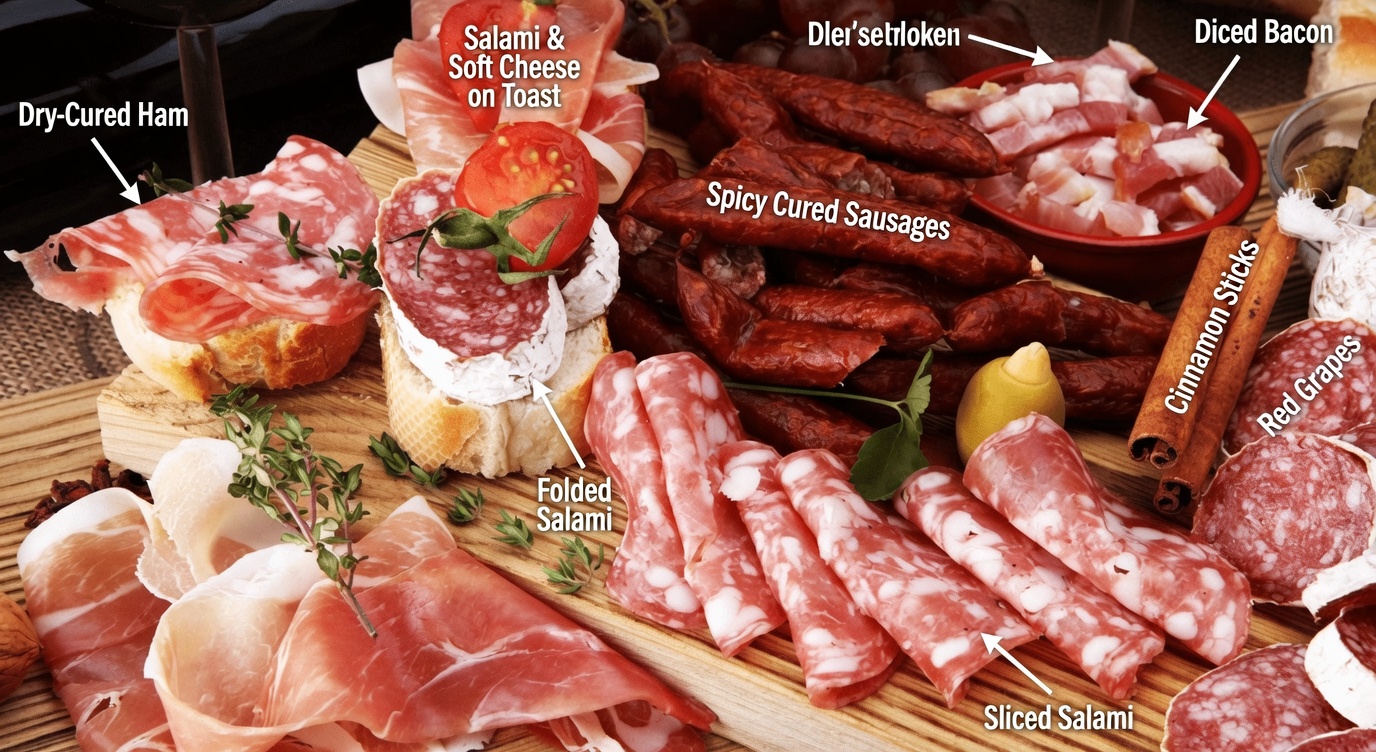
Deli meats, sausages, bacon, and hot dogs are common lunch and breakfast staples because they’re quick and tasty. But processed meats are classified by the WHO as Group 1 carcinogens, meaning there is strong evidence of their cancer risk—particularly for colorectal cancer.
A major reason is the presence of nitrates/nitrites, which can convert into harmful compounds inside the body.

Easy replacements that still work for busy schedules:
- Grilled or roasted chicken/turkey (fresh, not deli-style processed)
- Tuna or egg-based fillings (watch sodium and preparation)
- Hummus, bean spreads, or veggie wraps
Even small reductions in processed meats can meaningfully improve overall diet quality.
Simple Food Swaps to Support Cancer Prevention
Making changes is easier when you focus on substitutions rather than restriction. Use the list below as a practical starting point:
- Processed meats → fresh proteins (grilled chicken, eggs, beans), hummus-based wraps
- Tip: watch sodium and choose minimally processed options
- Sugary drinks → infused water, unsweetened herbal tea, sparkling water
- Tip: reduce sugar gradually if cravings are strong
- Alcohol → limit to special occasions, choose alcohol-free social drinks
- Tip: consider avoiding completely if you’re high-risk
- Fried foods → baked or air-fried choices
- Tip: use healthier oils and avoid overcooking
- Red meat → plant-based proteins (lentils, beans), fish, poultry
- Tip: balance meals with vegetables and fiber
Reading labels and prioritizing fresh, whole foods can significantly reduce exposure to common dietary risk factors.
FAQ: Common Questions About Food and Cancer Risk
-
Do I need to completely stop eating red meat?
No. The goal is moderation. Many guidelines suggest keeping red meat intake under 18 ounces per week and increasing plant-based proteins like beans and lentils. -
Does drinking wine every day increase cancer risk?
Yes. Regular alcohol use is linked to higher risk for multiple cancers. If you have a family history of cancer or other risk factors, limiting alcohol is especially important. -
Are all fried foods equally harmful?
The biggest concern comes from high-temperature frying, which can increase acrylamide formation. Baked or air-fried alternatives can reduce that risk.
Conclusion
Your daily food choices can either support long-term wellness or quietly increase risk over time. Reducing processed meats, cutting back on sugary drinks, limiting alcohol, and choosing healthier cooking methods are practical steps that may help lower cancer risk. Start with one small swap today—consistency matters more than perfection.
Disclaimer: This article is for informational purposes only and does not replace professional medical advice. Speak with a qualified healthcare provider for guidance tailored to your health history and needs.