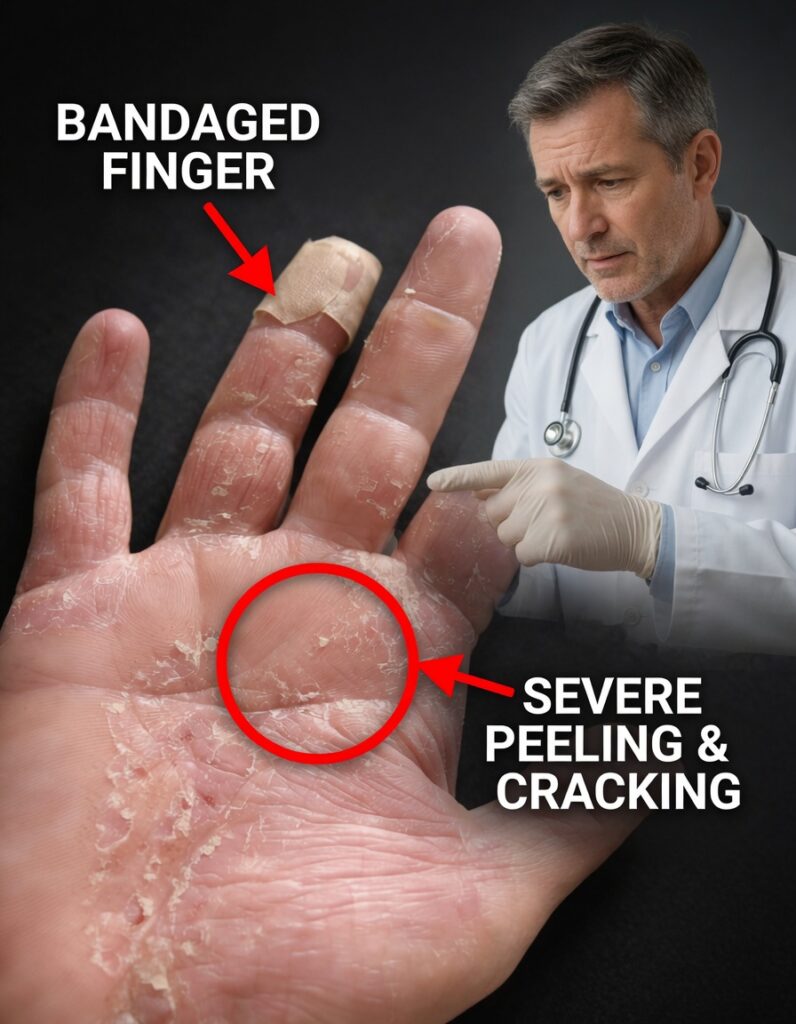
Your hands are exposed every day to water, soaps, detergents, cleaning agents, and dry air—factors that quietly wear down the skin’s protective barrier. What begins as slight tightness, mild dryness, or faint redness can progress into constant itching, painful cracks, and soreness that makes everyday actions (holding a mug, texting, typing) surprisingly difficult. When early symptoms are brushed off, flare-ups often expand and linger, turning routine tasks into ongoing discomfort and sometimes even disturbing sleep or productivity.
The encouraging part is that a few practical, evidence-based habits—especially consistent moisturizing and smarter protection—can help preserve skin health and stop the “irritation cycle” before it escalates. And at the end of this guide, you’ll find one simple, research-supported routine change that can noticeably improve how your hands feel within a few weeks.
What Is Hand Dermatitis (Hand Eczema), and Why Does It Affect Daily Life?
Hand dermatitis—often referred to as hand eczema—is an inflammatory skin condition that mainly involves the hands and wrists. It is common, affecting up to around 10% of the general population, with NIH-cited research noting a one-year prevalence close to 10% in multiple urban groups.
It also shows up more often in:
- Women
- People whose jobs involve frequent water exposure or chemicals (“wet work”), such as healthcare workers, cleaners, hairdressers, and food-service staff
On a global scale, occupational skin conditions are consistently ranked among the most frequent work-related illnesses, highlighting how strongly daily exposure patterns influence skin health.
Importantly, studies suggest hand dermatitis becomes chronic in up to two-thirds of cases, bringing persistent itch, discomfort, and reduced quality of life. When your hands feel raw or painful, even small tasks—buttoning clothes, cooking, shaking hands—can become stressful. Recognizing early signs is one of the best ways to keep symptoms controlled.
Common Triggers of Hand Dermatitis: What the Evidence Points To
Hand dermatitis usually develops from a combination of factors rather than a single cause. In many people, repeated irritant exposure damages the barrier, while allergens or genetic tendencies amplify inflammation. Knowing your triggers is the foundation of prevention.
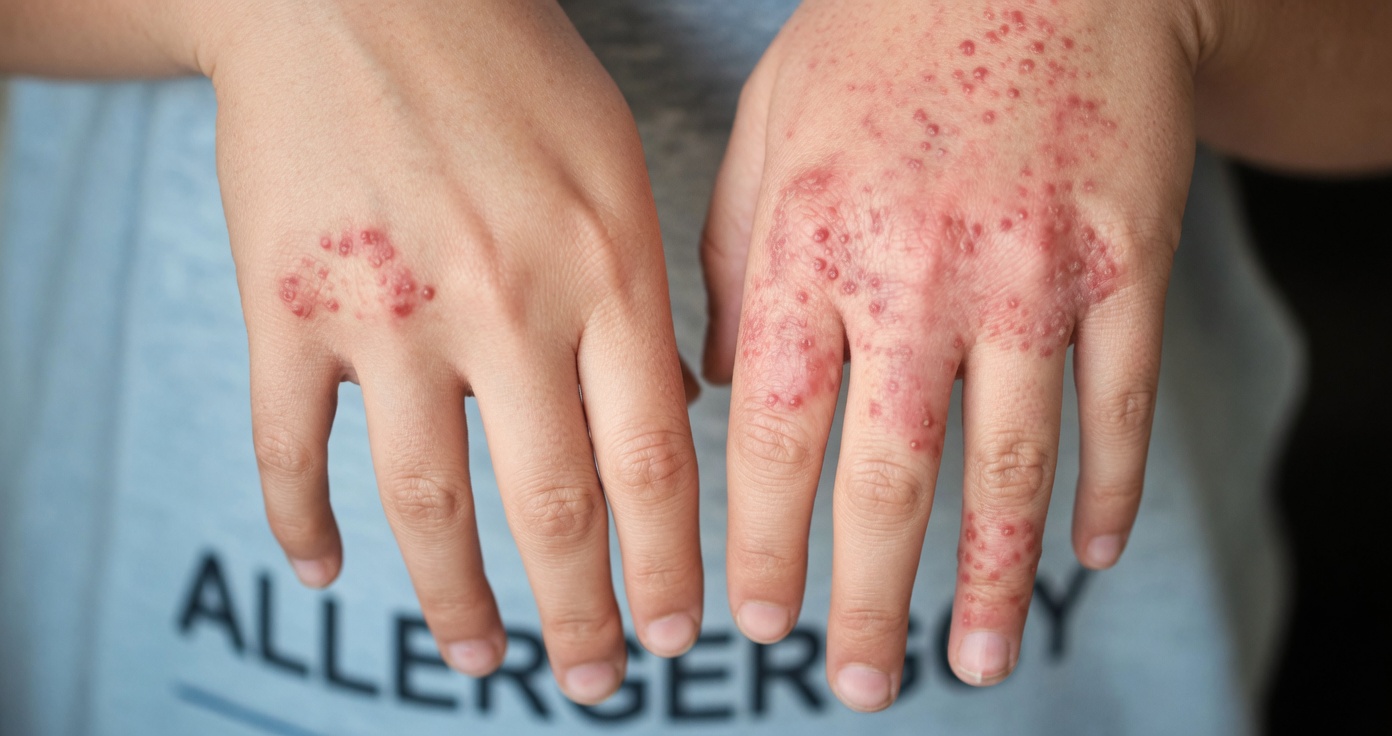
Irritant Contact Dermatitis: The Most Common Driver
This is the most frequent type, especially in occupational settings. Repeated contact with water, soaps, and detergents strips away protective oils, gradually weakening the stratum corneum (the outer layer of skin). The result is cumulative barrier breakdown.
Key irritant triggers include:
- Wet work: Washing hands more than 10 times per day or extended time in water significantly increases risk—common in nursing, childcare, cleaning, and food prep.
- Alcohol-based sanitizers: Essential for hygiene, but frequent use can intensify dryness—an effect widely discussed in public health research.
- Climate and indoor air: Cold temperatures and low humidity pull moisture from the skin, making cracking and irritation more likely.
Allergic and Atopic Influences: The “Hidden” Contributors
Roughly 20% of cases involve allergic reactions to specific substances. Common allergens include:
- Nickel
- Fragrances
- Preservatives found in personal care and household products
Personal history matters too: if you had childhood eczema (atopic dermatitis), research indicates your risk of adult hand dermatitis is nearly three times higher.
In real life, these factors often overlap. Someone with naturally dry, eczema-prone skin who also works in a high-exposure environment (like a kitchen) is at particularly high risk for stubborn, recurring flares.
Early Warning Signs: How to Spot Hand Dermatitis Before It Worsens
Hand dermatitis frequently starts subtly, and many people dismiss it as “just dry skin.” However, certain symptoms suggest more than simple dryness—especially when they persist or intensify.
Watch for:
- Ongoing itch that doesn’t respond to light lotions
- Redness with burning or stinging, especially on fingers or palms
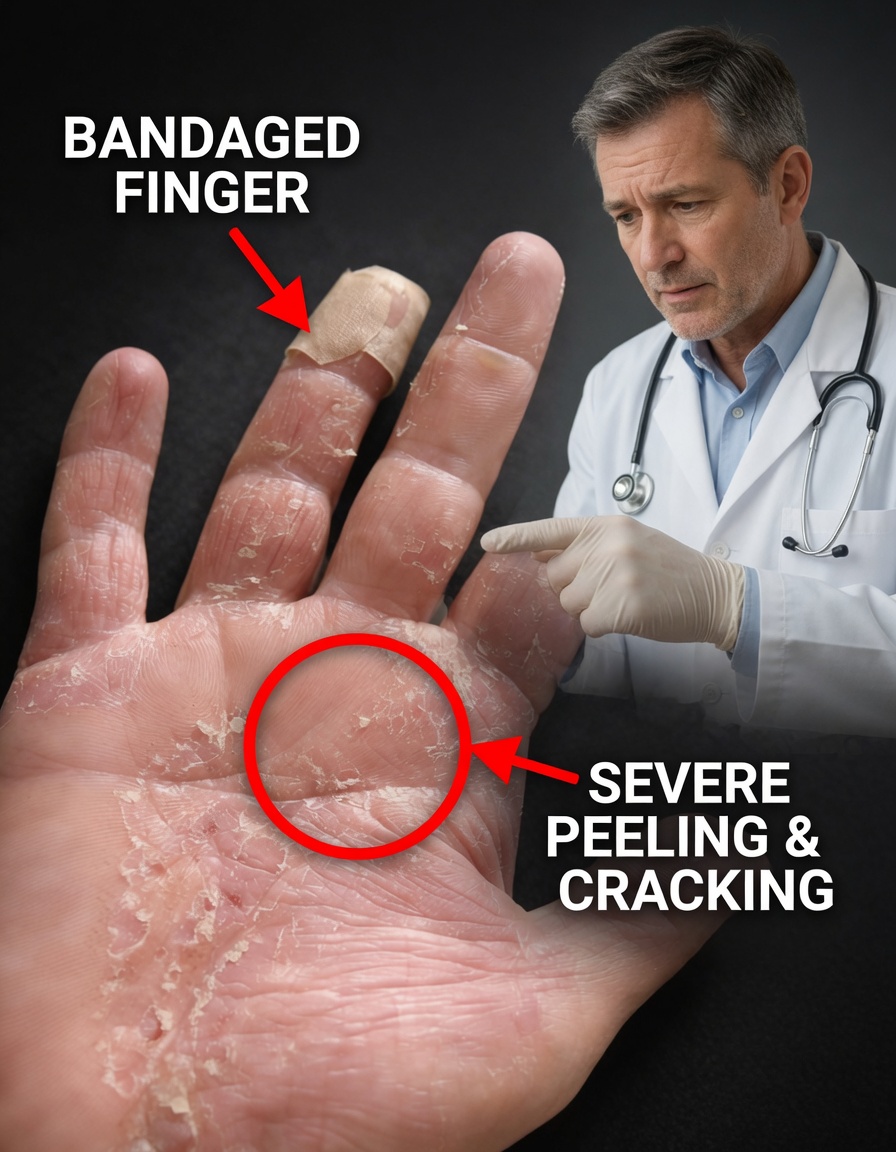
- Dryness with peeling or scaling, often between the fingers
- Small, deep blisters that can itch intensely
- Painful cracks (fissures) that hurt when you move your hands
A key point: early dryness often signals barrier impairment. Scientific reviews show increased water loss from the skin can be measured before a visible rash becomes obvious. If your hands feel constantly tight, rough, or “thirsty,” your skin barrier may already be struggling.
Daily Habits That Strengthen the Skin Barrier
Prevention is mostly about reliable barrier support. The goal is to reduce ongoing irritation while restoring the protective layer that keeps moisture in and triggers out.
A Step-by-Step Moisturizing Routine That Works
-
Pick a barrier-first moisturizer
Choose a thick, fragrance-free cream or ointment. Look for proven barrier helpers such as:- Ceramides
- Petrolatum (petroleum jelly)
These ingredients help replace lost lipids and reduce moisture loss.
-
Apply at the right times (frequency beats volume)
Moisturize immediately after each hand wash, while skin is still slightly damp, to lock in water. Applying smaller amounts consistently is usually more effective than using a lot once per day. -
Add an overnight repair window
Before bed, use a generous layer of a heavier ointment. Nighttime offers uninterrupted recovery time—no washing, friction, or exposure.
Smarter Washing and Glove Strategies
Small technique changes can significantly reduce irritation:
- For cleansing, use pH-balanced, soap-free or gentle cleansers when possible.
- Rinse thoroughly and pat dry with a soft towel—avoid aggressive rubbing, which adds friction and damage.
- For wet work or chemical exposure, wear vinyl or nitrile gloves with cotton liners underneath to reduce sweat buildup and irritation from prolonged occlusion.
When to See a Healthcare Professional
Home routines are often enough for mild cases, but professional guidance is important when symptoms don’t settle or complications appear. Consider medical advice if:
- Symptoms last longer than two weeks despite consistent barrier care
- You see signs of infection: oozing, swelling, pus, increasing warmth
- Itch or pain disrupts sleep or prevents you from working normally
- The rash spreads beyond the hands (for example, to arms or face)
A clinician or dermatologist may recommend patch testing to identify contact allergies you didn’t suspect. Early treatment can reduce the chance of long-term, chronic disease.
A Simple Hand Protection Plan You Can Start Today
Hand dermatitis tends to worsen when irritants are repeated and recovery time is limited. The most reliable approach is consistent, practical protection:
- Moisturize consistently: Use fragrance-free barrier creams multiple times daily, especially after washing.
- Use gloves strategically: Add cotton liners and avoid staying in airtight gloves longer than necessary.
- Identify personal triggers: Pay attention to which products or tasks cause itching or redness and reduce exposure when you can.
- Respond early: At the first sign of tightness or redness, increase moisturization and barrier support immediately.
The “Unexpected” Routine Tweak: The Cotton Glove Method
Here’s the promised daily adjustment: apply a thick emollient, then wear 100% cotton gloves for 30–60 minutes in the evening—or overnight if comfortable. Recent observations suggest this occlusive approach can significantly increase hydration by creating a warm, protected environment that helps moisture penetrate deeper and supports barrier recovery. Try it tonight and you may notice softer, smoother hands by morning.
FAQ: Common Questions About Hand Dermatitis
How often should I moisturize to help prevent hand dermatitis?
Apply a barrier cream after every hand wash and aim for at least 4–5 applications daily. Regular coverage helps ensure your skin barrier is not left exposed to irritants and dry air.
What’s better for hand dermatitis: cream or ointment?
In most cases, ointments (often petrolatum-based) provide stronger barrier protection and reduce water loss more effectively than lighter creams. If you dislike the feel, use a thick, fragrance-free cream during the day and switch to an ointment at night.
Do hand sanitizers cause hand dermatitis?
Alcohol-based sanitizers can increase dryness, especially when used frequently. However, they may still be preferable to harsh soap-and-water washing in some situations. The key is to moisturize right after and choose sanitizers with added humectants when possible.
Can hand dermatitis become chronic?
Yes. Research indicates a substantial portion of cases can become long-lasting, particularly when triggers continue (wet work, irritants, allergens) or when treatment is delayed. Early, consistent barrier care greatly improves the outlook.