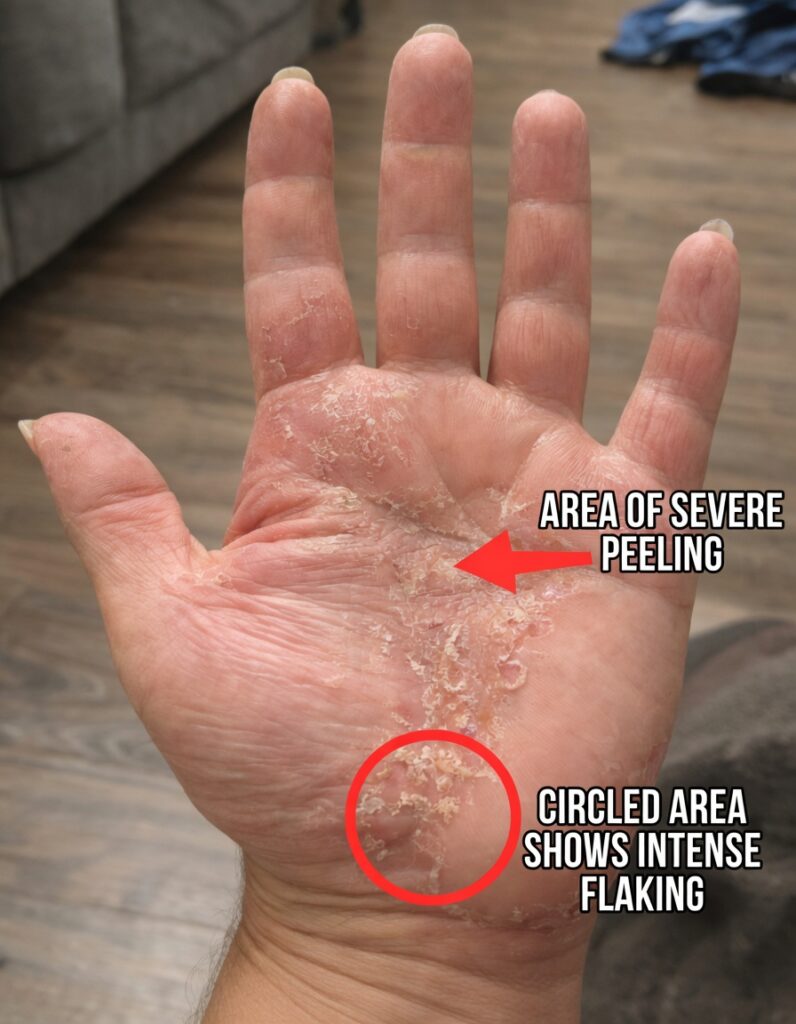
Your hands are exposed to water, soap, disinfectants, cleaning agents, and dry air every single day. Over time, these repeated hits quietly weaken the skin’s natural protective barrier. What begins as minor dryness or faint redness can progress into constant itching, painful cracks, and soreness—making simple actions like holding a mug, buttoning clothes, or using your phone surprisingly difficult. When early symptoms are brushed off, flare-ups often spread and intensify, turning daily routines into ongoing discomfort and sometimes even disrupting sleep or work.
The encouraging part: practical, research-supported habits—especially consistent moisturizing and smarter protection—can help preserve your skin barrier and stop symptoms from escalating. Keep reading to the end to learn one surprisingly effective daily tweak, supported by recent studies, that can noticeably improve how your hands feel within weeks.
What Is Hand Dermatitis (Hand Eczema), and Why Does It Affect Daily Life?
Hand dermatitis—often called hand eczema—is an inflammatory skin condition that mainly involves the hands and wrists. It is common worldwide, affecting up to around 10% of the general population, with systematic reviews reporting point prevalence of roughly 4–7% and one-year prevalence close to 10% in many settings (including evidence summarized in NIH-linked reviews and research published in Contact Dermatitis).
It also shows clear patterns:
- It is reported more often in women than men (for example, ~10.6% vs. ~5.2% in some population studies).
- It is strongly associated with frequent exposure to water and cleansers—often described as “wet work”.
From an occupational health perspective, this matters even more. Work-related skin disease is among the most common occupational illnesses, and hand dermatitis accounts for roughly 80–90% of occupational skin conditions in many datasets. Beyond statistics, the real burden is practical: itching, pain, and visible skin changes can make everyday tasks harder and affect confidence in social interactions (like shaking hands).
Many cases become long-lasting. Research highlighted in journals such as The Lancet suggests hand dermatitis can turn chronic in up to two-thirds of patients, which is why early recognition and consistent care are so important.
The Most Common Triggers of Hand Dermatitis (What Studies Show)
Hand dermatitis rarely appears “out of nowhere.” Most cases involve a combination of:
- Irritants that steadily break down the skin barrier
- Allergens that trigger immune reactions
- Personal risk factors, including genetics and a history of atopic eczema
Irritant Contact Dermatitis: The Leading Cause
The most frequent form is irritant contact dermatitis, which is non-allergic and is driven by cumulative damage. Evidence reviews often estimate it represents about 70–80% of occupational hand dermatitis cases.
Common irritants include:
- Frequent handwashing and prolonged water exposure
- Harsh soaps or detergents
- Alcohol-based sanitizers (especially when overused on already-damaged skin)
- Household or industrial cleaning products
This repeated exposure strips away natural oils and disrupts the outermost skin layer, making inflammation more likely over time.
Allergic Contact Dermatitis: When Sensitizers Are the Problem
Some people develop hand dermatitis because their skin reacts to specific allergens. Common examples include:
- Fragrances
- Nickel
- Rubber/latex-related chemicals
- Preservatives found in cosmetics or cleaning products
Clinical guidelines often emphasize patch testing when dermatitis is persistent or recurrent, because identifying the allergen can dramatically change long-term outcomes.
Atopic Tendencies and Genetics
A personal or family history of atopic dermatitis (eczema) significantly increases risk, especially when combined with wet work. Some research also links barrier-related genetic factors (such as filaggrin-related pathways) to more persistent disease.
Early Warning Signs: Catch Hand Dermatitis Before It Spreads
Early hand dermatitis can look like ordinary dry skin, which is why it’s often overlooked. However, certain signs are especially suggestive:
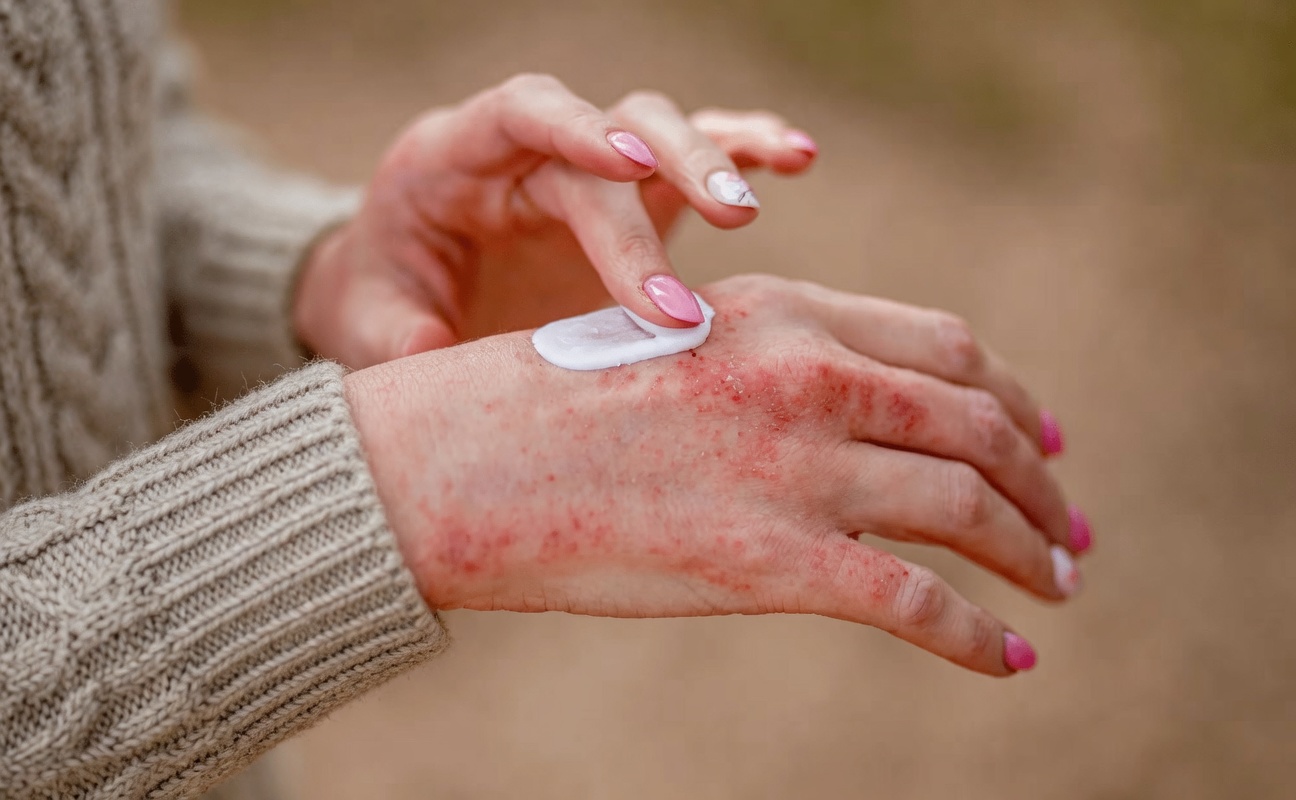
- Ongoing itching that doesn’t improve with basic lotions
- Redness with burning or stinging sensations
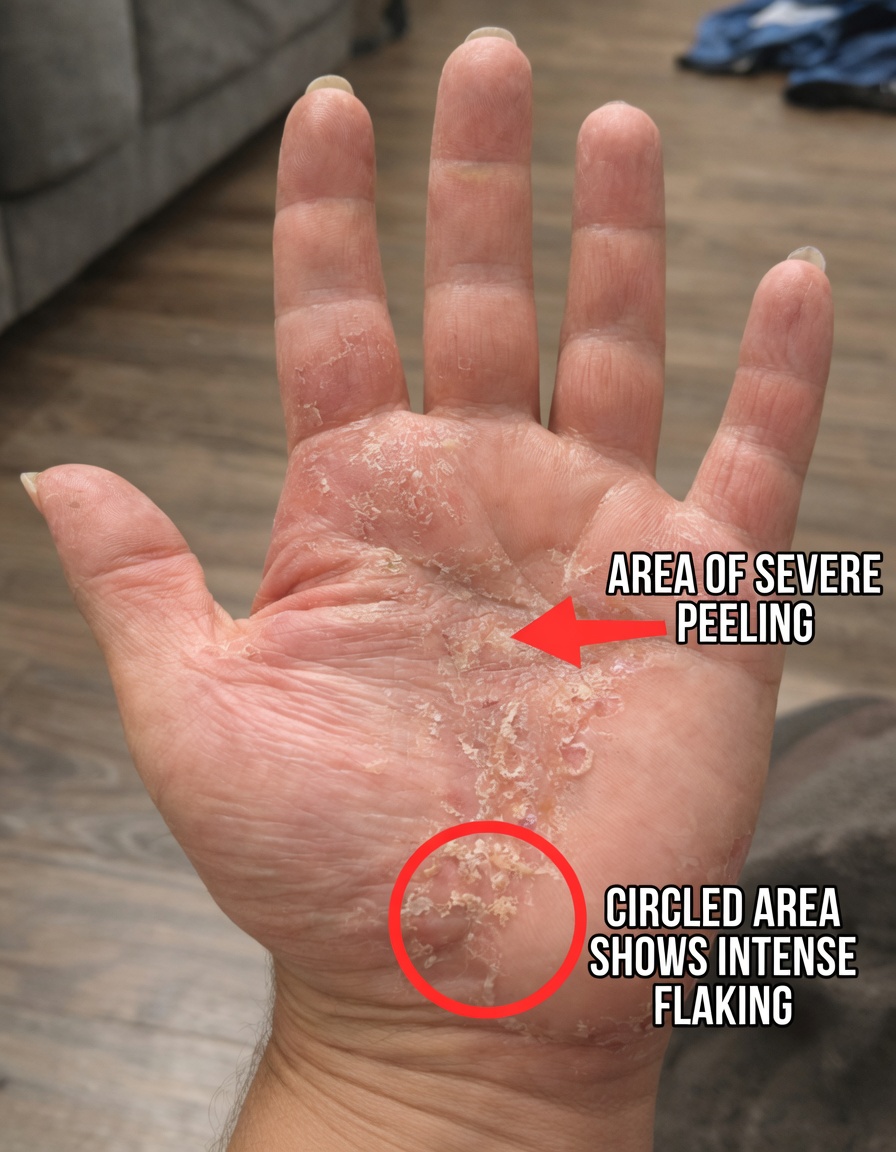
- Dry, flaky, or peeling skin, often between the fingers
- Cracks (fissures) that hurt with movement or contact
- Small blisters, especially on the sides of fingers or palms (dyshidrotic-type patterns)
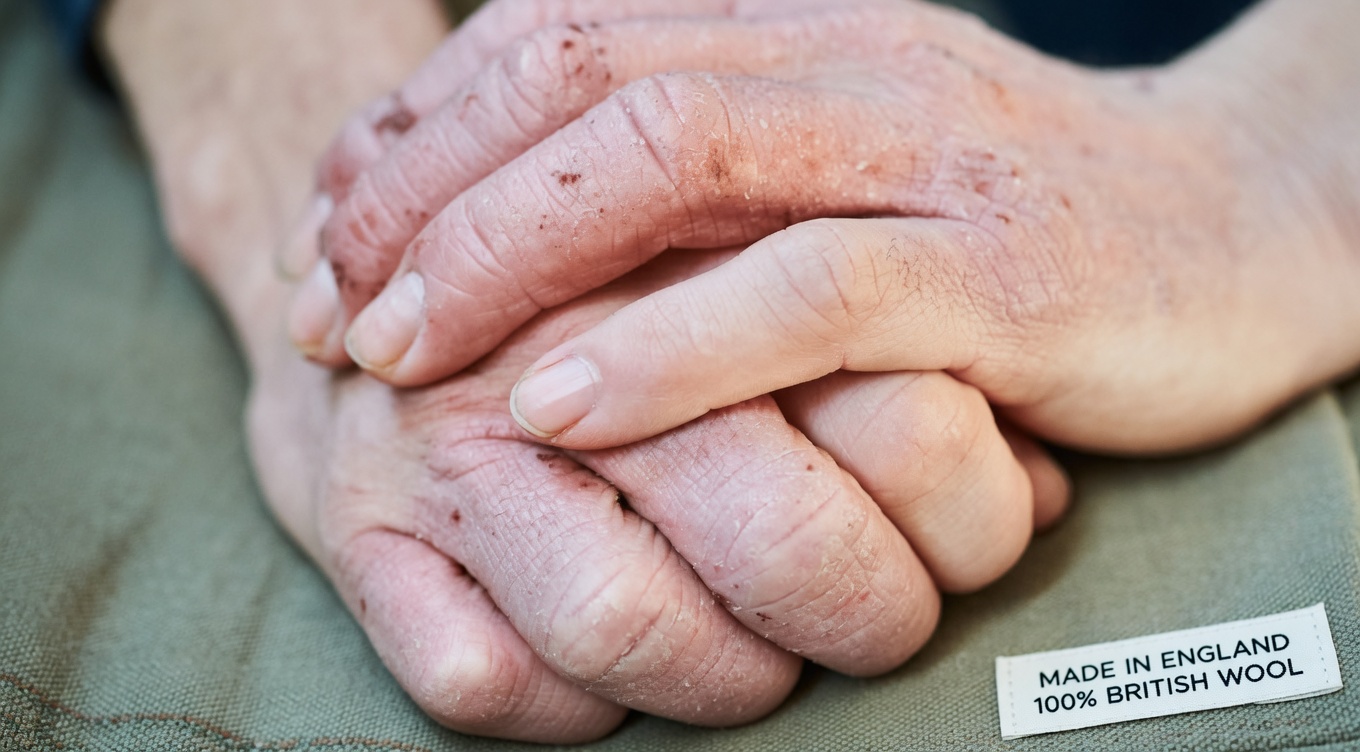
- Over time, thickened, rough skin (lichenification) can develop in chronic phases
Clinical reviews commonly describe a pattern where acute flares involve swelling and small vesicles, while chronic disease produces thicker, more rigid, scaling skin. Hands are frequently the first and primary site affected.
Daily Habits That Strengthen the Skin Barrier and Reduce Flare-Ups
Prevention and long-term control focus on one core principle: protect and rebuild the skin barrier. Evidence summaries (including Cochrane-style reviews and dermatology society guidance) support structured skin care and protection routines, especially in high-exposure environments.
A Practical, Step-by-Step Moisturizing Routine
1) Pick barrier-friendly moisturizers
Look for thick, fragrance-free products such as:
- Petrolatum-based ointments
- Ceramide-rich creams
- Dense, bland emollients designed for eczema-prone skin
Thicker formulas generally seal in moisture better than lightweight lotions and can support faster recovery of barrier lipids.
2) Apply at the right times (consistency matters)
Use moisturizer:
- After every handwash
- Before bed
- Any time hands feel tight or itchy
Workplace skin-care programs for healthcare workers have shown that structured routines can reduce the risk of developing dermatitis and help control symptoms.
3) Add an overnight “repair window”
A high-impact option is applying a generous layer of emollient at night and letting it work uninterrupted while you sleep (more on the most effective tweak in the conclusion).
Smarter Handwashing and Glove Use
Protective gloves—used correctly—can be a major advantage.
- For wet tasks: consider vinyl or nitrile gloves.
- For comfort and irritation reduction: add cotton glove liners underneath.
- Avoid wearing occlusive gloves for long periods without breaks, since trapped moisture can cause maceration and worsen irritation.
Gentle cleansing makes a measurable difference.
- Choose pH-balanced, soap-free cleansers when possible.
- Rinse thoroughly and pat dry rather than rubbing.
- When hands are not visibly dirty, alcohol-based hand rubs can be less disruptive than repeated soap-and-water cycles—especially when followed by moisturizer.
Avoid extremes
- Skip hot water
- Minimize unnecessary sanitizer use on already inflamed skin
If At-Home Steps Aren’t Enough
For people in high-risk jobs, reducing exposure can matter as much as treatment. Research on “dose-response” patterns suggests that less wet work often leads to faster improvement, because the skin finally has time to rebuild.
When to See a Dermatologist (Don’t Wait for Complications)
Home care may be enough for mild cases, but professional evaluation is recommended if:
- Symptoms last more than 2 weeks despite consistent moisturizing and protection
- Cracks become weepy, swollen, crusted, or pus-filled (possible infection)
- Pain or itch affects sleep, work, typing, or daily function
- The rash spreads beyond the hands or rapidly worsens
Clinical guidance commonly recommends patch testing for chronic or recurrent hand dermatitis, especially when allergic triggers are suspected. Early medical intervention can prevent long-term thickening, scarring, and repeated flares. Depending on severity, dermatologists may consider prescription anti-inflammatory treatments, advanced barrier therapies, or phototherapy in resistant cases.
A Simple Protection Plan for Healthier Hands (Start Now)
Hand dermatitis often thrives on repeated exposure and delayed action—but steady, protective habits can restore balance. Focus on these essentials:
- Moisturize consistently: fragrance-free, thick emollients multiple times daily (especially after washing)
- Use gloves strategically: protect for wet tasks, add cotton liners, and take breaks from occlusion
- Identify patterns: track soaps, cleaners, sanitizers, and workplace exposures; consider allergy testing when needed
- Act early: itch plus redness is a signal to strengthen your routine immediately
The “Unexpected” Daily Tweak Backed by Studies: Overnight Cotton Gloves
The most effective low-effort upgrade is: overnight moisturizing with cotton gloves. Pilot studies in high-risk groups (including healthcare workers) found that pairing a thick emollient with cotton gloves overnight improved symptoms over a few weeks and supported measurable barrier recovery (including reduced transepidermal water loss in some assessments). Many participants also reported better comfort and function.
How to try it:
- Apply a generous layer of a thick, fragrance-free emollient before bed.
- Put on clean cotton gloves.
- Sleep, then remove in the morning and moisturize again if needed.
Small, consistent actions build resilience—so your hands can handle everyday life comfortably.
FAQ: Common Questions About Preventing Hand Dermatitis
1) How often should I moisturize to help prevent hand dermatitis?
Moisturize after every handwash and aim for at least 4–5 applications per day, especially if you do wet work. Regular use supports barrier repair and can reduce new flare-ups.
2) Can gloves help, or can they make symptoms worse?
Both are possible. Gloves protect from irritants, but prolonged occlusion can trap moisture and aggravate inflammation. Using cotton liners and taking breaks helps many people.
3) Is hand dermatitis connected to atopic eczema?
Yes. A history of atopic dermatitis significantly increases risk. If you had childhood eczema, prioritize gentle cleansing, frequent moisturizing, and careful management of wet work exposure.
Disclaimer
This article is for general educational purposes and does not replace medical advice. For a personalized diagnosis or treatment plan—especially if symptoms persist, worsen, or show signs of infection—consult a qualified healthcare professional. Patch-test new products when possible, and seek evaluation for suspected allergies.