Intimate Odor After 60: Why It Changes and How to Feel Comfortable Again
Many women in their 60s and beyond notice a difference in intimate odor—even when they haven’t changed their shower routine, laundry habits, or overall hygiene. That can quickly turn into second-guessing yourself, avoiding close social moments, or feeling uneasy during errands, family visits, or travel.
The good news: postmenopausal odor shifts are usually linked to normal body changes, not “poor cleanliness.” With a few targeted updates to your hygiene habits after 60, you can often restore better comfort and confidence. One widely used routine can actually make the problem worse—and it’s revealed in the top habit to avoid.

Why Intimate Odor Often Changes After 60 (And Why It’s Not Your Fault)
After menopause, estrogen levels drop. That single shift can trigger several changes that affect vaginal comfort and scent:
- Vaginal tissue may become thinner and more sensitive.
- Natural lubrication often decreases.
- Vaginal pH commonly rises (becoming less acidic).
- The protective microbiome can shift, with fewer beneficial bacteria such as Lactobacillus.
When the balance changes, odor may become more noticeable—sometimes even when you’re doing “everything right.” Clinical research suggests a large percentage of postmenopausal women experience genitourinary changes, including variations in odor, irritation, or dryness. In other words, what you’re noticing is common—and it’s usually manageable.
The catch: a few “traditional” hygiene routines that seemed helpful earlier in life can backfire after 60.

The 5 Hygiene Habits Gynecologists Commonly Recommend Avoiding After 60
Below are five habits that can unintentionally worsen intimate odor in women over 60. Each one is fixable, and even small adjustments often lead to noticeable improvement.

Habit #5: Wearing Tight, Non-Breathable Underwear or Clothing Most Days
Synthetic underwear and consistently tight pants can trap heat and moisture. That warm, damp environment makes it easier for odor-causing bacteria to multiply—especially when postmenopausal tissues are more delicate.
Many clinicians (including well-known gynecologists who educate the public) emphasize that breathability matters. When airflow is limited, irritation and bacterial imbalance become more likely, which may lead to a persistent “musty” or sour smell that can linger even after bathing.
Try instead
- Choose cotton underwear or other breathable fabrics.
- Prefer looser-fit bottoms for everyday wear.
- Change underwear promptly after sweating.

Habit #4: Using Scented Soaps, Feminine Washes, or Fragranced Wipes
Products marketed for “freshness” often contain fragrance and surfactants that disrupt the natural environment. After menopause, the vaginal ecosystem is already more sensitive to changes in pH—so scented cleansers can create more odor, not less.
Regular use may also increase the risk of bacterial vaginosis (BV), which is commonly associated with a stronger, fishy odor. Many experts compare fragranced washing to repeatedly “resetting” healthy flora until protective bacteria can’t recover.
Try instead
- Clean the external vulva only with warm water.
- If you need a cleanser, choose unscented and gentle, and use it sparingly.
- Skip fragranced wipes for routine use.
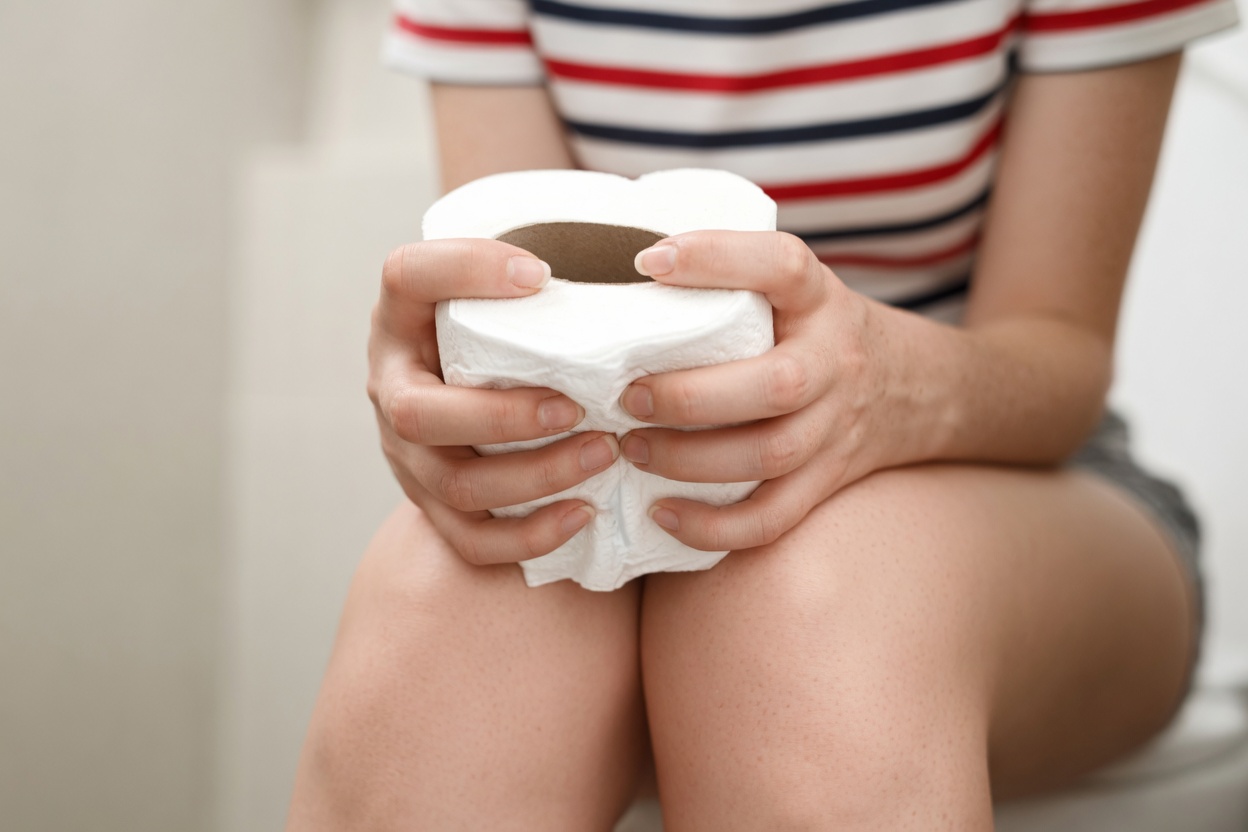
Habit #3: Back-to-Front Wiping or Rushing Through Bathroom Hygiene
Wiping from back to front can move bacteria (including E. coli) toward the vaginal area. After 60, natural defenses may be weaker, and the tissue can be more prone to irritation—so bacterial transfer becomes a bigger issue.
Rushing can also leave moisture behind, and lingering dampness can contribute to odor and discomfort.
Try instead
- Always wipe front to back.
- After using the toilet, pat dry gently rather than rubbing.
- Take an extra moment to ensure the area is dry.

Habit #2: Staying in Wet or Sweaty Clothes After Swimming or Exercise
Remaining in damp clothing—even “just for a little while”—creates a perfect setting for yeast and odor-causing bacteria. For active women, this can become a repeat trigger: a workout, a swim, then errands, then hours before changing.
Research and clinical guidance frequently point to moisture control as a simple but powerful way to reduce odor and lower infection risk.
Try instead
- Change out of wet swimsuits or sweaty workout clothes as soon as possible.
- If you can’t shower immediately, at least swap into dry underwear and breathable clothing.
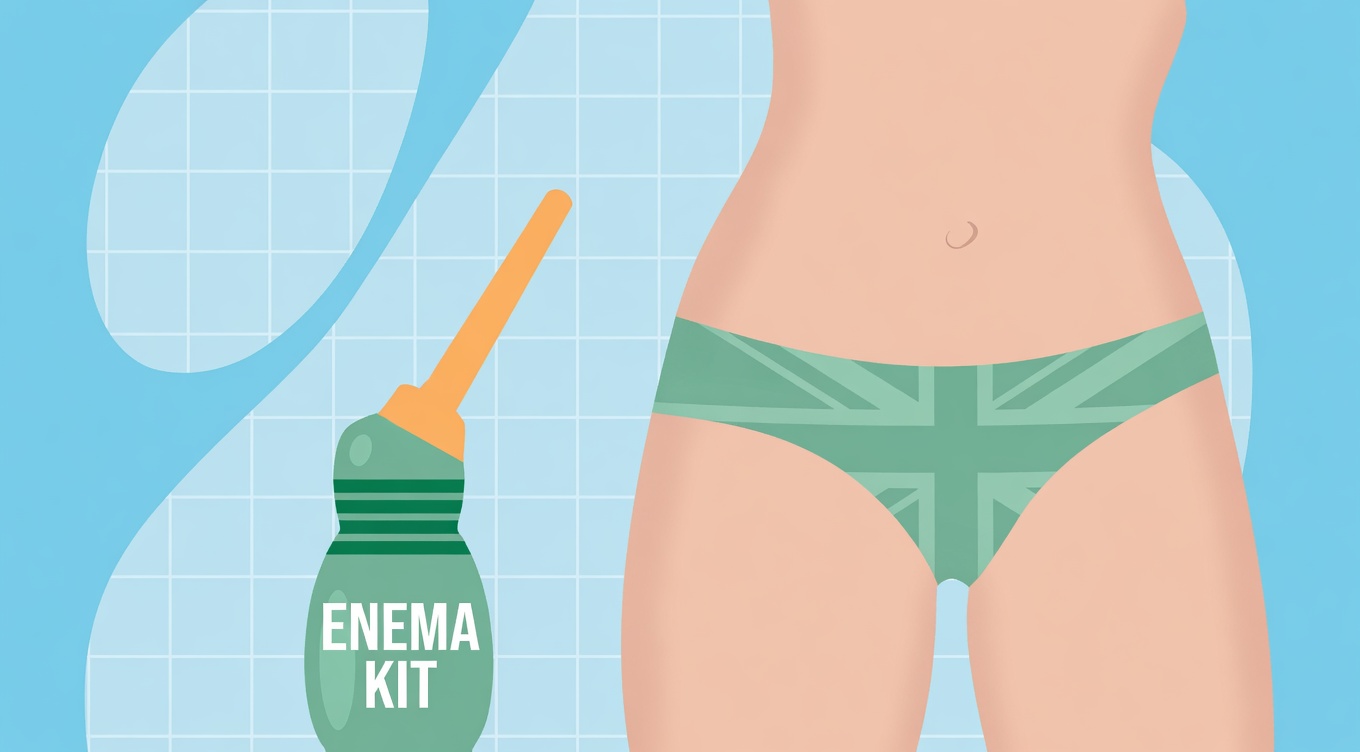
Habit #1: Douching or Any Aggressive Internal Cleaning
This is the most important habit to avoid. Douching (or scrubbing/cleansing internally) can remove beneficial bacteria, raise pH, and significantly increase the risk of BV—often making odor stronger and more persistent.
Many women continue douching because it was once recommended or normalized. Today, gynecologists widely advise against it because the vagina is a self-regulating environment. When you repeatedly “flush” it, you can disrupt the very system designed to keep it balanced.
Try instead
- Avoid douching entirely.
- Focus on gentle external care only.
- Give your body time—many women notice improvement within weeks after stopping internal cleansing.
Real-Life Examples: What Changed When Women Adjusted Their Routine
Small shifts often create outsized relief:
- Margaret (68) felt embarrassed by a persistent musty odor that seemed worse after walks and errands. A switch to breathable underwear and looser pants helped reduce moisture and improved comfort.
- Linda (72) avoided gatherings because she feared odor. After stopping douching and simplifying her routine, she felt noticeably fresher and less anxious.
- Susan (65) relied on scented wipes, believing they were helpful. Once she removed fragranced products and used water-only external cleansing, irritation decreased and confidence returned.
These stories reflect a pattern: less interference often supports better balance.
Why Avoiding These Habits Helps More Than Odor
Improving hygiene habits after 60 isn’t only about smell. A gentler approach can also support:
- Lower irritation and dryness triggers
- Reduced risk of BV and yeast imbalance
- Greater daily comfort (especially during travel, exercise, or long outings)
- Less mental stress and self-consciousness
A minimalist routine gives the body’s natural protective systems a better chance to stabilize.
Next Steps: A Simple Plan to Improve Hygiene Habits After 60
Use this practical checklist for the next 2–4 weeks:
- Switch to breathable underwear (cotton is a reliable choice) and avoid overly tight clothing most days.
- Stop scented products (soaps, washes, wipes) and keep cleansing gentle and external.
- Wipe front to back and pat dry to limit bacterial spread and reduce moisture.
- Change promptly after swimming or sweating—don’t stay in damp clothing.
- Eliminate douching and any internal “cleaning” methods.
Many women find that tracking changes for a few weeks helps them notice patterns and improvements more clearly—especially around workouts, travel, or warm weather.
Key Takeaways on Intimate Odor and Hygiene Habits After 60
Postmenopausal odor changes are often driven by normal shifts in hormones, pH, and the vaginal microbiome—not by poor hygiene. By avoiding five common habits (tight synthetic clothing, scented products, risky wiping routines, staying in wet clothes, and especially douching), you can often reduce odor triggers and regain everyday confidence.
A consistent theme runs through every recommendation: gentle, breathable, and minimal care supports the body’s natural balance best after 60.