
Managing diabetes can feel challenging—especially when you’re trying to enjoy everyday foods like fruit without constantly worrying about blood sugar spikes. Because fruit contains natural sugars, many people with diabetes avoid it altogether, missing out on fiber, vitamins, and minerals. The good news is that with smarter choices and mindful portions, fruit can still have a place in a diabetes-friendly eating pattern. By the end of this guide, you’ll also learn an unexpected fact about one fruit that may change how you think about planning your meals.
Why Fruit Choice Matters in Diabetes Management
For people living with diabetes, picking fruit intentionally is important. Fruits can deliver valuable nutrients such as vitamin C, potassium, antioxidants, and dietary fiber, all of which support overall health. At the same time, different fruits can affect blood glucose differently.
One useful concept is the glycemic index (GI), which reflects how quickly a food may raise blood sugar. Lower- to moderate-GI fruits are often easier to fit into a balanced routine—especially when portion sizes are controlled.
Fiber also plays a big role. High-fiber fruits tend to slow sugar absorption, which may support steadier energy and more gradual changes in blood glucose. Organizations such as the American Diabetes Association commonly emphasize balance, portion awareness, and overall dietary quality rather than eliminating fruit completely.

Common Misunderstandings About Fruit and Blood Sugar
A persistent myth is that all fruit is “too sugary” for diabetes. In reality, impact depends on:
- Type of fruit
- Serving size
- How it’s prepared
- What you eat it with
Fresh, whole fruits that contain plenty of water and fiber generally affect blood sugar differently than processed options. Avoiding fruit entirely can also reduce intake of key nutrients, including vitamin C and potassium, which are important for immune and heart health.
A major distinction to remember:
- Whole fruit contains fiber and tends to be more filling.
- Fruit juice and many dried fruits can be more concentrated in sugar and easier to overconsume.
With that foundation, let’s look at three fruits often considered easier to include in a diabetes-friendly diet.
Three Diabetes-Friendly Fruits to Consider
These options are commonly highlighted for their fiber content and relatively lower or moderate GI values. Individual responses vary, so blood glucose monitoring remains essential.
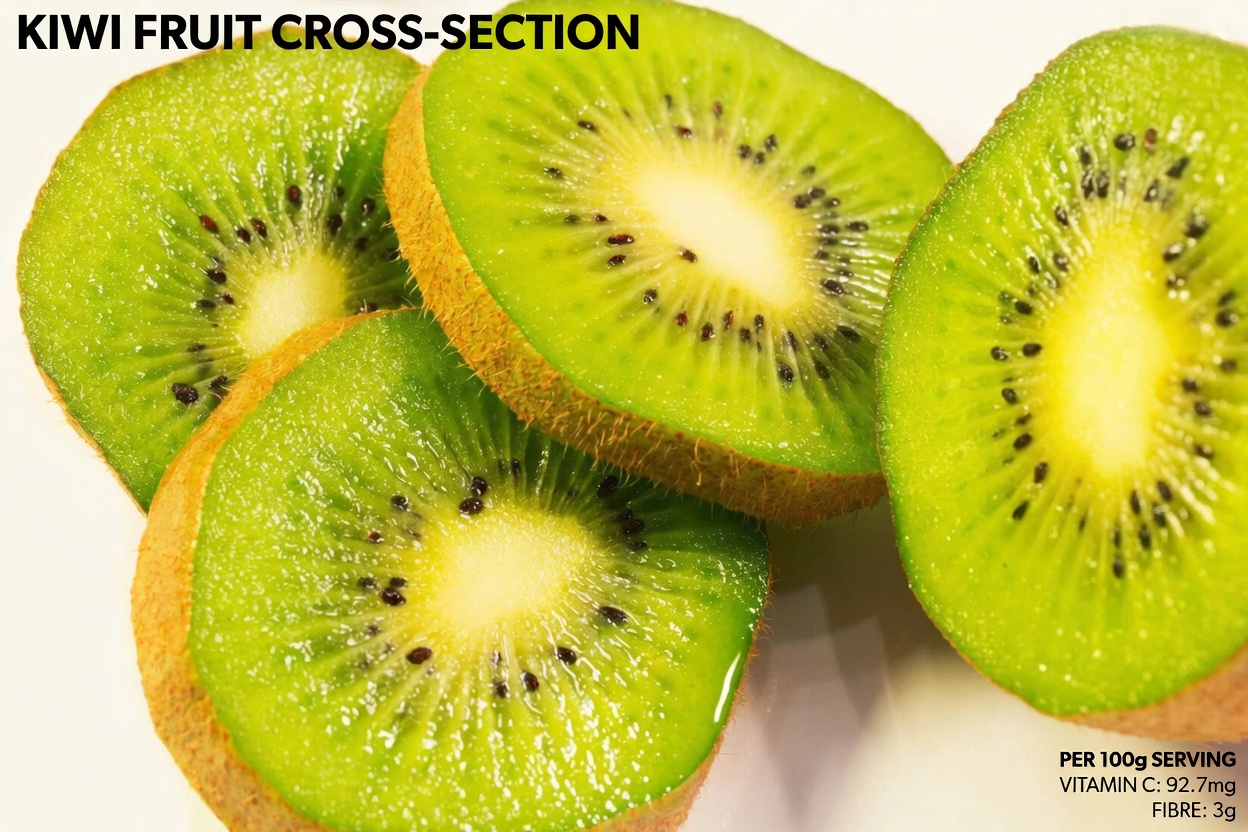
1. Kiwi: Small Fruit, Strong Nutrition
Kiwi may be small, but it offers impressive nutrition. A medium kiwi typically provides around 2–3 grams of fiber, which supports digestion and can help slow the absorption of sugars.
Kiwi is also known for being rich in:
- Vitamin C (immune support and antioxidant activity)
- Potassium (supports healthy blood pressure)
Kiwi’s glycemic index is often cited around 50, placing it in a moderate range—meaning it can be a sensible choice when eaten in appropriate portions. It’s also easy to use: slice it into yogurt, add it to salads, or enjoy it on its own.
2. Peaches: Hydrating, Sweet, and Balanced
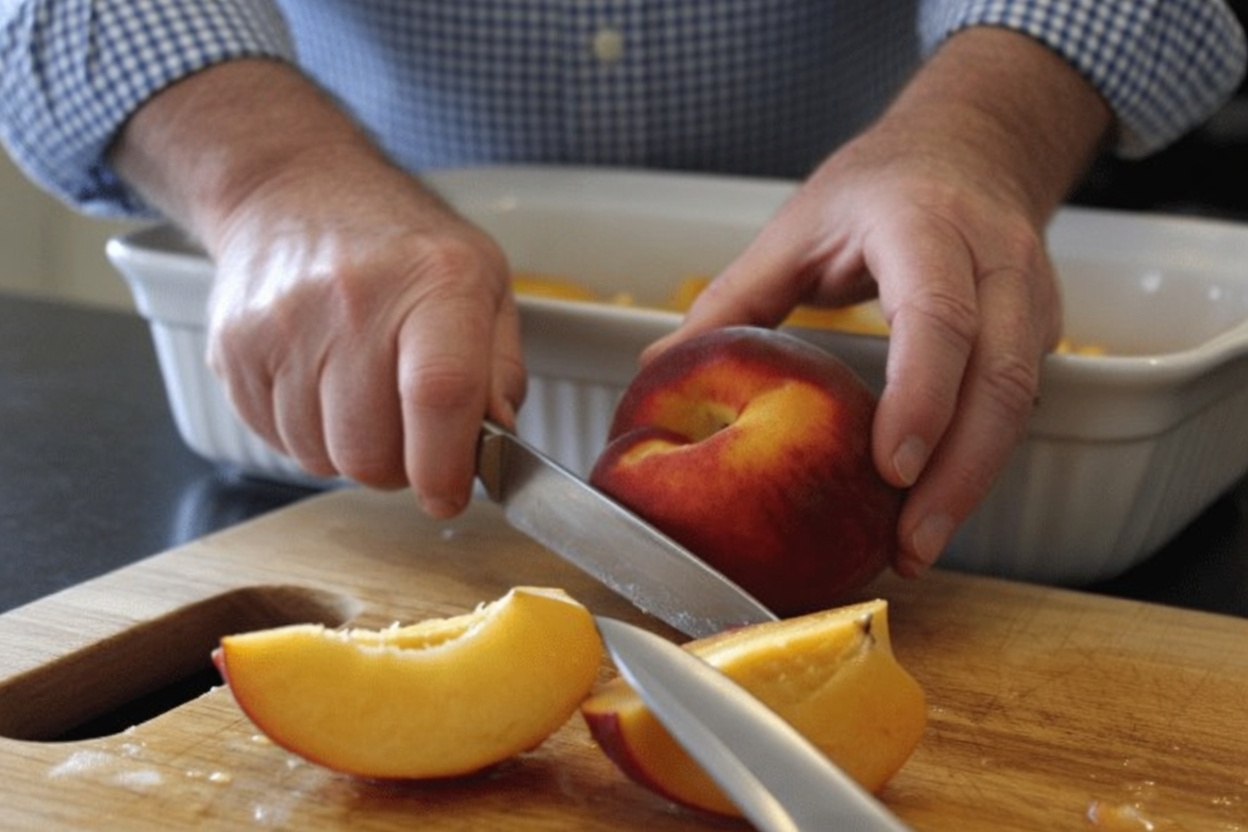
Peaches are a popular warm-weather fruit with a naturally sweet flavor and high water content. A medium peach generally contains about 2–3 grams of fiber and has an approximate GI near 42, which is considered relatively low.
Nutritional highlights of peaches include:
- Vitamins A and C
- Antioxidants such as beta-carotene, often linked to eye health and overall antioxidant defense
Because peaches are juicy and hydrating, they can be a refreshing snack—especially when you want something sweet without reaching for processed desserts.
3. Plums: Low GI and Naturally Versatile
Plums come in many varieties, colors, and sizes, and they’re often recognized for having a lower glycemic index (around 35). A small plum typically contains about 2 grams of fiber, making it a convenient option for quick snacking.
Plums also provide:
- Polyphenols, plant compounds studied for roles in gut and overall health
- Vitamin K, important for bone support
One distinctive feature is that plums contain sorbitol, a naturally occurring compound that can support gentle digestion for some people. Eating plums fresh helps preserve their natural texture, water content, and overall nutritional value.
Quick Comparison Table: Kiwi vs. Peaches vs. Plums
Here is a simplified overview of how these fruits compare.
- Kiwi
- Glycemic Index: ~50
- Fiber per serving: 2–3 g
- Key nutrients: Vitamin C, Potassium
- Peaches
- Glycemic Index: ~42
- Fiber per serving: 2–3 g
- Key nutrients: Vitamins A & C, Beta-carotene
- Plums
- Glycemic Index: ~35
- Fiber per serving: ~2 g
- Key nutrients: Polyphenols, Vitamin K
Practical Ways to Add These Fruits to Your Routine
If you want to include fruit more confidently, focus on small, repeatable habits:
- Buy fresh, high-quality fruit
- Choose fruit that looks vibrant and feels firm (without major bruising).
- Start with modest portions
- Try one serving per day and check your response using your usual monitoring routine.
- Pair fruit with protein or healthy fat
- Examples: kiwi with plain yogurt, peaches with nuts, plums alongside a cheese stick.
- Use simple prep ideas
- Add kiwi to salads, lightly grill peach slices, or keep plums ready for grab-and-go snacks.
- Track how you feel for a week
- Note energy, hunger, digestion, and any patterns in blood glucose.
Additional Benefits (and a Few Smart Considerations)
Beyond blood sugar management, these fruits can support broader wellness goals:
- Fiber can improve digestive comfort and promote fullness.
- Antioxidants help the body manage everyday oxidative stress.
- Variety matters—rotating fruits helps broaden your nutrient intake and keeps meals interesting.
Also, remember that preparation matters: choosing whole fruits over juices typically makes it easier to control sugar intake and benefit from fiber.
Conclusion: Small Shifts That Make Fruit Feel Possible Again
Kiwi, peaches, and plums can be flavorful, nutrient-rich choices within a diabetes-friendly diet—especially when eaten in moderation and combined with balanced meals. Using portion awareness, pairing strategies, and simple tracking can help you enjoy fruit with more confidence.
A surprising final note: plums are among the oldest cultivated fruits, enjoyed for thousands of years—proof that some healthy foods truly stand the test of time.
Frequently Asked Questions (FAQ)
What serving sizes make sense for these fruits?
Common starting portions include:
- 1 medium kiwi
- 1 medium peach
- 1–2 small plums
Adjust based on your personal blood glucose response and your healthcare team’s guidance.
Is there a best time of day to eat these fruits?
Many people do well eating fruit with meals or paired with protein, which may help slow absorption. Morning or afternoon snacks are common, but timing should fit your routine.
What if I can’t find kiwi, peaches, or plums?
Other options often considered lower GI include:
- Berries
- Apples
Prioritize fresh, whole fruit when possible for the best fiber and fullness benefits.
Medical disclaimer: This article is for informational purposes only and does not replace professional medical advice, diagnosis, or treatment. Always consult your healthcare provider before making changes to your diet or health routine.