Many adults over 50 start noticing subtle shifts in energy, strength, and mobility—and it’s easy to assume it’s simply “normal aging.” Feeling less confident on stairs, hesitating to lift heavier items, or sensing a slight loss of steadiness can spark real concerns about staying active and independent.
The encouraging news is that everyday routines may help support the body’s natural bone maintenance processes. Below are practical, research-aligned habits inspired by the philosophy of Dr. Shigeaki Hinohara, a widely respected Japanese physician known for emphasizing simple, consistent daily actions for long-term well-being. The final habit may seem understated, but it often makes the others more effective—read through to see how it connects everything.
Bone Health and Aging: What Changes Over Time?
Bone structure is not fixed; it continually renews itself. However, as people move into their 60s and beyond, natural shifts—such as hormone changes and slower cellular activity—can contribute to gradual bone density loss. Major health organizations, including the National Institutes of Health, note that this affects millions, yet early clues are often missed.
Small signals can include:
- Slight loss of height
- Increased joint discomfort
- A sense of stiffness or reduced mobility
These changes do not automatically dictate how your later years will look. A growing body of research suggests lifestyle plays a central role in how well bones and muscles respond over time—especially when healthy habits are repeated consistently.
Why Dr. Shigeaki Hinohara’s Perspective Still Matters
Dr. Shigeaki Hinohara was among Japan’s longest-practicing physicians and became known for sharing practical, everyday guidance rather than extreme programs. His core message emphasized steady routines, a balanced mind-body approach, and habits that support overall resilience—including physical strength and mobility.
While no single routine is a cure or guarantee, many of his principles align well with modern aging and longevity research. The six habits below reflect that spirit: simple, repeatable actions that help support movement, stability, and long-term independence.
Habit 1: Do More Weight-Bearing Movement
Weight-bearing activity places safe, controlled stress on bones, signaling the body to keep bones strong. Useful examples include:
- Brisk walking
- Stair climbing
- Light resistance exercises
If you’re starting from a low activity level, keep it realistic. Try 20–30 minutes, a few times per week, then build from there. Research in older adult populations suggests weight-bearing movement can support bone density maintenance, especially in areas like the hips and spine.
A helpful strategy is to “attach” this habit to something you already do daily—like a walk after lunch or before dinner.
Habit 2: Add Gentle Impact (Low-Level “Bone Signals”)
You don’t need intense jumping to introduce impact. Small, controlled motions may create mild vibrations that stimulate bone cells. Examples include:
- Heel drops (lifting heels then letting them tap down gently)
- Stepping down from a low curb or step
Aim for 20–30 repetitions per day, and hold onto a counter or sturdy chair for stability if needed. Some studies examining vibration-style interventions suggest potential bone health benefits in seniors when performed safely and consistently.
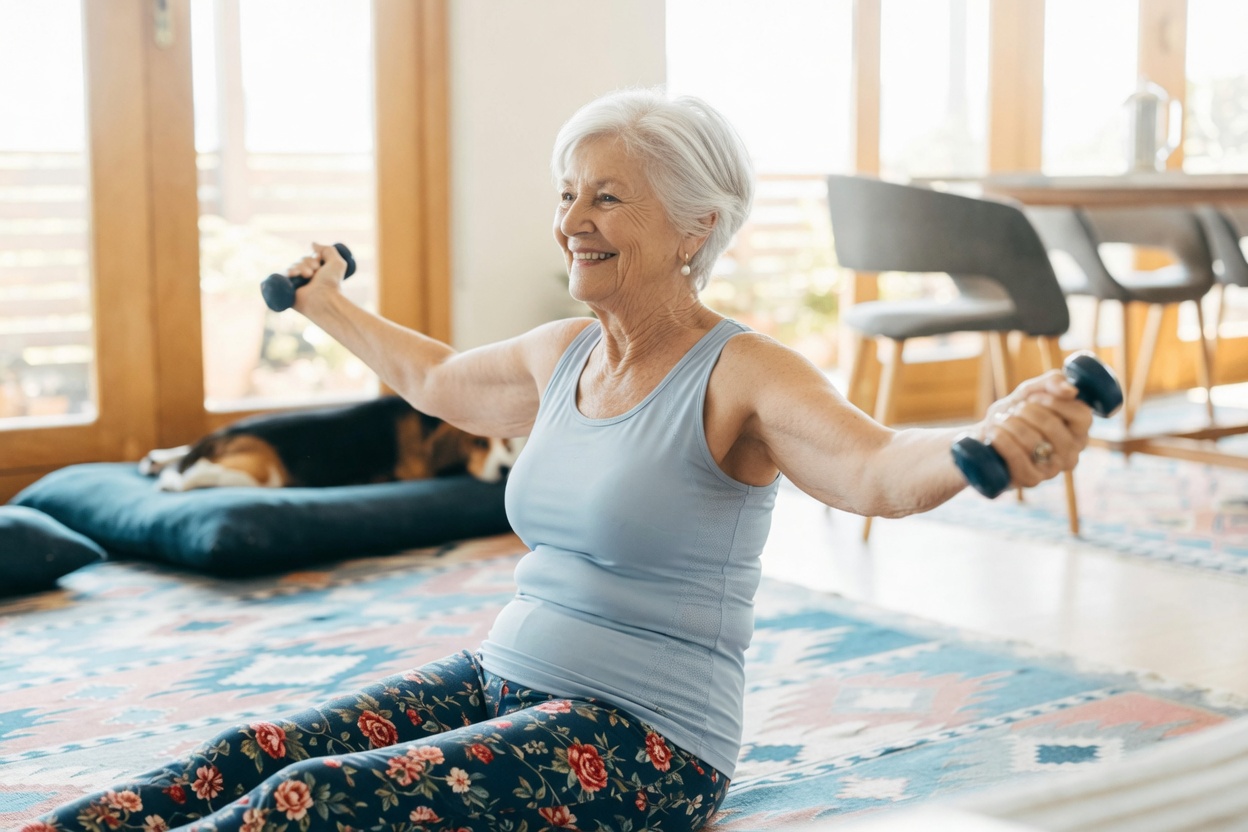
Impact works best when paired with strength—because muscle helps protect bones during daily movement.
Habit 3: Build Muscle to Support and Shield Bones
Muscle is more than appearance—it functions like a protective system that supports posture, absorbs force, and improves movement control. Strength-building options that are often accessible include:
- Resistance bands
- Bodyweight squats or sit-to-stands
- Wall push-ups or light dumbbells
Start with 2–3 sessions per week, focusing on major muscle groups (legs, hips, back, and core). Clinical research repeatedly links stronger muscle and improved function with better bone-related outcomes and fewer mobility limitations.
Habit 4: Train Balance to Reduce Fall Risk
Falls are a major concern as people age, and balance can be trained like any other skill. Even brief daily practice can improve stability and reaction time. Consider:
- Standing on one foot (near a support surface)
- Heel-to-toe walking
- Tai Chi or slow, controlled movement routines
Try 10 minutes per day. Balance-focused intervention programs often show meaningful improvements in stability among older adults, which can translate into greater confidence in everyday life.
Habit 5: Choose Foods That Deliver Bone-Supporting Nutrients
Bones rely on multiple nutrients working together. Prioritize meals that include:
- Calcium (dairy, fortified alternatives, leafy greens)
- Vitamin D (fatty fish, fortified foods, safe sunlight exposure)
- Protein (fish, poultry, eggs, beans, yogurt, tofu)
Rather than focusing on one nutrient alone, aim for consistent, balanced intake. Many large-scale nutrition studies highlight that bone maintenance depends on a combination of adequate minerals, vitamins, and protein over time.
Habit 6: Protect Sleep Quality and Manage Stress
This habit often gets overlooked, yet it can influence the body’s hormone regulation and recovery—both of which play roles in bone turnover and physical resilience. Practical options include:
- A consistent sleep schedule
- Relaxation or breathing practices
- Short daily mindfulness or meditation
- Reducing late-night screen time
Target 7–8 hours of sleep per night when possible. Research on sleep and health suggests that better rest supports overall physical function—and indirectly supports habits like exercise adherence and recovery.
A Simple Step-by-Step Plan to Begin
Starting doesn’t need to feel complicated. Use this gradual framework:
- Week 1: Observe your routine. Note energy, balance, stiffness, and confidence during daily tasks.
- Week 2: Add one 15-minute walk each day (or most days).
- Week 3: Add balance practice (for example, one-leg stands while brushing your teeth).
- Week 4: Improve meals with a focus on protein and calcium-rich foods.
- Ongoing: Track your habits in a journal and adjust slowly based on how your body responds.
Consistency is the goal—not perfection.
How These Daily Habits Compare to Common Approaches
Here’s a general comparison of integrated lifestyle habits versus other strategies:
-
Daily habits (movement + strength + nutrition + rest):
- Supports bone activity through repeated signals
- Helps lower fall risk via balance and strength
- Highly sustainable when built into routines
- Low cost
-
Supplements only:
- Benefit depends on absorption and consistency
- Does not improve balance or reduce fall risk on its own
- Requires ongoing use
-
A rest-only lifestyle (minimal activity):
- Lacks the stimulation bones and muscles need
- Can increase weakness and fall risk over time
-
Medical interventions:
- May help slow loss or reduce fracture risk for some individuals
- Works best when paired with appropriate lifestyle habits
- Often requires monitoring and higher cost
Real-World Results People Often Notice
People who adopt similar routines frequently describe:
- Feeling steadier while walking or using stairs
- More confidence doing hobbies like gardening
- Improved posture and easier movement after building strength and improving protein intake
While these are anecdotal examples, they match broad research patterns: steady habits tend to produce noticeable functional improvements over time.
A Realistic Timeline for Progress
Change is usually gradual, but momentum builds:
- Weeks 1–4: Small boosts in energy and balance awareness
- Months 2–6: Movement feels easier; daily stiffness may lessen
- 6–12 months: Routine health checks may show improved stability in markers (varies by person)
- Long term: Better support for independence and mobility
Summary: A Practical Path Forward
These six habits—reflecting Dr. Hinohara’s common-sense philosophy—offer a structured, sustainable way to support bone health as you age:
- Weight-bearing movement
- Gentle impact actions
- Muscle-building strength work
- Balance training
- Nutrient-rich eating (calcium, vitamin D, protein)
- Consistent sleep and stress management
Choose one or two to begin with, then build from there. Small daily actions add up.
Frequently Asked Questions
What are easy ways to increase vitamin D?
Common options include brief sunlight exposure (about 10–15 minutes daily, depending on skin type and local UV conditions) and foods such as fatty fish and fortified dairy or alternatives. Supplements may be appropriate for some people after discussing with a healthcare professional.
How can I tell if my bones may need more support?
Clues such as posture changes, persistent joint discomfort, loss of height, or reduced stability can be reasons to speak with a clinician. Screening tests can provide clearer insight than symptoms alone.
Do these habits work for everyone over 60?
Benefits vary by health status and starting point, but many older adults can improve function and stability with personalized versions of these habits. Adjust intensity to your needs and consider professional guidance if you have existing conditions.
Medical Disclaimer
This article is for informational purposes only and does not replace professional medical advice. Consult your healthcare provider before making significant changes to exercise, nutrition, or supplements—especially if you have chronic conditions or a history of falls or fractures.