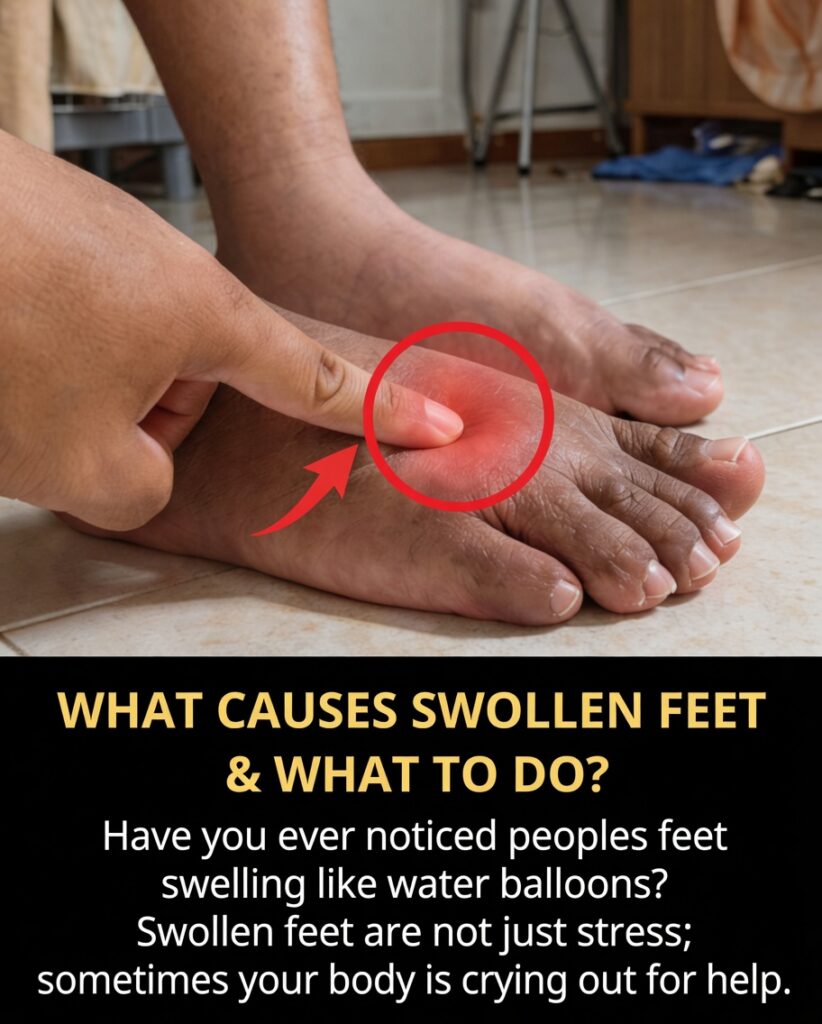
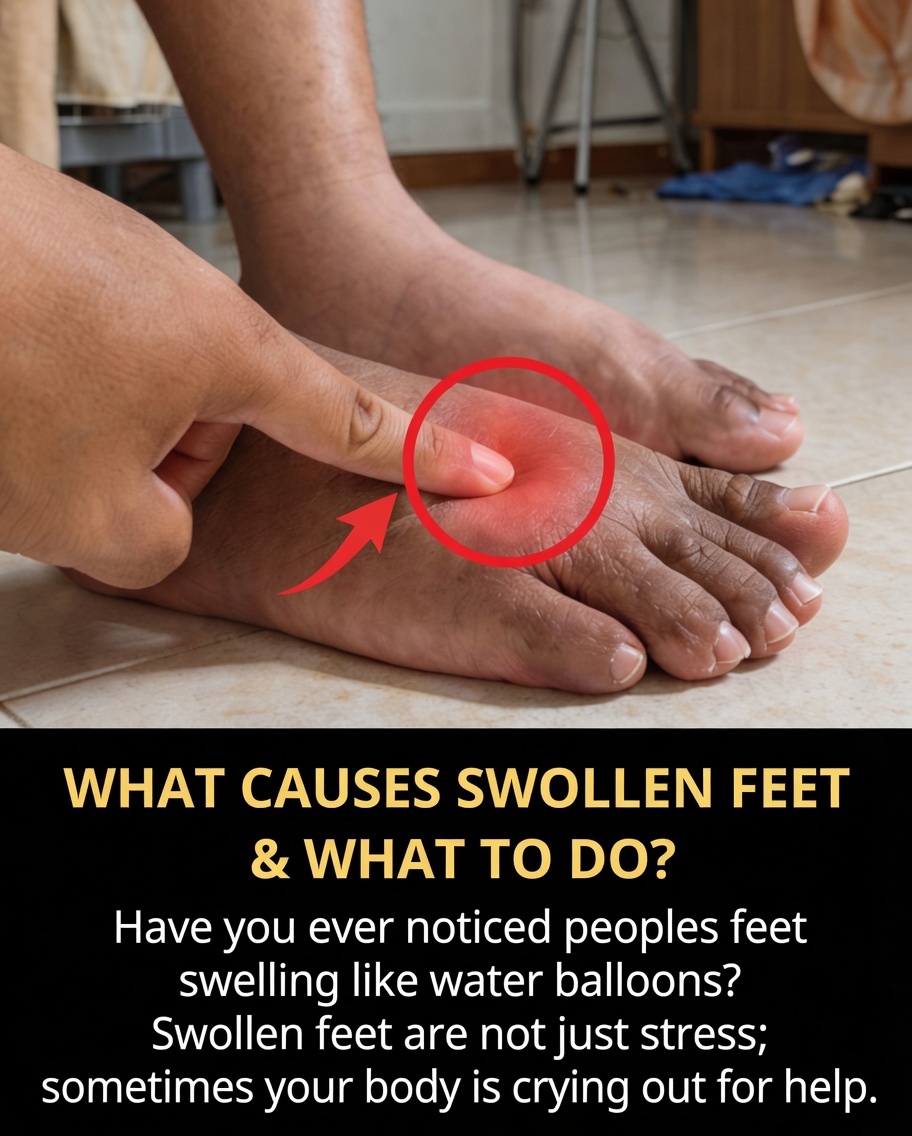
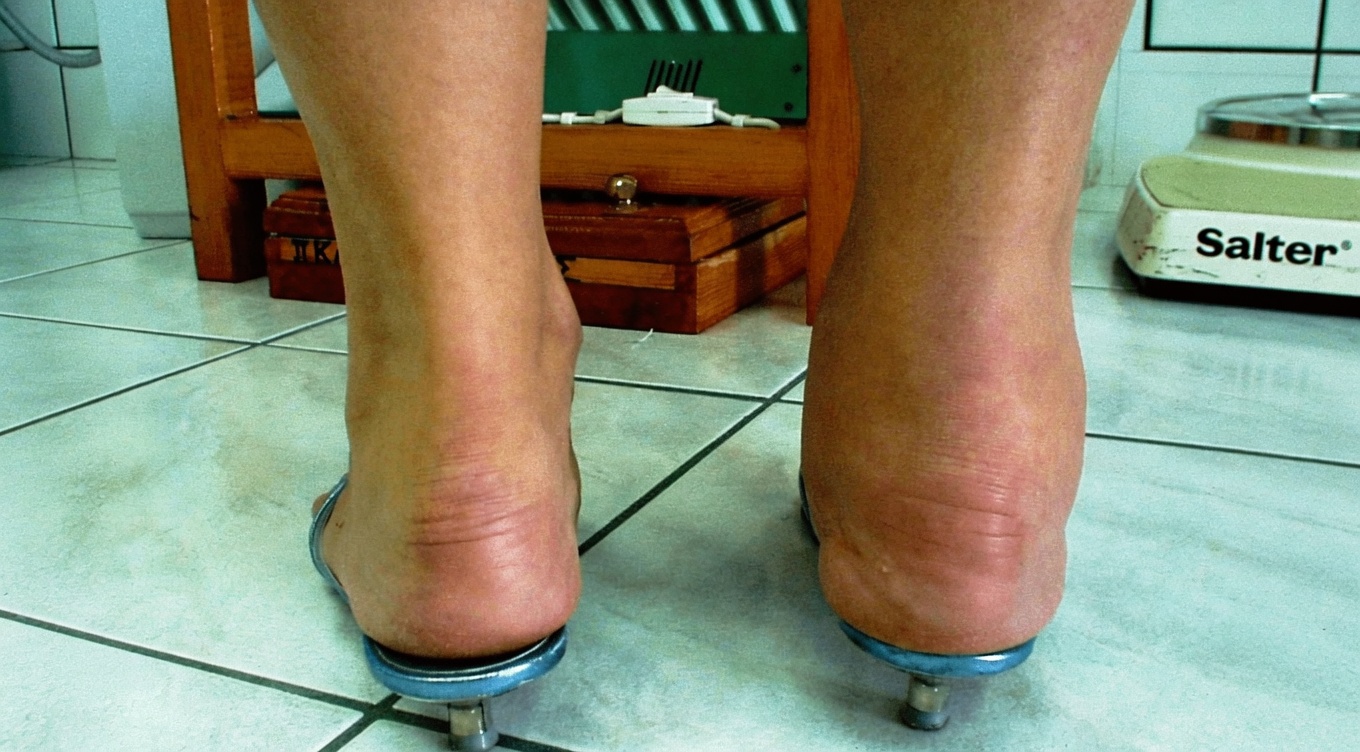
Have you ever taken off your shoes after a long day and noticed your feet look puffier than usual—ankles seeming to “disappear,” skin looking tight or shiny, and shoes suddenly feeling too snug? That heavy, uncomfortable sensation can make you wonder whether it’s just normal fatigue or a sign your body needs attention. Occasional swelling happens to many people, but ongoing or recurrent swelling in the feet and ankles—often called edema—deserves a closer look. The encouraging part is that once you understand the most common triggers, a few practical daily changes can noticeably improve how your legs feel by evening.
What Is Edema in the Feet and Ankles?
Edema is swelling caused by extra fluid collecting in body tissues. Because of gravity, fluid tends to settle in the lowest parts of the body, especially when you spend long hours upright or seated. Health sources such as the Mayo Clinic note that swelling often shows up in the feet and ankles because they’re farthest from the heart, making fluid return more challenging.
Mild swelling may improve overnight or after rest. However, swelling that persists, worsens, appears suddenly, or follows a pattern is worth paying attention to.
Common Daily Reasons Your Feet Swell
1. Staying Still for Too Long (Standing or Sitting)
Long periods of sitting or standing—desk work, retail shifts, long commutes, road trips, or flights—can slow circulation and allow fluid to pool in the lower legs. Warm weather can intensify the issue because blood vessels expand, making fluid leakage into tissues more likely.
What to do today:
- Get up for brief walks or do ankle circles every hour
- Elevate your feet above heart level for 15–20 minutes a few times daily
- Consider compression socks if you’re on your feet for extended periods
Research consistently supports regular movement as a simple way to improve circulation and reduce fluid pooling.
2. Too Much Salt (High Sodium Intake)
A sodium-heavy diet encourages your body to retain water, which can show up as puffiness in the feet, hands, and face—sometimes even making rings feel tight or causing bloating.
Easy adjustments that help:
- Reduce processed foods, fast food, packaged snacks, and many canned items
- Drink enough water to support natural sodium balance
- Add potassium-rich foods such as bananas, spinach, avocados, and sweet potatoes
Many people notice swelling improves within a few days of lowering sodium intake, according to widely used health guidelines.
Swollen Feet During Pregnancy
Swelling in pregnancy is extremely common, particularly in the third trimester. Your body holds more fluid and increases blood volume to support the baby, while the growing uterus can press on veins and slow blood flow returning from the legs.
Helpful pregnancy-safe habits:
- Rest with your feet elevated whenever possible
- Limit long stretches of standing
- Sleep on your left side to reduce pressure on major veins
- Stay well-hydrated
Seek medical care urgently if swelling is sudden and severe, especially if it comes with headache, vision changes, or upper abdominal pain, as this can require immediate evaluation.
When Swelling May Be Linked to Heart Function
If the heart is not pumping efficiently, fluid can back up and collect in the legs and feet. This type of swelling often:
- Affects both legs
- Gets worse later in the day
- May come with fatigue or shortness of breath
Practical steps to take:
- Track your daily weight (fast weight gain can suggest fluid retention)
- Follow any prescribed health plan closely
- Get medical evaluation if symptoms persist or progress
Health organizations caution against ignoring ongoing swelling in both legs, especially when paired with breathing or energy changes.
Kidney-Related Fluid Retention
The kidneys regulate fluid and electrolyte balance. If kidney function is impaired, the body may hold onto fluid. Some people also notice:
- Puffiness around the eyes
- Changes in urination
- Ongoing fatigue
Management typically includes medical testing and diet guidance—often with sodium reduction tailored to your situation. Kidney-related swelling may develop gradually rather than overnight.
Liver Conditions and Fluid Buildup
The liver produces proteins that help keep fluid inside blood vessels. When liver function declines, fluid can leak into tissues. Possible accompanying signs include:
- Swelling in the abdomen
- Skin changes
This situation requires professional medical care; home strategies alone are not enough.
Chronic Venous Insufficiency (Weak Vein Valves)
When vein valves weaken, blood can struggle to travel back up the legs, leading to pooling. Common signs include:
- Swelling that builds throughout the day
- Achy or heavy legs
- Varicose veins
- Skin color changes near the ankles
Supportive habits that often improve comfort:
- Wear compression stockings regularly
- Elevate your legs daily
- Stay active with walking or gentle leg exercises
- Avoid prolonged immobility
Early, consistent habits can reduce discomfort and help prevent progression.
Medications That Can Cause Swelling
Some medications may lead to fluid retention as a side effect, including certain:
- Blood pressure drugs
- Hormone-based treatments
- Anti-inflammatory medications
If swelling starts after a new medication or dose change, talk with your clinician. Do not stop prescription medicine without guidance.
When to Get Urgent Medical Help
Seek immediate care if swelling is:
- Sudden and severe
- In one leg only with pain, redness, or warmth (possible blood clot)
- Combined with chest pain, breathing difficulty, or confusion
- Accompanied by a high fever or signs of infection
These warning signs can indicate conditions that need prompt treatment.
Everyday Ways to Reduce Mild Foot and Ankle Swelling
For occasional or mild edema, consistency matters. Try:
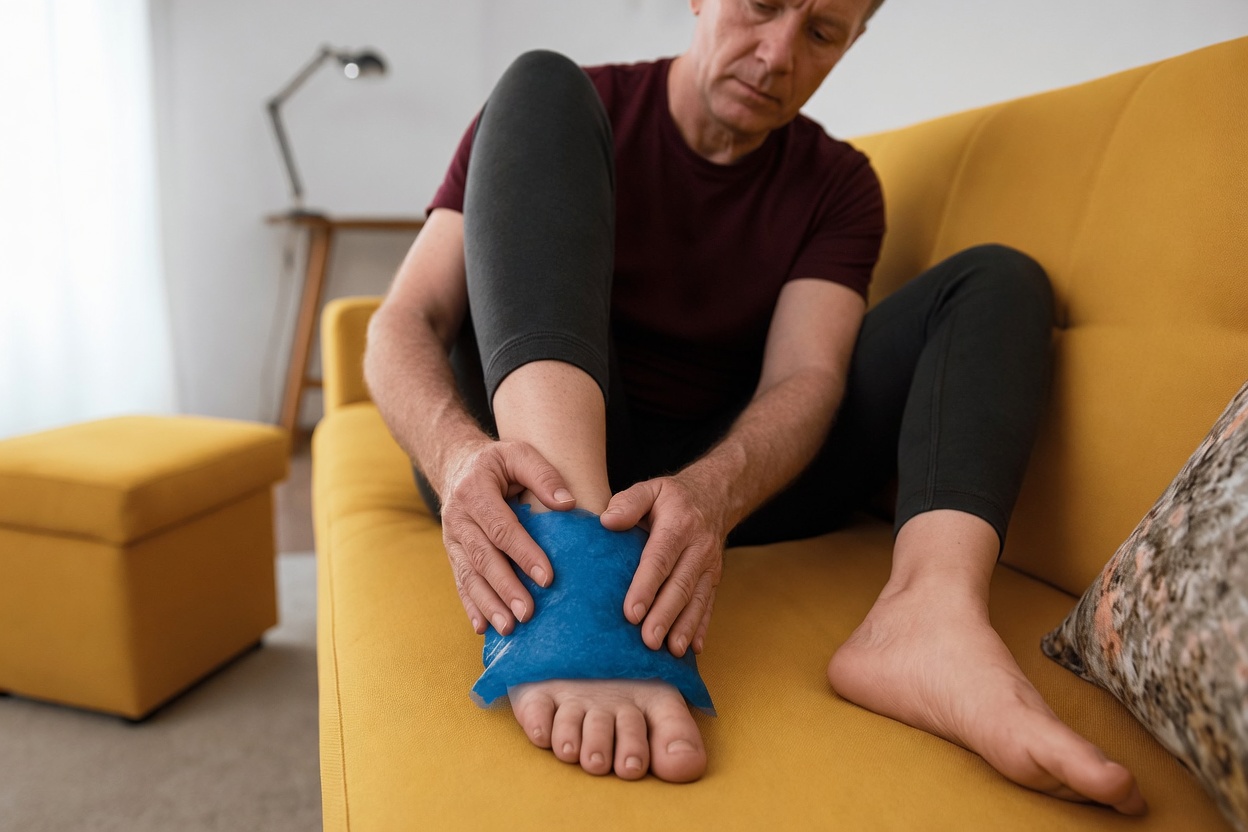
- Elevate feet above heart level 2–3 times daily for 15–30 minutes
- Do seated ankle pumps and rotations to keep blood moving
- Drink enough water throughout the day
- Choose lower-sodium meals and include potassium-rich foods
- Maintain a healthy weight to reduce pressure on circulation
- Soak feet in cool water with Epsom salts (only if you have no open sores and no contraindications)
- Use gentle upward massage only if your healthcare provider says it’s appropriate
Clinical guidance from sources such as the Cleveland Clinic commonly supports elevation, movement, and compression for mild swelling.
Conclusion
Swollen feet and ankles often come from everyday factors like inactivity, gravity, heat, or a high-sodium diet—but they can also point to circulation problems or issues involving the heart, kidneys, liver, or veins. Noticing patterns (when swelling happens, what improves it, what makes it worse) can help you respond earlier. Many people feel better with simple habits like moving more and elevating their legs, but persistent or sudden swelling should be evaluated by a healthcare professional.
Frequently Asked Questions
How long should I elevate my feet to reduce swelling?
Aim for 15–30 minutes, several times per day, with your legs above heart level when possible. Repeating it daily tends to work better than doing it once for a long stretch.
Can drinking more water actually help with swollen feet?
Yes. Proper hydration helps your body manage fluid balance and can reduce retention linked to high sodium or mild dehydration.
Is swelling in only one foot always dangerous?
Not always, but one-sided swelling with pain, redness, warmth, or tenderness should be checked quickly to rule out serious causes such as a blood clot.
Disclaimer: This article is for informational purposes only and does not replace professional medical advice. Always consult a qualified healthcare provider for personalized guidance—especially if swelling is sudden, severe, persistent, or accompanied by other symptoms.