You’re in your mid-50s, and the constant nighttime bathroom trips are cutting your sleep into pieces—so you wake up tired, irritable, and discouraged. A weaker urine stream and the nagging sense that your bladder never fully empties can also turn workdays, travel, and social events into stressful situations. These are common enlarged prostate symptoms, and while aging plays a role, everyday lifestyle factors may influence how strongly they show up. Keep reading to learn about one surprisingly common factor specialists often discuss—and the small, practical changes that may help you feel more in control.
The Quiet Signs of an Enlarged Prostate That Disrupt Everyday Life
Getting up several times a night to urinate isn’t merely annoying—it can drain your energy, make bedtime something you dread, and leave you foggy the next day. You may also find yourself planning outings around restroom access, which can take the joy out of simple moments like dinners, family gatherings, or long drives.
Research suggests that more than half of men over 50 experience urinary symptoms consistent with benign prostatic hyperplasia (BPH)—a non-cancerous prostate enlargement that can still significantly affect quality of life. Dismissing these early signs may increase the risk of complications such as urinary retention or infections. Noticing patterns early, however, gives you more options for managing symptoms.

Why Enlarged Prostate Symptoms Often Become More Noticeable After 50
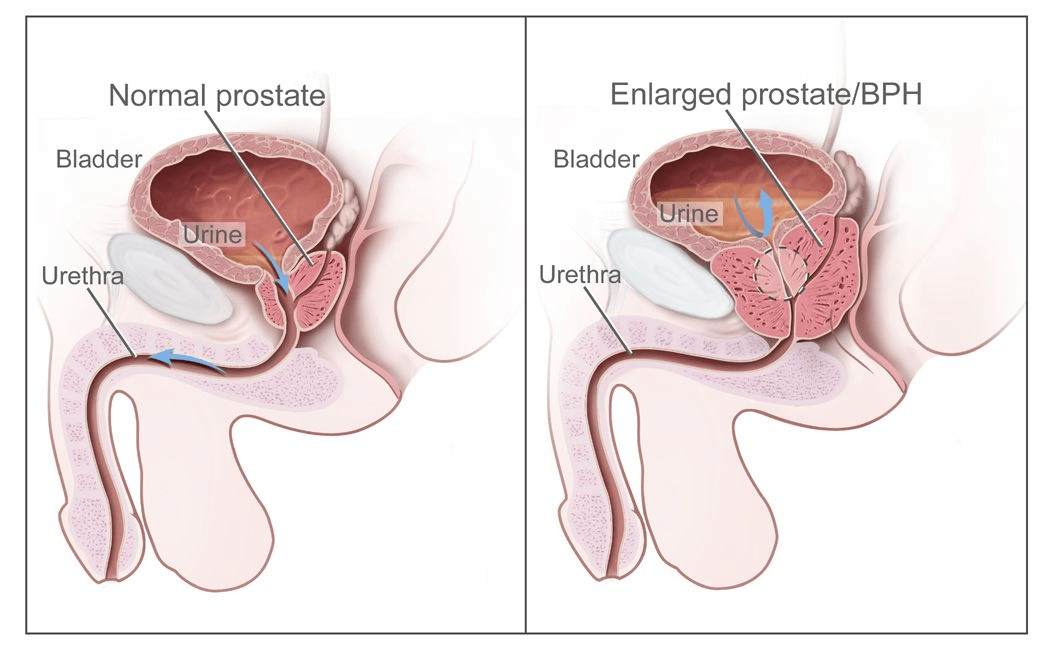
In your 50s, natural hormonal shifts—especially changes involving dihydrotestosterone (DHT)—can encourage prostate growth. The prostate, a small gland often compared to the size of a walnut, sits around the urethra. When it grows, it can compress the urethra and contribute to:
- Hesitancy when starting urination
- A weak or interrupted stream
- Dribbling after urinating
- The feeling of incomplete emptying
While age is a major driver, studies also suggest that certain habits may intensify symptom severity. That’s why it’s worth looking beyond “normal aging” and examining the factors that may be making things worse than they need to be.
Diet and Enlarged Prostate: Why What You Eat May Matter
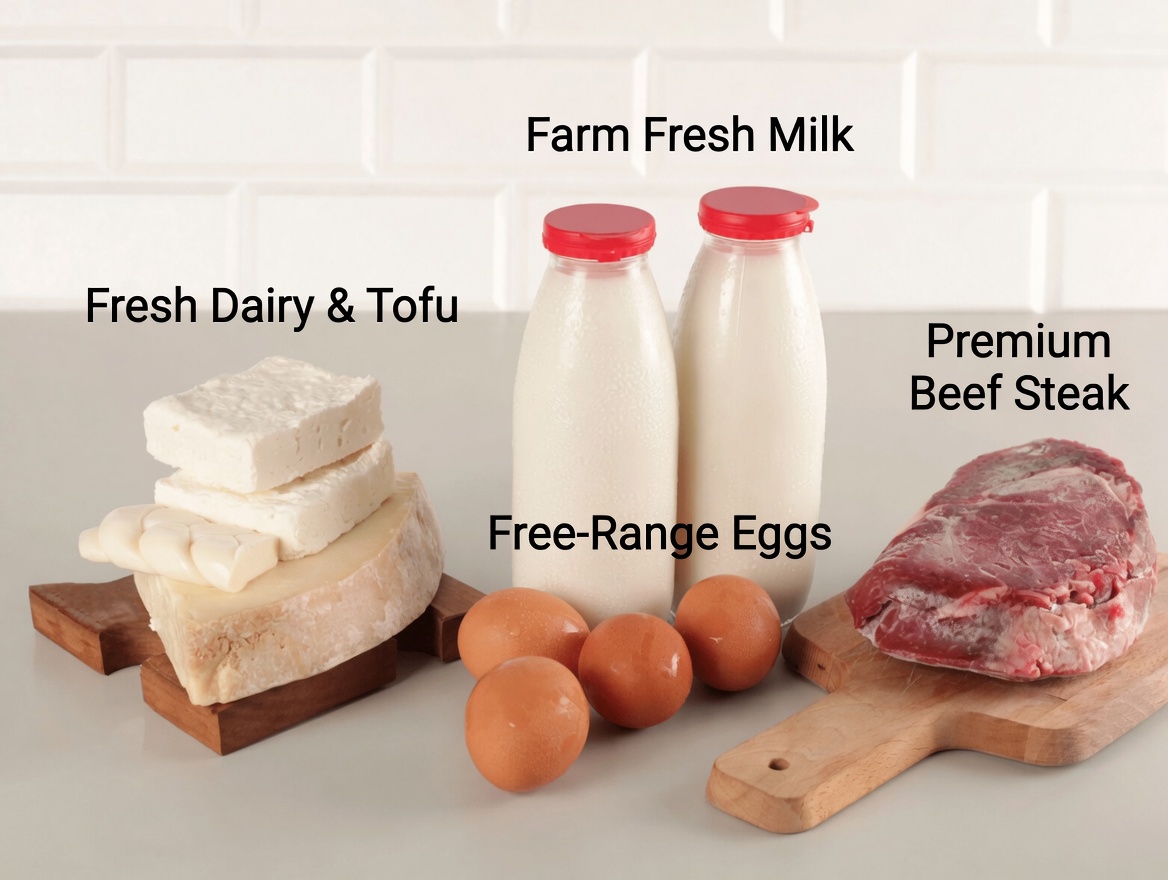
Clinicians often highlight diet—particularly high intake of red meat, processed foods, and some high-fat dairy patterns—as a possible contributor to inflammation and hormone-related pathways that may affect prostate tissue. You might not connect your favorite steak, deli meats, or daily dairy habits to urinary discomfort, but some studies associate these patterns with higher risk or greater symptom burden.
Genetics and family history also matter, but diet is one area you can actually change. Below are seven ways eating patterns may influence enlarged prostate pressure, plus practical adjustments to consider.
7 Ways Diet May Influence Enlarged Prostate Pressure (And What to Try Instead)
7. Encouraging Low-Grade Inflammation
Frequent red meat and processed meat intake may promote subtle, ongoing inflammation—one mechanism researchers explore in relation to prostate tissue changes. Even if you feel “fine” after meals, inflammation can quietly amplify urinary discomfort over time.
- Try this: Replace a couple of red-meat meals per week with fish or legumes.
6. Potentially Shifting Hormone-Related Signals
High dairy intake has been associated in some research discussions with increased levels of factors such as IGF-1, which may influence tissue growth. This doesn’t mean dairy is “bad,” but heavy daily intake may not be ideal for everyone experiencing BPH symptoms.
- Try this: Reduce dairy portions or choose plant-based alternatives a few days a week.
5. Dehydration That Irritates the Urinary Tract
When you rely on coffee and forget water, urine can become more concentrated—sometimes increasing irritation and urgency. Dehydration can also make nighttime symptoms feel more intense.
- Try this: Aim for steady hydration earlier in the day; consider water with lemon if that helps you drink more.
4. Not Getting Enough Fiber
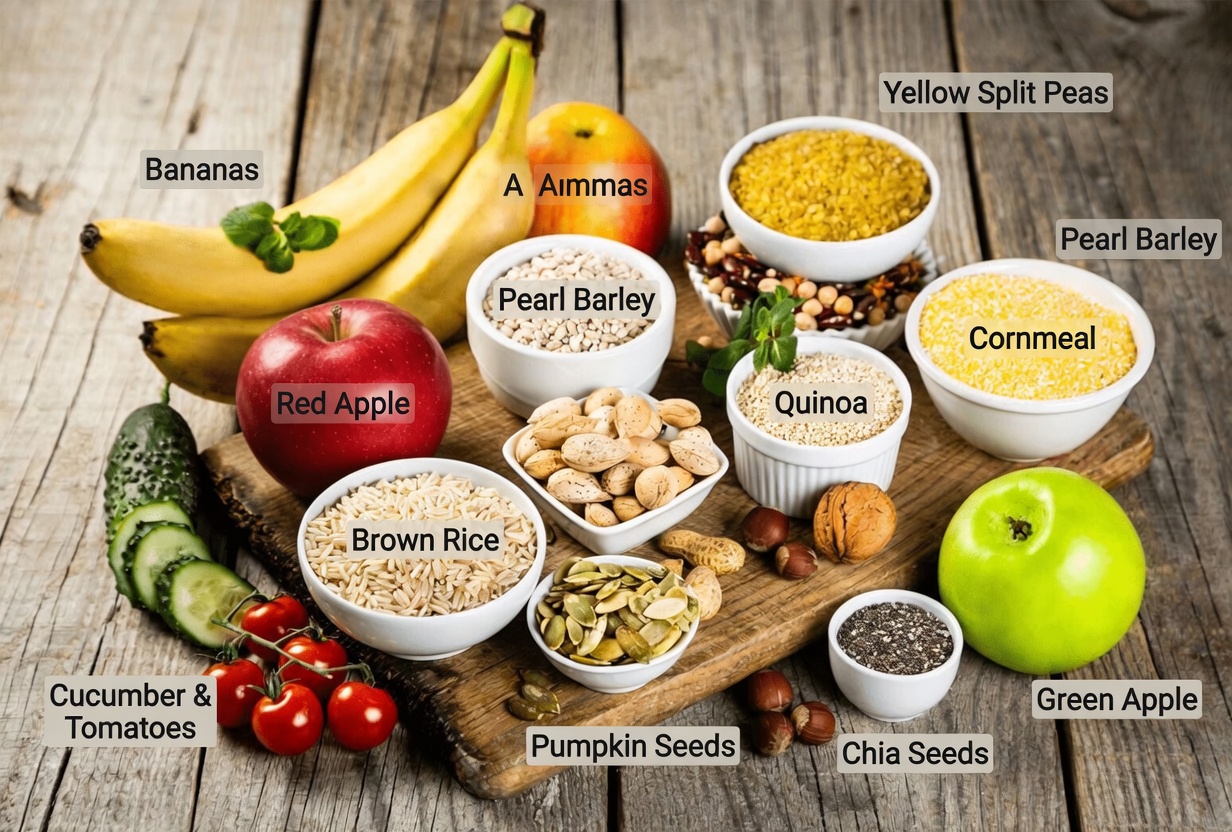
Meat-heavy, low-fiber diets can contribute to constipation, which may increase pelvic pressure and worsen urinary symptoms. Fiber supports regularity, and less straining can mean less discomfort.
- Try this: Add vegetables, beans, oats, berries, and seeds gradually to avoid bloating.

3. Weight Gain and Added Pressure on Symptoms
Calorie-dense diets can contribute to weight gain. Excess body fat may influence hormone balance and inflammation—factors that can worsen BPH symptoms for some men.
- Try this: Build meals around vegetables and lean proteins, and use portion control for higher-calorie foods.
2. Metabolic Health Links (Including Blood Sugar)
Metabolic conditions such as insulin resistance or diabetes may interact with urinary symptoms and overall inflammation. If diet is driving blood sugar swings, urinary comfort and energy levels can take a hit.
- Try this: Balance carbs with protein and fiber; choose whole fruits over sweets and refined snacks.
1. Plant-Forward Eating Patterns May Offer Support
Many experts recommend a more plant-forward diet for general health—and some evidence suggests it may also support prostate wellness. This doesn’t require strict restrictions. It’s often about shifting the baseline: more plants, fewer ultra-processed foods.
- Try this: Think satisfying swaps like salmon with roasted vegetables, bean-based chili, or Mediterranean-style bowls.
Common Enlarged Prostate Myths That Can Delay Real Progress
Misinformation can keep men stuck and frustrated. A few myths worth clearing up:
-
Myth: “Bigger prostate always means worse symptoms.”
Symptom severity doesn’t always match prostate size. Even mild enlargement can create major urinary disruption depending on anatomy and inflammation. -
Myth: “These symptoms automatically mean something serious.”
BPH is common and non-cancerous, though persistent symptoms should still be evaluated by a clinician. -
Myth: “Nothing can be done—this is just aging.”
While aging contributes, many men see improvement through targeted lifestyle changes and medical guidance.
A Simple Step-by-Step Action Plan for Enlarged Prostate Symptoms
Use this as a practical starting point (and consult a healthcare professional, especially if you have diabetes, kidney issues, or take medications that affect urination):
-
Track symptoms and triggers for 1–2 weeks
Note nighttime wake-ups, urgency, caffeine intake, alcohol, spicy foods, and large late meals. -
Hydrate earlier, not later
Aim for consistent water intake during the day, then reduce fluids close to bedtime. -
Limit evening caffeine and alcohol
Both can increase nighttime urination and urgency for many men. -
Increase fiber slowly
Add fruits, vegetables, beans, and whole grains in stages to prevent gas and bloating. -
Add gentle daily movement
A 30-minute walk can support weight management, digestion, and metabolic health.
Three Easy Food Swaps to Start With
- Swap red meat more often: Choose turkey, fish, or plant proteins to potentially reduce inflammatory load.
- Scale back heavy dairy habits: Try almond, soy, or oat milk as an alternative in coffee or cereal.
- Cut processed foods: Choose simple meals like colorful stir-fries instead of packaged, high-sodium options.
Wrap-Up: Taking Control of Enlarged Prostate Health
If urinary symptoms are disrupting your sleep and confidence, you’re not alone—and you’re not powerless. Looking closely at diet, hydration, and daily habits can reveal patterns that make symptoms better or worse. Start with one manageable change this week, then build from there.
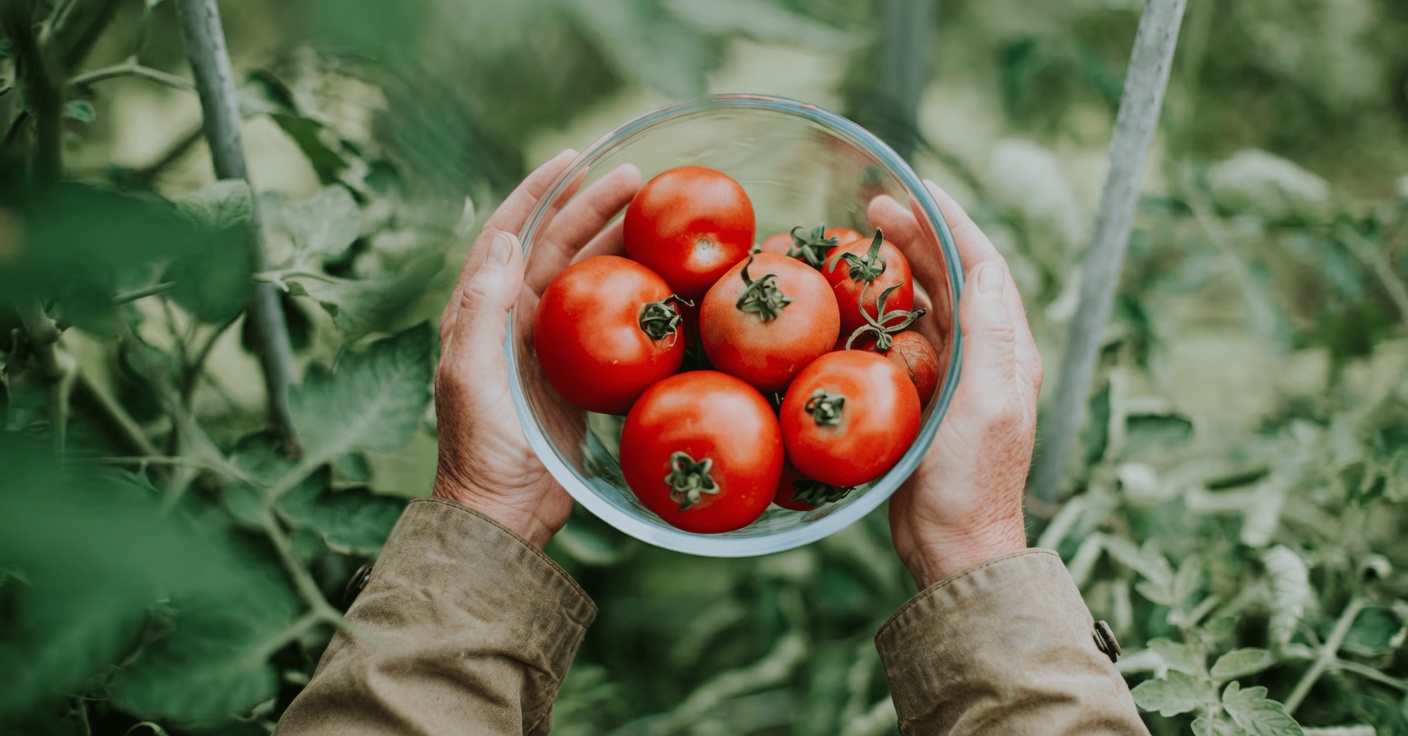
A bonus nutrition note: tomatoes contain lycopene, a compound frequently studied for its potential association with prostate health. Adding tomatoes to salads, soups, or sauces can be an easy, tasty upgrade.
Frequently Asked Questions
What are common signs of an enlarged prostate?
Typical symptoms include frequent urination (especially at night), a weak urine stream, starting-and-stopping during urination, dribbling, urgency, and the feeling that your bladder doesn’t fully empty.