Life After Gallbladder Removal: What Changes to Expect
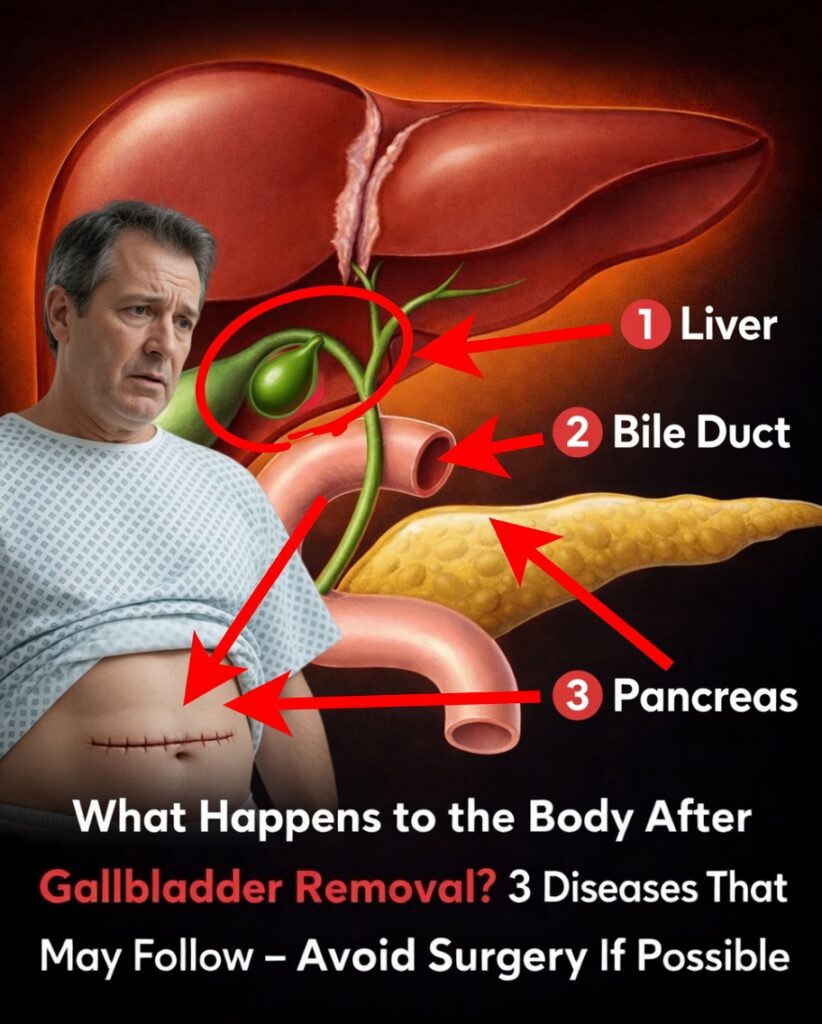
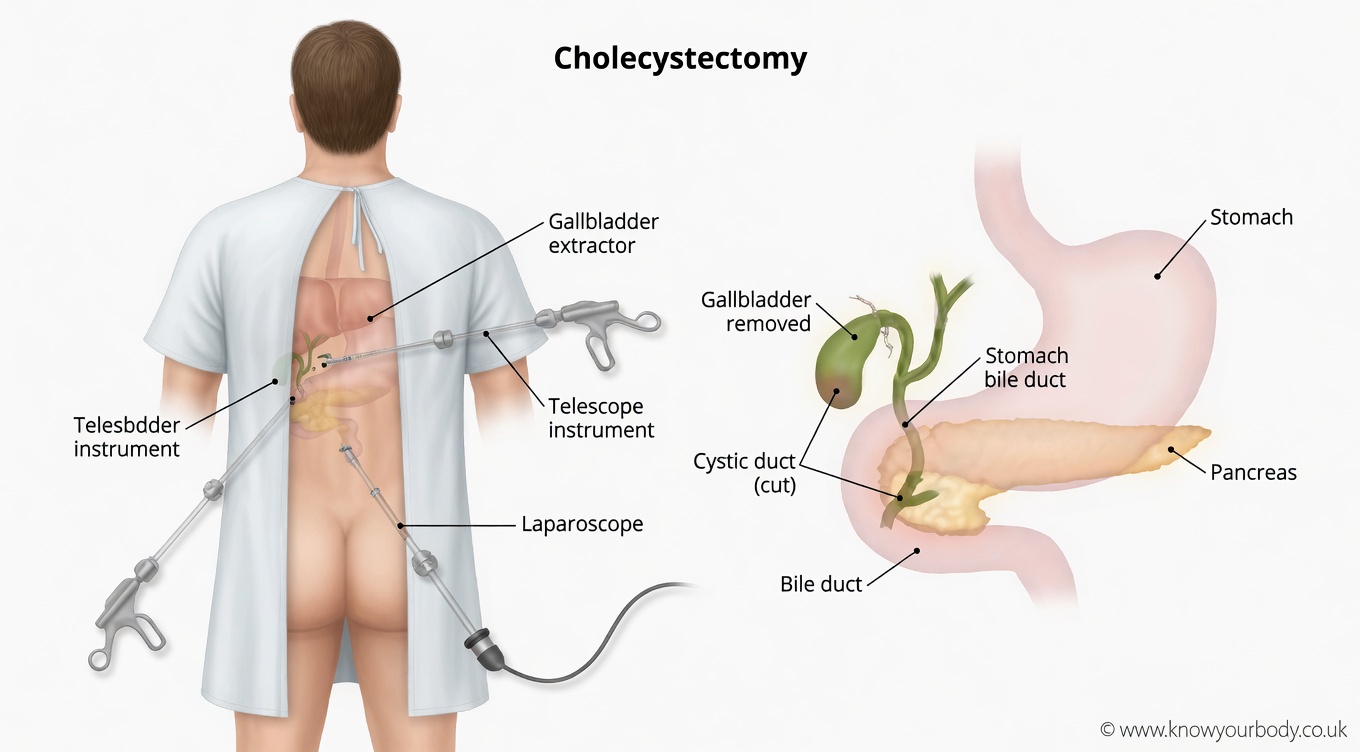
Gallbladder removal (cholecystectomy) is among the most frequently performed surgeries worldwide. Even so, it’s completely normal to feel unsure about what daily life will be like afterward. Because the gallbladder’s job was to store bile for digestion, its removal can trigger temporary changes as your body learns a new rhythm.
Most people recover well and return to a full, normal lifestyle. Understanding the most common changes after gallbladder removal can reduce stress, set realistic expectations, and help you respond to symptoms with confidence.
1) Bile No Longer “Waits” for Meals—It Flows Continuously
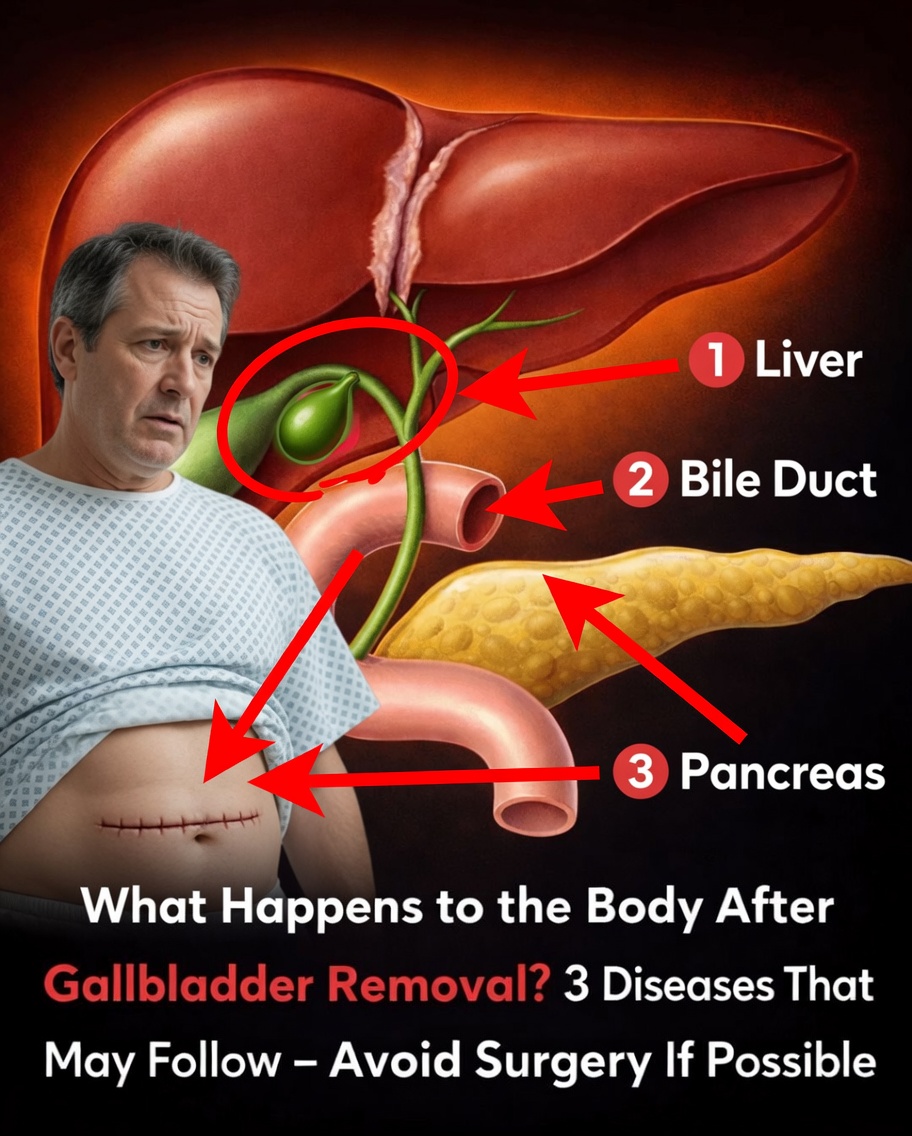
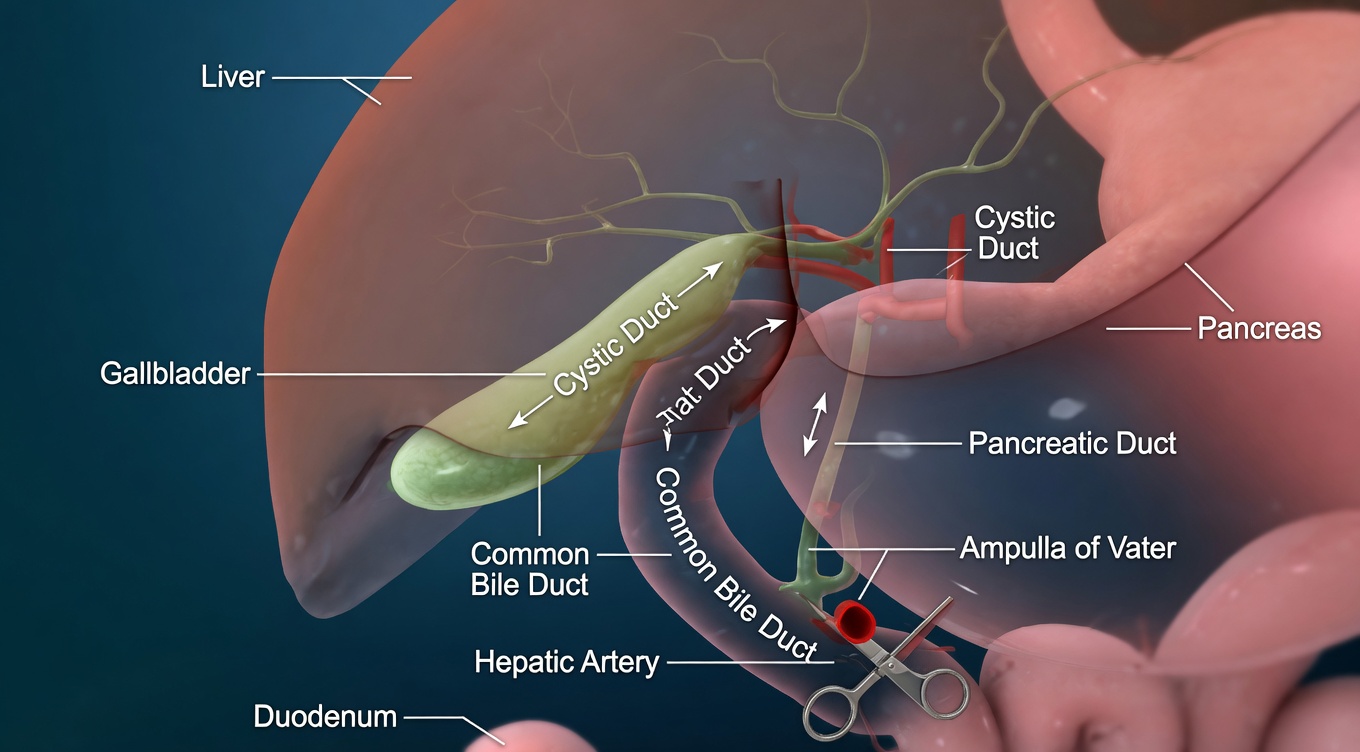
After surgery, your liver continues to produce bile, but there’s no gallbladder to store and concentrate it. Instead of being released in larger amounts during meals, bile drips more steadily into the small intestine throughout the day.
For many, this transition is barely noticeable after a short adjustment period. Others may feel early digestive differences while the gut adapts. As specialists (including sources such as the Mayo Clinic) commonly note, the key shift is that bile is no longer delivered in timed bursts when you eat—this change explains several of the symptoms people experience early on.
2) Temporary Diarrhea or Loose Stools
Frequent or urgent bowel movements are a common short-term complaint after gallbladder removal—especially after high-fat meals. When extra bile reaches the intestines, it can stimulate the bowel and act like a mild laxative.
This can feel unpredictable at first and may affect social plans or comfort outside the home. The good news is that for most people, loose stools improve over weeks to a few months as the digestive system recalibrates. Adjusting meal size and fat intake often makes a noticeable difference.
3) More Gas, Bloating, and Abdominal Discomfort
In the first weeks to months, some people experience increased bloating, gas, or a “too full” feeling after meals. Changes in bile delivery can alter how food breaks down, and foods that were once easy to tolerate may suddenly cause discomfort.
For most individuals, this phase is temporary. Simple nutrition changes—such as smaller meals and avoiding known trigger foods—can significantly reduce bloating as your digestion settles into a new pattern.
4) Fat Digestion May Feel Different at First
You can still digest fat without a gallbladder. However, because bile is no longer stored and concentrated, larger or heavier fatty meals may be harder to process early on. Some people notice:
- Greasy-looking stools
- Floating stools
- Stomach discomfort after rich foods
Many find that avoiding very heavy meals initially helps, then gradually reintroducing fats in small amounts improves tolerance over time.
5) The Biggest Benefit: Relief from Gallstone Attacks
For many patients, the most dramatic and positive change is the end of gallstone-related pain, nausea, and recurring digestive distress. With the gallbladder removed, gallstones can no longer form there—meaning the attacks that led to surgery typically stop.
People often describe this as a major emotional relief: less fear of sudden pain episodes and more freedom to plan daily life without worry.
6) Short-Term Surgical Recovery (What’s Normal)
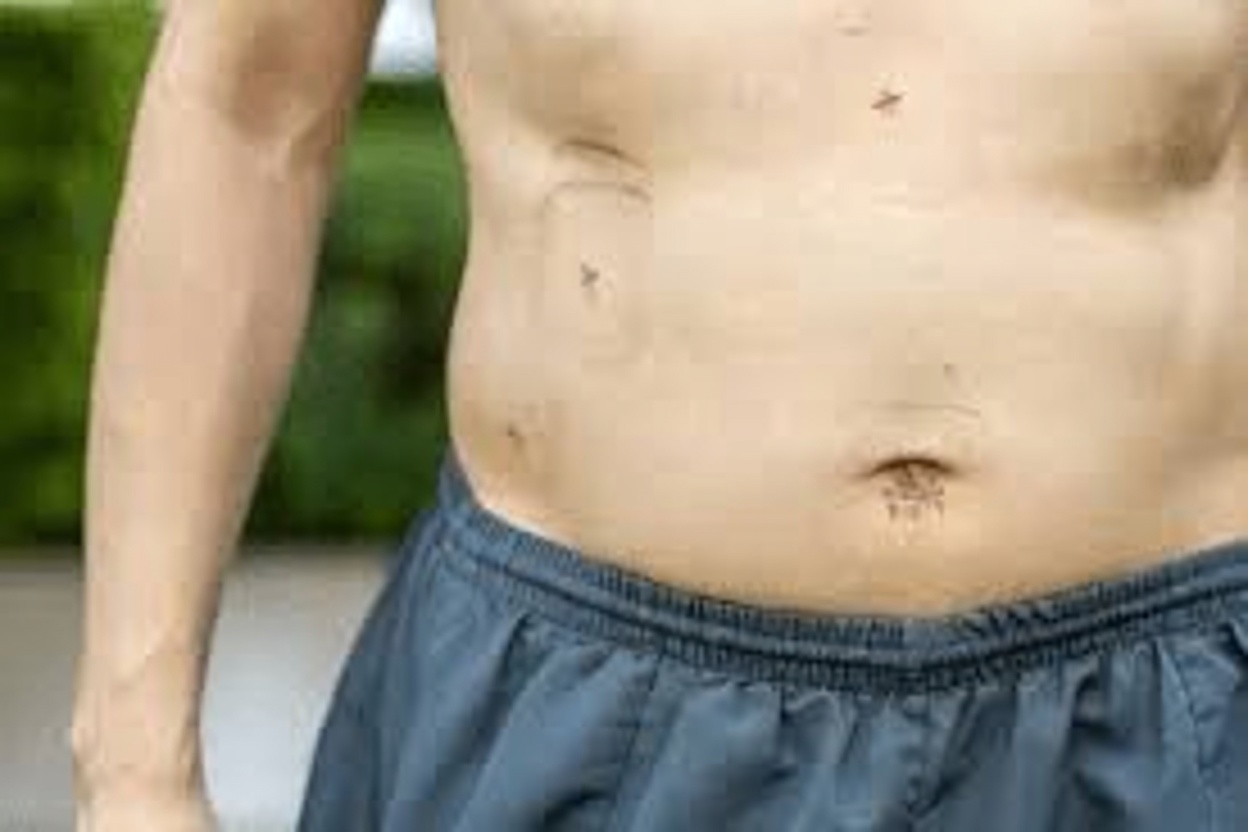
Most gallbladder removals are performed laparoscopically, using small incisions. During the early recovery period, it’s common to have:
- Mild incision soreness
- Fatigue
- Shoulder discomfort (from surgical gas used during the procedure)
Many people return to work and light routines within 1–2 weeks, though full energy may take longer. Rest, gradual movement, and following post-op instructions support smoother healing.
7) Dietary Adjustments Are Common (But Usually Not Permanent)
After gallbladder removal, some foods may trigger symptoms more easily—especially:
- Greasy or fried meals
- Very high-fat foods
- Spicy dishes (for some people)
A practical approach is to treat the first weeks as a learning period. Many do best with:
- Smaller, more frequent meals
- Moderate fat portions
- Simple, easy-to-digest foods at first
Over time, these changes often become less necessary as tolerance improves.
8) Long-Term Adaptation Is the Typical Outcome
For the majority, digestion becomes stable within months to a year, and many people return to eating a wide variety of foods without trouble. The liver continues producing enough bile—your body simply distributes it differently.
Concerns about lifelong, strict food restrictions are often unfounded. In many cases, quality of life becomes the same as before surgery—or better—because the source of gallstone pain is gone.
9) When Symptoms Persist: Postcholecystectomy Syndrome
A small number of people experience ongoing symptoms after surgery, sometimes referred to as postcholecystectomy syndrome. This may include persistent diarrhea, indigestion, or abdominal pain. If symptoms continue, other causes may need to be ruled out with medical evaluation.
Although lingering issues can feel discouraging, professional guidance and targeted treatment can help—and many still experience improvement compared with life before surgery.
Practical Tips to Feel Better After Gallbladder Removal
These gentle habits can ease the transition:
- Eat smaller, more frequent meals to reduce digestive strain
- Limit fats early on, then reintroduce gradually as tolerated
- Add fiber-rich foods to help bind excess bile and firm stools
- Stay well hydrated to support digestion and recovery
- Keep a food journal to identify personal triggers faster
Small changes, consistently applied, often produce big improvements.
When to Contact a Doctor
Seek medical advice promptly if you develop:
- Persistent or severe abdominal pain
- Fever
- Yellowing of the skin or eyes (jaundice)
- Worsening or prolonged diarrhea
- Concerning symptoms that don’t improve over time
Most post-surgery issues are manageable, but checking in can protect your health and provide reassurance.
Conclusion
Your body is highly adaptable after gallbladder removal. While changes like loose stools, bloating, and sensitivity to fatty meals are common early on, most people adjust successfully and enjoy long-term relief from gallstone attacks. By listening to your body and making gradual diet and lifestyle shifts, you can settle into a comfortable new normal.
FAQ
Is life normal after gallbladder removal?
Yes. For most people, digestion stabilizes within a few months, and they can live normally without major restrictions.
How long do symptoms last after gallbladder removal?
Many digestive symptoms improve within weeks to months. Full adaptation can take up to a year for some individuals.
Can you eat anything you want after gallbladder removal?
Many people eventually can. However, some find that certain high-fat foods still trigger discomfort, so tolerance varies person to person.