Fire Cider: A Warming Folk Tonic for Cold-Season Energy and Resilience
When temperatures drop and daylight fades, it’s common to feel your energy slump—and to crave simple, natural ways to feel more vibrant through the chill. Many people look for low-effort wellness habits that feel comforting, proactive, and easy to maintain. Fire cider fits that role well: a punchy, tangy blend built on raw apple cider vinegar with the mother, infused with ginger, turmeric, lemon, cinnamon, clove, cayenne, and finished with honey for balance.
So what makes this spicy-sour tonic so popular, and how can you use it in a practical, thoughtful way? Below, you’ll find its background, ingredient overview, common ways people enjoy it, safety notes, and a clear fire cider recipe you can make at home—plus a simple customization at the end that can dramatically change the flavor.

The Origins of Fire Cider (and Why It Still Resonates)
Fire cider comes from long-standing herbal traditions and became widely known in modern wellness circles through herbalist Rosemary Gladstar, who helped popularize it in the 1970s as a warming, decongesting-style tonic. At its core, it’s an infused vinegar: over time, the vinegar pulls flavor and plant compounds from roots, spices, and citrus, then honey softens the intensity.
That first sip is often described as an instant “wake-up”:
- Cayenne and ginger bring a quick, spicy heat
- Vinegar and lemon create a bright, mouthwatering tang
- Turmeric adds earthy depth
- Honey rounds it out with gentle sweetness
Although fire cider is best understood as a traditional folk remedy (not a clinically proven treatment), there is research on several individual ingredients. For example, studies on ginger and turmeric/curcumin suggest potential anti-inflammatory activity in certain settings, and apple cider vinegar (acetic acid) has been studied for possible roles in digestion and blood sugar responses. Results vary by person and study design, and more research is needed on fire cider as a complete formula.
Fire Cider Ingredients and Their Traditional Roles
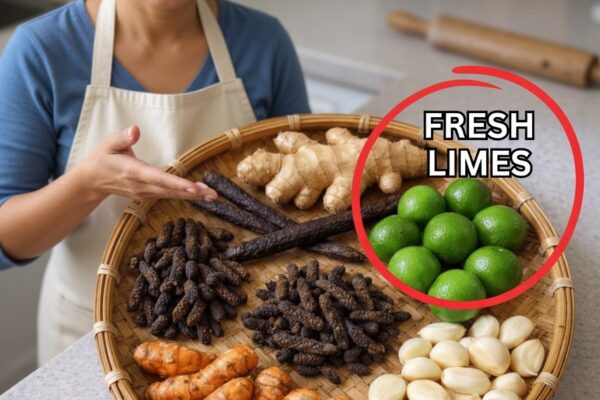
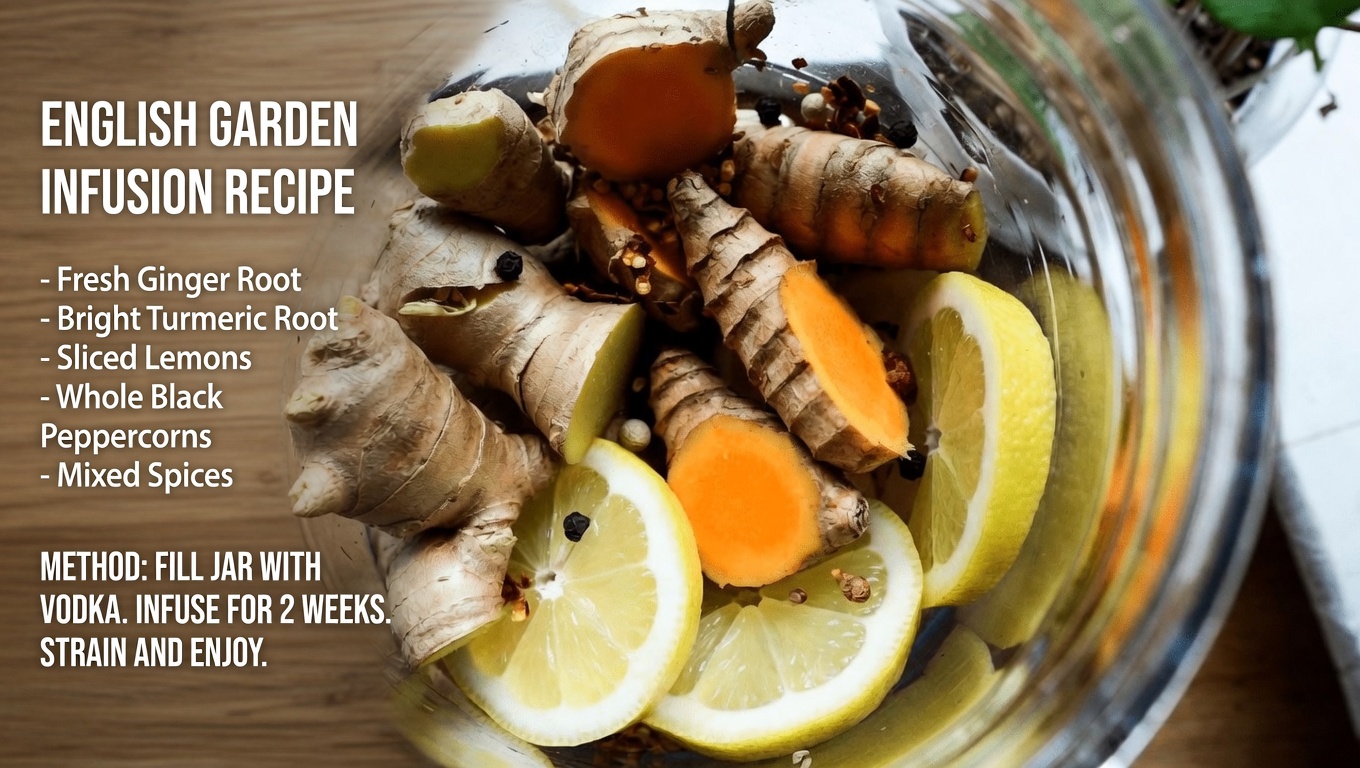
What gives fire cider its reputation is the “all-in-one” combination of familiar, potent kitchen staples. Here’s what typically goes into a classic batch:
- Raw Apple Cider Vinegar (with the mother): The infusion base that helps extract and preserve the blend; often associated with digestive support due to acetic acid and natural cultures.
- Ginger: Sharp, warming root; commonly used for soothing digestive discomfort and supporting overall comfort.
- Turmeric: Golden root containing curcumin, studied for antioxidant activity and general wellness support.
- Lemon (zest + juice): Adds brightness and a traditional vitamin C boost, plus a refreshing flavor lift.
- Cinnamon and Clove: Deep, aromatic spices that create warmth and complexity; long used in traditional herbal practices.
- Cayenne Pepper: The signature “fire,” thanks to capsaicin, often associated with a warming sensation and circulation-focused traditions.
- Raw Honey: Not just sweetener—honey smooths the sharp edges and makes the tonic easier to enjoy consistently.
As the mixture infuses for several weeks, it becomes bold, fragrant, and balanced—strong, but surprisingly versatile.
Why People Add Fire Cider Shots to Their Routine
For many, fire cider isn’t only about ingredients—it’s about the ritual. During seasonal transitions (especially fall and winter), a small diluted serving can feel like a warming, energizing habit that encourages consistency with other healthy choices.
Common ways people use fire cider include:
- Morning tonic: Mix 1 tablespoon into warm water or tea for a strong, invigorating start.
- Flavor booster: Use it like a tangy-spicy condiment—drizzle over salads, grain bowls, roasted vegetables, or greens.
- Kitchen multipurpose staple: Stir into soups, marinades, or sauces when a recipe needs brightness and heat.
Part of the appeal is that fire cider is both a wellness ritual and a culinary ingredient, making it easier to use regularly without feeling like a chore.
Potential Benefits People Mention (Tradition + Ingredient Research)
Fire cider isn’t a guaranteed cure-all, and people respond differently. Still, based on traditional use and what research suggests about certain ingredients, these are commonly discussed reasons people keep it around:
- A warming sensation in cold weather from the spicy, stimulating blend
- Digestive comfort support traditionally linked to vinegar and ginger
- A quick “clearing” kick many attribute to cayenne’s heat
- Antioxidant support associated with turmeric and lemon (curcumin + vitamin C)
- A simple daily ritual: an easy habit that feels grounding and proactive
- Seasonal wellness support as part of cold-season routines
- Honey’s smoothing effect, making the tonic gentler and more enjoyable
- Cooking versatility, turning basic meals into bold, complex flavors
- A gateway to whole-food wellness habits, encouraging more mindful self-care
These points reflect a mix of tradition, anecdotal experience, and ingredient-level research—not a promise of specific outcomes.
Fire Cider Ingredients at a Glance
- Apple cider vinegar (with the mother): Infusion base; commonly linked to digestion support
- Ginger: Warming root; often used for comfort and digestion
- Turmeric: Antioxidant-rich; traditionally supportive and soothing
- Cayenne: Heat and “fire”; associated with circulation and warming sensation
- Lemon: Bright acidity; refreshing flavor and vitamin C source
- Cinnamon + clove: Cozy aromatics; depth and balance
- Honey: Sweetener and softener; helps round out intensity
How to Make Fire Cider at Home (Step by Step)
Making homemade fire cider lets you control both heat level and sweetness. This beginner-friendly method stays close to traditional recipes.
Ingredients
- 1/2 cup fresh ginger, grated
- 1/2 cup fresh turmeric, grated (or 1/4 cup turmeric powder)
- 1 onion, chopped (optional)
- 1/4 cup garlic, chopped
- Zest and juice of 1–2 lemons
- 1–2 tsp cayenne pepper (adjust to your spice tolerance)
- 2 cinnamon sticks
- 1 tsp whole cloves
- Raw apple cider vinegar (enough to fully cover contents)
- Raw honey, to taste
Instructions
- Add ginger, turmeric, garlic, onion (if using), lemon zest/juice, cayenne, cinnamon, and cloves to a clean quart-size glass jar.
- Pour in raw apple cider vinegar until everything is completely submerged (leave about 1–2 inches of headspace).
- Close with a non-metal lid. If you only have a metal lid, place parchment paper under it to reduce corrosion.
- Store in a cool, dark place for 4–6 weeks.
- Shake the jar once daily to keep ingredients moving and infusing evenly.
- Strain through cheesecloth (or a fine strainer) and press the solids to extract as much liquid as possible.
- Stir in raw honey until it tastes balanced (start around 1/4 cup, then adjust).
- Bottle and refrigerate. Properly stored, it can last for months.
If you’re new to fire cider, start small to assess how your body tolerates the spice and acidity.
Safety Tips and Best Practices for Fire Cider
- Always dilute before drinking: Try 1–2 tablespoons in 8 oz (240 ml) water or tea to reduce irritation and help protect tooth enamel.
- Start mild: The heat can build quickly—especially with cayenne and raw garlic.
- Choose quality ingredients: Organic is ideal when possible, particularly for citrus and roots.
- Talk to a healthcare professional if you’re pregnant, taking medications, or managing conditions such as acid reflux, ulcers, or sensitive digestion.
- Do not give honey to infants under 1 year due to botulism risk.
- Check for allergies: Try a tiny diluted amount first if you’re uncertain.
If your batch tastes too intense, increase honey for roundness or add extra lemon for a brighter, more drinkable balance.
Final Thoughts: A Bold, Simple Way to Feel More Energized
Fire cider isn’t a miracle cure—but it is a time-tested, flavorful tonic that many people enjoy as part of a natural cold-season routine. With its warming spices, bright citrus, and flexible uses in both drinks and meals, it can be a practical addition to daily life.
Customization tip that can transform your batch: add a small amount of fresh horseradish during the infusion. Many fire cider fans say it takes the “clearing” sensation and overall punch to a whole new level—especially if you want a sharper, more traditional-style kick.