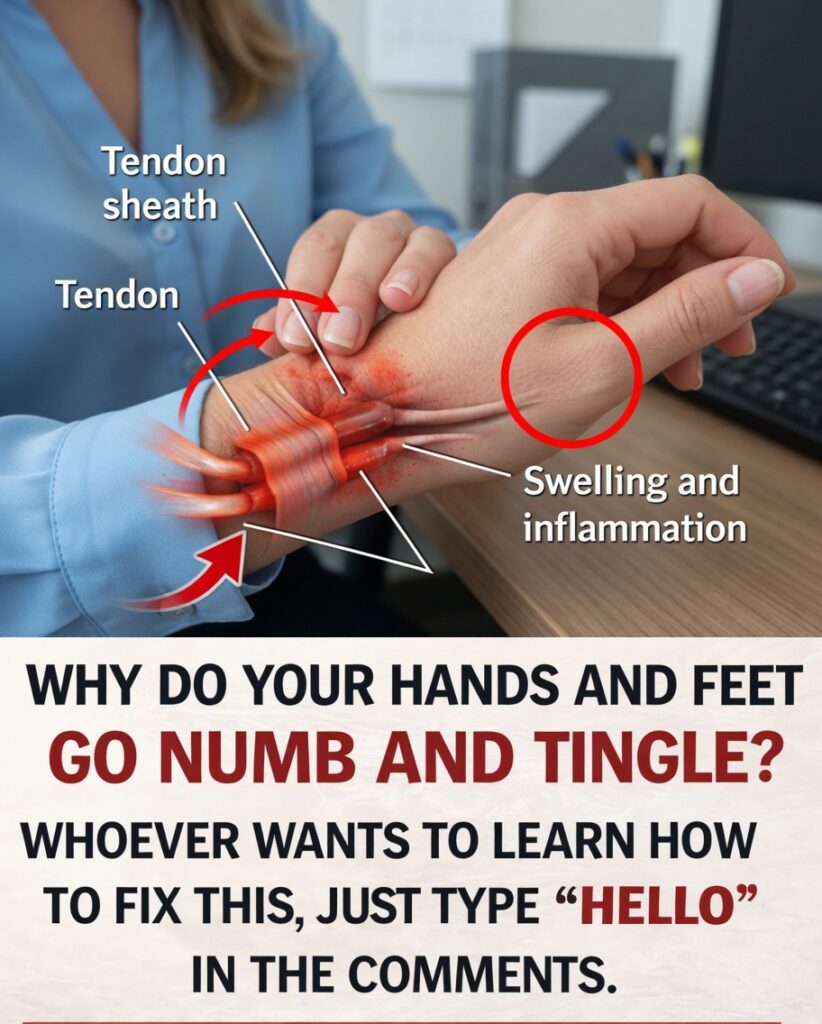
Why Your Hands Go Numb (and What You Can Do About It)
Waking up at night—or after a short nap—with tingling or numb hands can feel unsettling. That “pins and needles” sensation is surprisingly common, and in many cases it’s harmless. However, if your hands keep “falling asleep” often, it may point to an issue involving nerve compression, blood circulation, or everyday habits that strain your wrists, arms, or neck.
This guide explains the most common causes of hand numbness and shares natural, practical remedies to help you feel better and reduce repeat episodes.
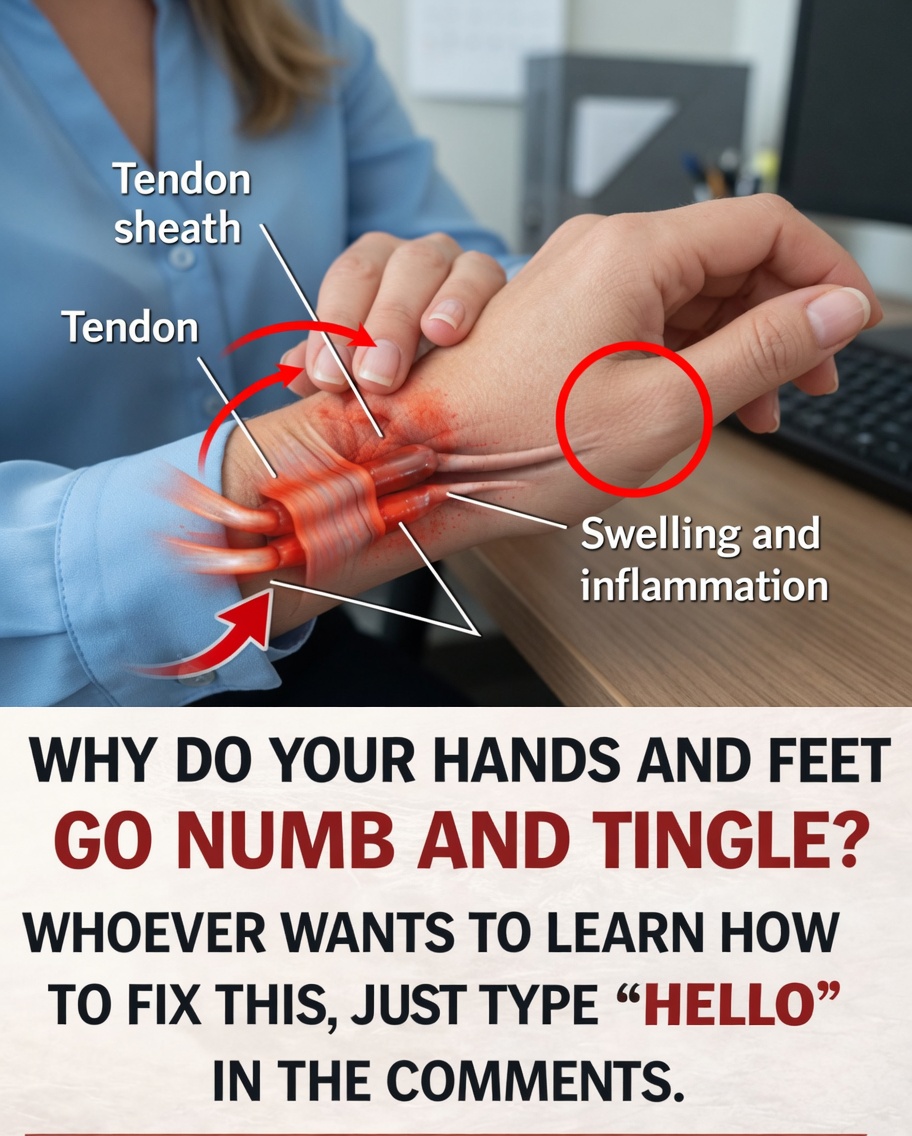
What It Means When Your Hands “Fall Asleep”
When your hands go numb, it usually happens because a nerve or blood vessel is being compressed, interrupting normal signals between your hand and your brain. Once the pressure is released, sensation returns—often with tingling.
This temporary numbness and tingling is known medically as paresthesia, and it can be triggered by posture, repetitive movement, or certain health conditions.
Common Causes of Hand Numbness
Finding the cause is the fastest route to lasting relief. Below are the most frequent reasons hands become numb—especially during sleep or repetitive daily tasks.
1. Sleeping in a Position That Compresses Nerves
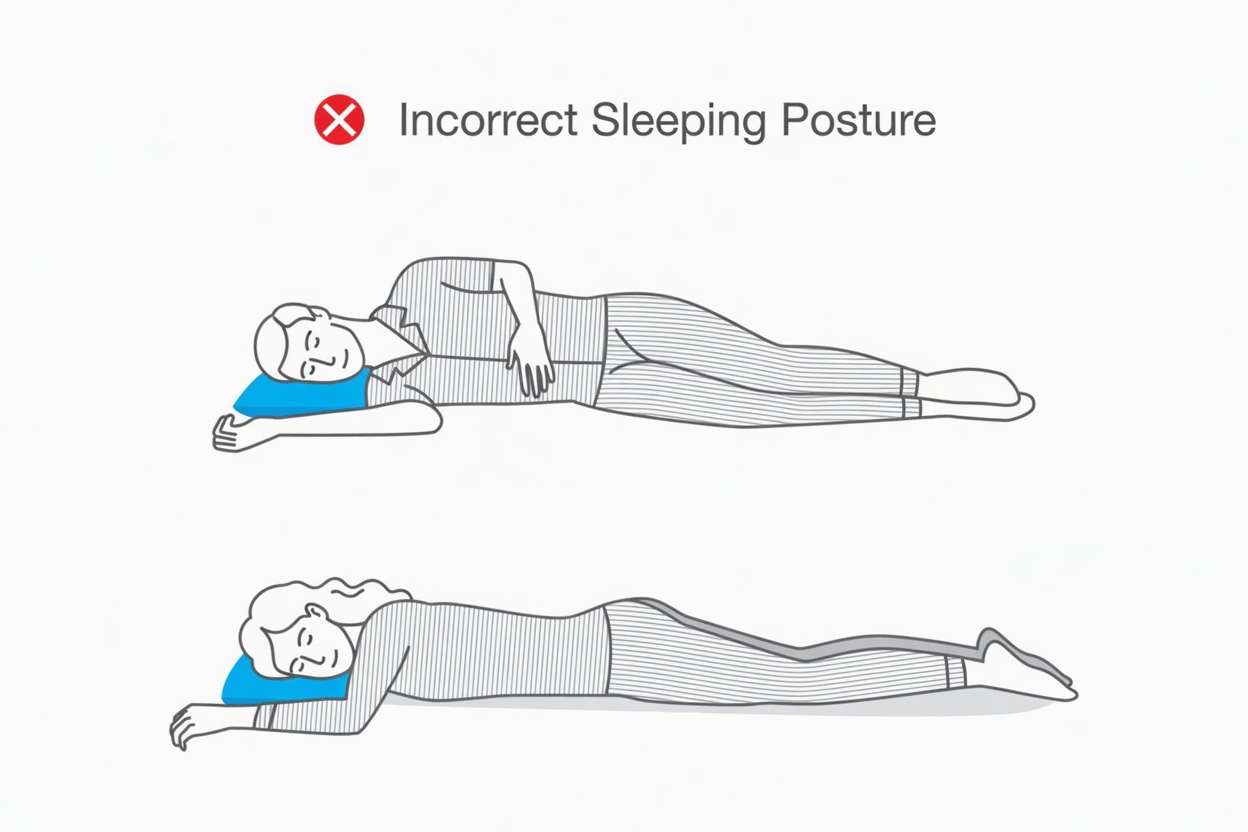
One of the simplest explanations is also the most common: you may be placing pressure on your nerves or limiting blood flow while sleeping.
Typical patterns include:
- Sleeping with wrists bent for long periods
- Lying on your arm or hand
- Tucking elbows under your body or curling arms tightly
Even mild compression can disrupt nerve signaling until circulation and nerve function normalize.
Quick tip: Try keeping wrists and elbows in a neutral position. A supportive pillow can help prevent your arms from folding into awkward angles overnight.
2. Carpal Tunnel Syndrome (CTS)
Carpal tunnel syndrome is a leading medical cause of recurring hand numbness. It occurs when the median nerve is squeezed as it passes through the wrist, often due to inflammation or repetitive strain.
Common signs include:
- Numbness or tingling in the thumb, index, and middle fingers
- Symptoms that worsen at night
- Reduced grip strength
- Pain that may travel up the arm
Typing, tool use, repeated wrist bending, and prolonged phone use can all increase the risk of CTS.
3. Nerve Compression in the Neck, Shoulder, or Arm
Not all numbness starts in the hand. A nerve can be irritated or pinched higher up—such as in the neck or along the arm—then send symptoms down into the hand.
Potential causes include:
- Herniated discs
- Cervical radiculopathy (nerve root irritation in the neck)
- Ulnar nerve compression (often affecting the ring and little finger)
When nerve pathways are disrupted, you may feel tingling, numbness, or weakness in the hand even if the wrist itself is fine.
4. Vitamin and Nutrient Deficiencies
Your nerves rely on key nutrients to function properly. Deficiencies—especially vitamin B12—can contribute to numbness or tingling in the hands and feet.
Other important nutrients for nerve health include:
- Vitamin B6
- Magnesium
- Omega-3 fatty acids
When levels are low, nerve signaling and repair can suffer, sometimes leading to persistent or recurring symptoms.
5. Chronic or Underlying Health Conditions
If numbness is frequent or long-lasting, it may be tied to broader health issues, such as:
- Diabetes (peripheral neuropathy)
- Autoimmune conditions
- Multiple sclerosis
- Circulatory problems affecting blood flow to the hands
These conditions can affect nerves, blood vessels, or both—making numbness more persistent.
Natural Remedies to Reduce Hand Numbness
If your symptoms are mild, occasional, or clearly related to posture or overuse, these simple strategies may help improve circulation and support nerve function.
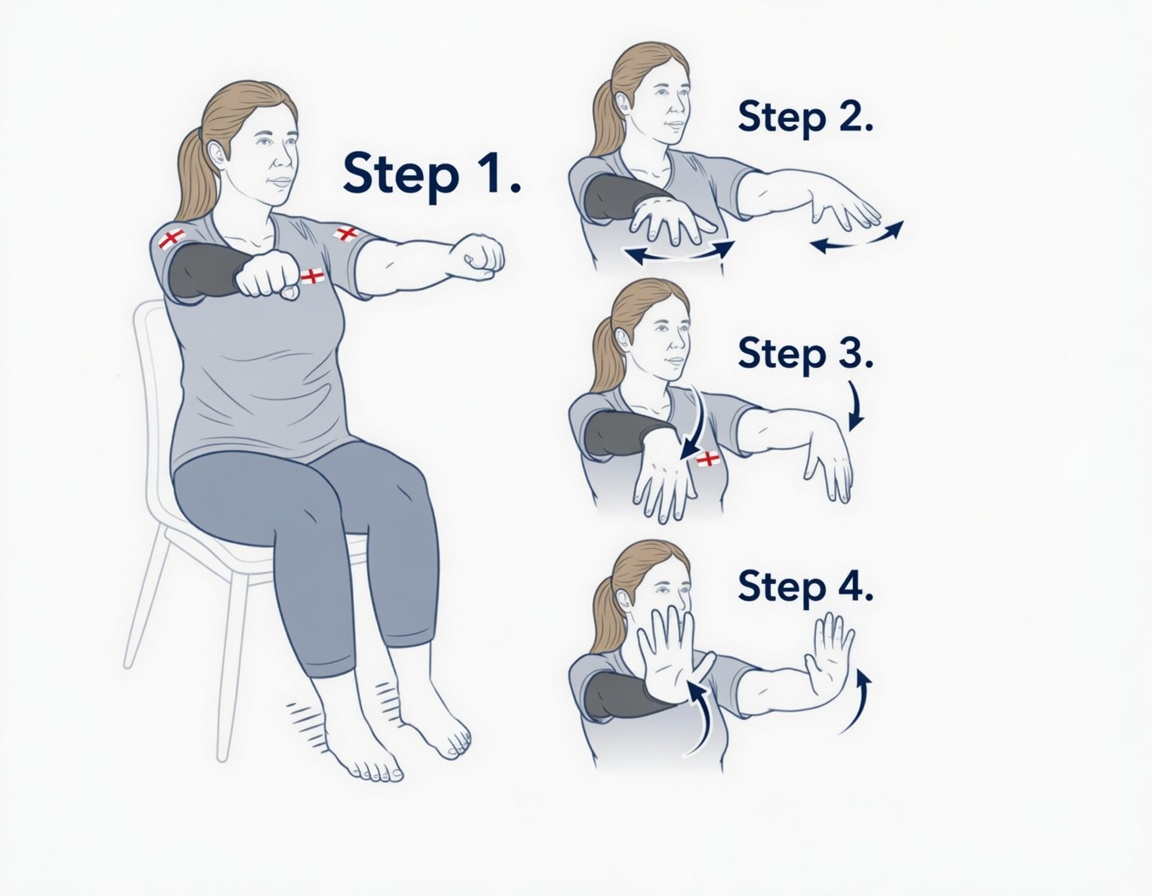
1. Gentle Hand and Wrist Exercises
Light movement can decrease stiffness, improve blood flow, and reduce pressure on irritated nerves. Consider:
- Wrist circles or rotations
- Finger extensions and stretches
- Squeezing a stress ball
- Wrist flexor and extensor stretches
A few minutes a day can make a noticeable difference, especially if you work at a desk or do repetitive tasks.
2. Upgrade Your Sleep Posture
Nighttime hand numbness is often preventable with small adjustments:
- Keep wrists as straight (neutral) as possible
- Avoid sleeping with arms folded tightly or under your body
- Use a pillow that supports the neck and keeps the spine aligned
If needed, a soft wrist brace at night may help keep the wrist from bending excessively.
3. Use Heat and Massage to Boost Circulation
Warmth and gentle massage can relax tight muscles and encourage healthy blood flow.
Try:
- Massaging palms and fingers for 5–10 minutes
- Applying a warm compress to hands or wrists
- Using a small amount of coconut or olive oil for smoother massage
This can be especially helpful if numbness is linked to muscle tension in the forearm or wrist.
4. Eat for Nerve Health
A nutrient-rich diet can support both nerves and circulation. Helpful foods include:
- Eggs, fish, and dairy (sources of vitamin B12)
- Nuts and seeds (rich in magnesium)
- Leafy greens
- Salmon, sardines, and other fatty fish (for omega-3s)
If you suspect a deficiency, consider discussing testing and supplementation with a healthcare professional.
5. Cut Down on Repetitive Strain
If your daily routine involves typing, gaming, tool work, or frequent phone use, your nerves may be getting irritated over time. Helpful habits include:
- Taking a short break every 30–60 minutes
- Stretching wrists and opening/closing hands during breaks
- Adjusting desk height and posture
- Using ergonomic keyboards or mouse setups when possible
Reducing repetitive stress is one of the most effective ways to prevent recurring hand numbness.
When to See a Doctor
Occasional numbness that resolves quickly is typically not dangerous. You should seek medical evaluation if hand numbness:
- Lasts several days
- Happens often or becomes worse over time
- Comes with weakness, dropping objects, or loss of coordination
- Spreads to the arm, face, or other body areas
- Appears alongside dizziness, severe pain, or sudden symptoms
Persistent symptoms can signal nerve damage or an underlying condition that requires professional care.
Key Takeaway
Hand numbness is often caused by temporary nerve compression, poor posture, or repetitive strain. But when it becomes frequent, it may be linked to conditions such as carpal tunnel syndrome, vitamin deficiencies, or nerve problems originating in the neck or spine.
By improving sleep posture, adding gentle hand and wrist exercises, supporting nerve health through nutrition, and reducing repetitive strain, many people can significantly reduce or eliminate symptoms.
Frequently Asked Questions (FAQ)
1. Can stress cause hand numbness?
Yes. Stress can increase muscle tension—especially in the neck and shoulders—which may compress nerves or reduce circulation and contribute to tingling in the hands.
2. How long should hand numbness last?
Temporary numbness often clears within minutes. If it lasts for hours, returns frequently, or worsens, it’s wise to speak with a doctor.
3. Can lifestyle changes prevent hand numbness?
In many cases, yes. Better posture, regular breaks from repetitive motions, ergonomic improvements, and a nerve-supportive diet can reduce the risk.
Disclaimer
This article is for informational purposes only and does not replace medical advice. Consult a qualified healthcare professional for diagnosis and treatment, especially if symptoms are persistent, severe, or worsening.