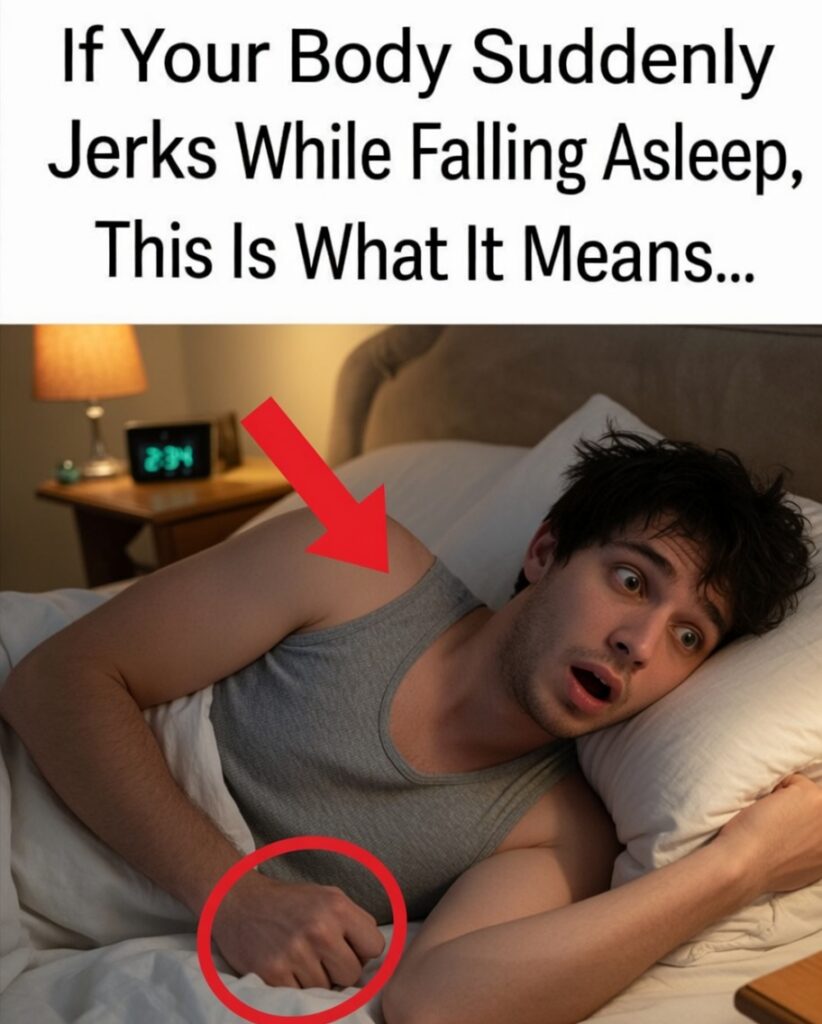
A Sudden Jolt as You Fall Asleep: You’re Not the Only One
You’re finally relaxing, drifting toward sleep—and then it happens: a sharp, unexpected body jerk that snaps you awake, often with the eerie sense that you were just falling. If it repeats, it can be unsettling and leave you wide awake, wondering whether something is wrong.
The reassuring truth: this experience is extremely common. Once you know what it is and why it happens, it often feels far less alarming.
What Is a Hypnic Jerk?
A hypnic jerk (also known as a hypnagogic jerk, sleep start, or sleep twitch) is a sudden, involuntary muscle contraction that occurs right as you transition from wakefulness into sleep. It may affect:
- A leg or foot
- An arm or shoulder
- Multiple muscles at once (sometimes the whole body)
Many people also notice a brief sensory “add-on,” such as:
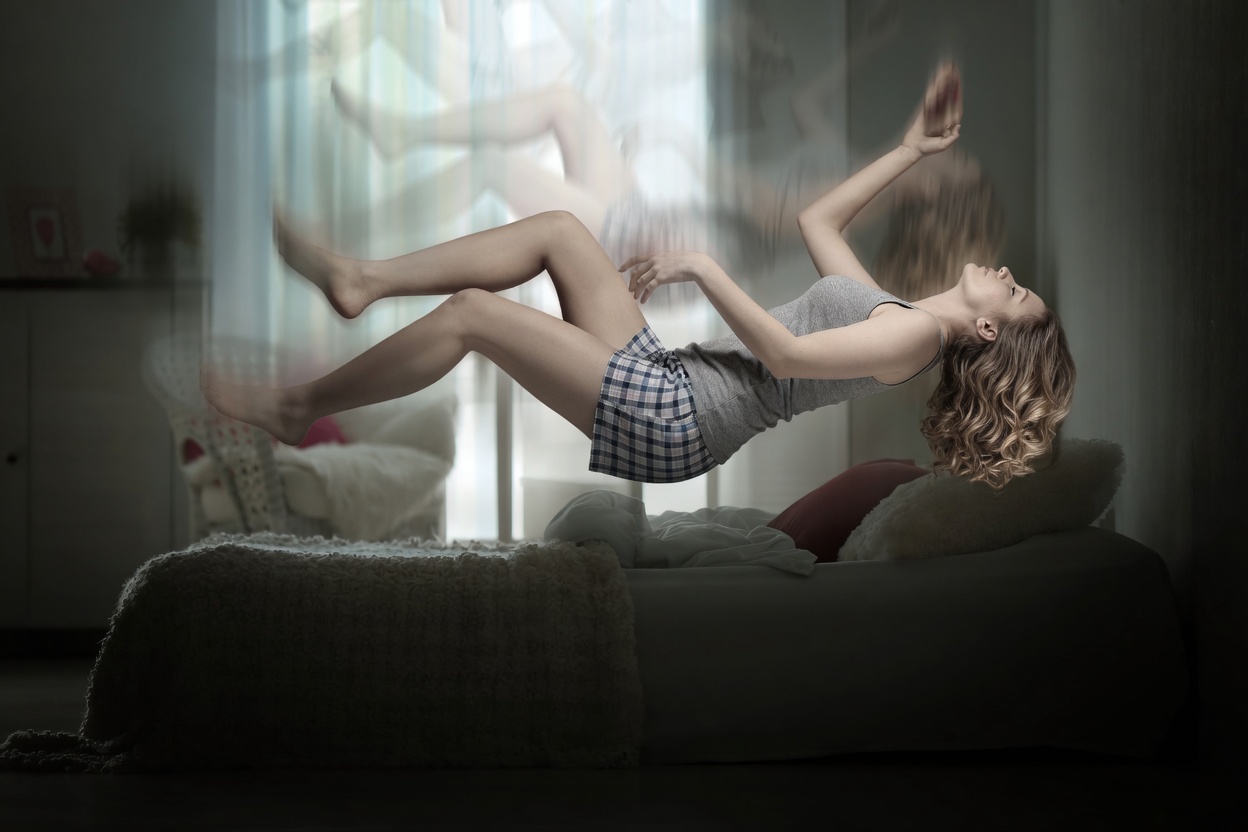
- A vivid falling sensation
- A perceived loud bang or internal “shock” sound
- A quick flash of light
These events happen during the hypnagogic state—the hazy in-between phase when your brain is switching into sleep mode. In sleep research, hypnic jerks are considered a form of myoclonus, meaning a short, shock-like muscle movement that can occur in healthy individuals.
How Common Are Hypnic Jerks—and Why Do They Feel So Intense?
If you’ve had this happen, you’re in very large company. Sleep research commonly reports that around 60–70% of people experience hypnic jerks at least once in their lives. A smaller group—often estimated at about 10%—may notice them daily, though for most people they’re occasional and mild.
What makes them feel dramatic is timing and contrast: your body is powering down, muscles are loosening, and then a sudden contraction interrupts the calm. When the jerk comes with a “falling” sensation and a spike of adrenaline, you might gasp or sit up—yet in the vast majority of cases, it’s benign.
Why Do Hypnic Jerks Happen? Key Scientific Theories
There isn’t one single cause that explains every case, but researchers have several strong, widely discussed explanations.
1) A “Glitch” During the Wake-to-Sleep Handoff
As you fall asleep, different brain systems don’t always slow down in perfect sync. Parts of the brain involved in regulating sleep onset (including brainstem pathways that coordinate arousal and muscle activity) may briefly send mixed signals, resulting in a quick muscle contraction—like a momentary misfire during the transition.
2) An Evolutionary Leftover From Tree-Sleeping Ancestors
One of the most intriguing hypotheses is evolutionary: early primates often slept in trees for protection. As muscles relaxed at sleep onset, the brain might have interpreted that relaxation as slipping or falling, triggering a reflexive jolt to readjust grip or posture. Even though modern humans sleep on mattresses, the underlying reflex may still persist.
3) Lifestyle and Environment Can Make Them More Frequent
Hypnic jerks can happen without any obvious trigger, but certain factors often make them more likely or more noticeable, including:
- High stress or anxiety
- Sleep deprivation or heavy fatigue
- Too much caffeine or other stimulants later in the day
- Intense evening workouts or exertion close to bedtime
- An inconsistent or irregular sleep schedule
These influences tend to amplify the nervous system’s reactivity during sleep onset rather than being the sole “cause.”
Common Signs That May Come With a Hypnic Jerk
Hypnic jerks vary from person to person. Along with the muscle twitch itself, you might experience:
- A quick kick or jerk in the legs or arms
- The sensation of dropping or falling
- A sudden imagined noise (like a bang or crack)
- Brief flashes of light or visual fragments
- A fast heartbeat immediately afterward
Most episodes last only a second or two and fade quickly once you’re alert again.

Practical Ways to Reduce Hypnic Jerks
You can’t always eliminate hypnic jerks completely—many sleep experts consider them a normal part of sleep for many people. However, everyday adjustments can often reduce how often they occur.
1) Reduce Caffeine and Other Stimulants
Try to avoid coffee, tea, energy drinks, and even chocolate in the late afternoon and evening. A common guideline is stopping caffeine 6–8 hours before bedtime so your nervous system has time to settle.
2) Keep a Consistent Sleep Schedule
Going to bed and waking up at the same times (including weekends when possible) helps stabilize your body clock and can make the transition into sleep smoother.
3) Lower Stress Before Bed
Stress can keep your system “on alert,” making sleep onset more reactive. Helpful options include:
- Slow breathing exercises
- Gentle stretching
- Progressive muscle relaxation
- A short meditation
- Calm reading instead of stimulating content
4) Schedule Exercise Earlier
Exercise is great for sleep overall, but intense workouts too close to bedtime can increase arousal. Consider ending vigorous training 1–2 hours before sleep, and choose light movement (walking, stretching, yoga) later in the evening if needed.
5) Optimize Your Sleep Environment
Aim for a bedroom that supports deep relaxation:
- Cool, dark, and quiet
- Minimal interruptions
- Limited screen exposure in the hour before bed (blue light can interfere with melatonin and slow down the wind-down process)
Many people notice fewer sleep twitches within 1–2 weeks after improving these habits.
When to Talk to a Doctor
Hypnic jerks are usually harmless, but it’s wise to speak with a healthcare professional or sleep specialist if:
- They occur so often that they significantly disrupt your ability to fall asleep or stay asleep
- You also have symptoms such as heavy daytime sleepiness, loud snoring, or unusual nighttime movements
- Worry about the jerks is creating a cycle of anxiety and insomnia
A clinician can help rule out other sleep disorders and recommend tailored strategies.
FAQ: Hypnic Jerks (Sleep Starts)
-
Can a hypnic jerk fully wake you up?
Yes. If the jolt is strong—or if it includes a vivid falling sensation—it can bring you back to full alertness. Many people still fall asleep again shortly after. -
Are hypnic jerks more common in certain people?
They’re often reported more during periods of stress, inconsistent sleep, sleep deprivation, or high caffeine intake. Many adults notice them, and some evidence suggests frequency may decrease with age for certain individuals. -
Do children experience hypnic jerks too?
Yes. Children can have hypnic jerks as well, and some may experience them relatively often, even if they don’t describe them clearly.
Final Note
Hypnic jerks are a vivid reminder that sleep is an active, complex process—sometimes with quirky side effects. For most people, they’re a normal event, and small changes to stress, caffeine, and sleep routine can make them less frequent.
Disclaimer: This article is for educational purposes only and does not provide medical advice. If you’re concerned about your sleep or symptoms persist, consult a qualified healthcare professional.