Why Many Men Delay Prostate Checkups (Even When They Feel Fine)
A lot of men assume they’re healthy because nothing hurts. As a result, routine prostate checkups often get pushed aside—due to packed schedules, discomfort, embarrassment, or simple procrastination. The problem is that years of “I’ll do it later” can quietly increase the odds of discovering an issue only when it’s more advanced and harder to manage.
Large population-based research has linked skipping regular prostate screening with a significantly higher chance of later finding advanced prostate cancer—some analyses estimate the increase could be up to 45% compared with men who monitor their prostate health consistently. That’s where the consequences can become more serious than many expect.
By the end of this article, you’ll understand what most men don’t realize early enough: screening isn’t about panic—it’s about timing, options, and peace of mind.
Why Prostate Health Is So Often Ignored
Unlike heart disease, fitness, or diet trends, prostate health rarely comes up in everyday conversation. That silence fuels avoidance.
Common reasons men skip prostate checkups include:
- No noticeable symptoms
- Belief that prostate issues only affect very elderly men
- Discomfort talking about urination or sexual changes
- Underestimating long-term risk
Here’s the reality: prostate cancer is among the most common cancers in men worldwide. Risk increases with age—especially after 40—but lifestyle and screening habits also influence outcomes. The concerning pattern is not just the disease itself, but how often it’s discovered late because men stayed off the radar for years.
What Studies Indicate About Skipping Prostate Screening
Long-term observational research consistently shows a clear trend: men who attend regular prostate evaluations are more likely to detect unusual changes earlier. Early detection doesn’t guarantee a specific outcome, but it typically provides:
- More time to understand what’s happening
- More choices for monitoring or treatment
- Better planning for health and lifestyle decisions
Meanwhile, men who avoid routine screening are statistically more likely to learn about problems later—when the situation may be more complex. Some studies suggest that not screening can raise the likelihood of discovering advanced disease by as much as 45% compared to consistent monitoring.
Important nuance: screening doesn’t prevent prostate cancer. It improves awareness and helps align decisions with the best possible timing—often a key factor in quality of life.
The Prostate, Explained Simply
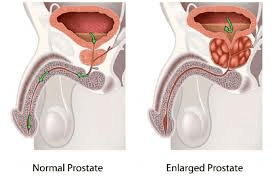
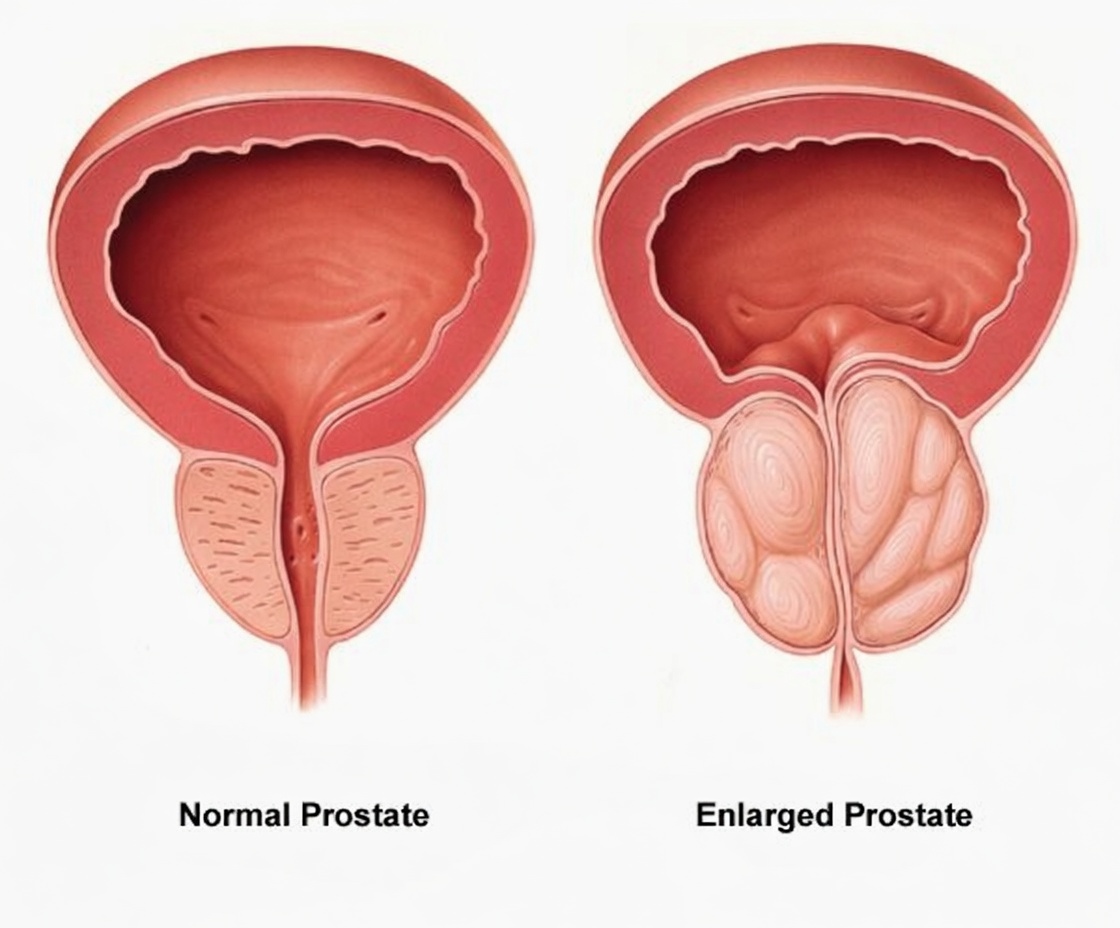
The prostate is a small gland located just below the bladder. It helps produce fluid that supports semen. As men age, the prostate commonly changes in size and structure.
Typical prostate-related conditions include:
- Benign prostatic enlargement (non-cancerous growth)
- Inflammation (prostatitis)
- Cancerous changes
Not every change is dangerous—many are treatable or manageable with medical guidance. The risk grows when changes remain unnoticed for years because no one is checking.
Early Detection vs. Late Discovery: Why Timing Matters
The difference between catching an issue early and learning about it late often comes down to choices and control.
When changes are found early, men often have:
- More monitoring pathways
- Less invasive management possibilities
- More time to weigh decisions
- A clearer understanding of progression
When issues are found later, it may involve:
- More complicated decision-making
- Higher stress and emotional strain
- Fewer practical options
- Greater physical impact
A quick comparison:
| Factor | Regular Screening | No Routine Screening |
|---|---|---|
| Awareness of changes | Higher | Lower |
| Stage at detection | Often earlier | Often later |
| Emotional preparedness | Greater | Sudden shock |
| Available options | Typically broader | Potentially limited |
The Hidden Cost of Avoidance: The Psychological Impact
Delaying checkups can feel easier in the moment—but behavioral psychology research suggests that health avoidance often increases anxiety over time.
Men who postpone screenings frequently report:
- Ongoing worry about the unknown
- Growing fear of “bad news”
- Reduced confidence in their own bodies
- Stress that can affect relationships at home
Ironically, getting checked earlier often reduces long-term anxiety—because uncertainty is replaced with real information and a plan.
Healthy Habits That Strengthen Screening (Not Replace It)
Prostate screening works best alongside everyday habits that support overall health. No single routine guarantees prevention, but patterns matter over decades.
1) Regular Physical Activity
Moderate exercise supports hormone balance and helps control weight. Studies associate obesity with a higher likelihood of aggressive prostate cancer patterns.
Aim for:
- 150 minutes of moderate activity per week
- Strength training twice weekly
- Less prolonged sitting
2) Balanced, Prostate-Friendly Nutrition
No single food “stops” prostate cancer—but nutrition patterns can support long-term health.
Consider adding:
- Antioxidant-rich vegetables
- Tomatoes and other sources of lycopene
- Fatty fish containing omega-3s
- Whole grains instead of refined carbs
Try to limit:
- Processed meats
- High-sugar intake
- Heavy alcohol use
Small improvements, repeated consistently, compound over time.
3) Maintaining a Healthy Weight
Excess body fat can disrupt hormones and metabolic signals. Hormones such as testosterone and insulin-like growth factors may influence prostate cell behavior.
Healthy weight management isn’t about appearance—it’s about internal stability and risk reduction.
Men who combine screening + healthier habits often report a stronger sense of control over their long-term health trajectory.
When Should Men Start Prostate Checkups?
Many medical organizations recommend that men begin discussing prostate screening with a healthcare professional around age 40 to 50, depending on personal risk.
Higher-risk groups often include:
- Men with a family history of prostate cancer
- Men of African descent
- Men with specific genetic risk factors
There isn’t a perfect one-size-fits-all age. The most useful approach is an individualized conversation with a clinician based on your history and risk profile.
This isn’t about fear—it’s about informed awareness.
A Simple Step-by-Step Plan You Can Start Today
If you’ve been delaying prostate health conversations, use this practical approach:
-
Book a primary care visit
Even if you feel fine, schedule a wellness appointment and bring up prostate health proactively. -
Learn your family history
Ask close relatives about prostate-related diagnoses. This can shape screening timing and frequency. -
Notice urinary changes
Track symptoms such as:- Trouble starting urination
- Weak urine stream
- Frequent nighttime urination
- Discomfort
These signs don’t automatically mean cancer, but they do justify a medical discussion.
-
Improve one lifestyle habit this month
Pick one change you can maintain:- Walk 30 minutes daily
- Add one extra serving of vegetables
- Cut back on sugary drinks
- Improve sleep consistency
Consistency beats intensity.
-
Set annual reminders
Use your phone calendar or a health app. Scheduling reduces the chance of years slipping by unnoticed.
Common Myths That Stop Men From Getting Screened
Myth 1: “Only very old men get prostate cancer.”
- Reality: Risk rises with age, but earlier conversations matter—especially with family history.
Myth 2: “Screening always leads to unnecessary procedures.”
- Reality: Screening starts a conversation. Not every abnormal result means aggressive treatment.
Myth 3: “If I feel fine, I’m fine.”
- Reality: Early-stage prostate cancer often causes no obvious symptoms.
Understanding these facts reduces fear and supports smarter decisions.
Why Proactive Screening Protects More Than Your Body
Health is physical, but it’s also emotional and relational. Men who stay proactive often experience:
- More confidence in their health status
- Less fear of unexpected news
- Better communication with partners and family
- A stronger sense of control over the future
And here’s the key takeaway hinted at earlier: the biggest advantage of screening isn’t just detecting disease—it’s preserving options, reducing uncertainty, and protecting peace of mind before a crisis forces the issue.